
The Health Benefits of Coffee Alternatives
Coffee alternatives have become nearly as common as the coffee they replace, with new options popping up seemingly every year. With so many now on the market, it’s easy to get confused about what’s genuinely different between them. This guide breaks down 11 popular coffee substitutes and the research behind each. Table of content Why […]


Coffee alternatives have become nearly as common as the coffee they replace, with new options popping up seemingly every year. With so many now on the market, it’s easy to get confused about what’s genuinely different between them. This guide breaks down 11 popular coffee substitutes and the research behind each.
Why Do People Replace Coffee?

Coffee’s health profile is genuinely well-researched — a comprehensive review in BMJ confirms it’s generally considered safe, and a 2020 Polish study in the International Journal of Molecular Sciences found “extensive research shows that coffee consumption appears to have beneficial effects on human health.”
So why do so many people still look for alternatives? A few genuine reasons: caffeine sensitivity, sleep disruption and jitters from high caffeine content, caffeine’s addictive potential — a survey of addiction professionals in the Journal of Caffeine Research found most genuinely consider caffeine withdrawal and dependence clinically significant — and simple taste preference, wanting an alertness boost without coffee’s flavor. (For what it’s worth, a 2013 Japanese study in PLoS One found no clear link between coffee and heartburn, despite popular belief.)
11 Popular Coffee Alternatives
Chicory
A flowering plant with roots that, once roasted, create a nutty, woody coffee substitute. Its history traces back to ancient Egypt, popularized in France in the 19th century and still enjoyed in New Orleans today, a legacy of Civil War-era coffee shortages.
Chicory is caffeine-free, widely available, and genuinely inexpensive. No research confirms it boosts energy or focus, but a Taiwanese study in the Journal of Traditional and Complementary Medicine found it may help modulate blood sugar and support digestion.
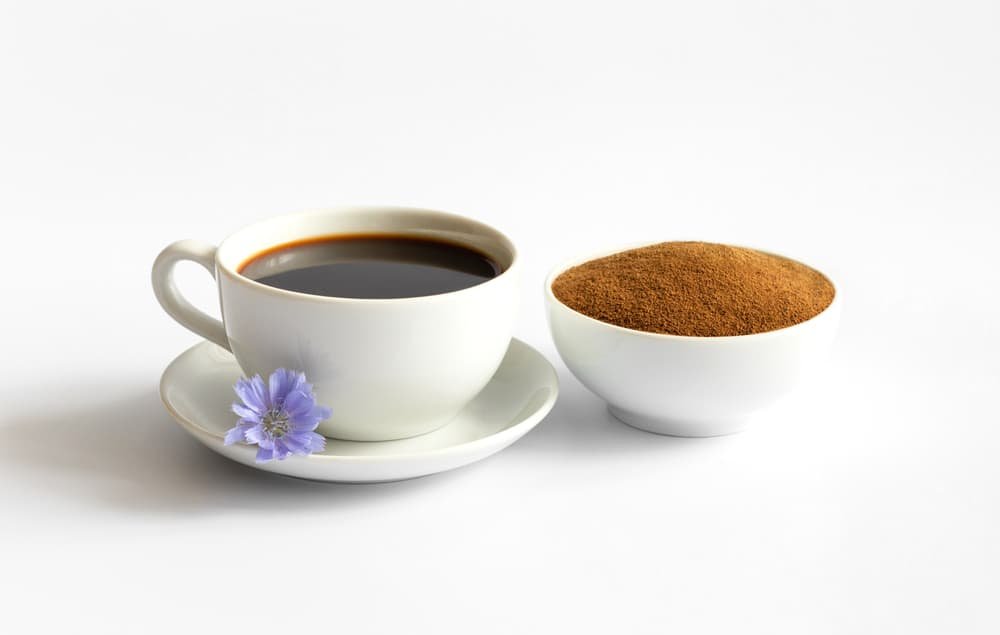
Weight loss: Chicory’s inulin fiber, paired with certain probiotics, genuinely improved weight management in one Italian study, per the European Review for Medical and Pharmacological Sciences.
Pros: widely available, caffeine-free, inexpensive. Cons: potential allergic reactions; not recommended during pregnancy.
Brew it like regular coffee — machine, French press, or pour-over. A small bag typically costs under $10.
Matcha
Japanese for “ground tea,” matcha comes from the same plant as other teas (Camellia sinensis), but careful cultivation makes it especially nutrient-dense. Premium grade is best for everyday use.
Matcha’s caffeine releases more gradually than coffee’s, offering steadier, longer-lasting alertness. It’s also genuinely rich in antioxidants — a 2020 Japanese study in Foods found it has the highest antioxidant content of any tea studied.
Weight loss: A 2020 Italian review in Nutrients recommends green tea’s epigallocatechin as part of a weight management plan — interestingly, the same study also recommends daily coffee.
Pros: widely available, versatile (hot or cold), well-researched. Cons: different taste/appearance than coffee; quality matcha can be pricey.
Sift the powder, whisk with hot water, and enjoy. Quality varies significantly by price, similar to wine.
Golden Milk
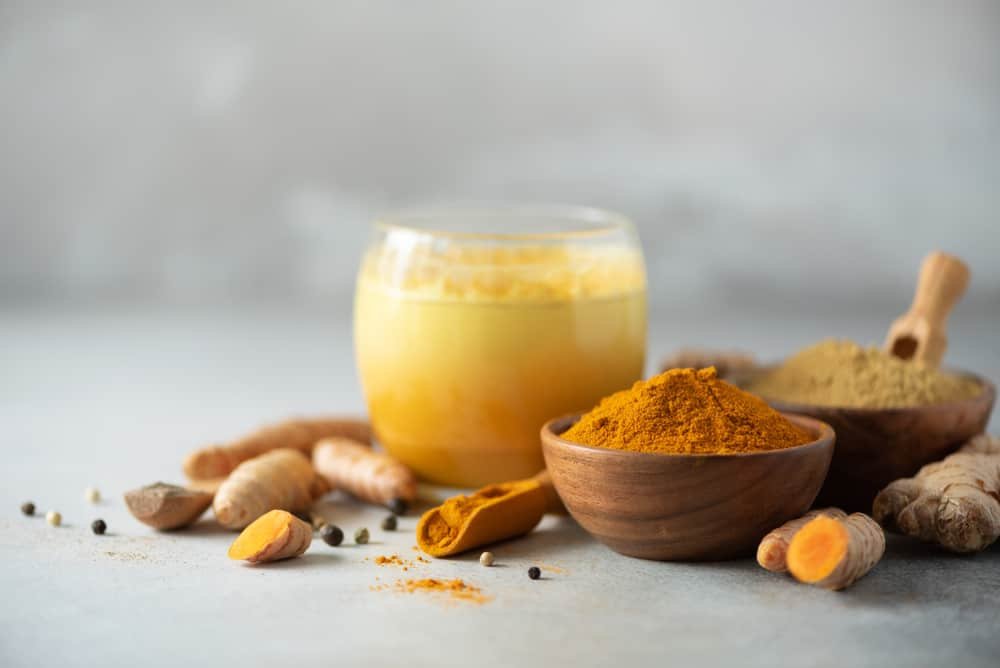
Rooted in Ayurvedic tradition (“haldi doodh” in India), this bright yellow drink combines turmeric and milk (dairy or plant-based). It won’t provide coffee’s alertness, but the curcumin in turmeric carries genuine antioxidant and anti-inflammatory benefits, per a Michigan University review in Foods.
Weight loss: Curcumin has been shown to boost weight loss by 1.88-4.91% among dieters, per the European Review for Medicinal and Pharmacological Sciences.
Pros: contains turmeric, homemade-friendly, caffeine-free. Cons: different from coffee in taste and effect.
Heat ½ cup milk with 1 tsp turmeric, simmering 10+ minutes. Cinnamon, ginger, and honey are popular additions. Pre-made options run $15-$50 online.
Yerba Mate
South America’s answer to coffee and tea — a somewhat bitter, green-tea-like beverage made from dried, steeped yerba mate leaves. A 2020 Polish study in the Annals of Agricultural and Environmental Medicine confirms genuine health benefits, though more research on potential carcinogens is still needed.
It contains less caffeine than coffee, with many fans reporting alertness without the typical jitters or sleep disruption.
Weight loss: Animal research in Planta Medica found genuine weight-loss effects.
Pros: lower caffeine, high antioxidants, weight-loss potential. Cons: distinct taste; research still developing.
Traditionally sipped through a metal straw (bombilla) from a gourd, resteeped multiple times throughout the day. A one-pound bag runs about $15.
Chai

India’s spiced tea blend — typically black tea, cinnamon, ginger, cloves, cardamom, star anise, and fennel. Many of these spices carry genuine benefits: ginger eases nausea, and cardamom shows anti-inflammatory properties per the Journal of Medicinal Food.
Chai’s caffeine content is lower than coffee’s, making it a reasonable middle-ground option.
Weight loss: Chai’s cinnamon is a genuine antimicrobial rich in antioxidants, per Evidence-based Complementary and Alternative Medicine — though added sweeteners can offset benefits.
Pros: customizable, popular flavor, homemade-friendly. Cons: different taste than coffee; benefits vary by blend quality.
Simmer spices in milk and water to steep. A coffee-shop chai latte runs $5-10; homemade and store-bought options vary widely in quality.
Chaga Mushroom Coffee
Made from Inonotus obliquus, a woody fungus found in Northern Hemisphere birch forests, often blended with reishi, lion’s mane, or cordyceps, then dried and ground.
Chaga contains adaptogens — natural stress-response compounds. Per a Swedish study in Pharmaceuticals, adaptogens genuinely support mental capacity and reduce fatigue, though similar benefits may come from simply eating mushrooms regularly. Many drinkers note it genuinely tastes like coffee, with lower caffeine.
Weight loss: Japanese research found a possible link between chaga and weight loss, per Heliyon.
Pros: coffee-like taste, preliminary health benefits, caffeine-free. Cons: limited research; pricier than most alternatives.
Brew 2-3 teaspoons per cup in a French press, or stir a teaspoon into regular coffee. Starting price is around $25.
Cacao
Distinct from processed cocoa powder, cacao retains more of its natural beneficial compounds. Brewed cacao has a dark chocolate aroma — some love it, others find it weak compared to coffee.
Unlike coffee’s caffeine, cacao’s stimulant compound doesn’t appear to cause insomnia or anxiety, confirmed by research in Nutrients — supporting genuine focus and energy without coffee’s typical downsides.
Weight loss: A 2013 review in the Netherlands Journal of Medicine notes cacao’s bitterness often leads to added sugar, and meaningful amounts are needed for any effect — likely offsetting genuine weight-loss benefit.
Pros: low, gentle caffeine; coffee-like effects. Cons: can taste weak; inconsistent availability.
Steep 2 tablespoons in a French press with boiling water for 5-7 minutes. Pricing and availability fluctuate online.
Roasted Fig Coffee
Popular in Mediterranean regions, “coffig” is made from roasted, ground figs, brewed just like regular it. Figs act as a mild natural laxative in traditional Indian medicine, per Evidence-Based Complementary and Alternative Medicine, and carry genuinely high antioxidant content, per BMC Complementary Medicine.
Weight loss: No conclusive research currently links roasted fig to weight loss specifically.
Pros: caffeine-free; visually similar to it. Cons: limited research, pricier, inconsistent supply, tricky to brew well.
Brew like standard it. Available via Amazon or coffig.com — a 1lb bag runs around $45.95.
Dandelion Root

Made from chopped, dried, roasted dandelion root — steeped like tea rather than brewed. It genuinely resembles it in look and taste, though finding the right ratio takes some experimentation.
Weight loss: A 2013 review in EXCLI Journal found dandelion root reduced weight in overweight mice — a promising but preliminary finding requiring more research.
Pros: caffeine-free, it-like taste, contains antioxidants. Cons: can be pricey.
Simmer water and dandelion root 5 minutes, then strain through a fine-mesh strainer. Add chicory, cinnamon, honey, or cream if desired. Starter packs run up to $50.
Garbanzo Bean Coffee
Made from roasted, ground chickpeas, brewed in a percolator for a genuinely it-like result. It’s caffeine-free, making it a solid option for those avoiding stimulants entirely.
Weight loss: A 2013 study in Nutrients found chickpeas may genuinely support weight management and glucose/insulin regulation — though this research examined whole chickpeas, not the roasted it form specifically.
Pros: caffeine-free, homemade option available, fiber source. Cons: store-bought versions cost more than it.
Brew via percolator, French press, or boil-and-strain. Store-bought options run just under $20.
Barley Coffee

Italian in origin (“orzo”), made from roasted ground grains — traditionally a it substitute for children. Often blended with chicory. It shares it’s earthy, nutty character without the bitterness, and it’s caffeine-free with genuine soluble fiber content.
Weight loss: Research in the Journal of Food and Drug Analysis found barley’s phytochemicals may help moderate the oxidative stress linked to obesity, though more research is needed to confirm broader effects.
Pros: inexpensive, caffeine-free, no bitterness, fiber-rich. Cons: excessive intake may cause bloating.
Available as roasted grounds, packets, or instant mix — brew via it maker, espresso method, or saucepan-and-strain. Typically found in the supermarket it aisle for less than online options.
The Last Word on Coffee Alternatives
While some of these substitutes carry genuinely promising research, many still lack the extensive scientific backing it itself has — and in several cases, eating the whole food source may deliver comparable or better benefits than the brewed version. There’s no single perfect replacement: some options remove caffeine but sacrifice alertness, others deliver real health benefits but fall short on taste, and budget factors into the decision too. Consider your personal preferences, health considerations, and goals — and as with any dietary change, particularly for pregnant individuals, it’s worth checking with a healthcare provider before making a switch.
Explore more Health Articles reviews and guides on our site.