
The Faults of Restrictive Dieting
If you’re struggling to lose weight, you’re genuinely not alone — countless people wrestle with eating healthy and exercising consistently. Ultimately, weight loss comes down to burning more calories than you consume, and the most direct route is reducing daily calorie intake — the core goal behind most diets. Table of content What Is Restrictive […]

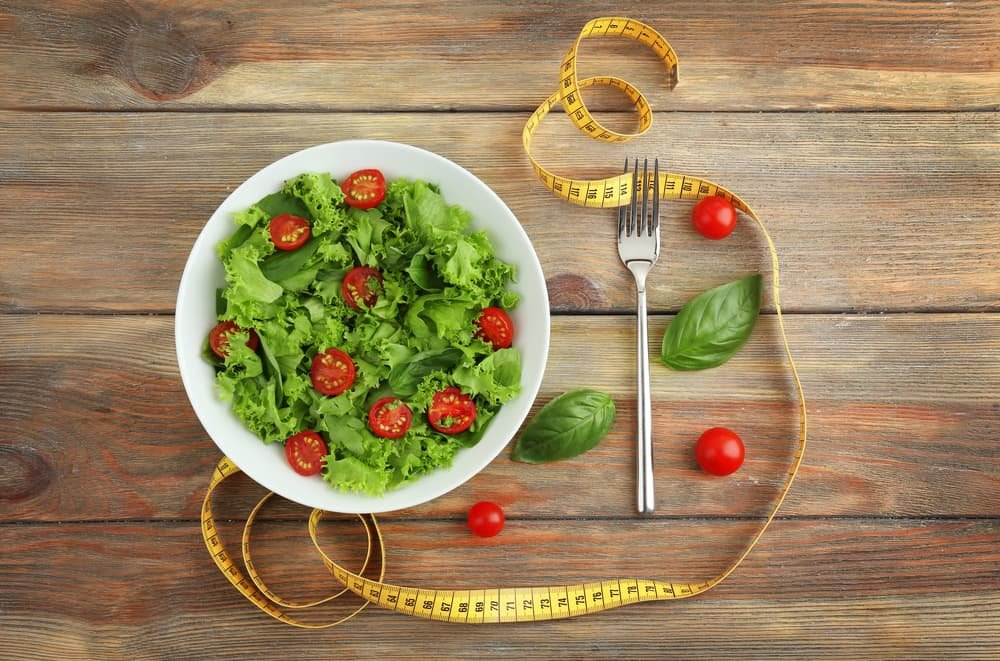
If you’re struggling to lose weight, you’re genuinely not alone — countless people wrestle with eating healthy and exercising consistently. Ultimately, weight loss comes down to burning more calories than you consume, and the most direct route is reducing daily calorie intake — the core goal behind most diets.
Dieting usually means cutting back on fats, simple sugars, and processed foods, which naturally reduces calorie intake. But it’s possible to take this too far. In trying to eliminate unhealthy calories, some people end up restricting healthy ones too — a pattern known as restrictive dieting, which carries real risks worth understanding.
What Is Restrictive Dieting?
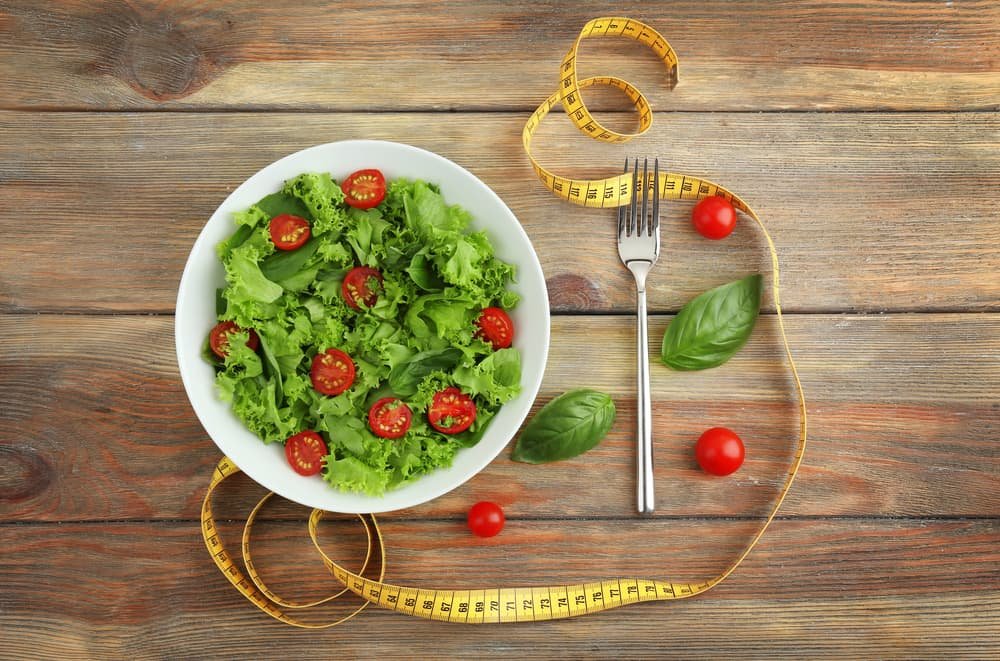
Restrictive dieting refers to intentionally limiting calories, entire food groups, or other dietary elements. While reducing calorie intake is genuinely necessary for weight loss, going too far can trigger serious physical health problems along with real mental and emotional strain. Weighing the benefits against the potential drawbacks before committing to any diet is worth doing carefully.
Examples of Restrictive Dieting
The Cabbage Soup Diet
This extreme, week-long plan revolves around eating as much cabbage soup as possible. It’s essentially a starvation diet designed to shed water weight quickly — with little lasting benefit and significant digestive discomfort along the way.
The Grapefruit Diet
A relic of 1980s fad dieting, this plan limited intake to about 800 calories daily — well below the standard 2,000-calorie target — built around half a grapefruit before each meal and unlimited black coffee. It proved both hard to sustain and unnecessarily restrictive.
The Master Cleanse
An entirely liquid diet built on a cayenne pepper, maple syrup, and lemon concoction consumed roughly a dozen times daily, paired with regular laxative use. Beyond being uncomfortable and hard to follow, it carries genuine safety concerns — the digestive system still has to work to absorb nutrients, liquid or not.
These are extreme examples, but even milder forms of restrictive dieting carry real risks worth understanding before choosing a plan.
Restrictive Dieting Can Harm Your Metabolism
The body needs a baseline number of calories daily to function, according to the American Journal of Clinical Nutrition — covering your basal metabolic rate (organ function), digestion, and physical activity. Eat more than you burn, and you gain weight; eat less, and you lose it — but if your metabolic rate drops in response, you may end up burning fewer calories even while eating less.
One study in Obesity (Silver Spring) found unduly low calorie intake can reduce calorie burn by nearly 25% — and per the International Journal of Obesity, this slowed metabolism can persist well after the diet ends, helping explain why so many people regain weight afterward.
Muscle loss is a key driver here — restrictive diets often skimp on protein since it’s relatively calorie-dense, leading to muscle loss per the Journal of the International Society of Sports Nutrition. Since muscle burns significant calories daily, preserving lean mass — ideally through a modest protein boost paired with resistance training, per the American Journal of Clinical Nutrition — is genuinely key to keeping your metabolism from slowing down.
Restrictive Dieting Can Trigger Emotional Instability

Restrictive eating is linked to genuine emotional volatility — rapid swings between euphoria, sadness, anger, and anxiety. Undereating can trigger blood sugar spikes as the body breaks down its own reserves, driving quick mood shifts from energy to fatigue.
The stress of restriction itself takes a toll too, sometimes contributing to depression symptoms — trouble sleeping, loss of interest in favorite activities, unwarranted guilt, strained relationships, or in severe cases, suicidal thoughts. Anxiety is common as well, often tied to appearance-focused concerns that restrictive dieting can intensify. Prioritizing emotional health means steering clear of overly restrictive approaches.
Restrictive Dieting Can Reduce Fertility
Both men and women can experience reduced fertility from restrictive dieting, though the effect is especially significant for women, since ovulation depends on healthy estrogen and luteinizing hormone patterns, per the Journal of Applied Physiology. Research in The Journal of Clinical Endocrinology and Metabolism confirms calorie restriction disrupts luteinizing hormone cycles, and a study in the American Journal of Physiology found reproductive function directly impacted at just 20-40% calorie reduction. Dropping estrogen levels also affects bone and heart health more broadly, per research in the Journal of Clinical Endocrinology and Metabolism and the American Journal of Physiology.
Restrictive Dieting Can Weaken Bones

Estrogen and testosterone play meaningful roles in bone strength, much like the fracture risk that rises after menopause. Restrictive dieting can similarly reduce production of these hormones, weakening bones over time. Chronic dieting stress may also drive the body to pull calcium directly from bone stores, per research in Metabolism — and since bone density loss can be irreversible, this is a genuinely lasting risk worth taking seriously.
You May Get Sick More Often
Restrictive dieting can weaken immune function, raising infection risk. Studies on athletes in appearance-focused sports like diving and gymnastics found those practicing restrictive dieting were more than twice as likely to get sick within a three-month window, per the Clinical Journal of Sport Medicine, with similar results confirmed among martial arts athletes in the British Journal of Sports Medicine. Since immune cell production depends on adequate nutrients, cutting out entire food groups genuinely compromises the body’s ability to fight off infection.
Restrictive Dieting Can Cause Vitamin and Mineral Deficiencies
Cutting entire food groups often means missing key nutrients: B12 (red blood cell production, mainly from animal products), protein (hair, nails, muscle mass), calcium (bone strength, often cut alongside dairy), thiamin and biotin (skin, hair, muscle health), vitamin A (immunity and eye health), and magnesium (heart rhythm, muscle function, migraines). A well-rounded diet is genuinely essential to avoiding these deficiencies and the long-term health consequences they can bring.
Restrictive Dieting Can Increase Stress

Constant calorie-counting takes a real psychological toll — second-guessing every ingredient, worrying about hitting daily targets. Chronic stress from this kind of hypervigilance can trigger headaches, acid reflux, worsened mental health, weakened immunity, unhealthy blood sugar spikes, and elevated blood pressure. It’s worth genuinely weighing whether the stress of restrictive dieting outweighs its benefits.
Restrictive Dieting Can Cause Extreme Fatigue
The brain needs adequate nutrients — including carbohydrates — to function properly. Overly restricting carbs, particularly to the point of ketone production, is linked to genuine fatigue, per the Journal of the American Dietetic Association. Rather than avoiding carbs entirely, targeting complex carbohydrates over refined sugar gives the brain sustained energy while requiring more effort to digest — helping avoid the blood sugar spikes tied to mood swings and metabolic strain.
Steer Clear of Restrictive Dieting

Reducing calorie intake and increasing activity remains essential for weight loss — but there’s a healthy way to do it, and restrictive dieting isn’t it. Cutting entire food groups risks serious, long-term physical, emotional, and mental health consequences. Instead of fixating purely on calorie counts, focus on calorie quality — complex carbohydrates, lean protein, and nutrient-dense fruits and vegetables — paired with regular exercise for a genuinely comprehensive, sustainable approach to weight loss.
Explore more Health Articles reviews and guides on our site.