
The Dynamic Duo: Health Benefits of Cauliflower and Broccoli
Vegetables earn their reputation for good reason — regular intake is genuinely linked to a lower risk of several chronic health conditions, largely thanks to the nutrient density they bring to the table. Table of content What Are Cauliflower and Broccoli? Nutritional Value of Cauliflower Health Benefits of Cauliflower How to Prepare Cauliflower Nutritional Value […]

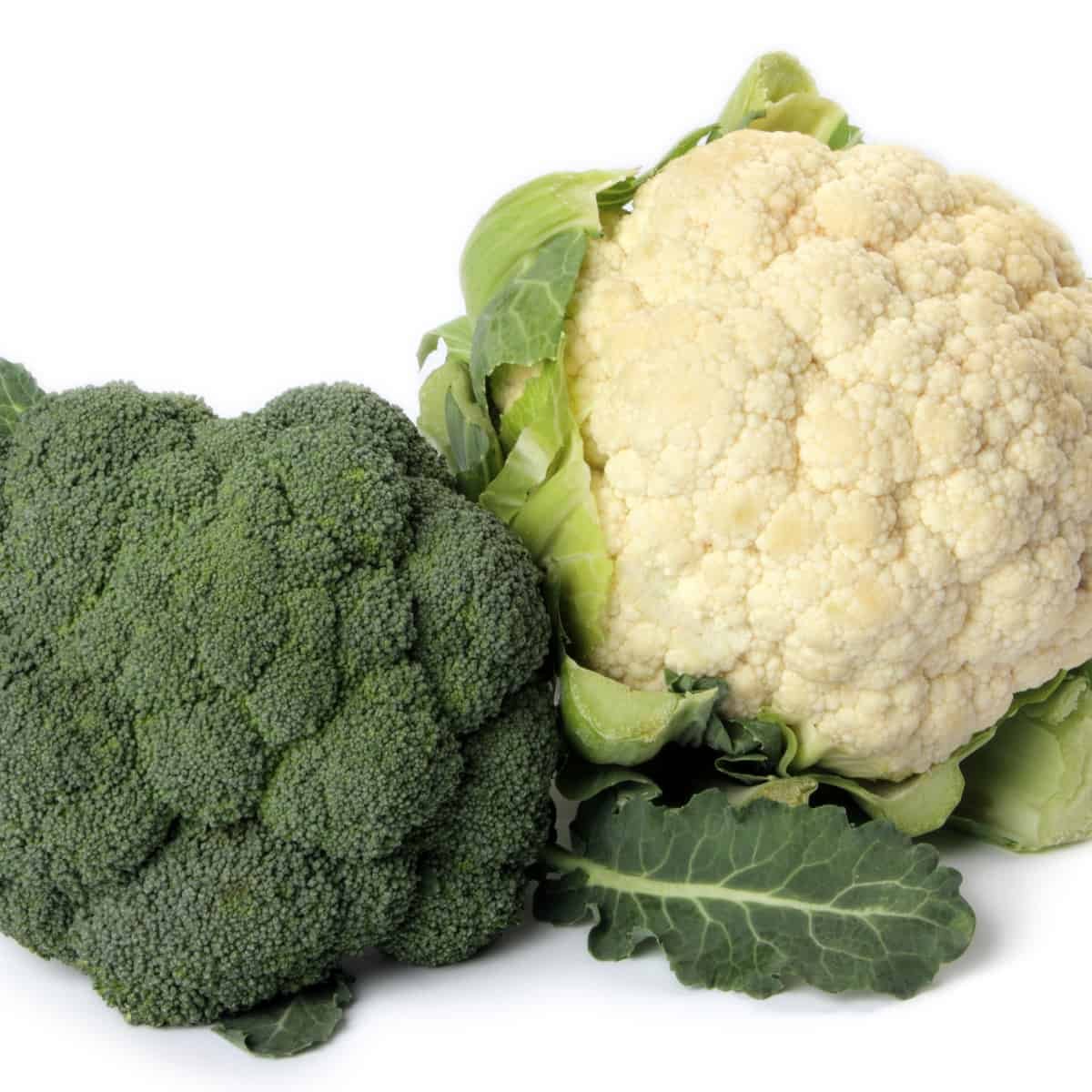
Vegetables earn their reputation for good reason — regular intake is genuinely linked to a lower risk of several chronic health conditions, largely thanks to the nutrient density they bring to the table.
This article focuses on two standout cruciferous vegetables — cauliflower and broccoli — and the specific ways each supports the body.
What Are Cauliflower and Broccoli?
Cauliflower belongs to the cabbage family and traces back to the 12th–16th century, once nicknamed “the Snow Flower.” Botanist John Gerard first used the English term in 1597.
Broccoli, also cruciferous, is technically a human-bred crop, developed from wild cabbage. Its name comes from an Italian word meaning “arm,” and it’s now grown and eaten worldwide.
Nutritional Value of Cauliflower
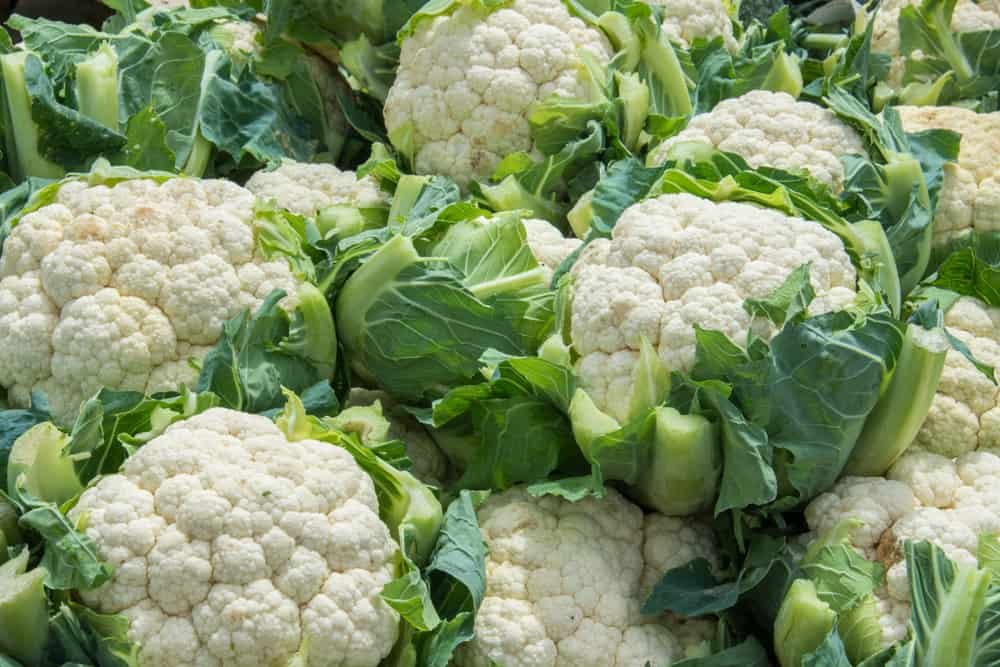
Per the USDA, one cup (107g) of raw chopped cauliflower contains 27 calories, 24mg calcium, 47g phosphorus, 320mg potassium, 61mcg folate, 0.197mcg vitamin B6, 16mg magnesium, 5g carbs (2g sugar, 2.1g fiber), 52mg vitamin C, 2g protein, and 0.3g fat — plus smaller amounts of niacin, pantothenic acid, iron, and manganese.
Health Benefits of Cauliflower
Anti-Inflammatory Properties
Cauliflower genuinely helps reduce inflammation and combat oxidative stress, per research in the Polish Annals of the National Institute of Hygiene. Its bioactive compounds stimulate detoxification enzymes, support immune function, and scavenge free radicals. Isothiocyanate compounds also slow inflammatory processes and may lower the risk of several chronic issues. One cup delivers roughly 73% of the daily value of vitamin C, supporting immunity along with inflammation control.
Weight Management
At just 27 calories per cup, cauliflower is genuinely hard to overeat calorically, and it works well as a substitute for higher-calorie staples like flour and rice. It’s also a solid fiber source, per Nutrients — supporting satiety and reducing the urge to snack. Swapping cauliflower for legumes and grains genuinely lowers carb intake, and fiber itself has been shown in Nutritional Reviews to help lower obesity-related health risks.
Heart Health
Cauliflower’s vitamin K supports blood clotting and may genuinely lower cardiovascular risk. Regular intake is thought to support healthy circulation and vessel maintenance, partly via sulforaphane — its anti-inflammatory effects are documented in Oxidative Medicine and Cellular Longevity. A second compound, glucoraphanin, similarly supports heart health and helps prevent lipid buildup in blood vessels. A third — isothiocyanate/indole-3-carbinol (I3C) — helps regulate lipid, triglyceride, and cholesterol synthesis, contributing further cardio-protective and anti-thrombotic benefits.
Stronger Bones
Cauliflower’s vitamin C supports collagen production, which protects bones and joints from inflammatory damage. Its vitamin K helps prevent bone loss in both men and women, reduces urinary calcium excretion, boosts intestinal calcium absorption, and modifies bone matrix proteins.
Brain Health
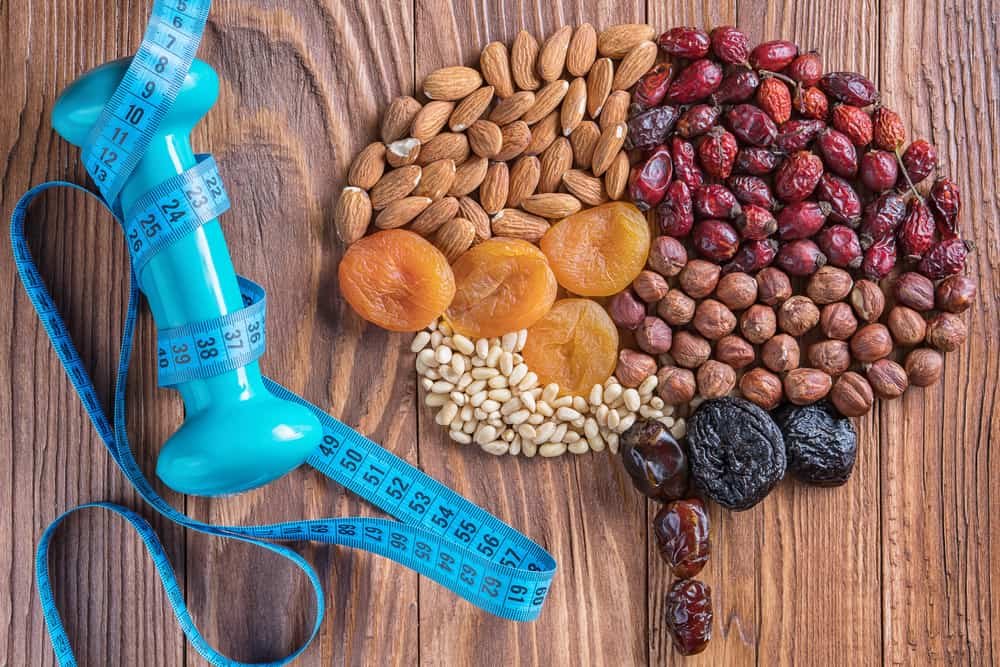
Cauliflower is a genuinely strong source of choline, per Nutrition Reviews — important for brain development. Alongside phosphorus, it helps repair cell membranes and supports learning, memory, and muscle coordination, while also aiding nerve transmission, fat absorption, and inflammation control. Vitamin B6 and potassium together support proper neural communication and neurotransmitter production, including dopamine and norepinephrine. Choline also supports fetal brain development during pregnancy and may reduce age-related cognitive decline, while vitamin K has shown positive effects on cognition and psychomotor function in some studies.
Digestion, Iron Absorption, and Hormonal Balance
Cauliflower’s water and fiber content genuinely support digestive regularity and may ease constipation by increasing bowel movement frequency. Its vitamin C also improves iron absorption from non-heme sources like vegetables and nuts. Additionally, its antioxidants and indol-3-carbinol content support healthier estrogen metabolism, helping avoid the effects of unhealthy estrogen imbalance.
Eye Health
Cauliflower’s vitamin C may help reduce age-related eye issues, and its sulforaphane content helps protect retinal tissue from oxidative damage.
How to Prepare Cauliflower
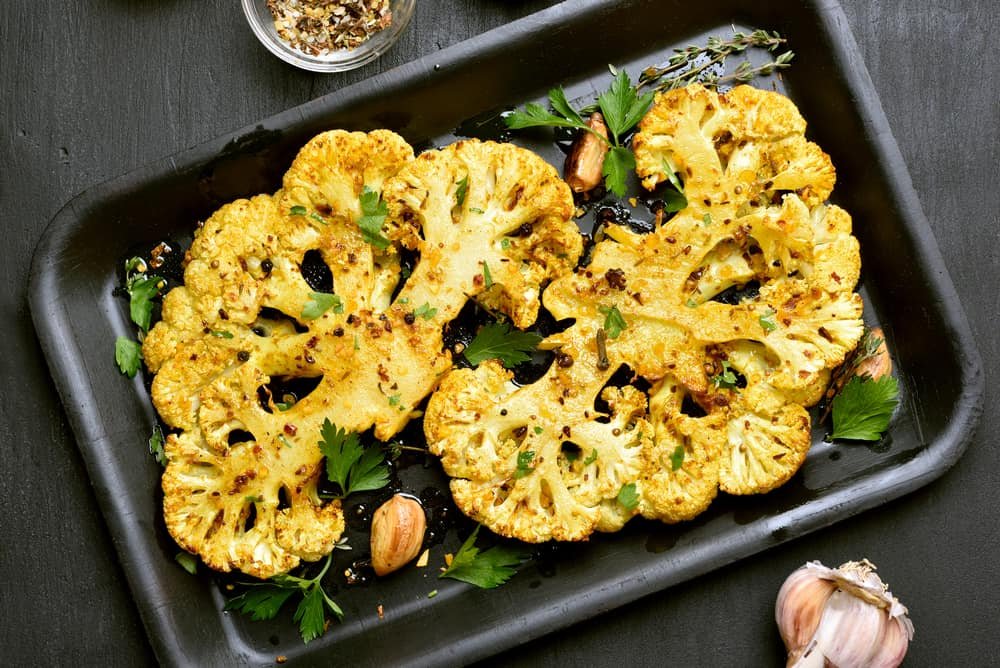
Bake: Chop, toss with olive oil, salt, and spices (garlic, herbs, or parmesan optional), then bake at 450°F for good caramelization.
Steam: Boil 2 inches of water, steam chopped florets 3-8 minutes depending on preferred texture, then finish with salt, pepper, and butter.
Mash: Boil until soft, mash with salt, sour cream, butter, milk, broth, or roasted garlic for a lighter potato alternative.
Grill: Slice into steaks, brush with seasoned olive oil, and grill about 5 minutes per side over medium-high heat.
Roast: Cut into flat-edged pieces for better caramelization, roast at 425°F, turning halfway, for 25-35 minutes until golden.
Nutritional Value of Broccoli
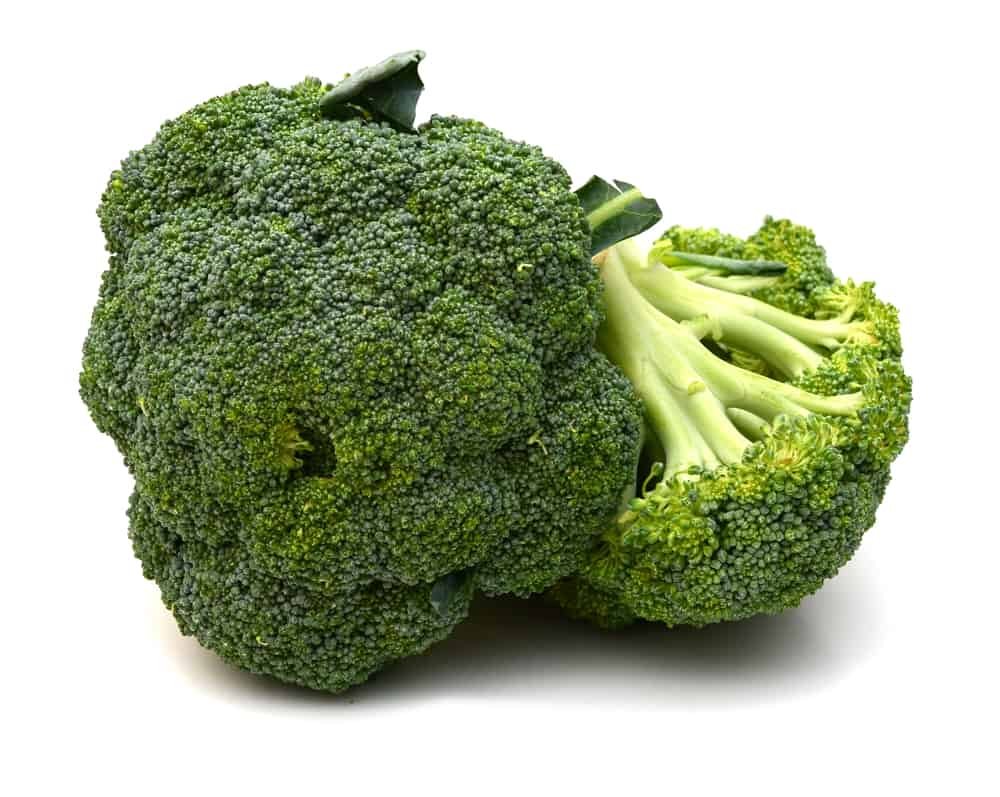
Per the USDA, one cup of raw broccoli contains 31 calories, 0.3g fat, 30mg sodium, 1.5g sugar, 6g carbs, 2.4g fiber, 2.5g protein, 0.65mg iron, 43mg calcium, and 287mg potassium, along with vitamins A, C, E, K, B-vitamins, and folic acid.
Health Benefits of Broccoli
Per Mini-Reviews in Medicinal Chemistry, broccoli ranks among the healthiest vegetables available.
High Antioxidant Levels
Broccoli is loaded with quercetin, beta carotene, lutein, vitamin C, glucarate, sulforaphane, indoles, and glutathione — antioxidants that help protect against oxidative-stress-related conditions, including protecting the retina’s macula from free-radical damage, potentially slowing vision loss and macular degeneration.
Bone Health
Broccoli supports calcium absorption for strong bones, benefiting children’s growth and development along with providing zinc, magnesium, and phosphorus. Its vitamin K content — shown in Molecular Medicine Reports to genuinely boost bone health — is substantial: 100g of broccoli provides 101.6mcg against an 80mcg daily adult target.
Heart Disease Prevention
Broccoli’s folic acid content helps prevent cardiovascular problems, while its lutein acts as an anti-inflammatory that can reduce arterial plaque. Its potassium supports healthy blood pressure, and its low sodium content is a genuine plus for anyone watching intake.
Vision Support

Broccoli’s zeaxanthin and lutein — vitamin A-related phytochemicals — are found in substantial concentrations within the eye itself, supporting long-term vision health.
Digestive Health
Broccoli’s fiber and antioxidants support digestion and healthy bowel function. A 2011 mouse study in Nutrition found reduced colon inflammation and improved gut bacteria on a broccoli-rich diet, and a 2015 human study found regular consumption genuinely eased bowel movement and reduced constipation.
Brain Function
A 2018 American Academy of Neurology study of 960 older adults found even one serving of broccoli was linked to reduced age-related mental decline. Separately, an animal study in PLoS One found kaempferol, a broccoli compound, reduced neural inflammation and brain injury following stroke-like events in mice.
Immune Support
Broccoli’s vitamin C content — 84% of the daily recommended intake per serving — genuinely supports immune defense, strengthening the body’s barrier against pathogens and environmental oxidative stress across both innate and adaptive immunity.
Pregnancy Support
Broccoli’s folate (vitamin B9) content is genuinely important during pregnancy, supporting healthy spinal cord and brain development in the fetus. An animal study in Behavioral Brain Research found broccoli sprouts acted as an effective neuroprotectant in rats, further supporting its developmental value.
How to Prepare Broccoli
Microwave: Add chopped broccoli and a splash of water to a covered container, steam about 3 minutes — watch for scalding steam when removing.
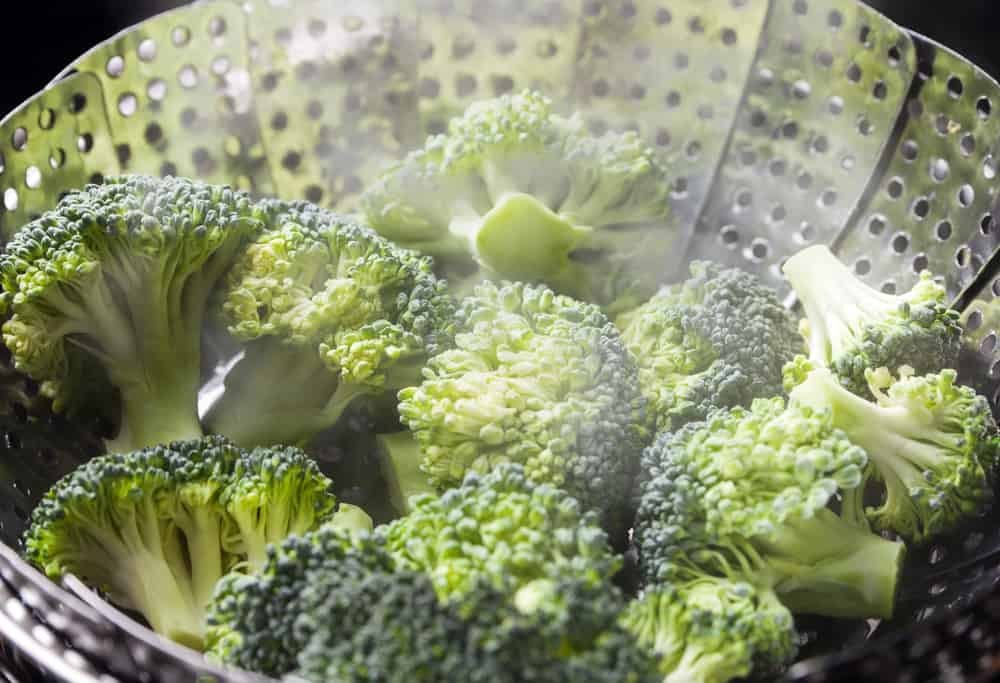
Steam: Heat water first, then steam florets 5-6 minutes depending on size — beyond 7 minutes risks overcooking and dulls the bright green color.
Boil: Wash, trim, and boil florets uncovered 2-3 minutes until tender; season with salt, pepper, butter, and a lemon wedge.
Sauté: Brown briefly in a hot pan, then add a few tablespoons of water or stir-fry sauce, cover, and steam until tender.
Roast: Toss with olive oil, salt, and pepper, roast at 400°F about 18 minutes until tender, and finish with fresh lemon juice.
Bottom Line on Broccoli and Cauliflower
Both vegetables are nutrient-dense, antioxidant-rich additions to any diet — supporting heart health, immune function, brain health, digestion, and vision, among other benefits. They belong in the diet of virtually anyone, regardless of age, gender, or existing health conditions.
Building a diet around nutrient-dense vegetables like these is one of the most reliable, sustainable paths toward long-term weight management — and pairing that habit with a comprehensive, clinically-backed nutrition plan can make the process considerably easier to stick with.
Explore more Health Articles reviews and guides on our site.