Taurine Benefits: 3 Real Facts Backed by Research
Taurine shows up on ingredient labels from energy drinks to weight-loss supplements, but this taurine benefits guide looks past the marketing to what the amino acid actually does — and where the “Japanese longevity nutrient” framing is genuinely supported versus overstated. Table of content How We Researched This Guide Benefits: What Is It? What the […]

Taurine shows up on ingredient labels from energy drinks to weight-loss supplements, but this taurine benefits guide looks past the marketing to what the amino acid actually does — and where the “Japanese longevity nutrient” framing is genuinely supported versus overstated.
How We Researched This Taurine Guide
This guide checked the published research on taurine’s role in stress response, inflammation, obesity, and longevity, distinguishing between animal-study findings and confirmed human evidence.
Taurine Benefits: What Is It?
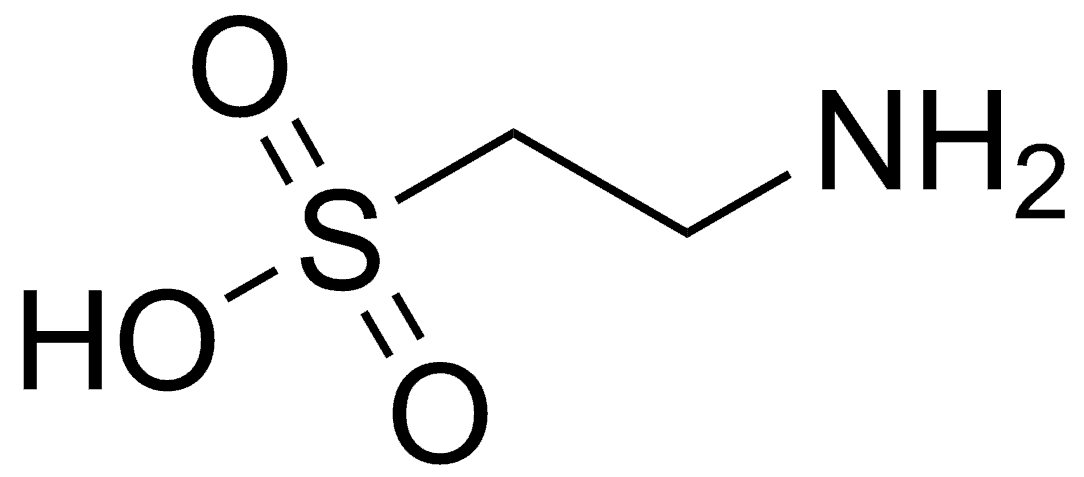
Understanding the real taurine benefits starts with the basics: taurine is an amino sulfonic acid concentrated in blood cells, the heart, retina, and brain. The body produces a small amount on its own, with the rest coming from meat, seafood, and dairy — non-vegetarians typically consume 40–76mg daily through diet alone, while vegetarians and vegans tend to run lower.
What the Research on Taurine Actually Shows
- Journal of Biomedical Science: taurine facilitates GABA, a neurotransmitter that calms the nervous system — a genuine, mechanism-level stress-management link.
- Amino Acids: lower taurine levels are associated with an over-responsive nervous system to stress, which can elevate cortisol and, over time, body fat.
- Research on 3g/day of taurine over seven weeks showed a measurable reduction in body weight — a real, specific finding, though based on a modest study window.
Taurine and Longevity: Separating Signal From Story
The “Japanese longevity nutrition factor” nickname traces back to observational data connecting high taurine intake with the exceptional life expectancy on Japan’s so-called Longevity Island. Animal research found taurine supplementation reduced heart-failure-related mortality by up to 80% in some studies — a striking number, but animal data doesn’t automatically translate to the same effect in humans. The honest read: promising and mechanistically plausible, not proven at the same magnitude in people.
Taurine and Weight/Obesity
Animal studies show taurine has lipid-lowering and anti-obesity effects both alone and combined with other compounds, and appears to improve glucose tolerance. Separately, declining taurine levels have been linked to worsening obesity cycles in mouse models — supplementation appeared to interrupt that cycle in at least one study. This is a genuinely interesting research direction, though again, mostly animal-level evidence so far.

Best Food Sources
it-rich foods include raw meat, brewer’s yeast, krill, seaweed, dairy, eggs, dark chicken meat, lamb, and beef. It’s notably scarce in plant foods, which is why vegetarians and vegans tend to run lower blood it levels and may benefit most from supplementation if they choose to use it.
Who Should Consider Taurine Supplementation
The it benefits discussed above fit vegetarians, vegans, and older adults specifically, since aging bodies tend to produce less it naturally and plant-based diets provide little of it. It’s a lower priority for anyone already eating regular meat, seafood, or dairy, since dietary intake alone usually covers baseline needs.
Taurine Benefits: Frequently Asked Questions
Taurine Benefits: The Bottom Line
The evidence for it benefits is genuinely interesting — real mechanistic links to stress response, some promising animal data on obesity and longevity, and a clear dietary gap for vegetarians and older adults. The “wonder molecule” framing runs ahead of the human evidence in places, particularly on longevity, but the stress-response and dietary-gap arguments are solid enough to make it worth knowing about, especially for plant-based eaters.
Find more Health Articles guides and resources on our site.