Saxenda Review: How It Works, Side Effects & User Results
Prescription weight-loss drugs have become a much bigger part of the conversation around obesity treatment in recent years, and Saxenda was one of the earlier injectable options to gain traction. Here’s what it is, how it works, and what real users are saying about it. Advertisement Table of content What Is ? How Does Work? […]

Prescription weight-loss drugs have become a much bigger part of the conversation around obesity treatment in recent years, and Saxenda was one of the earlier injectable options to gain traction. Here’s what it is, how it works, and what real users are saying about it.

What Is Saxenda?
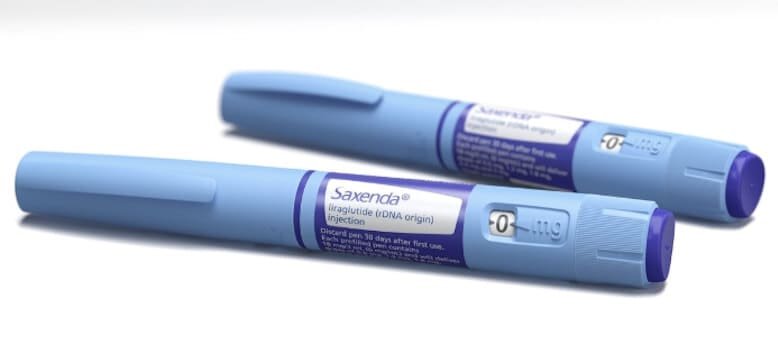
Saxenda is the brand name for liraglutide, an injectable prescription medication approved for chronic weight management. It’s manufactured by Novo Nordisk, the same pharmaceutical company behind several other well-known diabetes and weight-management drugs.

How Does Saxenda Work?
Saxenda works by mimicking a hormone that helps regulate appetite, which in turn helps users feel fuller for longer and reduces overall food intake. It’s administered as a daily self-injection, with the dose typically increased gradually over several weeks to help the body adjust.
Dosing, Side Effects, and Warnings
Like most prescription weight-loss medications, Saxenda comes with a list of potential side effects, including nausea, diarrhea, constipation, and headache, particularly during the initial dose-escalation period. It also carries more serious warnings, including a boxed warning related to thyroid tumors observed in animal studies, and it isn’t appropriate for everyone. Anyone considering Saxenda should have a thorough conversation with their doctor about their personal health history before starting.
What Are Users Saying?
Real-world feedback on Saxenda, including plenty of discussion on forums like Reddit, tends to be mixed. Some users report meaningful weight loss and appetite suppression, while others struggle with the side effects enough to discontinue use. As with most prescription weight-loss drugs, individual results and tolerability vary quite a bit from person to person.
How Saxenda Compares to Other GLP-1 Drugs
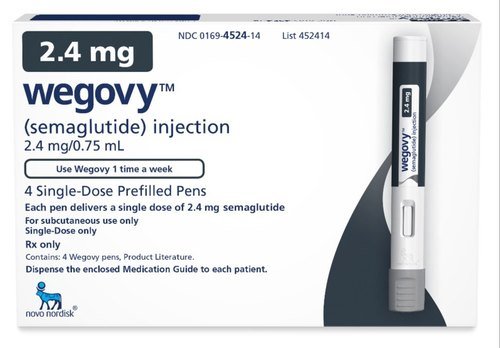
Saxenda belongs to the same broader class of GLP-1 receptor agonist medications as newer drugs like Wegovy and Ozempic, though it requires a daily injection rather than the weekly schedule those newer options use. Clinical results for the newer weekly medications have generally shown somewhat greater average weight loss, but Saxenda remains a well-established option with a long safety track record behind it.
Who Is a Candidate for Saxenda?
it is generally prescribed for adults with a BMI of 30 or higher, or a BMI of 27 or higher accompanied by a weight-related health condition such as high blood pressure or type 2 diabetes. It is not intended for cosmetic or minor weight loss, and a doctor will typically review a patient’s full medical history, including any personal or family history of thyroid cancer, before prescribing it.
Insurance and Cost Considerations
Without insurance coverage, it can run over $1,000 a month, which puts it out of reach for a lot of people who could otherwise benefit from it. Coverage varies significantly by insurance plan, so it is worth checking with your provider and asking your doctor’s office about manufacturer savings programs before assuming the cost is prohibitive.
Getting Started With Saxenda
Starting it involves a gradual dose-escalation schedule over about five weeks, slowly working up to the full maintenance dose to help the body adjust and minimize side effects like nausea. Your doctor will monitor your progress along the way and may adjust the plan depending on how you respond.
Saxenda FAQ
Can it be used for diabetes? it shares its active ingredient, liraglutide, with Victoza, a related drug approved specifically for type 2 diabetes management, though it itself is approved for weight management.
What happens if I stop taking it? Many patients regain some or all of the weight lost after discontinuing the medication unless the underlying diet and lifestyle changes are maintained, which is why doctors typically frame it as a long-term tool rather than a short course of treatment.
The Bottom Line
it can be an effective tool for chronic weight management when prescribed and monitored by a doctor, but it’s a medical intervention, not a quick fix. It works best as part of a broader plan that includes real changes to diet and activity level, under proper medical supervision.
Explore more Prescription Diet Pill reviews and guides on our site.
For general guidance on healthy weight management, see the resources available from the CDC.