Reasons Keto Isn’t Working For You
The ketogenic diet is one of the most popular weight-loss approaches around today. Social media is flooded with keto recipes, product recommendations, and dramatic before-and-after transformation photos. But what happens when the scale won’t budge on keto? Are there real reasons keto isn’t working for you? Advertisement Table of content What Is a Diet? Macronutrients […]

The ketogenic diet is one of the most popular weight-loss approaches around today. Social media is flooded with keto recipes, product recommendations, and dramatic before-and-after transformation photos. But what happens when the scale won’t budge on keto? Are there real reasons keto isn’t working for you?
Yes — there are several reasons you might not be losing weight on keto, but first it helps to understand how the diet actually works.
What Is a Keto Diet?
Ketogenic eating has been used for centuries to manage a variety of medical conditions, most often to improve focus and cognition. “The origins of ketogenic medicine may date back to ancient Greece.” (Brain Sciences)
There’s also a documented link between reduced carb intake and fewer epileptic seizures, and that connection is part of what indirectly fueled keto’s popularity. (Journal of Postgraduate Medicine)
At the core of the benefit for people with epilepsy is the fact that the brain can run on ketones for fuel. That same mechanism, shown to help control seizures, has also been linked to weight loss, since the brain taps an alternative fuel source once the body enters ketosis instead of relying on carbohydrates.
A keto diet reduces carbohydrate intake while increasing fat intake, shifting the body from burning carbs for energy to burning fat instead. The emphasis on carbs and fat exists because once carbs are largely removed from the diet, the body turns to stored fat for fuel — and burning through that stored fat is what drives the weight loss.
Quick Recap: “A ketogenic diet primarily consists of high-fats, moderate-proteins, and very-low-carbohydrates. The dietary macronutrients are divided into approximately 55% to 60% fat, 30% to 35% protein, and 5% to 10% carbohydrates. Specifically, in a 2000 kcal per day diet, carbohydrates amount to up to 20 to 50 g per day.” (StatPearls – Ketogenic Diet)
Macronutrients and Ketosis
There are several versions of the keto diet, but the most common is the 75/20/5 method, where calories break down roughly as:
- 75% of calories from fat
- 20% of calories from protein
- 5% of calories from carbohydrates
Other paths to ketosis exist too, including capping carbs under 50 grams a day with most calories coming from fat — the general approach behind many low-carb diets, though the first few weeks may call for dropping carbs below 20 grams.
On a 2000-calorie diet, that typically breaks down to roughly 1500 calories from fat (about 10 tablespoons), 400 calories from protein (about two 3-ounce servings of meat or a high-protein alternative), and 100 calories from carbohydrates, usually from plant sources.
Quick Recap: At least 70% to 75% of daily calories need to come from fat on a ketogenic diet.
Micronutrients and Ketosis
Macronutrients aren’t the only piece of the puzzle — micronutrients matter too, on keto just as on any other diet.
When you’re changing your eating pattern to lose weight, you still need a wide range of foods to supply the vitamins, minerals, and other micronutrients the body needs. Research suggests that all restrictive diets, low-carb ones included, can meaningfully shift micronutrient levels, and deficiencies can lead to a range of health problems. (Journal of the International Society of Sports Nutrition)
Additional research points to the need for careful attention to micronutrient intake, especially for anyone following keto for 12 weeks or longer. (Nutrition)
Quick Recap: Low-carb, ketogenic diets tend to fall short on certain vitamins, especially the B vitamins. A multivitamin can help fill in the gaps.
How Does the Keto Diet Differ From a Low-Carb Diet?
Keto and low-carb diets both rely on fat and protein to push the body toward ketosis, but there’s a real distinction between the two. On a low-carb diet, daily carb intake often runs 50 grams or more — roughly 200+ calories. Fat typically makes up about 70% of calories, with protein filling in the rest. On that same 2000-calorie diet, that means around 1400 calories from fat, 400 from protein, and 200 from carbohydrates.
Quick Recap: Keto calls for even more fat than a standard low-carb diet.
Why Can’t I Lose Weight on Keto?
Even though keto is often held up by its followers as the ultimate weight-loss solution, plenty of people hit stalls or struggle to reach ketosis at all. Here are the factors worth examining if keto isn’t working for you:
Not eating enough fat. Without enough fat to push the body into ketosis, you may actually gain weight instead of losing it.
Overeating fat. It’s entirely possible to overdo fat on keto. Fat carries nine calories per gram, so 100 grams a day adds up to 900 calories fast — easily hit with something like a bacon cheeseburger. Yes, fat and protein should dominate your intake over carbs, but too much fat still works against you.
Never actually reaching ketosis. This ties directly to fat intake — if the body never fully switches to burning fat for fuel, weight loss won’t follow. Given how fat-heavy the diet is, staying outside of ketosis actually raises the risk of weight gain.
Overeating protein. The body converts excess protein into carbohydrates for storage. Too much protein makes it difficult to reach or maintain ketosis, since those extra amino acids get converted into glucose — which can spike hunger and lower blood ketone levels. (Diabetes)
Eating too many carbohydrates. Fat and protein matter, but carbs are really the deciding factor. Carb intake needs to drop dramatically to trigger ketosis and fat loss, and it varies a lot depending on food choices — low-fat or fat-free products often carry more sugar and carbs than their full-fat counterparts. (Nutrition)
Hidden carbs you didn’t account for. Not every carb shows up on a label — products with fewer than one gram per serving aren’t legally required to list it. That sounds trivial until you add up two cups of coffee with five packets of artificial sweetener, which is roughly 10 grams of carbs. On a standard keto plan allowing just 100 calories from carbs a day, those sweetener packets alone eat up 40 of them, leaving only about 15 grams of carbs for the rest of the day. Common hidden-carb culprits include sauces, condiments, “sugar-free” sweeteners containing dextrose or maltodextrin, and starchy vegetables like sweet potatoes and carrots.
Eating too many total calories. A common keto myth is that calories don’t matter as long as you’re hitting your macros. That’s simply not true. Someone eating 3,000 or 4,000 calories a day, even mostly from fat, isn’t likely to lose weight. Many keto-friendly foods are calorie-dense precisely because they’re loaded with fat.
Not moving enough. Exercise supports fat loss and helps prevent weight regain. On keto, physical activity burns through the limited carbs you do consume first, since carbs remain the body’s preferred fuel source — only after that does the body shift into fat-burning mode. Skipping activity altogether also hurts overall health, including bone density. (BioMed Research International)
Not getting enough fiber. Keto diets are notorious for causing constipation, which makes hydration and fiber intake especially important. Research links low-fiber eating to broader health issues in both directions. (Endocrine)
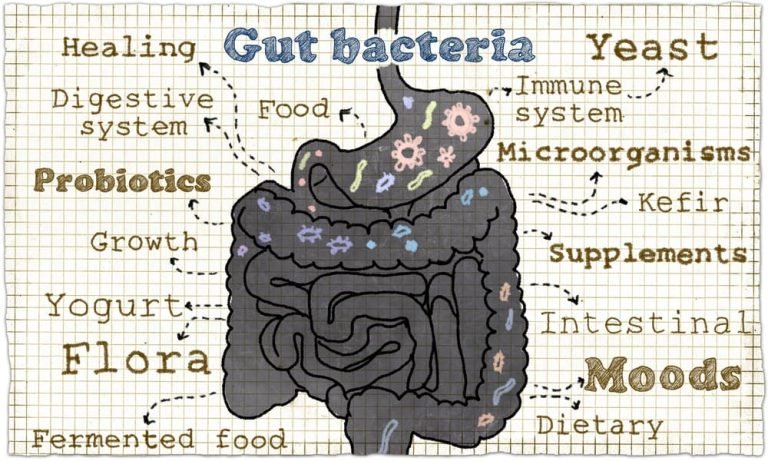
Reduced fiber intake can also shrink the population of fiber-consuming gut bacteria, which may negatively affect health through the gut microbiome. (NPJ Biofilms and Microbiomes)
What does gut health have to do with weight loss? Because keto tends to be light on probiotics, gut health can take a hit — and fitting in probiotic-rich foods gets tricky when only 5% of your calories can come from carbs. (Nutrition Today)
Drinking too much alcohol. The body processes alcohol before fat. At seven calories per gram, a few drinks add up quickly, and they can also pull you out of ketosis or keep you from going deep enough into it, stalling weight loss. (The Journal of Clinical Investigation)
Dealing with side effects. Bad breath, constipation, flu-like symptoms, low energy, and muscle cramps are all possible on keto. These symptoms alone push plenty of people away from low-carb eating just to escape them — “keto flu” is one of the most common reasons people abandon the diet. (IJMR)
An underlying medical condition. Various health conditions can affect weight loss and maintenance. Prediabetes, for example, can alter blood glucose levels in ways that shift hunger and thirst signals — and thirst is often mistaken for hunger, leading to overeating when what the body actually needs is fluids. (Physiology and Behavior)
Not being mentally ready. Mindset matters. Research shows a “health mindset” is genuinely important for successful weight loss. Keto is a demanding, restrictive diet, and if your head isn’t in the right place to take on that kind of change, it’s unlikely to stick. (International Journal of Obesity)
Overdoing processed keto sweets. Sugar alcohols don’t spike blood glucose much, but they’re linked to increased hunger in some people — and these treats, though technically it-friendly, are often calorie-dense. It’s the same lesson again: even on it, calories still count. Those “safe” sweet snacks may be quietly stalling your progress.
Overeating cheese. Cheese is a it staple, easy to pile onto nearly any low-carb meal, but portion sizes sneak up fast. Weigh it out — four ounces a day is a reasonable ceiling, and that alone is over 400 calories. As with everything else on this list, too many calories, even from it-approved foods, will stall weight loss.
Yo-yoing in and out of it. It’s normal to want a break now and then, but frequently hopping off and back onto it works against you. It can take up to three days for the body to shift from burning carbs to burning fat, and each time you fall out of itsis, you lose that fat-burning state and restart the process — flu symptoms included.
Staying on it too long. it isn’t meant to be a permanent eating style. Most people follow it for up to 12 weeks before transitioning to a higher-carb, lower-fat approach to maintain their results. Staying in itsis too long can lead to a plateau that feels impossible to break through.
Ketogenic Diets May Not Be the Real Cause of Improved Health
Interestingly, some of the health benefits credited to it may actually come from the weight loss itself, not the diet’s specific mechanics. (Trials)
Research Shows Keto Isn’t Necessarily More Effective Than Other Options
PLoS Medicine: Eliminating an entire food group, as low-carb it diets do, can carry real health downsides.
Harvard Health – Harvard Medical School: it may accelerate early weight loss, but research shows that advantage tends to fade over time.
Medical Clinics of North America: it is often tied to rapid initial weight loss, but research shows losing weight too quickly tends to trigger plateaus and steady weight regain.
British Journal of Nutrition: While low-carb it diets can drive short-term weight loss, research finds little long-term difference between cutting carbs and not cutting them.
Journal of the American Medical Association (JAMA): JAMA sums it up well: “Significant weight loss was observed with any low-carbohydrate or low-fat diet. Weight loss differences between individual named diets were small.”
A Better Alternative to a Ketogenic Diet
If it isn’t delivering results for you, there are other proven paths forward. Losing weight doesn’t require restrictive meal plans — you can still eat the foods you enjoy and make real progress. What matters most for healthy, lasting weight loss?
Nutrient-rich foods. Extreme low-carb plans like it don’t leave much room for plant-based carbohydrates. When you only have 20 carbs to spend for the whole day, “spending” them on starchy vegetables like yams, sweet potatoes, and carrots can feel wasteful. One medium sweet potato alone supplies about 26 grams of carbs and roughly 124 calories — a low calorie count, but enough to use up your entire daily carb budget. These orange vegetables also tend to be rich in vitamin A.
Beets are another standout, rich in calcium, vitamin A, potassium, and folate. A cup of raw beets has about 13 grams of carbs but only 52 calories.
Corn brings plenty of vitamin C and a natural sweetness that can satisfy a sugar craving, though it runs higher in carbs — about 25 grams per two-thirds cup, or 100 calories per serving.
Drinking more water. Downing 16 ounces of water before meals is linked to greater weight loss, largely through appetite suppression — a stomach already holding that much liquid has less room for large portions. (Obesity)
Other research states plainly that “drinking water may promote weight loss in overweight” individuals. (Obesity)
Moving more. There’s no shortage of research linking exercise to weight loss. Physical activity raises the number of calories the body burns, both during and after a workout, and it also boosts mood — and a better mood tends to lead to better decisions around eating.
Even when exercise doesn’t directly drive weight loss, it still delivers real health benefits. “Numerous health benefits [that] occur from [physical activity] in the absence of weight loss.” (PCD)
Benefits of a Ketogenic Diet
Not all it research is negative — some benefits are worth acknowledging. High-fat, low-carb diets have been shown to reduce appetite and the likelihood of food addiction and obesity, along with offering neuroprotective effects. (Frontiers in Nutrition)
Beyond that, it diets have also been linked to potential improvements in:
- Acne
- Respiratory complications (European Journal of Clinical Nutrition)
- Energy levels
- Overall well-being
- Inflammation
- Muscle recovery (Journal of the International Society of Sports Nutrition)
The Bottom Line on Why Keto Isn’t Working For You
No diet works for absolutely everyone, though it is a somewhat unique case. For centuries, it’s been used to support health and manage medical conditions ranging from obesity to epilepsy.
There’s genuine supportive research showing that itsis can help with weight loss, blood glucose balance, and how you feel day to day. But it’s worth weighing that against the research on the other side.
Cutting out an entire food group is genuinely hard to sustain, and that difficulty is often what derails long-term weight loss and health goals. Extreme restriction tends to breed a feeling of deprivation — exactly the opposite of what someone trying to build a healthier lifestyle needs.
Take a close look at it before committing to it. Learn the details of how to follow it properly, and track your food and fluid intake carefully to stay in itsis. But remember — like every diet, it isn’t the right fit for everyone.
Explore more Health Articles reviews and guides on our site.