
Powerful Herbs and Spices: Cooking and Your Health
Herbs and spices have flavored recipes across countless cultures since ancient times. Most people think of them purely in terms of taste and flavor — but beyond bringing dishes to life, many carry genuine health benefits spanning physical, mental, and emotional wellbeing. Table of content Spices: Cinnamon Supports Blood Sugar Control Basil Supports Immune Function […]


Herbs and spices have flavored recipes across countless cultures since ancient times. Most people think of them purely in terms of taste and flavor — but beyond bringing dishes to life, many carry genuine health benefits spanning physical, mental, and emotional wellbeing.
Next time you’re seasoning a dish, it’s worth thinking about your health alongside your taste buds. Below are some of the most beneficial spices you can work into your cooking — without sacrificing flavor.
Spices: Cinnamon Supports Blood Sugar Control

One of the world’s most popular spices, cinnamon carries genuinely potent antioxidant activity, per the Journal of Agricultural and Food Chemistry — fighting inflammation and scavenging cell-damaging free radicals, while supporting healthier cholesterol and triglyceride levels.
Cinnamon’s real standout benefit is blood sugar regulation. Per Plant Foods for Human Nutrition, it slows carbohydrate breakdown in the digestive tract, releasing glucose into the bloodstream more gradually rather than in a spike. Research in the Proceedings of the Nutrition Society also links it to improved insulin sensitivity, helping the body respond more efficiently when blood sugar rises.
Other ways to support blood sugar: exercise regularly to boost insulin sensitivity, add more fiber to slow carb digestion, and stay well-hydrated — research in Circulation links adequate water intake to reduced long-term metabolic risk.
Basil Supports Immune Function
Originally from India, basil now appears in cuisines worldwide. Research in the Journal of Microbiological Methods found it can inhibit the growth of certain molds, bacteria, and fungi, while research in the Journal of Ethnopharmacology found it may increase circulating immune cells — including the white blood cells and antibodies that fight off infection.
Turmeric Fights Inflammation
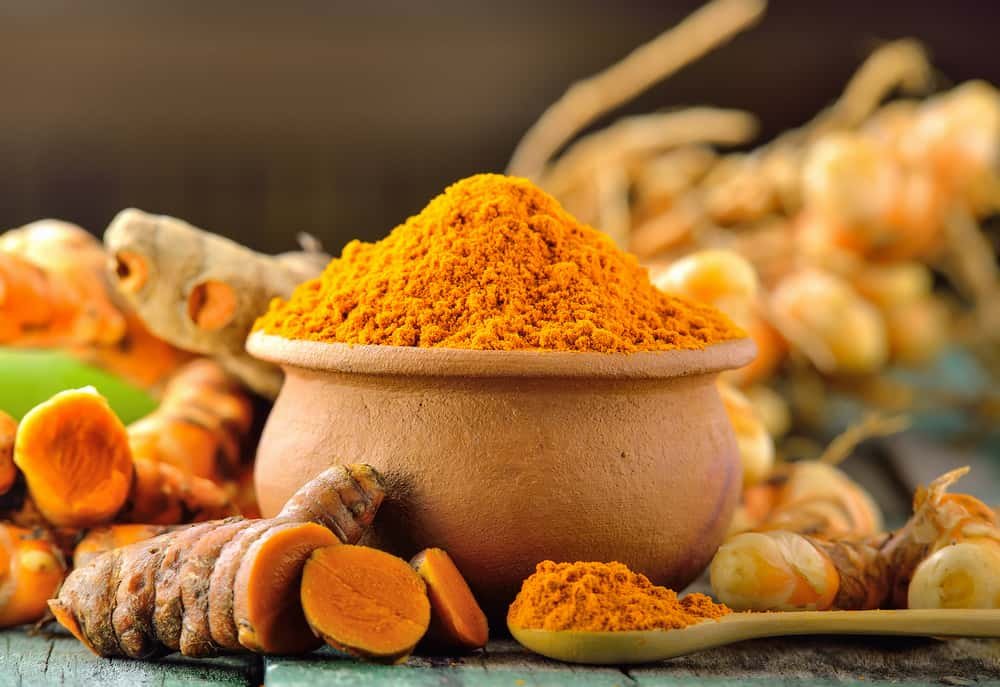
Turmeric’s active compound, curcumin, is a genuinely powerful antioxidant, per Advances in Experimental Medicine and Biology — scavenging free radicals that can otherwise damage DNA. Since chronic low-level inflammation is tied to aging, cardiovascular issues, and nervous system problems, turmeric’s anti-inflammatory properties offer real long-term value. Curry isn’t the only source — it also shows up in Asian stir-fry dishes, and supplements are available for anyone who doesn’t enjoy the taste.
Cayenne Pepper May Help Control Appetite
Cayenne’s heat comes from capsaicin, which research in The American Journal of Clinical Nutrition links to increased fat burning and appetite suppression — helping explain why spicy food is popular among people focused on weight management. Those with a history of ulcers or GI sensitivity may want to opt for a capsaicin supplement instead of eating spicy dishes directly.
Other appetite-management strategies: prioritize protein (which takes longer to digest), favor solid foods over calorie-heavy drinks (research in The American Journal of Clinical Nutrition confirms the brain registers solids as more filling), and consider dark chocolate — its stearic acid content may slow digestion and support fullness.
Sage May Support Brain Function and Memory
Sage has a long history in traditional medicine, and modern research suggests real cognitive benefits. Age-related memory decline is often linked to dropping acetylcholine levels — a key brain messenger. Research in Pharmacology, Biochemistry, and Behavior found sage helps prevent acetylcholine breakdown, supporting better neural communication. A separate months-long study in the Journal of Clinical Pharmacy and Therapeutics, involving over 40 participants with memory issues, found sage extract genuinely improved memory test performance.
Garlic Supports Immunity and Heart Health
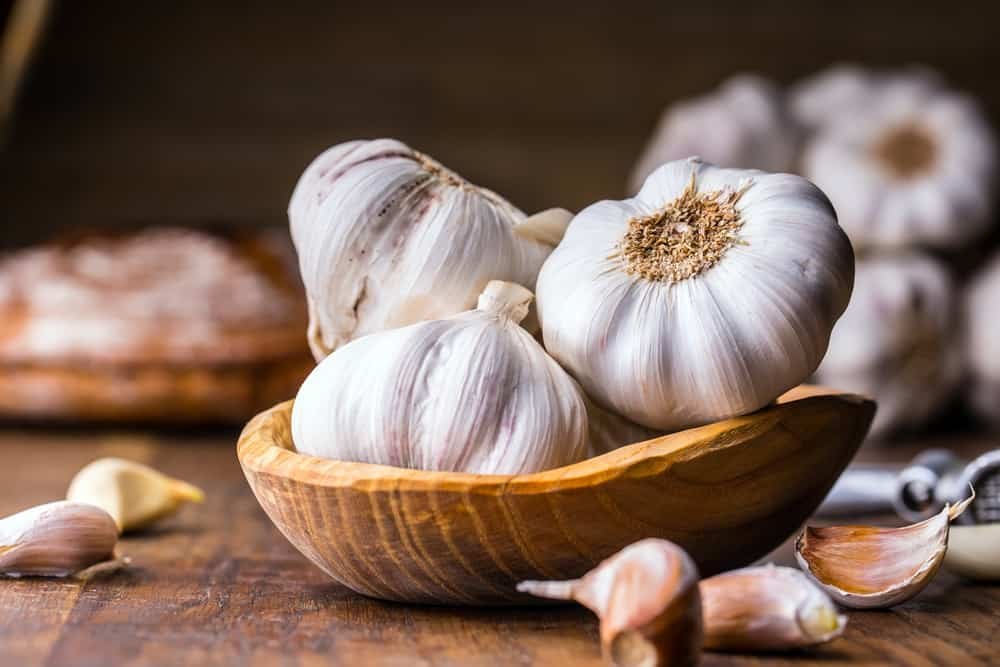
Garlic has been cultivated for its medicinal properties since ancient times. Research in Advances in Therapy links garlic supplementation to reduced likelihood of common illness like colds. On the cardiovascular front, the Journal of the Royal College of Physicians of London found garlic can lower LDL cholesterol by 10-15%, and Molecular and Cellular Biochemistry links it to healthier blood pressure — both genuinely valuable for long-term cardiovascular health.
Other heart-protective habits worth pairing with garlic: quitting smoking, getting 30 minutes of moderate cardio most days, favoring nuts, seeds, fruits, and vegetables over red meat and sugary foods, and keeping up with annual checkups to monitor cholesterol and blood pressure.
Rosemary May Ease Seasonal Allergies
Seasonal allergies — triggered by pollen, pet dander, or mold — typically cause red watery eyes, congestion, and a persistent cough, without fever. Research shows both low and high doses of rosemary can genuinely suppress these symptoms, with microscopic examination confirming reduced immune cell activity in nasal mucus among study participants — a small amount added to your cooking may meaningfully help.
Fenugreek Supports Blood Sugar Control
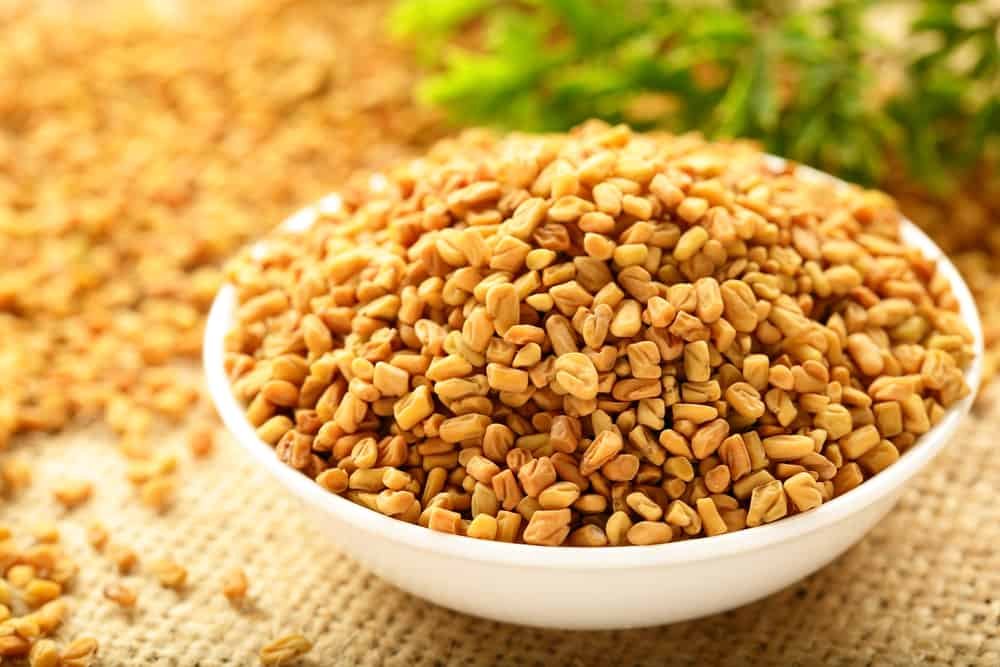
A staple of Ayurvedic and Indian cooking, fenugreek contains 4-hydroxy isoleucine, a compound linked to improved insulin response, per Current Opinion in Investigational Drugs — helping the body clear excess blood sugar more efficiently. Try adding it to curries or tikka masala for a natural blood-sugar-friendly boost.
Ginger Can Ease Nausea
Widely used across Asian and Western cuisine alike, ginger genuinely helps calm the stomach-to-brain signals that trigger nausea — whether from morning sickness, motion sickness, or treatment side effects, per Obstetrics and Gynecology. It’s also anti-inflammatory, offering broader long-term benefit.
Other nausea remedies worth trying: acupuncture, citrus scents (lemon, lime, orange), vitamin B6 (particularly helpful for pregnancy-related nausea per the American Journal of Obstetrics and Gynecology), and staying upright for about 30 minutes after eating if reflux is the trigger.
Peppermint Eases GI Discomfort
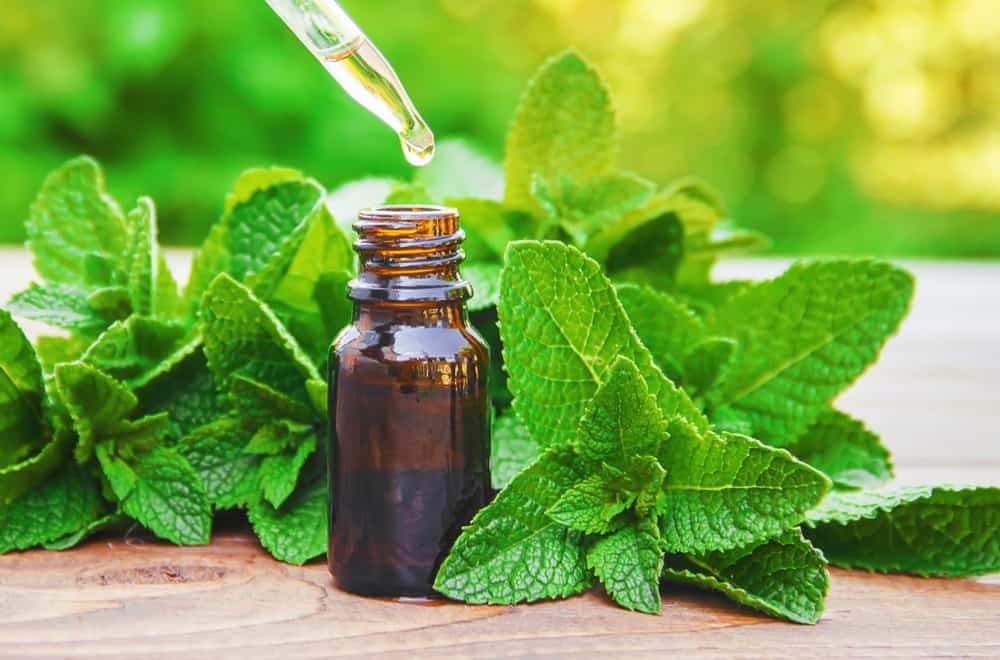
Long used in folk medicine, peppermint oil relaxes the smooth muscles of the colon, genuinely easing discomfort for people with irritable bowel symptoms, per the Journal of Clinical Gastroenterology. Research in Digestive and Liver Disease also links it to reduced bloating. Add it to food or drinks, or use it as aromatherapy via an essential oil diffuser.
Season Your Way to Better Health
A well-rounded approach to health includes thinking carefully about the herbs and spices you cook with. Consider your specific health goals, then look for spices on this list that align — working a few more of them into your weekly menu is a genuinely simple, natural way to support your overall wellbeing alongside other healthy lifestyle habits.
Explore more Health Articles reviews and guides on our site.