Nutrition Class Resources
Getting adequate nutrition genuinely depends on understanding your body’s needs — both in general and under specific circumstances like pregnancy, athletic training, or childhood growth. This guide covers the core nutrition topics worth understanding, organized the way a nutrition class would build them. Table of content How We Organized These Nutrition Class Resources Protein, Fats, […]


Getting adequate nutrition genuinely depends on understanding your body’s needs — both in general and under specific circumstances like pregnancy, athletic training, or childhood growth. This guide covers the core nutrition topics worth understanding, organized the way a nutrition class would build them.
How We Organized These Nutrition Class Resources
This guide walks through the foundational nutrition topics in a logical sequence: macronutrients first, then vitamins, then how the body actually processes food, followed by nutrition needs specific to different life stages and activity levels.
Protein, Fats, and Carbohydrates: The Foundation
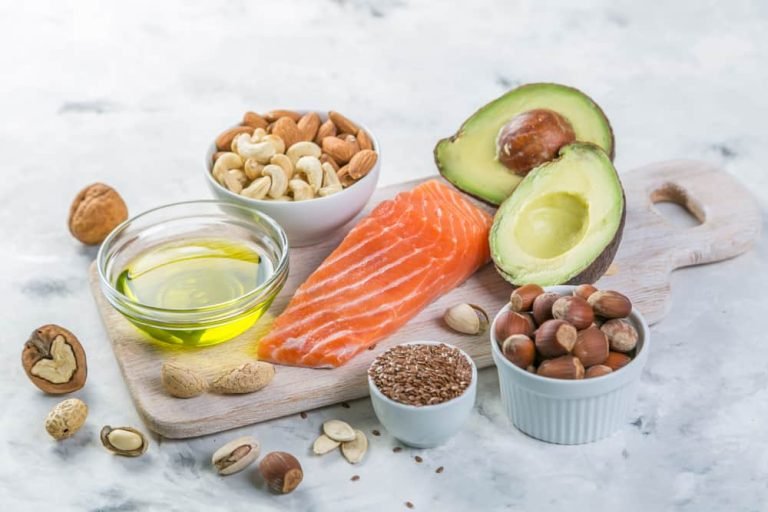
These three macronutrients form the base of nutritional science. Fats aren’t uniformly bad — distinguishing healthy fats from unhealthy ones is a genuinely important skill, and while high-fat diets have grown more popular, real caution around potential side effects still applies. Carbohydrates provide the body’s primary fuel source, and protein is essential for tissue repair, growth, and countless bodily processes — each macronutrient plays a distinct, non-interchangeable role.
Understanding Vitamins
Vitamin C plays a real, specific role in immune function and tissue repair. For children specifically, whether supplementation is actually necessary depends heavily on their existing diet — many kids get adequate vitamins from food alone, making supplementation a genuinely case-by-case decision rather than a default.
How Digestion Actually Works
The digestive system’s real function is extracting usable nutrients from food to fuel the body — understanding this process, from initial breakdown through absorption, helps explain why certain foods affect the body differently and why nutrient timing and combination can matter.
Metabolism and Energy: Separating Fact from Myth
Metabolism is a genuinely more nuanced topic than most quick-fix advice suggests — real science distinguishes between what’s well-established (how different foods yield different energy amounts) and what remains genuinely disputed among researchers. Understanding this distinction helps evaluate metabolism-boosting claims critically.
Nutrition Across Life Stages
Nutritional needs shift substantially with life stage. Pregnant women have real, specific nutritional requirements to support both their own health and fetal development — including for those following vegetarian diets, which can support a healthy pregnancy with proper nutrient planning. School-age children have their own distinct requirements tied to growth and development, and athletes and active teens require different fueling strategies for genuine performance benefit.
Obesity: Understanding the Real Scope
Obesity affects a genuinely substantial share of the American population, and prevention strategies differ meaningfully across children, teens, and adults — understanding the real scale of this issue provides important context for individual nutrition choices.
Who These Nutrition Class Resources Are Most Useful For
This fits anyone building foundational nutrition knowledge, whether for personal health, supporting a family’s nutrition, or general education. It’s a starting framework, not a substitute for a registered dietitian’s personalized guidance for specific health conditions.
Frequently Asked Questions
The Bottom Line
A solid nutrition foundation covers macronutrients, vitamins, digestion, and how needs shift across life stages and activity levels. This guide found that building this foundational understanding is the real starting point for making genuinely informed dietary choices.
Explore more Healthy Diet reviews and guides on our site.
For general guidance on healthy weight management, see the resources available from Mayo Clinic.