Noom vs. Anti-Inflammatory Diet
There are thousands of weight-loss and healthy lifestyle programs out there, on top of an equally massive list of “healthy” diets. Here we compare a program grounded in science and technology against a diet often touted as the answer to chronic inflammation. Advertisement Table of content What Is Noom? What Is the Anti-Inflammatory Diet? Noom […]

There are thousands of weight-loss and healthy lifestyle programs out there, on top of an equally massive list of “healthy” diets. Here we compare a program grounded in science and technology against a diet often touted as the answer to chronic inflammation.
What Is Noom?
Noom is a 16-week healthy weight and lifestyle program, extendable afterward for continued weight-maintenance support. Alongside food and exercise logging, users get a personal coach guiding them through weekly lessons, articles, and quizzes that build on each other over time.
What Is the Anti-Inflammatory Diet?
Inflammation is a daily reality for many people carrying excess weight. The anti-inflammatory diet targets that directly, emphasizing whole foods, nuts, seeds, and healthy fats, with research supporting a reduced risk of certain inflammatory conditions.
Noom vs. Anti-Inflammatory Diet: History
Brief History of Noom
Founded in 2008 by Artem Petakov and Saeju Jeong, Noom set out to move beyond traditional food tracking by partnering with doctors and psychologists to address both mind and body. By 2018, it ranked among the most-searched diets on Google, and in 2019 partnered with Novo Nordisk to help fight global obesity. It’s remained on the CDC’s list of recognized lifestyle programs since the agency began tracking them.
Brief History of the Anti-Inflammatory Diet
No single creator is credited — using food to influence health is a practice going back thousands of years. There’s no one “official” anti-inflammatory diet; rather, several variations share the same underlying premise that certain foods can meaningfully reduce inflammation.
Noom vs. Anti-Inflammatory Diet: Who’s Behind the Plans?
Who Created Noom?
Petakov began coding at age nine and later developed an interest in the psychology of decision-making during college. Jeong, an entrepreneur since 19, spent six years running BuyHard Productions in Korea before convincing a hesitant Petakov, reluctant to leave his job at Google, to build Noom together.
Who Created the Anti-Inflammatory Diet?
The anti-inflammatory diet evolved gradually as research increasingly linked specific foods to reduced inflammation and symptom relief across conditions affecting the heart, lungs, immune system, and cognitive function.
Noom vs. Anti-Inflammatory Diet: The Rules
Rules of Noom
Psychology sits at the center of Noom’s approach, teaching users to recognize how their decisions affect health and weight over time, built on three pillars: food logging, exercise tracking, and daily lessons.
Food Logging: Foods sort into green (about 30% of daily calories — fruits, vegetables, some grains, non-fat dairy), yellow (about 45% — additional produce, grains, meats, seafood, legumes, low-fat dairy), and red (capped around 25% — fried foods, sugary desserts and drinks, high-fat grains).
Exercise Tracking: Since people tend to overestimate calories burned, Noom credits back 50% of tracked exercise calories toward the daily goal.
Lessons: Daily lessons explain not just what to do, but why — covering everything from food choices to which exercises tend to work best for different people, reinforced with quizzes.
Rules of the Anti-Inflammatory Diet
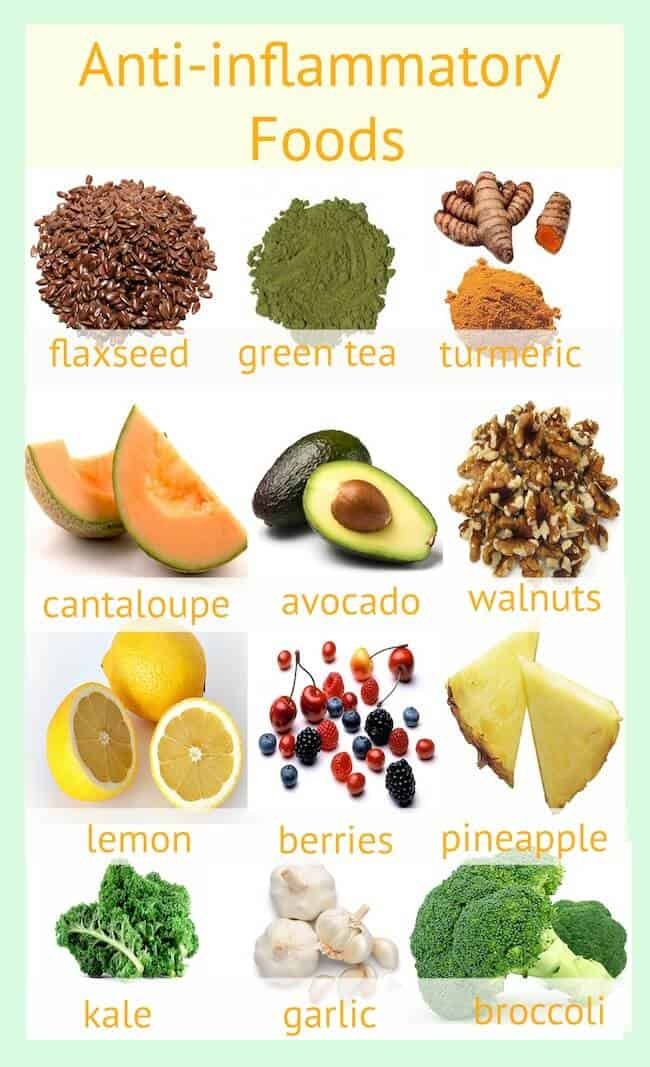
Seven elements anchor the plan: food, smoking, alcohol, exercise, sleep, stress, and weight. On the food side, anti-inflammatory choices include fruits, vegetables, omega fatty acids, and healthy oils, low-glycemic complex carbs, and at least 30g of fiber daily — well above what most people following a typical Western diet consume. Foods to avoid include refined items, trans and saturated fats, dairy, and red meat. Exercise is recommended at roughly 150 minutes weekly, and managing chronic stress matters too, since the body’s fight-or-flight response to everyday stress can quietly fuel ongoing inflammation. Excess weight itself also raises inflammation risk, making weight loss doubly beneficial.
Noom vs. Anti-Inflammatory Diet: Eating Plans
The Noom Eating Plan
Each Noom plan is personalized from an initial questionnaire, with a coach available for support along the way. The traffic-light system makes the logic intuitive — a cup of broccoli runs about 30 calories versus roughly 200 for a cup of rice, so choosing broccoli means more food and better nutrition for the same calorie cost. As Noom describes it: “you’ll learn about social eating, cognition and food, stress management, managing emotions in relation to food, how exercise affects you, why we eat and act the way we do as humans, along with so much more.”
The Anti-Inflammatory Diet Eating Plan
Foods to increase include fruits and vegetables, omega-3s, monounsaturated fats, fiber, protein, and herbs and spices. Foods to decrease include trans fats, refined oils, sugar and simple carbs, processed meats, and saturated fats — along with common intolerance triggers like whey, eggs, dairy, and artificial ingredients, which are worth watching individually.
Noom vs. Anti-Inflammatory Diet: Plan Duration
Noom’s core program runs 16 weeks, with optional extended subscriptions for ongoing coach and community support. The anti-inflammatory diet has no defined timeline — it’s meant to be followed for life, though it also lacks any built-in progression to help ease users into the full set of changes gradually.
Key Differences Between Noom and the Anti-Inflammatory Diet
Put simply: one is a structured 16-week app-based program, and the other is a set of general dietary guidelines aimed at reducing inflammation, without any built-in coaching or pacing.
Can You Follow the Anti-Inflammatory Diet on Noom?
Yes, easily. The anti-inflammatory diet’s guidelines aren’t extreme and don’t eliminate entire food groups, making it naturally compatible with Noom’s broader approach to reducing weight-related inflammation.
Possible Side Effects
Noom carries no notable side effects beyond weight loss. On the anti-inflammatory diet, a sudden jump in fiber intake can cause gas, bloating, or constipation if water intake doesn’t increase alongside it — adding fiber gradually, in roughly 5g weekly increments, helps the gut adjust more comfortably.
Noom vs. Anti-Inflammatory Diet: The Research
A study of more than 35,000 participants in Scientific Reports found over 77% reported weight loss using Noom, with evening-meal and exercise tracking tied to the strongest results. Research in Metabolic Syndromes and Related Disorders also found Noom effective for weight maintenance among overweight and obese Korean adults.
On the anti-inflammatory side, the Journal of the American College of Nutrition notes that increasing omega-3 intake helps offset the omega-6 excess common in Western diets, benefiting both inflammation and heart health. The Journal of Restorative Medicine found “modest improvements in body weight and trends in benefits for inflammation,” and research in Nutrition in Clinical Practice found that diets rich in fruits, vegetables, legumes, and grains “showed anti-inflammatory effects when compared with typical North American and Northern European dietary patterns.”
The Bottom Line: Noom vs. Anti-Inflammatory Diet
There’s real value in the anti-inflammatory diet’s core principles — more fruits and vegetables, more omega-3s and fiber, regular exercise. What sets Noom apart is how it teaches and reinforces those exact habits over 16 structured weeks, backed by lessons, quizzes, and one-on-one coaching.
Frequently Asked Questions
Explore more Health Articles reviews and guides on our site.