A New Year’s Resolution List You Can Stick With: Weight Loss
As the year winds down, weight loss remains one of the most common items on any New Year’s resolution list. Unfortunately, plenty of these resolutions quietly fall apart within a few months. The good news is that lasting weight loss is genuinely achievable with the right approach. Below are some of the most effective strategies […]


As the year winds down, weight loss remains one of the most common items on any New Year’s resolution list. Unfortunately, plenty of these resolutions quietly fall apart within a few months. The good news is that lasting weight loss is genuinely achievable with the right approach. Below are some of the most effective strategies to help make your weight loss resolution actually stick this year — supporting your emotional, physical, and mental health all at once.
Weight Loss: Walk 30 Minutes Per Day
Walking is about as accessible as exercise gets — no equipment required, just motivation and a decent pair of shoes. It’s low-impact, easy on the joints, and a smart alternative to pavement if you deal with knee, ankle, or hip pain (trails are a gentler option).

The science backs it up — a 12-week study of 20 obese individuals walking an hour, three times weekly, found participants reduced total body fat by about 1.5 inches and trimmed their waist by more than an inch, per the Journal of Exercise Nutrition & Biochemistry. Start low and build gradually — aim for 30 continuous minutes, three or four times weekly, without worrying about pace.
Cut Out Liquid Calories
Diet changes don’t have to be drastic to be effective. Removing liquid calories — sweet tea, soda, chocolate milk, sports drinks, energy drinks, fruit juice — is a genuinely easy place to start. A single bottle of soda can carry as much sugar as a candy bar.
Research in The Lancet found sugar-sweetened beverages significantly accelerate weight gain in children — a genuine concern given how much of a child’s calorie intake should be going toward growth. Liquid calories also don’t fill you up, meaning they simply stack on top of everything else you eat. Water is the obvious swap, but diet drinks or stevia-sweetened options can ease the transition if going cold turkey feels too abrupt.
Train for a 5K by Summer’s End
If walking feels manageable and you’re ready to push further, aim to run a 5K by summer. Running requires almost nothing — a safe place to run and solid shoes.

Softer surfaces like grass or trails are gentler on the joints than pavement, and a cushioned treadmill works well indoors during colder months. Research in the Journal of Applied Physiology confirms running efficiently burns visceral (belly) fat, per Obesity Reviews — protecting internal organs from chronic disease risk in the process. Start with run-walk intervals (1 minute each) and build endurance gradually toward race day.
Eat Protein With Every Meal
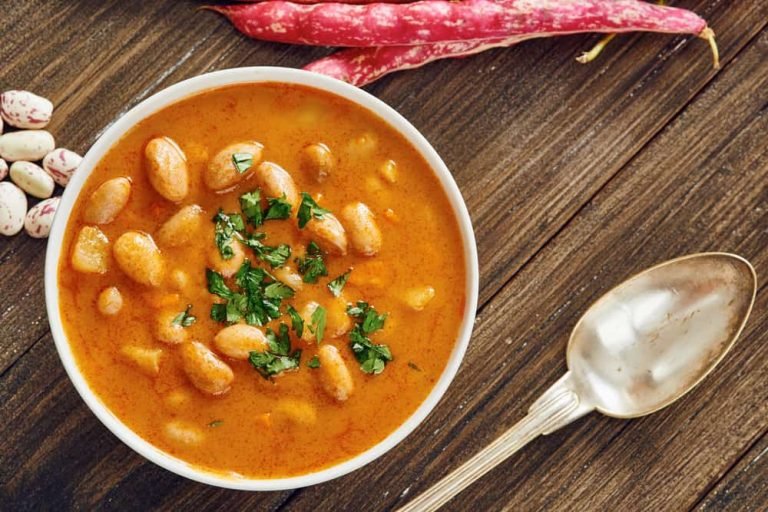
Protein doesn’t have to mean an expensive steak — eggs, beans, and quinoa are affordable, effective sources. Digesting protein burns more calories than digesting fat or carbs, and research in the Journal of the American College of Nutrition found a high-protein diet can burn up to 100 extra calories daily.
Protein is also more satiating — research in the American Journal of Clinical Nutrition found high-protein eaters consumed meaningfully fewer total calories than those relying more heavily on carbs. Try eggs at breakfast, a quinoa salad at lunch, and a solid protein source alongside vegetables at dinner.
Cut Refined Carbs and Added Sugar
Refined carbs have had their fiber stripped away, leaving behind easily digestible simple carbs — research in Nutrition in Clinical Care links them to a much higher likelihood of overeating.

Added sugars carry their own risks, linked to chronic health conditions, metabolic issues, and cardiovascular concerns. Sneaky sources include dried cranberries, bread, and even milk — reading labels carefully and favoring whole grain over white bread are simple, sustainable swaps.
Schedule an Annual Health Screening
An annual checkup catches issues before symptoms appear, and your provider can review your metabolic profile, recommend safe exercises, and track improvements — cholesterol, triglycerides, vitamin levels — over time. Think of your provider as part of your accountability system, not just a once-a-year formality.
Lift Weights Three Days a Week
Strength training builds muscle, which raises resting metabolic rate — meaning your body burns more calories even at rest. One six-month study found just over 10 minutes of strength training three times weekly boosted resting metabolic rate by more than 7%, per Medicine and Science in Sports and Exercise — roughly 125 extra calories daily on a 2,000-calorie diet.
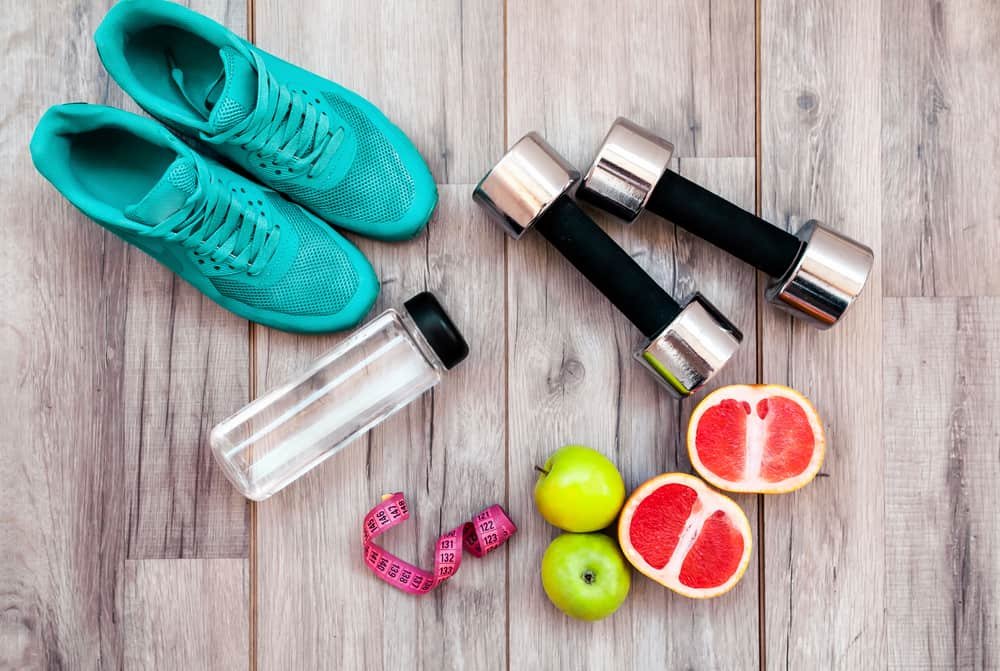
A separate 24-week study found resting metabolic rate climbed nearly 10% in men — about 140 extra calories daily. Muscle repair after lifting also keeps calorie burn elevated for hours afterward, per the European Journal of Applied Physiology. Start with a beginner class if you’re new to lifting to avoid injury.
Try Unsweetened Green Tea
Black coffee is fine for weight loss, but many café drinks are loaded with sugar and cream. Research shows green tea can genuinely boost fat burning, and a study in the American Journal of Clinical Nutrition found it may specifically target belly fat while increasing energy expenditure. Its antioxidants also help combat free radicals tied to chronic disease risk.
Stretch Before and After Every Workout
Skipping stretching raises injury risk, which can sideline your entire fitness routine. Target hip flexors, calves, and hamstrings before running, or back, biceps, and triceps before upper-body work.

Just five minutes of stretching before and after exercise helps dissipate lactic acid buildup, easing next-day soreness and helping you get more consistent value out of every workout.
Eat Meals Together as a Family
This one doesn’t require changing what you eat at all — just how. Research shows fast eaters are more prone to long-term weight issues. Eating slower, aided by conversation, gives your stomach time to signal fullness to your brain before you overeat.
Swim Regularly
Swimming burns calories fast with minimal injury risk, engaging nearly every muscle group at once. A 12-week study of two dozen participants found swimming 60 minutes, three times weekly, meaningfully reduced body fat, improved flexibility, and improved cholesterol and triglyceride levels, per the Journal of Exercise Rehabilitation.

As a zero-impact sport, it’s especially good for anyone managing joint pain. Water aerobics classes are a great alternative if lap swimming isn’t your style.
Prioritize Sleep
Adults need roughly 8 hours nightly — teens and children even more. Research links insufficient sleep to a higher risk of weight problems, likely tied to disrupted appetite-regulating hormones. To improve sleep quality:
- Skip afternoon caffeine.
- Avoid exercising right before bed.
- Limit screen time before sleep — blue light disrupts your ability to fall asleep.
- Reserve your bed for sleep only, not reading or TV.
- Keep a consistent sleep and wake schedule, including weekends.
Increase Fiber Intake
Fiber slows stomach emptying, triggering fullness hormones and naturally reducing intake. It also supports healthy gut bacteria, per Alimentary Pharmacology and Therapeutics. Increase intake gradually to avoid bloating or discomfort — eating fruit skins (when safe) is an easy first step.
Try Yoga
Beyond burning calories, yoga builds mindfulness that can improve food choices, portion control, and resistance to impulse eating.

A 12-week study of 60 women practicing yoga twice weekly found significantly greater reductions in waist circumference compared to non-participants. Yoga also improves flexibility, helping prevent injury during other workouts.
Bring These Ideas Into the New Year
Weight loss is notoriously difficult, but with the right mindset and a solid plan, it’s genuinely achievable. Most of these strategies don’t require drastic overhauls — gradual, sustainable changes are what actually stick. Use these tips to build a healthier version of yourself in the year ahead.
Explore more Health Articles reviews and guides on our site.