Negative Calorie Diet: Does It Work?
The Negative Calorie Diet first appeared on the diet scene in 1997, and thousands of people around the world have followed it since. The plan rests on the assumption that certain foods burn more calories during digestion than they actually contain. Table of content What Is the Negative Calorie Diet? How Do Negative Calorie Foods […]

The Negative Calorie Diet first appeared on the diet scene in 1997, and thousands of people around the world have followed it since. The plan rests on the assumption that certain foods burn more calories during digestion than they actually contain.
Before committing to a negative calorie diet, it’s worth digging into the details to see whether the underlying claims genuinely hold up and whether the plan itself is a healthy approach.
What Is the Negative Calorie Diet?
The foundation of this diet rests on the idea that some foods burn more calories during digestion than they provide. If true, a diet built around these foods would theoretically let someone eat as much as they wanted while still losing weight — the more you eat, the more you’d lose.
No food technically claims to contain “negative calories,” but some are marketed as providing so few calories that the digestive process alone burns more than the food supplies. To understand whether this holds up, it helps to look at how calories are actually burned during digestion.
Bottom Line: A negative calorie diet is based on the assumption that some foods burn more calories during digestion than they contain.
How Do Negative Calorie Foods Work?
The most basic weight-loss equation compares calories in versus calories out. Calories measure energy — eat more than your body burns, and the excess gets stored as fat; burn more than you eat, and your body draws on those fat stores to make up the difference.
Eating itself burns some calories. Chewing burns energy, and the more chewing required, the more calories used — which is part of why it’s reasonable to assume a stringy, fibrous food like celery burns more calories to chew than a bowl of ice cream.
Food then moves through the stomach and intestines before being absorbed or expelled, and this entire process burns calories too. Food that’s harder to digest and takes longer generally uses more energy in the process than food that digests easily.
A commonly cited example of a negative calorie food is a stalk of celery, containing around ten calories. If chewing and digesting that fibrous, water-heavy vegetable burns more than ten calories, the theory goes that the extra calories would come from fat stores, leading to weight loss over time.
Negative calorie foods, by this theory, share two traits: they take longer to chew and digest, and they’re naturally low in calories to begin with. The lower the calorie content and the longer the digestion time, the stronger the case for calling something a negative calorie food.
Bottom Line: A food that’s low in calories and takes longer to chew and digest could theoretically be considered “negative calorie” if the digestion process burns more energy than the food itself contains.
How to Lose Weight on a Negative Calorie Diet
Losing weight on this plan means substituting most of your diet with negative calorie foods — in theory, the more you eat of them, the more weight you lose.
Beyond the calorie math, these foods are also genuinely high in fiber, which helps you eat less, feel full faster, and stay full longer. Most negative calorie foods are fruits or vegetables, which also deliver essential vitamins and minerals everyone needs for good health.
Advocates of the diet claim it’s possible to lose weight quickly by substituting regular food with negative calorie options — the stricter the substitution, the faster the results are said to come. After reaching a weight goal, the diet recommends keeping as many negative calorie foods in the daily routine as possible to help maintain the loss, with the option to return to the diet again if weight creeps back.
Bottom Line: Negative calorie foods are genuinely rich in fiber, vitamins, and minerals that support fullness — advocates claim rapid weight loss is achievable, though results vary.

What Is the Thermogenic Effect?
According to LiveStrong, some negative calorie foods are also claimed to have a thermogenic effect — boosting metabolism and increasing the rate the body burns energy overall.
If true, this would function as a double bonus: burning more calories digesting the food than it contains, while the food itself also speeds up the body’s baseline energy burn.
Bottom Line: Some negative calorie foods are also claimed to have a thermogenic effect, boosting metabolism and helping the body burn additional energy.
What Are Some Negative Calorie Foods?
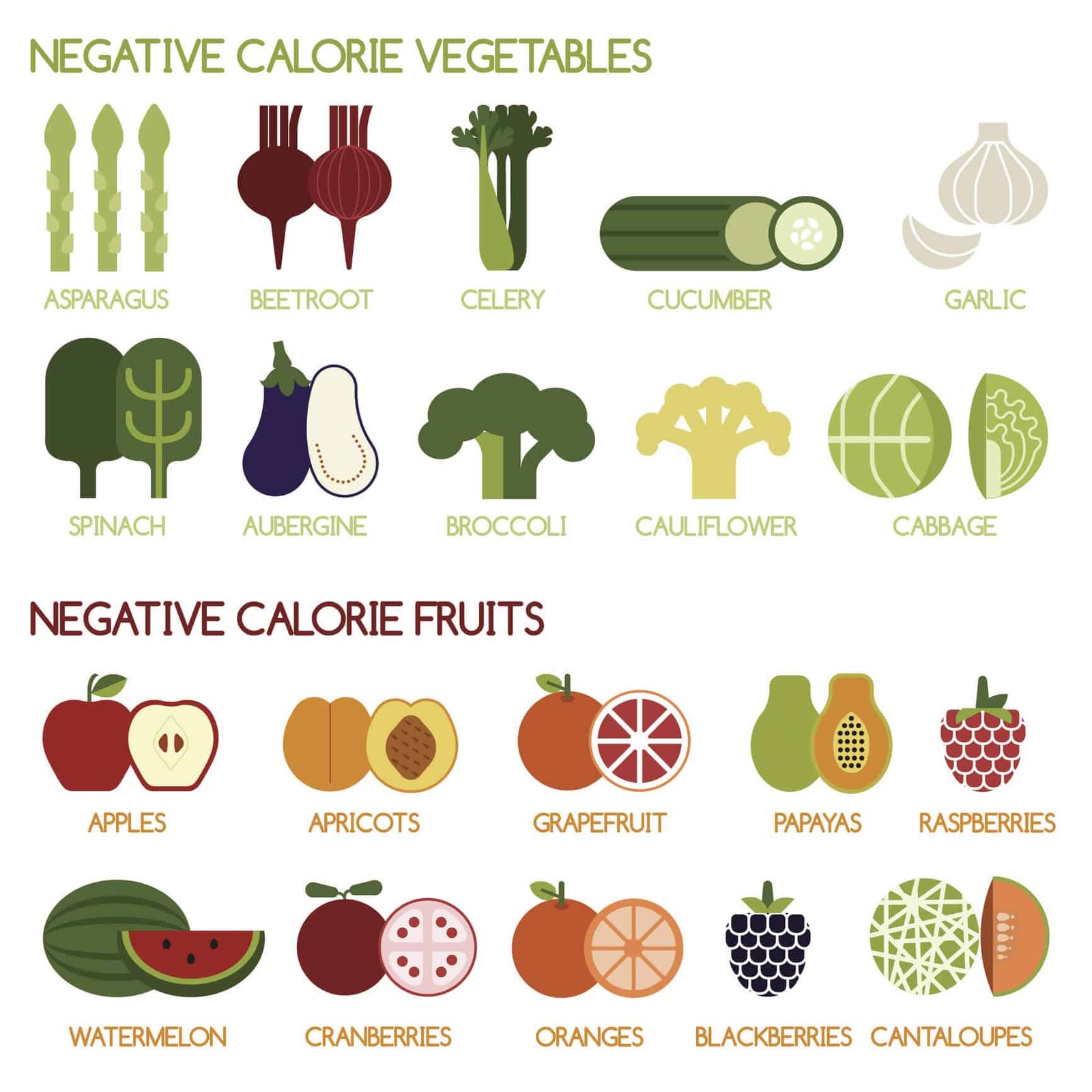
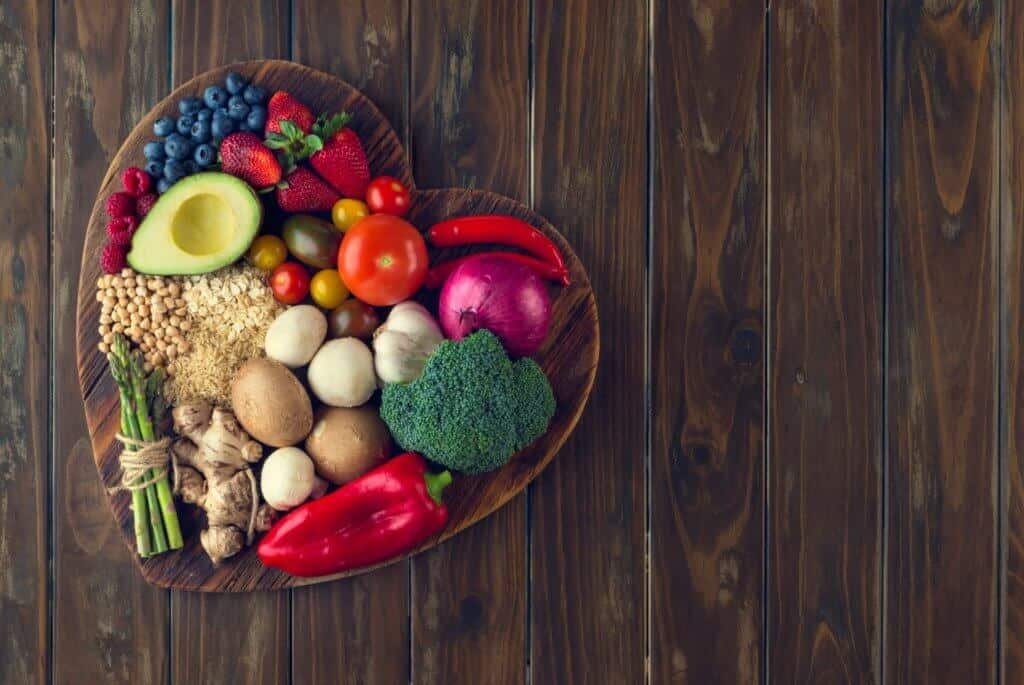
According to HarperCollins, the commonly cited top-ten negative calorie food list includes fruit, vegetables, and nuts — cruciferous vegetables like cauliflower and brussels sprouts, leafy greens like Swiss chard, spinach, and kale, nightshade vegetables like peppers, eggplant, and tomatoes, citrus fruits like grapefruit, lemons, oranges, and pineapples, apples, and almonds.
A diet rich in these foods is genuinely valuable for overall health, and continuing to include them regularly — even after reaching a weight goal — supports both long-term health and weight maintenance.
Bottom Line: Many foods on the negative calorie list are genuinely high in vitamins and minerals, making them worth including in a healthy diet regardless of the negative-calorie theory itself.

What Does Science Say About Negative Calorie Foods?
According to Time.com, measuring exactly how many calories digestion burns is genuinely an imperfect science. Everyone’s metabolism differs, and there’s no precise, universal way to measure the energy cost of digesting different foods.
That makes it genuinely difficult to confirm whether any food actually qualifies as “negative calorie.” The honest answer is that there’s no solid scientific evidence supporting the theory that any food burns more calories during digestion than it contains — chewing and digesting simply doesn’t burn enough energy to make that math work.
Take celery again: it may contain only about ten calories, but researchers estimate digestion burns roughly half that amount — meaning even generous amounts of celery still result in a net calorie gain, not a loss. There’s also no solid scientific proof that any food produces a meaningful thermogenic effect on its own.
Bottom Line: There’s no scientific evidence supporting the idea that any food contains fewer calories than the body needs to digest it, or that any food creates a meaningful thermogenic effect on its own.
Is the Negative Calorie Diet Safe?
Even though the underlying “negative calorie” premise doesn’t hold up scientifically, the diet still fills your plate with genuinely healthy fruits and vegetables. Is there an unhealthy side to it, though?
The honest answer is yes, in certain cases. Problems arise when people substitute other necessary food groups entirely with what they believe are negative calorie foods, missing out on nutrients their body genuinely needs. To lose weight quickly, the diet calls for being very strict about eating only foods on the negative calorie list.
The USDA recommends a balanced diet spanning five food groups — fruit, vegetables, grains, dairy, and protein — each offering something the others can’t fully replace. Cutting out entire groups like grains or dairy in favor of only fruits and vegetables risks leaving real nutritional gaps.
The USDA also recommends variety within fruits and vegetables specifically — a mix of dark green, red/orange, beans/peas, and other starchy vegetables — while the negative calorie diet narrows focus almost entirely to its specific list, leaving out many genuinely important produce options in the process.
Bottom Line: Following a strict negative calorie diet could lead to nutritional gaps relative to USDA-recommended standards for a healthy diet.
A Modified Negative Calorie Diet
While there’s no hard scientific evidence for true negative calorie foods, a modified version of this diet can still genuinely support weight loss. No one should switch their entire diet exclusively to the negative calorie list, but the fruits and vegetables on it remain genuinely healthy, whole, natural foods worth prioritizing.
According to GreenMedInfo, eating more of these naturally filling, fiber-and-water-rich fruits and vegetables while cutting back on higher-calorie foods can still support real weight loss — these foods are naturally lower in calories and fill you up faster and for longer. Starting a meal with a substantial, healthy salad before a plate of pasta, for instance, is a practical way to apply this principle.
If cutting back on other food groups in favor of more produce, it’s worth considering a nutritional supplement to help fill any remaining gaps.
Bottom Line: While there’s likely no such thing as a truly “negative calorie” food, a modified version of this diet can still be a genuinely useful tool in a broader weight-loss plan.
Summary of the Negative Calorie Diet
It would be genuinely wonderful if a diet existed where eating more automatically meant losing more weight, but the science simply doesn’t support that theory. Following the negative calorie diet too strictly — cutting out essential food groups like dairy, protein, grains, and healthy fats — could actually do real harm to overall health.
Bottom Line: The most reliable path to weight loss remains gradual, sustainable change built around a varied, healthy diet. The negative calorie diet can be a useful supporting tool when followed in moderation and with realistic expectations, rather than as a strict, standalone plan.
Explore more Diet Guide reviews and guides on our site.