22 Tips to Lose Weight Naturally
Mice restricted to a 12-15 hour eating window lost 12% of their body weight, while mice allowed to eat freely gained 5-12% over the same period — and when researchers tested a similar time-restricted approach in obese adults, they saw comparable results. This guide covers 22 genuinely research-backed ways to lose weight naturally. Table of […]


Mice restricted to a 12-15 hour eating window lost 12% of their body weight, while mice allowed to eat freely gained 5-12% over the same period — and when researchers tested a similar time-restricted approach in obese adults, they saw comparable results. This guide covers 22 genuinely research-backed ways to lose weight naturally.
How We Researched This Lose Weight Naturally Guide
This guide compiled published research across nutrition, sleep, behavior, and exercise science — each tip backed by real, specific findings rather than general advice.
Reduce Sugar
Research in Circulation and JAMA directly links excess sugar and high fructose corn syrup to obesity and serious health problems. Checking nutrition labels for hidden sugars is a real, practical first step.
Get Enough Sleep
The Sleep Research Society has shown inadequate sleep is a genuine, significant contributor to obesity in both adults and children.
Try Time-Restricted Eating
This is genuinely one of the more striking findings: eating only between roughly 7am and 7pm helped both animal and human study participants lose over 10% of body weight within three months — tied to the body’s naturally higher digestive rhythm during daytime hours.

Drink Green Tea and More Water
Research in Physiology & Behavior shows green tea genuinely increases the body’s fat-burning capacity. Separately, drinking water before meals — especially cold water — genuinely boosts metabolism and reduces overeating by increasing fullness.
Prioritize Protein
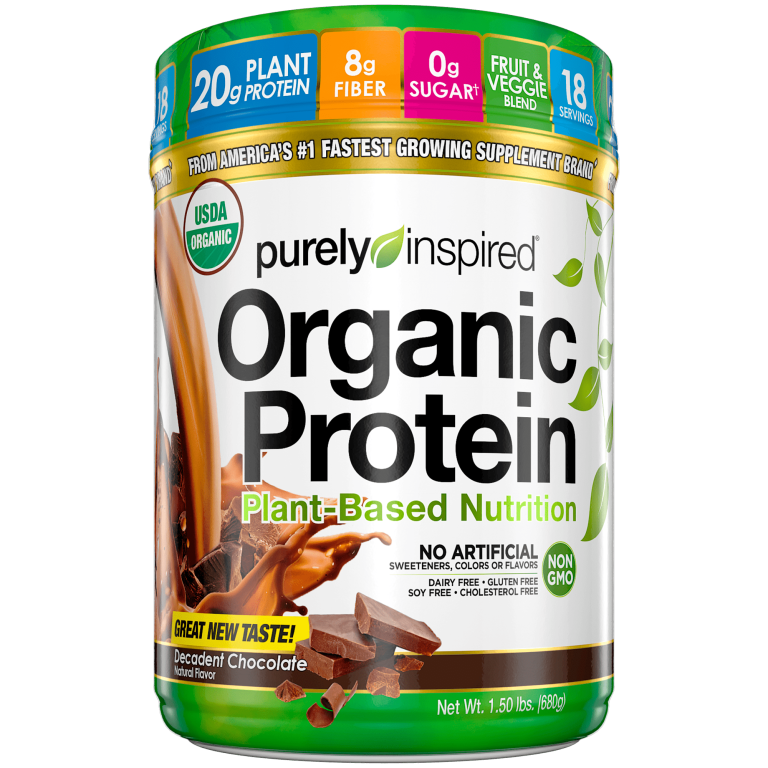
Research in the American Journal of Clinical Nutrition and British Journal of Nutrition confirms protein genuinely boosts metabolism and satiety — simply adding more protein, without other changes, is one of the easier ways to reduce overeating.
Chew Slowly
A review of 23 studies found slower eaters were genuinely less likely to gain weight than fast eaters — giving your brain time to register fullness is a real, direct mechanism for eating less without conscious restriction.
Don’t Skip Cardio
Research directly supports 30 minutes of moderate exercise up to five days weekly for genuine calorie expenditure — starting with just 10 minutes and building up is a real, practical entry point.
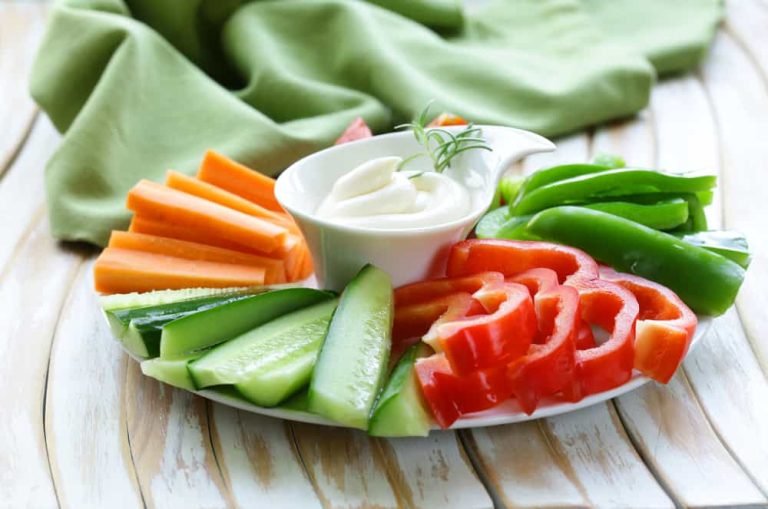
Eat More Fiber and Smaller Portions
Fiber genuinely slows digestion and increases fullness, per research in the Journal of the American College of Nutrition. Separately, using smaller plates is a real, studied visual trick — smaller plates make portions look larger, genuinely reducing how much you eat.
Cool Your Environment
Lowering your thermostat by just a couple degrees (to roughly 65-69°F) genuinely activates calorie-burning brown fat — a real, low-effort environmental change.
Eat Spicy Foods
Capsaicin, found in cayenne and other peppers, has real research support in Clinical Nutrition and Physiology & Behavior for boosting metabolism and limiting appetite.
Add Weight Training
Research in the Journal of Clinical Endocrinology and Metabolism shows calorie restriction alone can cause the body to pull from muscle mass — weight training genuinely helps preserve muscle while boosting metabolism during weight loss.
Who Wants to Lose Weight Naturally
This fits anyone wanting a genuinely evidence-based toolkit of natural weight-loss strategies rather than a single restrictive diet. Combining several of these tips tends to compound their real, individual effects.
Frequently Asked Questions
The Bottom Line
Natural weight loss draws on real, varied research — from sleep and meal timing to chewing speed and environmental temperature — rather than any single trick. This guide found that combining several of these evidence-backed strategies offers a genuinely sustainable path forward.
Explore more Healthy Diet reviews and guides on our site.
For general guidance on healthy weight management, see the resources available from the NIH.