Lipton Green Tea Review
In 2012, Greenpeace published findings of large amounts of pesticide across all Lipton tea samples tested in China — a real, documented concern worth knowing about a brand whose green tea leaves are sourced globally, including from Chinese plantations. This Lipton Green Tea review checked what else the company’s history reveals. Table of content How […]

In 2012, Greenpeace published findings of large amounts of pesticide across all Lipton tea samples tested in China — a real, documented concern worth knowing about a brand whose green tea leaves are sourced globally, including from Chinese plantations. This Lipton Green Tea review checked what else the company’s history reveals.
How We Researched This Lipton Green Tea Review
This Lipton Green Tea review checked the published research on green tea catechins and caffeine for weight management specifically, the 2012 Greenpeace pesticide findings, and a 2010 FDA warning over ingredient claims.
Lipton Green Tea Review: What Is It?
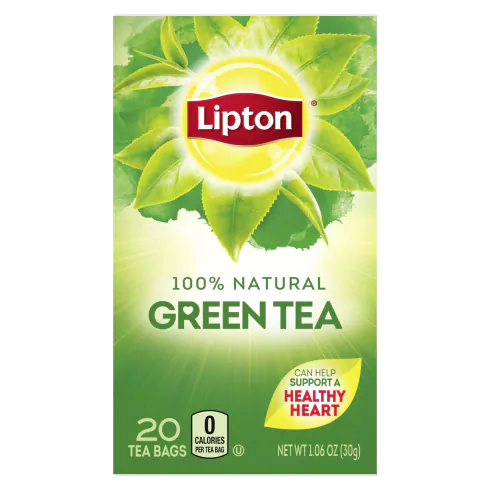
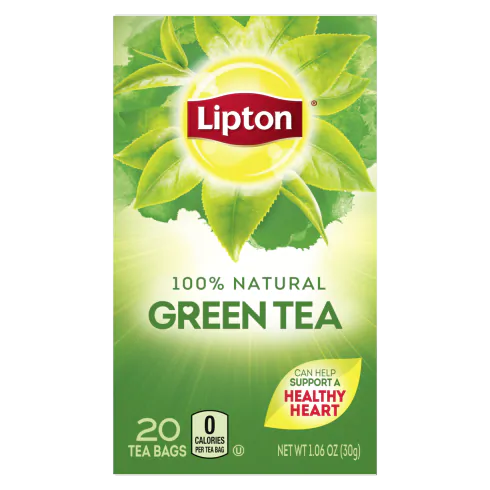
Owned by Unilever (with PepsiCo holding a 50% stake since 1991), Lipton Green Tea sources leaves from plantations in India, Sri Lanka, China, and Kenya, sold in bags, bottles, and K-Cups across numerous flavors.
What the Research on Green Tea Shows
- Molecular Nutrition & Food Research: seeing real results requires roughly three to four cups daily, supplying 600-900mg of tea catechins — a specific, verifiable threshold worth knowing before expecting results from occasional cups.
- Physiology and Behavior: the combination of green tea catechins and caffeine genuinely benefits body-weight management through sustained energy expenditure and fat oxidation.
- Critical Reviews in Food Science and Nutrition: it’s specifically the combination of catechins (particularly EGCG) and caffeine together that drives green tea’s effectiveness — participants taking both lost more weight than those taking caffeine alone.
A Real, Documented Pesticide Finding
This deserves direct attention: Greenpeace’s 2012 report found large amounts of pesticide across all Lipton tea samples tested in China — a genuine, documented sourcing concern given the company’s global plantation network includes Chinese sources specifically.
A Real FDA Finding on Ingredient Claims
In August 2010, the FDA directly warned Unilever over misleading flavonoid and antioxidant content claims on Lipton tea products — a real, documented regulatory finding that was resolved through a private settlement.
window.lightweightNewsPushAd(document.currentScript.previousElementSibling);
The Real Catechin Dosage Gap
This is worth understanding directly: much of the favorable weight-loss research uses concentrated supplement doses (one study used over 850mg of EGCG) — a genuinely difficult amount to reliably replicate through brewed tea bags alone, meaning real-world results from casual tea drinking may fall short of what the studies demonstrate.
Real, Documented Side Effects
Caffeine sensitivity can cause sleeplessness and restlessness, green tea can trigger heartburn in sensitive stomachs, and it genuinely can obstruct iron and other nutrient absorption — real, specific effects worth knowing, particularly for anyone with existing iron concerns.
Does Lipton Green Tea Work?
The catechin-caffeine combination has real, direct research support for weight management, but reaching the studied threshold (600-900mg of catechins, three to four cups daily) requires real consistency, and the concentrated doses used in the strongest studies may exceed what casual tea drinking delivers.
Who Lipton Green Tea Actually Makes Sense For
This fits people wanting a widely available, affordable green tea who commit to drinking it consistently (three to four cups daily) to reach the research-backed threshold. It’s a poor fit for anyone specifically concerned about the documented 2012 pesticide findings from Chinese-sourced batches, or anyone with iron deficiency given the absorption interference.
Frequently Asked Questions
The Bottom Line
Lipton Green Tea’s catechin-caffeine combination has real research support for weight management at consistent, sufficient doses, though a documented 2012 pesticide finding and a 2010 FDA warning over ingredient claims are worth factoring into any purchase decision. This Lipton Green Tea review found a widely accessible product with real benefits alongside real, documented concerns.
Explore more Healthy Diet reviews and guides on our site.