Kitchen Overhaul: Setting the Stage for Successful Weight Loss
Congratulations — deciding to genuinely change your life through weight loss is a big step. But there’s more to the process than diet and exercise alone. Some of what actually helps might surprise you: your kitchen and pantry setup plays a real role too. How your kitchen is organized, how food is stored, and even […]


Congratulations — deciding to genuinely change your life through weight loss is a big step. But there’s more to the process than diet and exercise alone. Some of what actually helps might surprise you: your kitchen and pantry setup plays a real role too. How your kitchen is organized, how food is stored, and even the decor you choose can meaningfully influence your weight-loss journey.

Design a Kitchen That Inspires You to Cook
Cooking at home regularly is genuinely one of the biggest drivers of successful weight loss. Research in Public Health Nutrition found people who cooked at home 6-7 days weekly consumed meaningfully less fat, sugar, and calories than infrequent cooks — and the effect even carried over to smarter restaurant choices.
Make your kitchen a space you genuinely want to spend time in — display cookbooks you love, paint the walls a color that excites you, or invest in nicer cookware. Anything that makes cooking at home feel appealing rather than a chore genuinely pays off.
Store Food in the Kitchen and Pantry Only
A candy bowl on the coffee table or emergency chocolate on the nightstand may quietly sabotage your progress. Research in the International Journal of Obesity found people storing food across multiple rooms were more likely to be obese. Confine food to the kitchen and pantry, and make the rest of the house a no-food zone — when snacks require real effort to reach, you’re genuinely less likely to overeat.
Use Smaller Plates
Standard 11-12 inch plates can trick you into overeating. Research in the Journal of Consumer Research confirms the same portion looks smaller on a large plate and larger on a small one — a genuine visual illusion worth using to your advantage. Pack away oversized dinner plates and put your smaller appetizer or dessert plates into regular rotation instead.
Use Larger Forks
Counterintuitively, research in Appetite found people genuinely ate less using a large fork than a small one — larger bites make visual progress toward finishing a plate more apparent, signaling fullness sooner. Pair smaller plates with larger forks for a genuinely effective one-two punch on portion control.
Stock Pre-Portioned Snacks
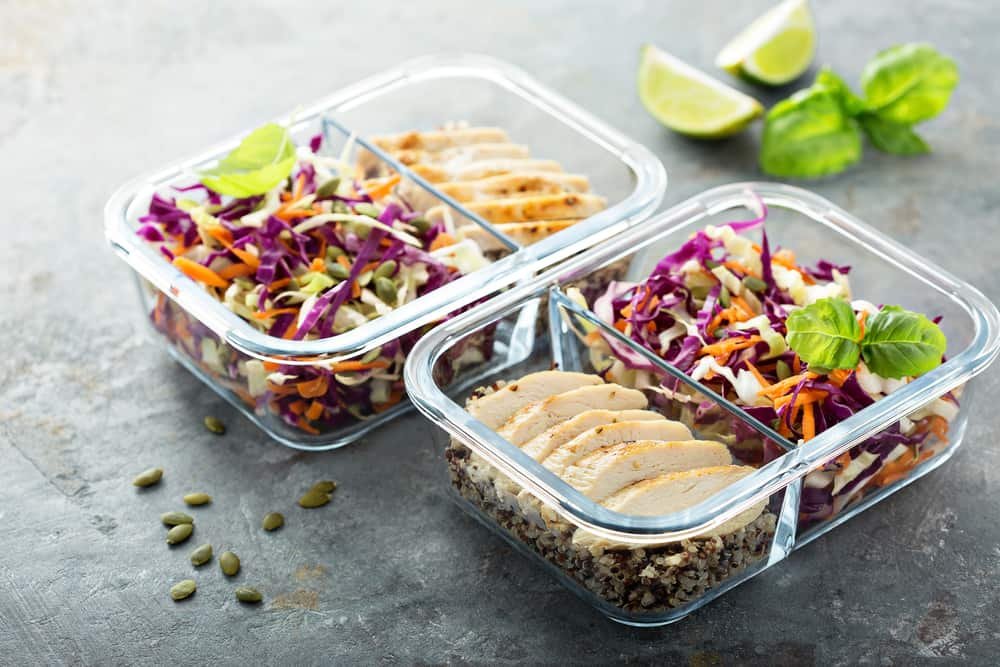
Grabbing a quick snack often means grabbing too much. Studies show individually portioned snacks lead to genuinely lower calorie consumption than eating from standard-size packages — especially helpful early in a weight-loss journey when portion judgment is still developing.
Stock Up on Portion-Sized Containers
Apply the same principle yourself — buy resealable snack bags and small reusable containers, then spend a few minutes measuring and repackaging your favorite healthy snacks each weekend. Store them prominently for easy access, and you’ll be able to snack guilt-free without relying on pricier pre-portioned products.
Clear the Counters
Research from Health Education and Behavior confirms cleaner counters genuinely support cleaner eating. Clear away cereal boxes, soda, candy, and other bulky items — if a large box doesn’t fit in the pantry, buy smaller quantities or invest in hidden storage instead of leaving it visible.
Keep Fruit on the Counter
Fruit is the one genuine exception to the clear-counter rule. The same study found people who kept fruit visible on their counters had a genuinely lower BMI. Choose an attractive bowl, place it front and center in your busiest kitchen spot, and let visibility do the work of nudging you toward healthier choices.
Stow Treats Out of Sight, Highlight Healthy Options
Research in PLoS One confirms proximity genuinely drives food choices — visible food gets eaten. Tuck sugary snacks and high-fat items into the back of cabinets or behind healthier options, and move healthy foods to eye level at the front of your pantry instead.
Keep Water in View
Research in Frontiers in Nutrition confirms adequate hydration genuinely supports fullness and weight management. Keep a water cooler or a bright, personality-matched water bottle in your highest-traffic kitchen area — visibility acts as a natural reminder to refill and sip throughout the day.
Use Colorful Plates
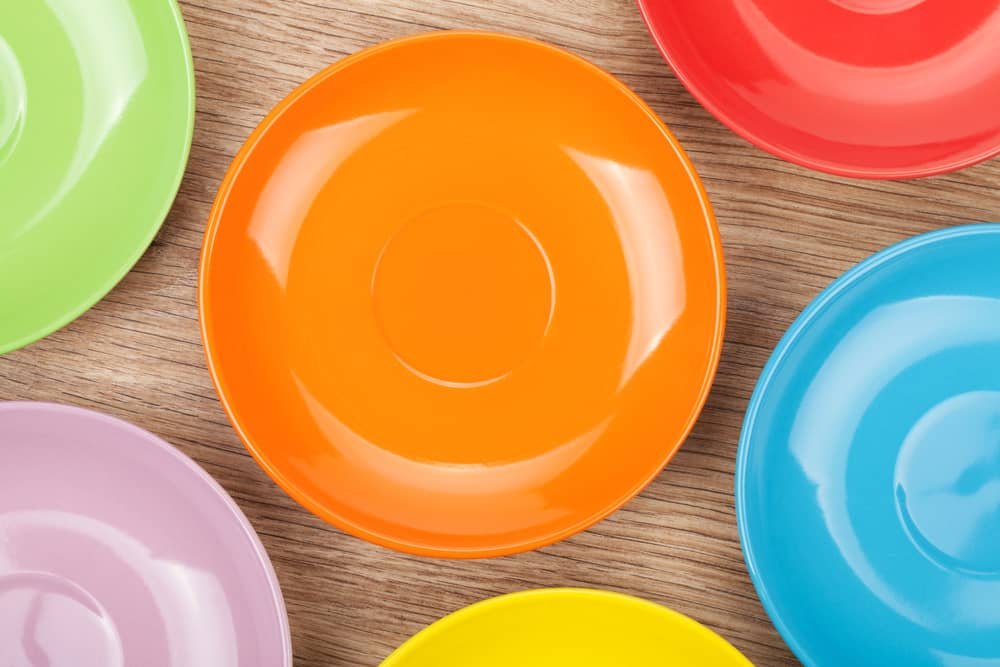
Beyond the fun factor, the Journal of Consumer Research confirms color contrast genuinely helps with accurate portion judgment — food that blends into a similarly colored plate is easy to misjudge. Swap in bold, patterned plates (or a colorful tablecloth) to make portions visually distinct and meals more genuinely appealing.
Establish the Stove as a Serving Station
Serving food from the stove rather than at the table helps cut back on second helpings. Research from the Cornell Food and Brand Lab found this trick reduced calorie intake by up to 20% in women and 29% in men — the extra steps back to the kitchen make you genuinely more likely to feel satisfied with a single portion. Wash and put away your plate immediately after eating, and pack leftovers into individual portions for later.
Make the Dining Table a Tech-Free Zone
Research in The American Journal of Clinical Nutrition confirms phones and tablets at the table genuinely contribute to overeating. Leave devices in another room during meals to keep your attention on your food.
Ban Television at the Dining Table
Research in JAMA Internal Medicine links TV during meals to a genuinely higher BMI in both adults and children — whether from distraction or the added stimulation of loud, action-packed content. Swap screen time for conversation during meals instead.
Clear Out Clutter
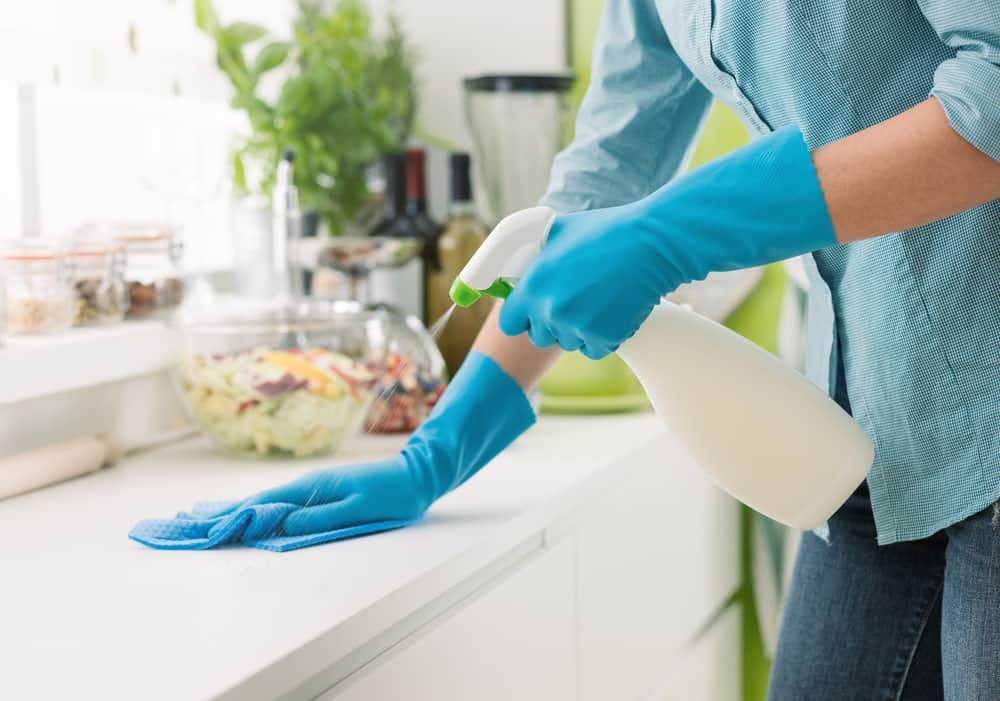
Research in Environment and Behavior links messy kitchens to genuinely increased snacking. Declutter counters, drawers, and cabinets — get rid of anything broken or rarely used, organize by workflow, and eliminate the visual chaos that quietly drives you toward snacking.
Play Soft Music
Restaurants use soft background music for a reason — research in the Journal of the Academy of Marketing Sciences confirms calmer environments genuinely lead to healthier food choices compared to loud ones.
Keep the Dining Room Quiet
Research in Food Quality and Preference found people genuinely eat less when they can hear themselves chewing — the sound itself contributes to feeling satisfied and aware of intake. Keep background noise low during meals.
Nix Oversized Tumblers
A BMJ study found even experienced bartenders poured 20.5% more into short, wide glasses than tall, slim ones. Swap bulky cups for slim glasses to naturally reduce how much you pour of any beverage, and stick to one consistent glass type for more accurate serving sizes.
Hang a Mirror in the Dining Area
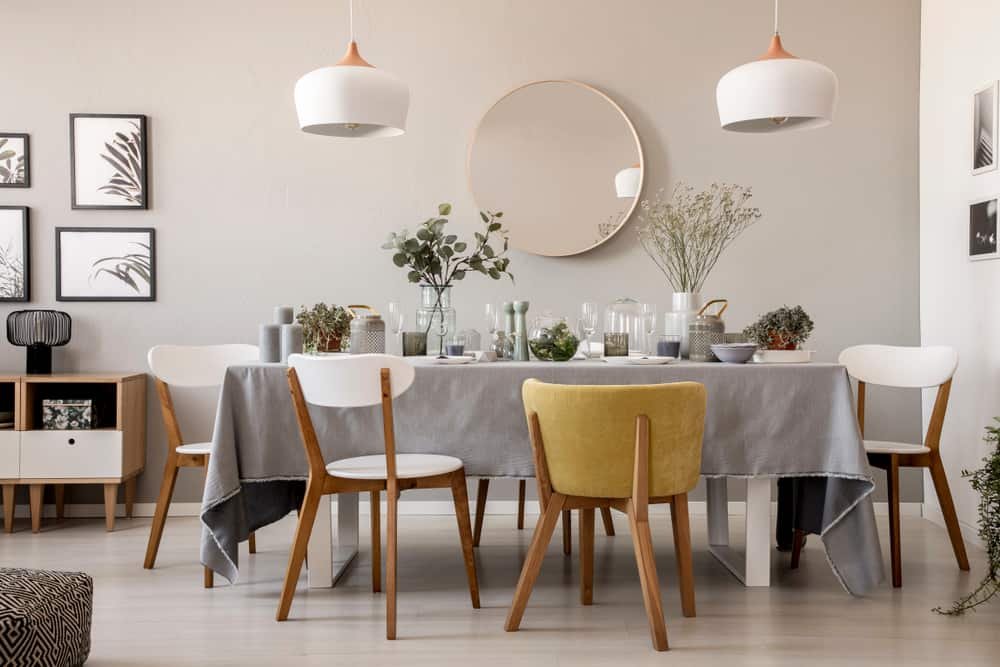
Beyond adding light to the room, research in the Journal of Applied Psychology found seeing your own reflection while eating genuinely reduces consumption of high-fat, high-calorie foods, without discouraging healthier choices.
Use Opaque, Lidded Bowls for High-Calorie Foods
Research in the International Journal of Obesity found people ate genuinely less candy stored in opaque bowls compared to clear ones. Apply this to desserts, cookies, candy, and high-calorie leftovers to keep them out of visual reach.
Add a Well-Stocked Spice Cabinet
Research from the Institute of Food Technologists found low-fat dishes seasoned with herbs and spices rated just as well as their full-fat counterparts. Keep a labeled spice rack front and center — well-seasoned, lower-fat meals genuinely reduce the temptation to revert to heavier versions.
Stock Canned Beans, Lentils, and Chickpeas
Research in the American Journal of Clinical Nutrition found diets rich in peas, beans, and lentils genuinely support weight and body-fat reduction — even without significant calorie cuts. They’re also protein-rich, versatile, and quick to prepare for busy weeknights.

Keep a Notepad and Pen Handy
Research in the Journal of Consumer Behavior confirms shopping with a list genuinely leads to fewer impulse purchases — and since cookies are far easier to impulse-buy than spinach, a list genuinely improves overall nutritional intake too. A digital assistant works just as well as pen and paper if that’s more your style.
Add Pops of Red
One study found people served snacks on red plates ate genuinely less than those using blue or white plates — red’s association with caution may naturally curb overeating. A red tablecloth, napkins, or even an accent wall can achieve the same subtle effect.
Get a Teapot
Research in The Cochrane Database of Systematic Reviews confirms green tea genuinely supports weight loss and maintenance in overweight adults, with Molecules finding similar effects for black tea. A pretty teapot that inspires regular use can double as a craving-curbing tool.
Stock Healthy Breakfast Options
Research in The Journal of Adolescent Health links skipping breakfast to genuine weight gain risk, especially during the transition to adulthood. Set up a dedicated breakfast zone — clear containers of oats or low-sugar cereal, or pre-portioned yogurt and fruit at eye level in the fridge — to make this meal easy to keep, not skip.
Keep a Weight-Loss Journal in the Kitchen
Self-monitoring is genuinely central to lasting behavior change. Log everything you eat and drink daily — over time, patterns and triggers become clear. Keep the journal visible and easy to reach, since consistency is what makes this tool actually work.
Add Measuring Devices
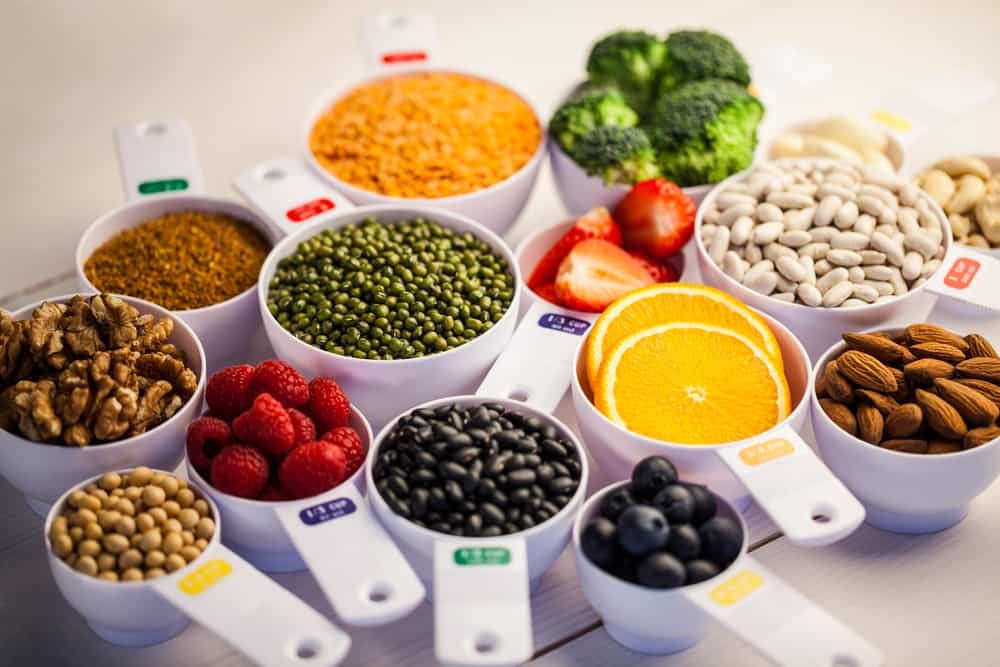
Research in Critical Reviews in Food Science and Nutrition confirms portion control is genuinely essential to weight loss. Stock a few inexpensive sets of measuring spoons, place scoops directly in snack containers, and keep a kitchen scale handy for protein portions — logging these amounts in your food journal too.
Add Soft, Ambient Lighting
Research in Psychological Reports confirms soft dining-area lighting genuinely leads to reduced intake and greater enjoyment of meals — the same relaxation effect as soft music. Swap in lower-wattage bulbs, install a dimmer, or bring in lamps instead of harsh overhead lighting.
Set the Stage for Lasting Success
Changing even one of these kitchen habits can make a genuine difference in your weight-loss journey — and the more you incorporate together, the stronger your odds of lasting success. A kitchen designed to support your goals is a genuinely powerful, often-overlooked piece of the puzzle.
Explore more Health Articles reviews and guides on our site.