Hypoxi Review: 3 Real Facts About This Vacuum Training
Hypoxi combines vacuum technology with low-impact exercise, claiming to burn fat “three times better” than standard workouts by targeting specific problem areas. This Hypoxi review checked what’s actually studied about vacuum-and-compression training, and what the studio-based cost structure looks like. Table of content How We Researched This Hypoxi Review Hypoxi Review: What Is It? What […]

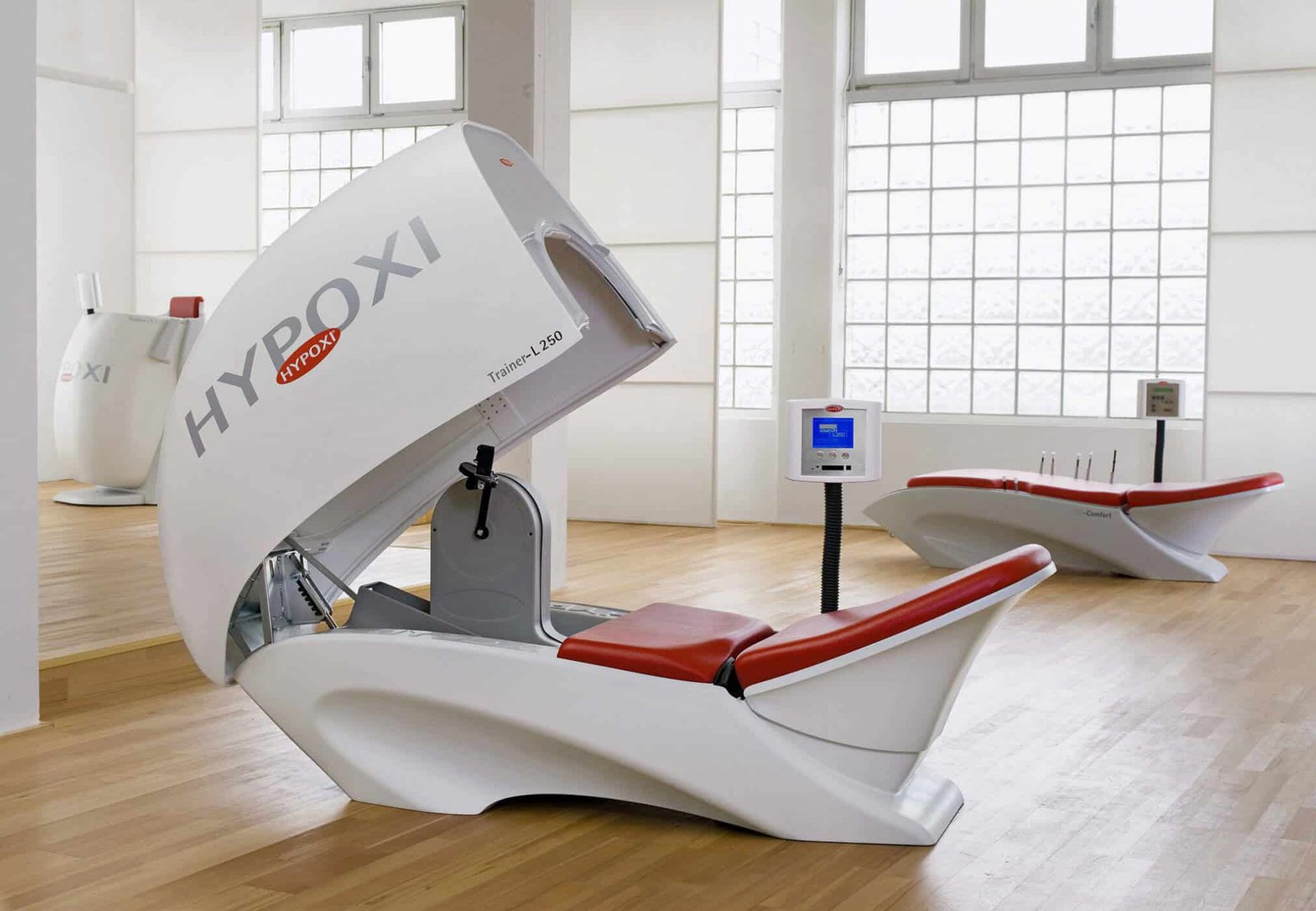
Hypoxi combines vacuum technology with low-impact exercise, claiming to burn fat “three times better” than standard workouts by targeting specific problem areas. This Hypoxi review checked what’s actually studied about vacuum-and-compression training, and what the studio-based cost structure looks like.
How We Researched This Hypoxi Review
This Hypoxi review checked the research on vacuum massage and targeted fat reduction specifically, the company’s own cited studies, and real pricing across Hypoxi’s package tiers.
Hypoxi Review: What Is It?
Founded by Austrian sports scientist Dr. Norbert Egger in the 1980s and now operating in 50 countries, Hypoxi uses four patented machines (S120, L250, Vacunaut, Dermology) that combine vacuum compression with light exercise, targeting the stomach, hips, thighs, and lower back, paired with a required diet plan.
What the Research Actually Shows
- Journal of Cosmetic and Laser Therapy: laser energy combined with vacuum massage showed effectiveness for thigh fat reduction specifically.
- Burns & Trauma: vacuum massage (originally developed for burn treatment) has shown effectiveness for skin and collagen repair.
- StatPearls: there’s no clear scientific consensus that low-carb diets (part of Hypoxi’s required eating plan) cause weight loss specifically, despite their popularity.
Hypoxi cites its own internal studies — a 2010 Hamburg trial and a Salzburg MRI study — but neither is linked to independent, peer-reviewed publication on the company’s site, which limits how much weight to put on those specific results.
What the Program Actually Involves
Sessions run 30 minutes in a vacuum chamber, with package tiers ranging from Fine Tune (4 weeks, 1–3kg expected loss) to Lifestyle (26 weeks, 7+kg expected loss). Every tier requires following a specific diet — no food for two hours post-workout, no carbs for 2–4 hours afterward — meaning results depend on both the machine and strict dietary compliance, not the technology alone.

Cost
Individual sessions run $39–$59, with package deals from $129 to $588 depending on location and tier — a real ongoing cost given the multi-week commitment most packages require.
Side Effects
Reported issues are minor: mild wobbliness after sessions that resolves quickly, and potential discomfort for anyone claustrophobic given the vacuum-sealed environment.
Who Hypoxi Actually Makes Sense For
This fits people who want a low-impact alternative to intense exercise and can commit to both the studio sessions and the required diet plan — the two are inseparable in this program’s design. It’s a poor fit for anyone expecting the machine alone to deliver results without the dietary component, or anyone unable to sustain the multi-week, multi-session commitment the higher tiers require.
Hypoxi Review: Frequently Asked Questions
Hypoxi Review: The Bottom Line
Hypoxi’s vacuum-and-compression approach has some tangential research support (vacuum massage for skin/circulation), but the company’s own key studies aren’t independently published, and the targeted-fat-loss claim isn’t well-supported by broader science. This Hypoxi review found a legitimate low-impact option for people who’ll also commit to the required diet — not a standalone fat-targeting solution.
Find more Diet Guide guides and resources on our site.