Guide to Digestion and Weight Loss
Digestion is what the body does to generate the energy needed to keep going every day. On a basic level, without proper digestion, no other bodily process, weight loss included, works quite as it should. Before diving into how digestion affects weight loss, let’s cover what digestion actually is. Advertisement Table of content What Is […]

Digestion is what the body does to generate the energy needed to keep going every day. On a basic level, without proper digestion, no other bodily process, weight loss included, works quite as it should. Before diving into how digestion affects weight loss, let’s cover what digestion actually is.
What Is Digestion?
Digestion is defined as “the process of breaking down food by mechanical and enzymatic action in the alimentary canal into substances that can be used by the body.” In simpler terms, it reduces the food you eat into smaller components the intestines can process for nutrient absorption and other functions, moving through several distinct stages.
Stages of Digestion
There are six stages of digestion, each preparing food for the next:
Ingestion: Food enters the mouth, where it’s chewed and swallowed, with enzymes beginning to break it down even before it moves further.
Propulsion: The movement of food through the digestive tract. Swallowing is voluntary propulsion; the muscular movement that follows, called peristalsis, is involuntary.
Mechanical/Physical Digestion: Happens mostly in the mouth through chewing, which breaks food into smaller pieces with more surface area. Once in the stomach and mixed with digestive fluids, it becomes a soupy mixture called chyme.
Chemical Digestion: Begins the moment food enters the mouth, where salivary enzymes start breaking it down even before chewing finishes. This is where food is broken into familiar macronutrients — proteins, carbohydrates, and fats.
Absorption: Food needs to break down enough to enter the bloodstream for transport around the body. By the time it reaches the small intestine, earlier stages will have prepared it for this final push before elimination.
Defecation: Alongside swallowing, this is the only other voluntary part of digestion — eliminating what’s left after the stomach and intestines have finished processing. (Lumen Learning)
Organs involved in digestion include the gastrointestinal tract (mouth, stomach, intestines), pancreas, liver, and gallbladder.
Digestion and Nutrients
Nutrient absorption really ramps up once food reaches the small intestine, where digestive juices break it down further. As the small intestine absorbs water from the food, it absorbs the nutrients carried within it too. The full digestive process can take upwards of 24 hours or more.
Once absorbed, nutrients enter the bloodstream, where the circulatory system distributes them to the organs and processes that need them — supporting growth, energy, and cellular repair. (NIH-NIDDK)
Digestion and Appetite
The real link between digestion and appetite comes down to two nutrients: protein and fiber. Both slow digestion enough to help you feel full longer than you would after a meal lacking sufficient amounts of either. Water content plays a role too.
Protein: “Protein takes longer to digest than carbohydrates do, which explains why it can suppress appetite.” More protein tends to strengthen this effect, though too much can convert to carbohydrates and get stored as fat — so there’s a real balance to strike. (Harvard Health Publishing)
Fiber: Similarly slows digestion, but through a different mechanism — the body simply can’t fully digest it. Undigested fiber adds bulk to waste and helps move it through the digestive tract.
The research on fiber and appetite is genuinely mixed. A 2013 study found no significant impact on food or energy intake — participants eating more fiber didn’t necessarily eat less. (Journal of the American College of Nutrition) Yet 2017 research found a genuine connection between fiber intake and appetite. (Food and Nutrition Research) Either way, more fiber remains solidly good for overall health, especially colon health.
Digestion and Probiotics
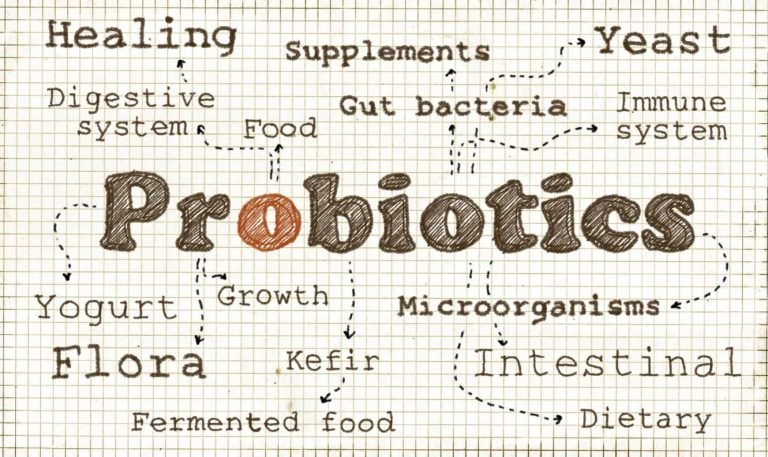
What exactly are probiotics and prebiotics? “Probiotics are live microorganisms that are intended to have health benefits when consumed or applied to the body. They can be found in yogurt and other fermented foods, dietary supplements, and beauty products. Although people often think of bacteria and other microorganisms as harmful ‘germs,’ many are actually helpful. Some bacteria help digest food, or produce vitamins. Many of the microorganisms in probiotic products are the same as or similar to microorganisms that naturally live in our bodies.” (National Center for Complementary and Integrative Health)
Prebiotics are essentially what probiotics feed on — without them, the probiotic microbiome couldn’t thrive or support digestion and nutrient absorption. Prebiotics break down in the gastrointestinal tract, releasing short-chain fatty acids into the bloodstream.
Despite their generally positive role, probiotics aren’t right for everyone — particularly people with compromised immune systems. (Therapeutic Advances in Gastroenterology)
Probiotics and Weight Loss
Since probiotics influence digestion, some proponents argue they could influence weight loss too. Obesity is linked to unfavorable shifts in gut microbiota, and reestablishing a healthier probiotic balance may support more efficient processing and absorption of nutrients. Research backs this up to a degree: “Probiotics have been shown to influence the composition of the gut microbiota, improve gut integrity, and restore the microbial shifts characteristic of obesity.” (Nutrients)
Other research on synbiotics (combined probiotics and prebiotics) suggests they “may increase weight management effects due to synergistic effect on short-chain fatty acid production and microbiota ‘re-configuration.'” (European Review for Medical and Pharmacological Sciences)
Not all research agrees, though. One review found no solid connection between probiotics and weight management, concluding instead that “control of diet and environmental and lifestyle factors that favor obesity development remain the best solution to problems related to weight gain.” (Nutrients) A broader review of all research through 2018 reached the same conclusion — probiotics didn’t show a clear effect on weight loss. (Obesity Reviews)
Bottom line: probiotics may indirectly influence weight through changes in digestion, nutrient use, fluid balance, and elimination — but the effect is subtle and not guaranteed.
Foods That Are Easy to Digest
Everyone deals with digestive comfort at some point, and some foods are simply gentler on the system than others — though “easy to digest” doesn’t necessarily mean “ideal for weight loss.”
Fiber is the key factor here. Most people consume roughly half the fiber they should — under 15g daily versus the recommended 35g. Foods that are easiest to digest tend to be cooked or processed, which strips out fiber. A fresh pear, for instance, might have 5g of fiber, while canned pears drop to under 3g — a meaningful difference against a 15g daily total.
Other easily digested, typically low-fiber foods include:
- Canned fruits
- Canned vegetables
- Ground meat
- Refined grains
- White bread, pasta, and rice
Generally, these foods contain fewer than 2g of fiber per serving. Because they’re often processed, they lose some of their best nutrients along with the fiber. And since fiber itself is indigestible, it doesn’t directly affect hunger, but it does slow digestion, helping you stay full longer — which can support weight loss indirectly.
Foods That Are Hard to Digest
On the flip side, several foods that are genuinely useful for weight loss also happen to be harder to digest.
Fried Foods
The base ingredient may be perfectly digestible, but cooking in oil can wreak havoc on the intestines — high-fat foods are a common trigger for diarrhea, gas, and bloating.
High-Fiber Fruits
Fiber shows up again — nearly every naturally high-fiber food doubles as a genuinely useful weight-loss food. Slower digestion here tends to mean eating less overall.
Artificial Additives
Sugar substitutes and similar additives can cause gas, bloating, cramping, and diarrhea simply because the body can’t fully digest them. Even with near-zero calories, the digestive discomfort is worth weighing before reaching for that bag of sugar-free candy — and not all “sugar-free” products are actually low-calorie or low-fat.
Beans
Another excellent fiber source. Since fiber passes through the digestive system largely intact, it adds the bulk that makes beans effective as a natural, gentle laxative and a genuinely helpful weight-loss food.
Green Leafy Vegetables
One of the best weight-loss foods also lands on the harder-to-digest list. Leafy greens and similar vegetables (often grouped as “roughage”) are packed with nutrients, vitamins, minerals, and fiber, and they help move waste efficiently through the body.
Spicy Foods
Spicy food can support weight loss simply by slowing down how fast you eat. Ironically, that same heat, thanks to capsaicin in peppers, can also cause digestive discomfort like heartburn and indigestion.
Symptoms and Side Effects of Poor Digestion
Struggling to digest food properly can show up as:
- Changes in weight
- Difficulty sleeping
- Poor sleep quality
- Fatigue
- Irritated skin
- Bad breath
- Constipation
Research Into Digestion and Weight Loss
Reducing intestinal digestion and absorption of fat — ACS Nano
Ingested nanocellulose “reduced the absorption of ingested fat and thereby assist[ed] in weight loss and the management of obesity.”
The gut microbiome and its role in obesity — Nutrition Today
“Obesity and obesity-related metabolic conditions are characterized by specific alterations in the composition and function of the human gut microbiome,” raising the possibility that addressing gut health could meaningfully impact weight.
Is it time to use probiotics to prevent or treat obesity? — Nutrients
Evidence exists on both sides, leaving the relationship between gut health, digestion, and weight loss genuinely unsettled.
Weight-loss interventions and gut microbiota changes in overweight and obese patients: a systematic review — Obesity Reviews
Prebiotics may help reduce body fat, though weight-loss interventions like bariatric surgery and restrictive diets can negatively affect colon health via gut microbiota shifts.
Effect of high-fat diet and obesity on gastrointestinal motility — Annals of Translational Medicine
During obesity, nutrient absorption changes, and fullness signals originating in the small intestine may not reach the brain effectively.
Obesity and the Gastrointestinal System
We’ve covered how digestion affects weight — but what about the reverse, how obesity affects digestion?
Gastrointestinal complications of obesity — according to Gastroenterology, people with obesity commonly develop gastro-related conditions.
Insights into the role of gut microbiota in obesity — Protein & Cell
“Variation in gut microorganisms might play an important role in the pathogenesis of obesity. Although the composition of intestinal microbiota is highly diverse in healthy individuals, those exhibiting overall adiposity, insulin resistance, and dyslipidemia are characterized by low bacterial richness.”
Gastrointestinal symptoms in obesity — Frontiers in Medicine
Obese individuals reported more gastrointestinal symptoms overall, including stomach pain and changes in bowel habits, compared to non-obese individuals.
Final Take on Digestion and Weight Loss
The digestive system clearly plays some role in weight loss, maintenance, and gain, even if the exact mechanics remain a bit murky. As researchers put it, “the observed anti-obesity effects of probiotics and prebiotic therapies are still obscure.” What is clear is that the foods you eat, and how well your body processes them, touch nearly every part of your health, energy, and weight — making digestion an important, if often overlooked, piece of the weight-loss puzzle.
Explore more Health reviews and guides on our site.