Good Sleep Hygiene: A Nutrition-Based Look at Sleep
When was the last time you genuinely slept well? Table of content What Counts as a Good Night's Sleep? Why Do We Sleep? Good Sleep Hygiene 101 Sleep and Nutrition: How They're Connected Which Diet Supports the Best Sleep? Bottom Line Quality sleep is one of the true cornerstones of a healthy life — our […]


When was the last time you genuinely slept well?
Quality sleep is one of the true cornerstones of a healthy life — our bodies and minds need it to properly recharge. Yet with how hectic modern life has become, getting a full eight hours can feel genuinely elusive. The good news: understanding the science of sleep is a real first step toward improving it.
What Counts as a Good Night’s Sleep?
Humans are diurnal — active during daylight, sleeping at night. Within that, most people fall somewhere between two extremes: “night owls” (more active in the evening) and “larks” (early risers, ready to go before everyone else).

Research in Biological Psychology found night owls can genuinely adapt toward lark-like sleep patterns, with larks generally napping less and reporting fewer cognitive and health issues overall — though night owls’ sleep patterns weren’t drastically different from the general population.
Two biological factors shape our sleep: your circadian rhythm (your internal 24-hour clock, driven by light and temperature cues rather than the literal clock on the wall) and sleep-wake homeostasis (your desire to sleep building the longer you’re awake).
Sleep itself has two stages: non-REM (three sub-stages, moving from light transition sleep through deep restorative sleep) and REM — marked by rapid eye movement, tensed muscles, and increased heart rate and breathing — the stage responsible for dreaming and memory consolidation.
Adults genuinely need 7-9 hours nightly, ideally with no more than one brief interruption (returning to sleep within 20 minutes). Teens need anywhere from 6-11 hours depending on the individual. Good sleep also means falling asleep within about 30 minutes of getting into bed.
Why Do We Sleep?
It’s a genuinely strange behavior when you think about it — hours of daily unconsciousness seems like an evolutionary liability. Yet nearly every animal sleeps, from insects to predators. Several theories attempt to explain why:
Inactivity Theory
An older, largely discarded idea suggesting sleep reduced the odds of encountering danger — though it fails to explain why sleep leaves us unconscious and vulnerable in the first place.
Energy Conservation Theory
Sleep genuinely lowers metabolic demand, conserving resources — historically valuable when food was scarce. Technically accurate, but incomplete as a full explanation.
Restorative Theory
Widely supported today — severe sleep deprivation can genuinely impair immune function, and certain cell growth and healing happen primarily during sleep. Sleep also clears adenosine, a neurochemical that builds up during waking hours.
Brain Plasticity Theory
Sleep genuinely shapes brain development, particularly critical during infancy and childhood, and plays a real role in memory and emotional regulation.
Good Sleep Hygiene 101
Research in Behavioral Medicine confirms that simply learning about good sleep hygiene can genuinely improve sleep long-term, particularly for young adults building lasting habits.
Keep a Regular Sleep Schedule
A consistent bed and wake time, synced with your natural circadian rhythm, is genuinely foundational. About 10% of shift workers experience “shift-work sleep disorder,” per the Handbook of Clinical Neurology — a reminder of how disruptive irregular schedules genuinely are.
Nap Smart
Napping itself isn’t the problem — timing is. Per the Journal of Sleep Research, naps can genuinely support good sleep hygiene, and structured “nap time” during demanding shifts (like nursing) can boost both health and performance, per the Journal of Advanced Nursing. Just avoid napping close to bedtime, since it competes directly with your nightly sleep drive.
Build a Bedtime Routine
A consistent pre-sleep pattern — reading, light relaxation — genuinely eases the transition to sleep. Smartphones are the one thing worth cutting from that routine.
Watch Your Screen Time
Research in the Journal of Behavioral Addictions confirms excessive pre-bed screen use genuinely disrupts sleep — both through light exposure affecting circadian rhythm and the cognitive stimulation of active screen use. Limiting phone use, enabling night mode, or putting devices away entirely genuinely helps.
Optimize Your Sleep Environment
Comfortable temperature and bedding, staying hydrated, minimizing noise, and mentally setting aside the day’s worries all genuinely support smoother, less interrupted sleep.
Don’t Work Out Right Before Bed
A meta-analysis in the Journal of Evidence-Based Medicine confirms regular exercise genuinely improves sleep outcomes — but working out too close to bedtime can rev the body up and delay sleep onset. Time workouts earlier in the day where possible.
Sleep and Nutrition: How They’re Connected
Sleep and diet are genuinely intertwined pieces of overall health, and ongoing research, including a study in Nutrients, continues refining our understanding of exactly how.
The Science of Eating Before Bed

The old “don’t eat before bed” advice is a bit oversimplified — research in Nutrients suggests it’s really about what you eat. Heavy, fatty, sugary meals genuinely disrupt sleep by overtaxing digestion. A light, nutrient-dense snack, on the other hand, can genuinely support better rest — the body processes it easily and puts those nutrients to work supporting restorative sleep.
Good Pre-Bed Snacks
Favor lean protein (white meat, plant-based protein, cottage cheese), fruits and vegetables (dark greens like broccoli are especially good), and nuts. A small veggie wrap, a light spread, or a homemade protein bar all work well — healthy doesn’t have to mean bland.
What to Avoid Before Bed
Ice cream, leftover pizza, and fast food are genuinely poor choices. Sugar- and carb-heavy meals trigger a large insulin response, which can leave you sluggish during the day and tossing and turning at night — the same hormonal shifts driving both effects.
Caffeine and Sleep
Caffeine doesn’t actually give you energy — it blocks adenosine receptors, essentially masking tiredness rather than eliminating it. Effects can last up to 6 hours, meaning afternoon caffeine can genuinely disrupt nighttime sleep for many people.
Alcohol and Sleep
Despite its reputation as a sleep aid, alcohol genuinely undermines sleep quality. Research in Alcohol confirms it may speed sleep onset, but it disrupts the second half of the night — the portion responsible for feeling rested and consolidating memory. Limiting alcohol before bed genuinely improves overall sleep hygiene.
Blood Sugar and Sleep
Foods that spike insulin genuinely make falling asleep harder. Research from the Children’s Hospital of Eastern Ontario Research Institute confirms improved sleep habits genuinely support better blood sugar regulation, and Sleep Medicine Reviews confirms the relationship runs both ways — better sleep supports better glycemic control too.
Saturated Fat and Sugar
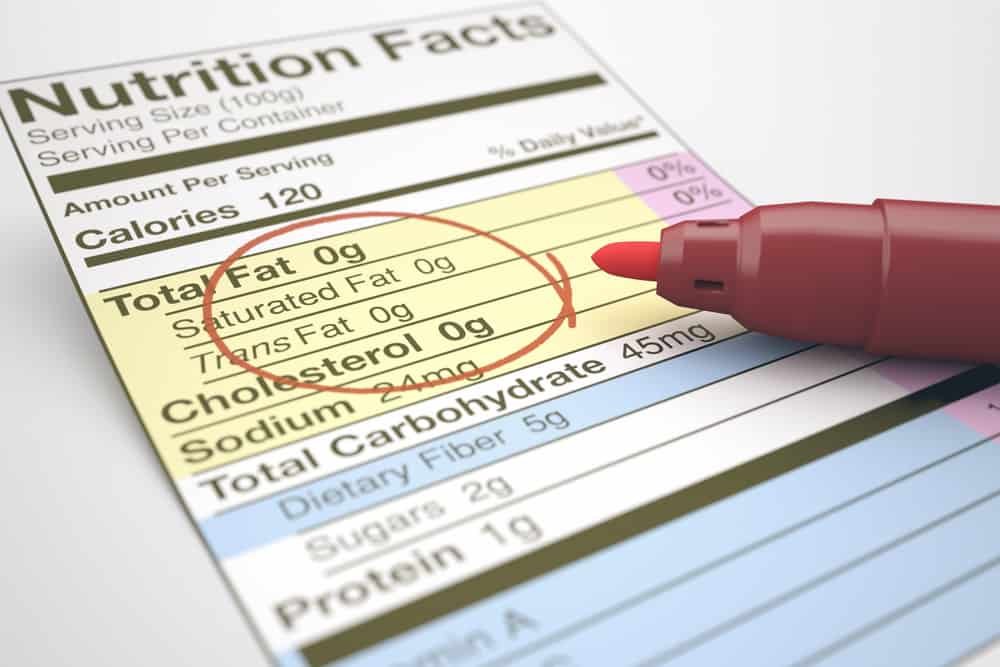
Research in the Journal of Clinical Sleep Medicine found diets high in saturated fat and low in fiber genuinely led to lighter, less restorative sleep — taking longer to fall asleep, with more nighttime interruptions — compared to healthier diets.
High-Fiber Diets and Sleep
Research from Advances in Nutrition confirms fiber genuinely improves both sleep onset (falling asleep faster) and sleep stability (fewer nighttime awakenings) — a meaningful, often-overlooked nutritional lever for better rest.
Diet and Sleep-Related Conditions
Sleep apnea, a potentially serious condition involving airway obstruction during sleep, genuinely worsens with diets high in fatty foods and red meat, per research in Sleep — another reminder that diet and sleep quality are deeply connected.
Which Diet Supports the Best Sleep?
Small Changes, Real Impact
Research in Nutrients identifies foods that genuinely boost serotonin, melatonin, and tryptophan — cherries, almonds, turkey, kiwi, fatty fish, and walnuts all support better sleep quality without adding anything that could interfere with rest.
Bigger Dietary Shifts
Diets like the Mediterranean diet — naturally low in saturated fat, high in fiber and sleep-supporting nutrients — are genuinely associated with improved sleep habits. Rather than chasing general advice, look for an inherently healthy eating pattern that fits your specific needs.
Bottom Line
Sleep and nutrition are genuinely inseparable pieces of overall health. Improving what you eat is one of the most accessible starting points for better sleep hygiene — and the benefits tend to ripple outward into better energy, mood, and long-term wellbeing.
Explore more Diet Guide reviews and guides on our site.
Overall, sleep hygiene remains worth understanding before you decide.