
Gardening with Kids for Healthier Children
Children are naturally curious and learn best by doing — and what’s more hands-on than digging in the dirt? Working in the garden gives kids the satisfaction that comes from caring for something over time and watching it grow, all while picking up real lessons about healthy eating along the way. If your child is […]

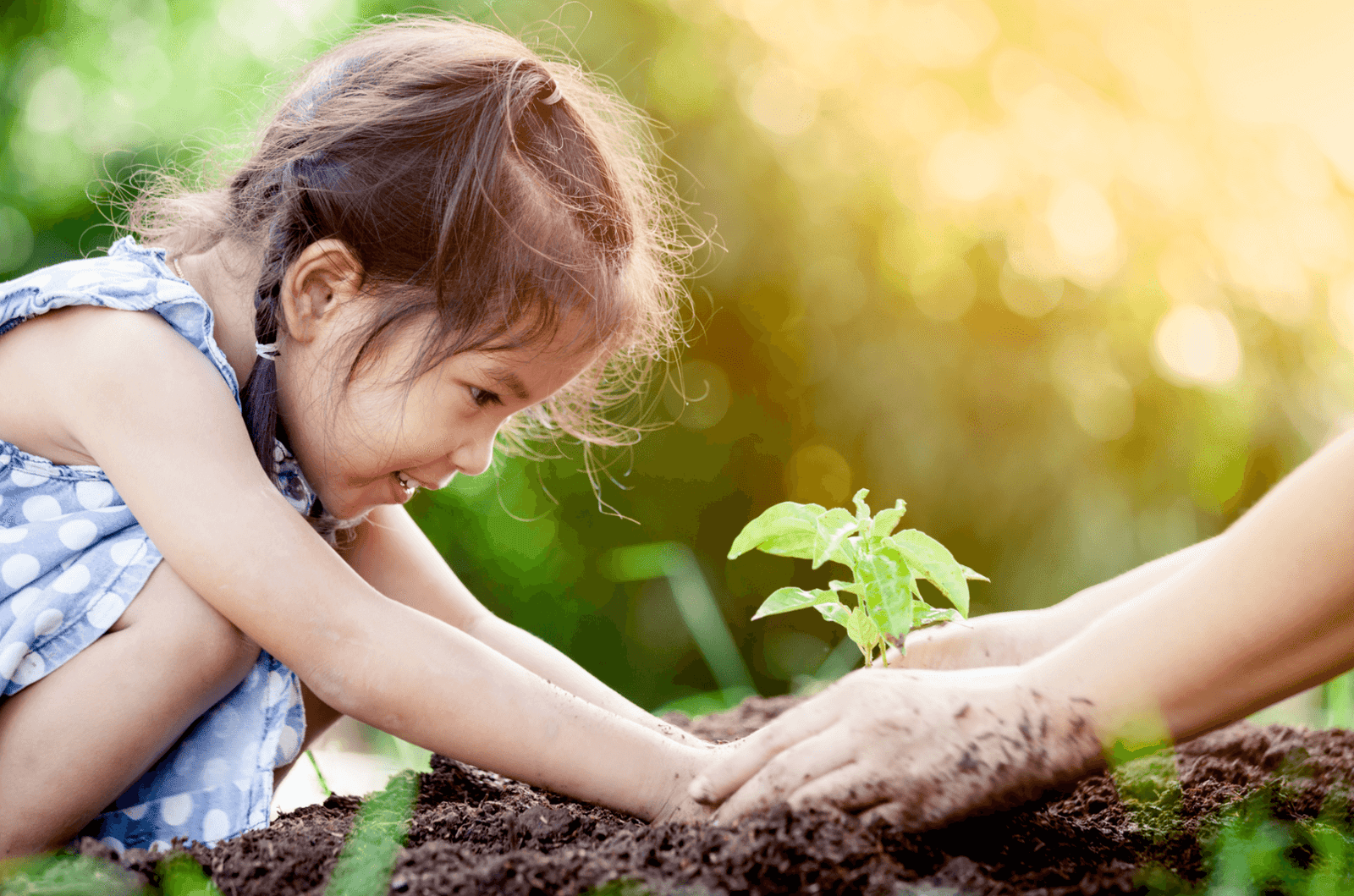
Children are naturally curious and learn best by doing — and what’s more hands-on than digging in the dirt? Working in the garden gives kids the satisfaction that comes from caring for something over time and watching it grow, all while picking up real lessons about healthy eating along the way. If your child is a picky eater who turns up their nose at vegetables, gardening can be a genuinely effective way to bring them around.
Benefits of Gardening for Kids
Gardening with Kids Promotes Healthier Eating
Gardening genuinely encourages kids to eat better. Research on hands-on school gardening programs has found that students develop a stronger preference for snacking on fruits and vegetables after participating. When parents get involved in gardening alongside their kids, the results tend to be even better — studies have linked growing food at home to increased home food preparation and roughly a 40% jump in fresh produce consumption among adults.
Gardening with Kids Provides Moderate Exercise
Tasks like digging, raking, and turning compost engage a surprising number of muscles. Depending on intensity, an hour of gardening can burn anywhere from 250 to 500 calories. Beyond the calorie burn, the activity itself teaches kids healthy movement patterns and keeps them outside and away from a screen.
Gardening with Kids Helps Build Confidence
Gardening helps kids feel genuinely capable as they see what they can accomplish by nurturing something from seed to harvest. Encouraging them to make real decisions — “Is there enough sunlight in this spot?” — and journal the process gives them something tangible to look back on and take pride in.
Relieves Stress
Gardening also teaches kids how to relax and self-regulate. Research shows it has a genuinely calming effect on the brain, with benefits that extend well beyond the activity itself — including a measurable drop in the stress hormone cortisol that persists even after a recovery period.
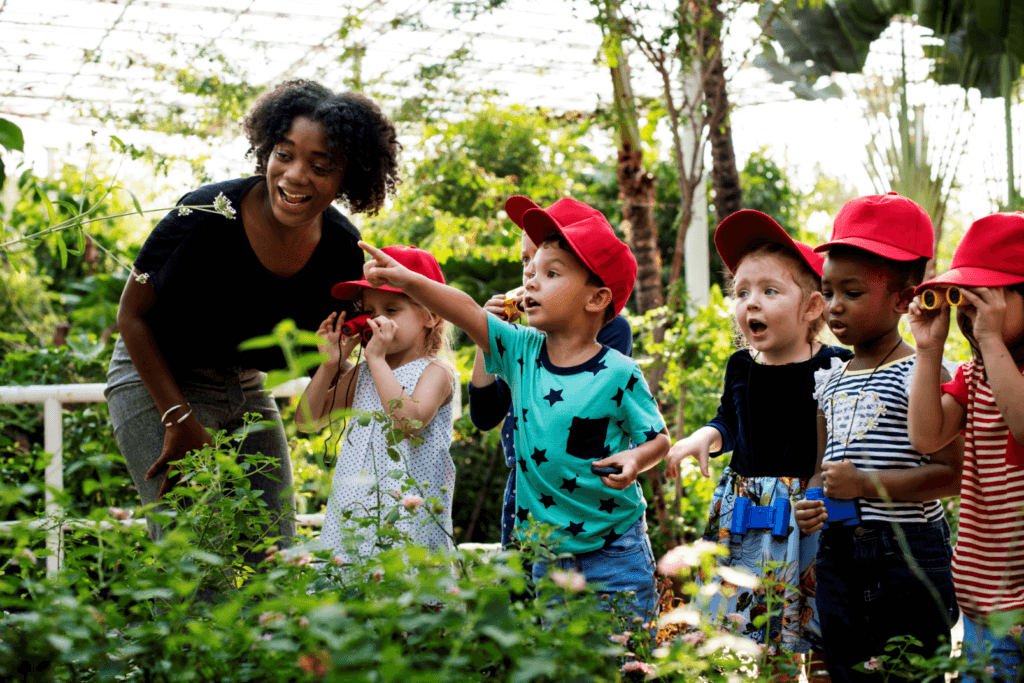
How to Get Started Gardening with Kids
Give Them Their Own Space
Even something small — a raised bed repurposed from an old sandbox — helps kids feel genuinely invested in the garden when it’s clearly theirs. Let them choose what to plant, and walk them through how to properly care for it.
Give Them Tools
Gardening requires tools, and plenty of kid-friendly options exist to get the job done safely. Bringing kids along to pick out their own tools, and explaining what each one does, adds another layer of ownership to the experience.
Engage Them Throughout the Entire Process
Ideally, kids start with the seed, watch it grow, and learn to tend the plants — but the process shouldn’t stop there. Helping them see how food travels from garden to table to plate closes the loop. Encourage them to brainstorm healthy meals that use what they’ve grown, and let them help prepare those meals too. If it’s too early to plant outside, let them pick containers for starting seeds indoors, or have them make garden markers to label each row.
What to Plant
Lettuce
A quick, reliable crop that gives kids fast results and a natural entry point into loving salads. Lettuce tolerates partial shade well, making it a solid choice for gardens without full sun. Keep the soil especially moist for the first two weeks — seeds germinate within 7 to 10 days, with a growing season of 40 to 50 days. Both head and leaf varieties work, though leaf lettuce matures a bit faster.
Snow Peas
An early, fast-growing crop that’s great for eating straight off the vine. Seeds germinate in about ten days and mature in roughly 60. They’re popular with kids since the pod itself is edible, and as dwarf plants, they don’t require a trellis.
Carrots
Carrots germinate slowly, making them a genuinely good way to teach patience. Smaller varieties tend to work best for kids, since they’re easier to grow and more satisfying to harvest and eat.
Radishes
Radishes deliver quick wins for young gardeners, germinating in 3 to 10 days with a short 20-to-30-day growing season. Plant them 4 to 6 inches apart. Cool weather produces a milder radish, while hot weather brings out more heat.
Potatoes
Considered a nearly foolproof crop, potatoes grow successfully in many varieties. Red potatoes tend to mature fastest, making them a good pick for impatient young gardeners.
Bush Beans
A fast, easy, high-yield crop. Since they don’t grow tall, they’re easy for kids to harvest. Seeds germinate in 4 to 8 days and mature in roughly 45 to 65 days. Plant a small patch, then stagger a second planting a few weeks later to extend the harvest. Low bush varieties are the easiest for children to pick.
Squash and Zucchini
Easy, fast-growing, and impressively large by harvest time — though it may take a good recipe to get kids genuinely excited about eating it. Zucchini bread is a great place to start.
Cherry Tomatoes
A genuinely fun crop for kids. Plant from seedling rather than seed for best results, and consider growing in containers if garden space is tight.
Strawberries
Sweet and rewarding, strawberries show kids a healthier way to satisfy a sugar craving. They do attract predators, so everbearing varieties — which produce smaller fruit but bear all summer — tend to work best, and netting the plants helps protect them from birds and raccoons.
Themed Gardens
Building a theme around what you plant can make the whole project more engaging:
- Salsa Garden: Tomatoes, onions, peppers, cilantro, corn, and garlic — everything needed for homemade salsa on taco night.
- Herb Garden: A mix of favorites like basil, mint, cilantro, parsley, oregano, chives, and dill. Dress it up as a fairy garden, or grow it indoors if space is tight.
- Rainbow Garden: A variety of fruits and vegetables spanning every color of the rainbow — genuinely healthy by design.
- Teepee Garden: Long poles and rope form a teepee frame, with climbing vegetables like green beans planted at the base.
The Bottom Line on Gardening with Kids
Gardening with children checks a remarkable number of boxes at once — better eating habits, real physical activity, growing confidence, and genuine stress relief, all wrapped into an activity kids can lead themselves. Starting small, giving them ownership over their own space, and picking a few fast, forgiving crops to start with is usually all it takes to turn gardening into a habit the whole family looks forward to.
Explore more Health Articles reviews and guides on our site.
For general guidance on healthy weight management, see the resources available from the CDC.