Flexible Dieting: Stretching a Diet to Gain Control and Lose Weight
Is flexible dieting the answer to sustainable weight management? If you’re looking for a nutrition approach tailored to your own body rather than a rigid one-size-fits-all plan — one that gives you room to breathe and finally lets go of the all-or-nothing diet mentality — flexible dieting might be worth a closer look. Table of […]

Is flexible dieting the answer to sustainable weight management? If you’re looking for a nutrition approach tailored to your own body rather than a rigid one-size-fits-all plan — one that gives you room to breathe and finally lets go of the all-or-nothing diet mentality — flexible dieting might be worth a closer look.
If you’re tired of starting the same strict diet every Monday only to feel frustrated and hungry by Wednesday, this approach offers a genuinely different mindset, one built for long-lasting results rather than short bursts of willpower.
What Is Flexible Dieting?
Flexible dieting centers on hitting your daily macronutrient targets — protein, fat, and carbohydrates — within your individual calorie needs for fat loss. Each macronutrient carries its own caloric value: protein and carbs provide four calories per gram, while fat provides nine.
Flexible dieters track their macros alongside their total calorie goals. For example, a 2,000-calorie day might break down into 150g protein, 170g carbs, and 80g fat — or, for someone who prefers more carbs, 100g protein, 220g carbs, and 80g fat.
How Is Flexible Dieting Different From Other Diets?
Often nicknamed the “anti-diet,” flexible dieting drops the all-or-nothing mentality and the “good food/bad food” labeling that comes with most traditional diets. Instead, it teaches you to view food simply as nutrients your body needs.
Most conventional diets are rigid, complicated, and hard to sustain beyond the first few months. Flexible dieting takes the opposite approach — it customizes your meals to your individual needs, allows occasional treats, and drops the expectation of eating “perfectly” every day, all while prioritizing long-term, sustainable results over rapid initial loss.
Flexible Dieting Starts Where Maintenance Usually Begins
This approach essentially takes the maintenance phase most diets treat as an afterthought and makes it the foundation of the entire plan. Since it’s a lifestyle rather than a temporary diet, people who’ve struggled with food in the past often find they can finally relax and enjoy eating again.
Benefits of Flexible Dieting
This approach is best known for being:
- Flexible
- Easy to follow
- Sustainable
- Effective long-term
Flexible dieting lets you shape your food choices around your actual lifestyle while still working toward your goals. It also builds in a kind of forgiveness — enjoying a favorite meal doesn’t mean falling off the plan. Since nothing is strictly off-limits, the deprivation that often comes with traditional dieting tends to fade, replaced by a healthier relationship with food.
That said, “eat what you want” isn’t a free pass to ignore sound nutrition — most people can’t prioritize junk over balanced meals and still expect fat loss. The real appeal is the freedom that comes from not chasing perfection every single day.
One Off Meal Isn’t a Failure
A flexible dieter understands that a single meal outside their usual routine won’t derail their progress. At a special event, they’ll simply enjoy the meal without guilt and move on. Someone on a stricter plan, like the HCG diet, might avoid the event entirely or binge and spiral into a restrict-binge cycle instead.
Flexible dieting arguably puts as much emphasis on maintaining fat loss as it does on achieving it in the first place — arguably more. Starting with the maintenance phase in mind makes it easier to build habits that actually fit into everyday life.
Tips to Get Started With Flexible Dieting
Any effective fat-loss plan requires a calorie deficit, adequate protein, some essential fatty acids, and ideally regular exercise. A few practical steps:
Know your caloric needs. Weight loss requires burning more than you consume. Calculate your daily needs based on height, weight, and activity level — a generic 1,200 or 1,500 calorie plan won’t work if your body actually needs 2,000 calories to function well.
Try the 80/20 approach. Aim for 80% of your calories from quality, nutrient-dense foods (prioritizing protein at each meal) and the remaining 20% from foods you simply enjoy.
Balance your macros at each meal. Lean protein, moderate fat, unlimited vegetables, some fruit, and moderate carbs at each sitting helps preserve muscle, sustain energy, and support hormone function.
Prioritize fiber. Women need about 25 grams daily, men about 38 grams. Good sources include beans, peas, chickpeas, whole wheat flour, artichokes, barley, berries, prunes, leafy greens, sweet potatoes, okra, broccoli, and pumpkin.
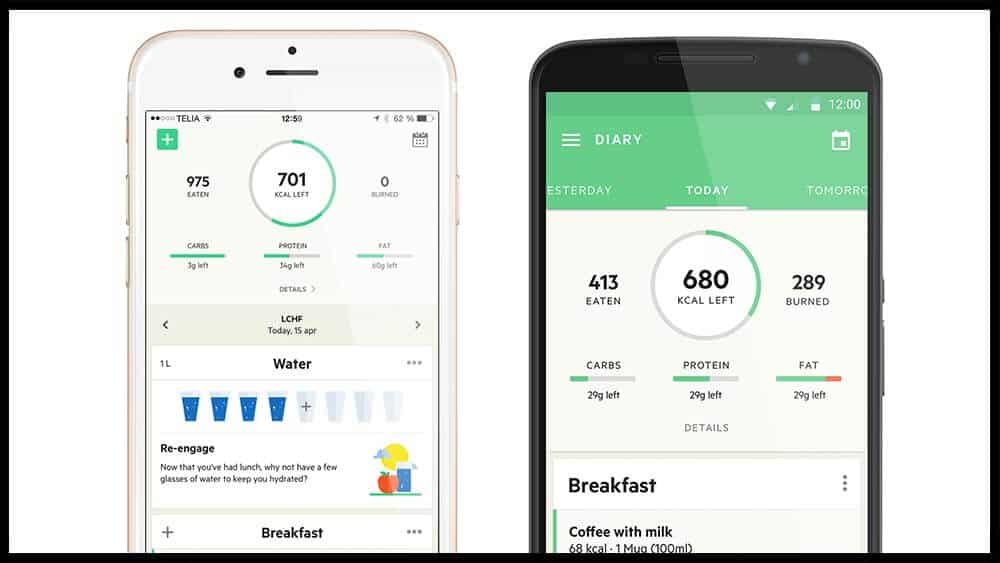
Track your macros and calories, at least until you get a feel for portions — a food tracking app makes this much easier. Just remember you don’t need to hit your numbers exactly every single day; the point is long-term consistency, not daily perfection.
Is Flexible Dieting Right for You?
If you’re ready to enjoy eating again while working toward lasting results, flexible dieting is worth trying — and you can start today. Set aside the rigid rulebooks, find your balance, and treat this as a lifestyle shift rather than another short-term diet.
The Bottom Line on Flexible Dieting
Flexible dieting offers a sustainable, less restrictive alternative to traditional diets by focusing on macronutrient balance rather than strict food rules. For anyone who’s struggled to stick with rigid plans in the past, it offers a realistic path toward both weight loss and long-term maintenance.
For general guidance on healthy weight management, see the resources available from the CDC.