
Fit For Life Review: 3 Real Facts to Know First
Fit For Life built its 1980s bestseller status on “food combining” — the idea that eating proteins and carbs together causes food to “ferment” in your stomach. This Fit For Life review checked that core premise against actual digestive science, and found a real credibility problem behind the diet’s authors. Table of content How We […]

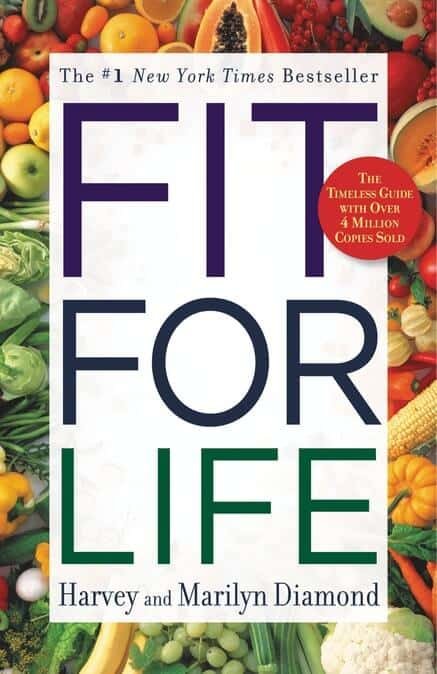
Fit For Life built its 1980s bestseller status on “food combining” — the idea that eating proteins and carbs together causes food to “ferment” in your stomach. This Fit For Life review checked that core premise against actual digestive science, and found a real credibility problem behind the diet’s authors.
How We Researched This Fit For Life Review
This Fit For Life review checked the science behind food combining specifically, the research on whole grains and raw produce the diet does get right, and the documented credibility issues with co-author Harvey Diamond.
Fit For Life Review: What Is It?
Created by Harvey and Marilyn Diamond and popularized through their 1985 bestseller, Fit For Life is built on food-combining rules: fruit alone in the morning, never mixing animal protein with complex carbohydrates, and prioritizing raw, high-water-content foods over processed ones.
The Food Combining Premise: Not Well Supported
This is the core issue: the idea that mixing food groups causes harmful “fermentation” isn’t backed by digestive science — the human digestive system is well-equipped to break down mixed meals simultaneously. Where the diet does align with real research is elsewhere:
- American Journal of Clinical Nutrition: whole grains may favorably influence energy balance and are linked to reduced body weight — supporting the diet’s whole-grain emphasis specifically.
- Frontiers in Psychology: raw fruit and vegetable consumption is linked to better mental health outcomes.
- Advances in Nutrition: broadly eliminating refined grains isn’t well-supported by the evidence base, contradicting one of the diet’s stricter rules.
A Real Credentials Problem
Harvey Diamond’s doctorate came from the American College of Life Science — a non-accredited institution, and his credentials have been directly disputed. This matters because the diet’s central claims (food fermentation causing weight gain) rest heavily on Diamond’s own authority rather than peer-reviewed research, and several claims in the program’s “Clinical Manual” lean on alternative-medicine framing not supported by conventional science.
Does Fit For Life Actually Cause Weight Loss?
Likely yes, for many followers — but probably through calorie restriction and reduced processed food intake, not the food-combining mechanism itself. The diet naturally cuts calories by eliminating dairy, most animal fat, and processed food, which would produce weight loss regardless of which foods get paired together at which meal.
Side Effects
The most commonly reported issue is persistent hunger — starting the day with fruit alone and following restrictive combination rules leaves limited food options, which several followers describe as leaving them tired and constantly anticipating the next meal.
Who Fit For Life Actually Makes Sense For
This fits people drawn to a whole-food, reduced-processed-food eating pattern who don’t mind the added complexity of food-combining rules — the whole-grain and raw-produce emphasis has real backing even if the combining premise doesn’t. It’s a poor fit for anyone wanting scientifically-grounded specifics, given the credentials issue, or anyone prone to hunger-driven diet abandonment.
Fit For Life Review: Frequently Asked Questions
Fit For Life Review: The Bottom Line
Fit For Life gets some things right — whole grains and raw produce both have real research support — but its central food-combining premise isn’t scientifically sound, and the authors’ credentials don’t hold up to scrutiny. This Fit For Life review found a diet that likely works for the wrong reasons its authors claim, wrapped in a level of pseudo-scientific framing worth approaching with real skepticism.
Find more Diet Guide guides and resources on our site.