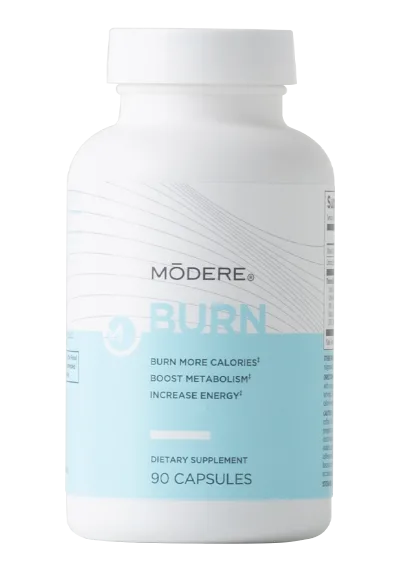
8 Things About Fat Burners You NEED to Know
Looking for a jumpstart on fat loss, or just an extra boost for your workouts? Fat burners are everywhere — walk into any supplement store or search online and you’ll find hundreds of options. Which ones are worth considering, do they actually work, and what risks come with them? Here’s everything worth knowing before you […]

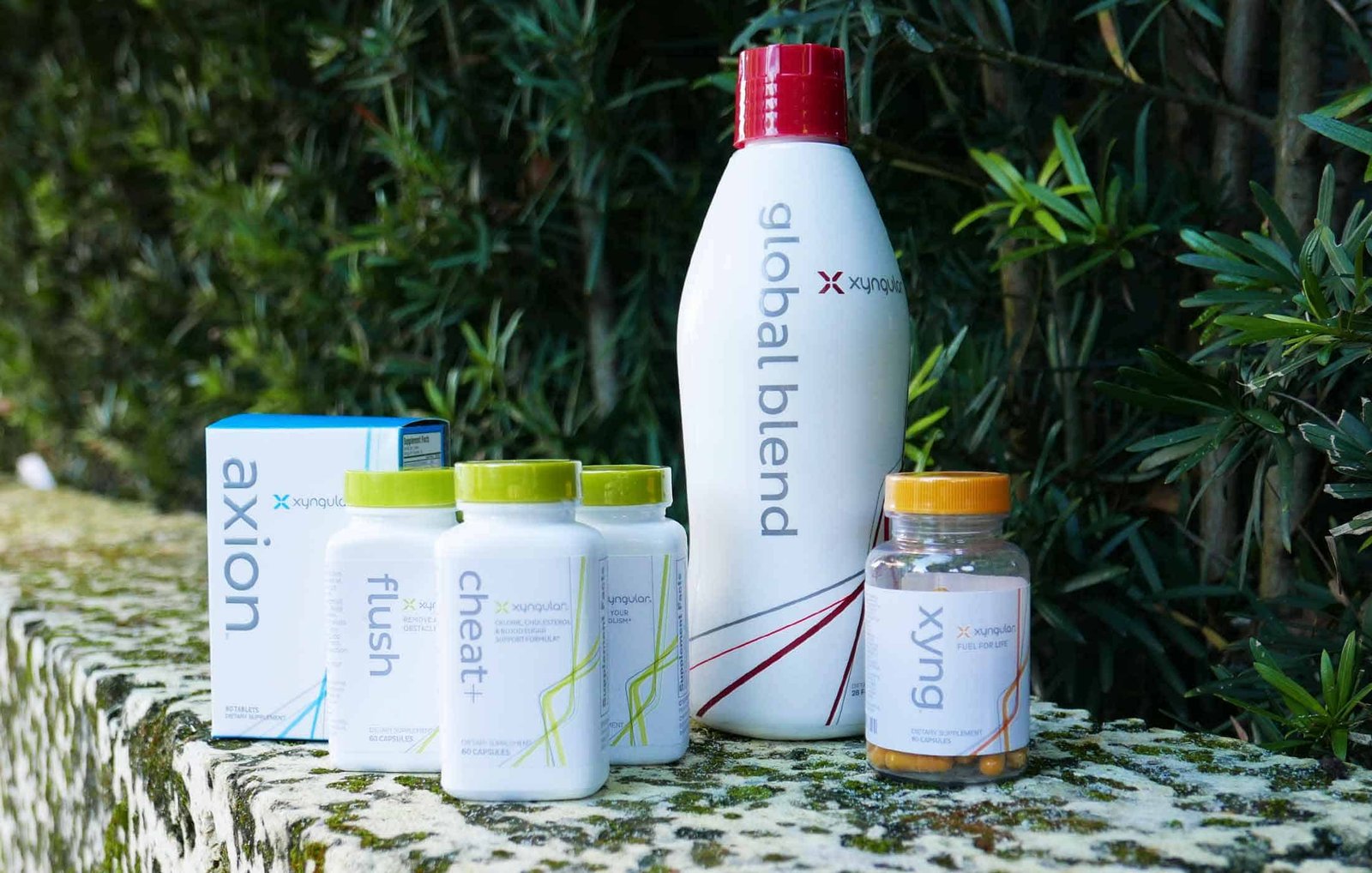
Looking for a jumpstart on fat loss, or just an extra boost for your workouts? Fat burners are everywhere — walk into any supplement store or search online and you’ll find hundreds of options. Which ones are worth considering, do they actually work, and what risks come with them? Here’s everything worth knowing before you buy one.
What Are Fat Burners?
Fat burners are a category of supplements designed to support fat loss, typically through some combination of decreasing appetite, boosting energy for more intense workouts, sharpening mental focus, and raising your resting metabolic rate so you burn more calories throughout the day. Not every fat burner hits all four targets — it depends heavily on the ingredients in the formula.
Common Fat Burner Ingredients
Many fat burners rely on proprietary blends, which disclose the ingredients but not their exact amounts — worth avoiding when possible, since it’s difficult to assess real risk without knowing dosage. Ingredients you’ll commonly encounter include:
- Caffeine — a central nervous system stimulant shown in the Medicine & Science in Sports & Exercise to raise resting metabolic rate, boost energy and endurance, and suppress appetite.
- Green Tea Extract — supports thermogenesis and fatty acid burning per The American Journal of Clinical Nutrition, with added antioxidant benefits.
- CLA (conjugated linoleic acid) — a fatty acid shown in Obesity Research to help increase fat burning.
- Garcinia Cambogia Extract — claimed to raise metabolism and fat oxidation.
- Bitter Orange — functions somewhat like ephedrine, boosting metabolic rate and suppressing hunger.
- Yohimbe — may stimulate lipolysis, particularly alongside a reduced-carb diet and moderate exercise.
This list isn’t exhaustive — plenty of other fat-burning ingredients show up across the category, but these are the ones you’ll see most often.
Stimulant vs. Non-Stimulant Fat Burners
Stimulant fat burners rely on ingredients like caffeine, green tea extract, and bitter orange to activate the central nervous system — some products pack over 300mg of caffeine per serving, so it’s worth tracking your total intake from coffee, energy drinks, and other sources to stay under the generally recommended 200-300mg daily limit. Non-stimulant fat burners skip this route entirely, making them gentler on the body and safer to use later in the day without disrupting sleep.
Prescription Fat Burners
For individuals who are significantly overweight, a doctor may recommend a prescription option. Orlistat (Xenical) blocks some fat absorption from food, while Sanexda works by signaling the brain that the stomach is full. These come with their own side effects and should only be used under medical supervision.
How to Use Fat Burners Safely
Start by reading the label thoroughly and understanding exactly what’s in the product. Never exceed the recommended dose, and if you’re using a stimulant-based fat burner, start with a lower dose to see how your body responds before increasing it. If you’re cycling a stimulant fat burner, most experts recommend taking 2-4 weeks off after every 8-12 weeks of continuous use, so your body doesn’t adapt and require ever-higher doses to feel the same effect.
Taking a fat burner around 30 minutes before a workout typically covers a performance boost; all-day energy and appetite control may require a morning dose plus one before exercise. Avoid taking stimulant versions too close to bedtime, since they can interfere with sleep.
Potential Fat Burner Side Effects
Reported side effects include a racing or elevated heart rate (per the Annals of Pharmacotherapy), jitteriness, trouble sleeping, appetite suppression strong enough to risk nutritional gaps, and fatigue from central nervous system overstimulation if overused. Not everyone experiences these effects, and reducing your dose often resolves them if they occur. Anyone with heart health concerns should talk to a doctor before using a stimulant-based fat burner, since these can raise heart rate meaningfully.
Fat Burner Pros and Cons
Pros: may accelerate fat loss, boost energy and workout motivation, suppress appetite, and generally don’t require a prescription.
Cons: potential side effects, inconsistent tolerance across individuals, not suited for long-term stimulant use, can be costly, and proprietary blends often obscure exact dosing.
The Bottom Line on Fat Burners
Fat burners can make sticking to a diet and workout routine feel more manageable, but they’re not a substitute for genuine lifestyle changes — no fat burner works on its own without a solid diet and consistent exercise behind it. Treat them as a supporting tool, not the main strategy, and always weigh the specific ingredients and dosing against your own health history before adding one to your routine.
Explore more Fat Burner reviews and guides on our site.