Ensure Review: 3 Real Facts Including an FTC Case
Ensure markets itself as “the number one doctor-recommended brand” — a claim that specifically drew FTC scrutiny and a settlement. This Ensure review checked what Abbott’s nutritional shake actually delivers versus what the marketing has claimed over the years. Table of content How We Researched This Ensure Review Ensure Review: What Is It? Does Meal-Replacement […]

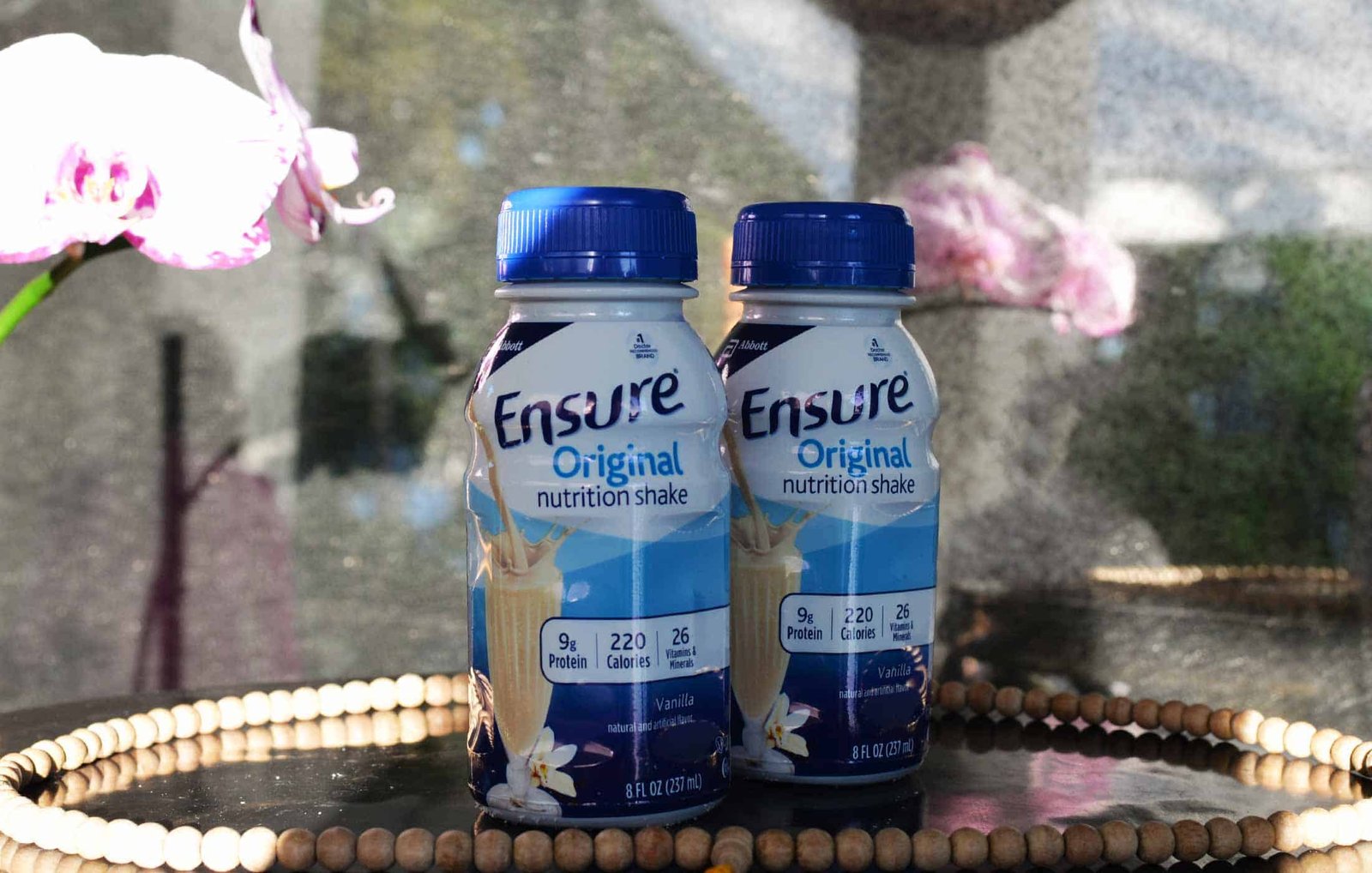
Ensure markets itself as “the number one doctor-recommended brand” — a claim that specifically drew FTC scrutiny and a settlement. This Ensure review checked what Abbott’s nutritional shake actually delivers versus what the marketing has claimed over the years.
How We Researched This Ensure Review
This Ensure review checked the meal-replacement research broadly, the specific FTC case against Abbott’s marketing claims, and the actual nutrition label — including a sugar content worth knowing about.
Ensure Review: What Is It?
Made by Abbott Nutrition since 1973, Ensure is a meal-replacement shake (powder and ready-to-drink) built around corn maltodextrin, soy protein isolate, sugar, and canola oil, delivering 150–350 calories depending on the variant, with 24+ vitamins and minerals per serving.
Does Meal-Replacement Research Support It?
- Obesity Reviews: meal-replacement programs led to greater weight loss at one year than comparator programs.
- Journal of Obesity: meal replacements are effective, but severe energy restriction can make them hard to sustain long-term.
This supports meal replacement as a category — the caveat is Ensure was originally designed as nutritional support for medical patients, not specifically as a weight-loss product, which shapes its formula (higher sugar, calorie-dense) differently than dedicated diet shakes.
The FTC Case
In 1997, the FTC settled charges against Abbott over Ensure advertising claims — specifically that it was the “number one” doctor-recommended brand and that one serving matched a multivitamin’s worth of nutrients. The FTC found insufficient evidence for both claims. Separately, a 2018 Canadian Food Inspection Agency recall affected several Ensure Plus and Fibre variants over bacterial contamination.
The Sugar Question
An 8-ounce serving contains 18–23g of sugar (about 4.5–5.75 teaspoons) depending on flavor — the American Heart Association recommends a daily limit of 6 teaspoons for women and 9 for men, meaning one Ensure shake can represent a meaningful share of a full day’s recommended sugar intake.
Side Effects
Mild effects (constipation, vomiting, diarrhea) are common initially and typically fade with continued use. More serious effects — muscle cramping, breathing difficulty, seizures, irregular heartbeat — are rare and generally tied to misuse.
Who Ensure Actually Makes Sense For
This fits people needing nutritional support during illness or recovery, or those specifically trying to gain weight (Ensure Plus) — its original and still-strongest use case. It’s a poor fit as a dedicated weight-loss tool given the sugar content, and Dr. Amy Ehrlich (geriatrics, Montefiore) specifically cautions against elderly patients using it as a full meal replacement rather than supplemental nutrition.
Ensure Review: Frequently Asked Questions
Ensure Review: The Bottom Line
Ensure genuinely works well for its original purpose — nutritional support during illness, recovery, or intentional weight gain — backed by decades on the market and real meal-replacement research as a category. As a dedicated weight-loss tool, the sugar content and the FTC’s past findings about its marketing claims are worth factoring in. This Ensure review found a solid nutritional product oversold in specific ways it’s had to walk back.
Find more Meal Replacement and Protein Powder Resources guides and resources on our site.