Benefits of Probiotics: What Are Probiotics Good For?
Probiotics show up on store shelves everywhere, with many products claiming to boost immunity, energy, and even support weight loss. Table of content History of Probiotics What Are Probiotics? Difference Between Probiotics and Prebiotics Best Time to Take Probiotics Benefits of Probiotics Are Probiotics Safe? Probiotics Side Effects The Bottom Line on Probiotics Not everyone […]

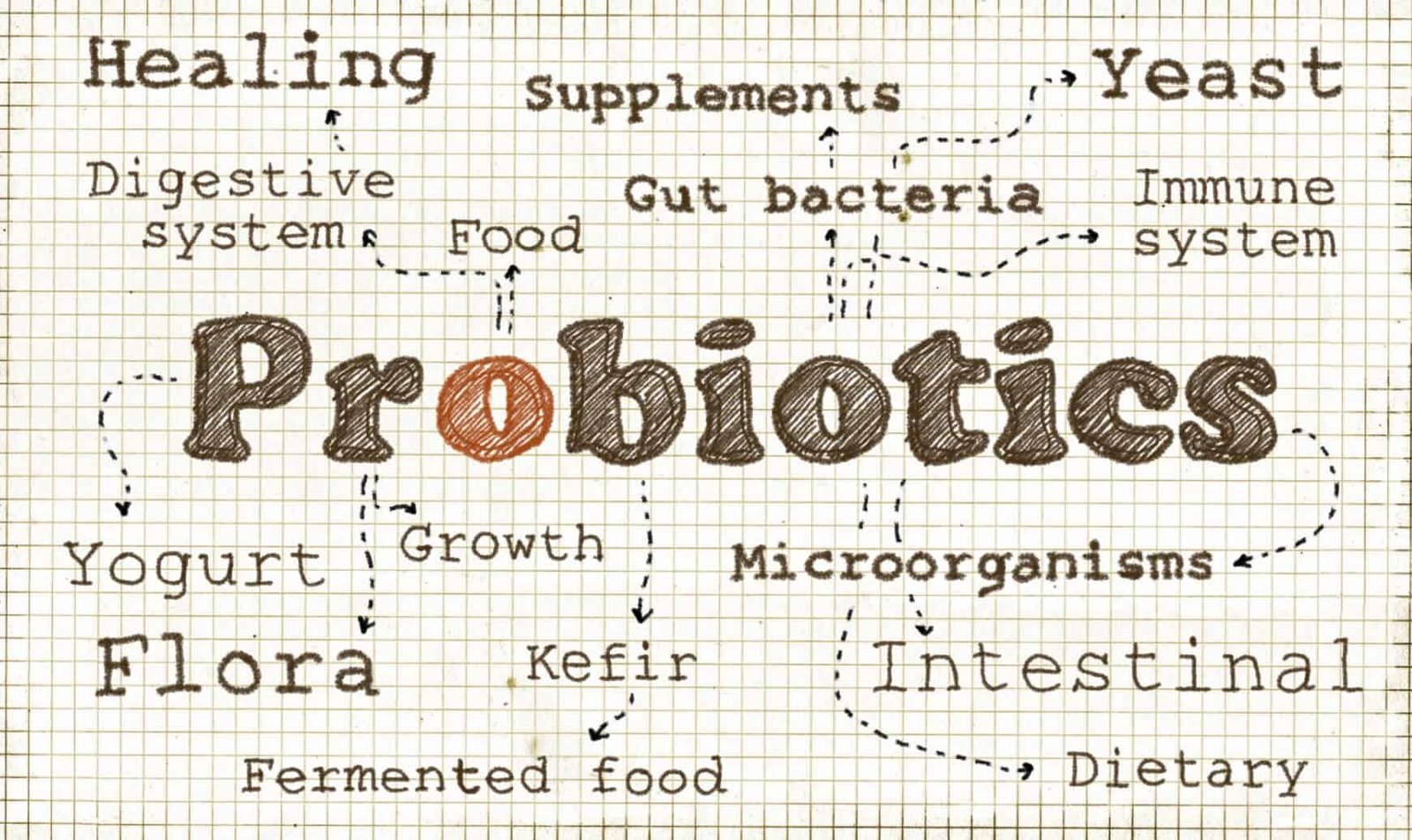
Probiotics show up on store shelves everywhere, with many products claiming to boost immunity, energy, and even support weight loss.
Not everyone actually needs probiotics — at least not based on what we currently understand. Whether natural probiotics genuinely benefit you largely depends on your individual health, regardless of what supplement marketing might suggest.
Probiotics are genuinely useful when your digestive system is out of balance. Beyond that, the broader benefits remain less clearly established.
Do you actually need probiotics to stay healthy? Are there real risks involved? Here’s what you need to know about probiotics and your health.
History of Probiotics
According to Beneficial Microbes, probiotics may have existed in some form for as long as 10,000 years, largely through fermented foods like beer, cheese, and yogurt. These foods weren’t originally understood scientifically — they were likely discovered by accident, much like many early food science breakthroughs.
Probiotics have been present in various foods for centuries, even before science formally recognized or named them. According to the National Center for Complementary and Integrative Health, Elie Metchnikoff proposed in the early 20th century that certain bacteria in yogurt could improve health when consumed. The medical community didn’t take the concept seriously until the mid-1990s, and researchers have since worked to uncover probiotics’ actual health benefits, according to Frontiers in Public Health.
Supplement manufacturers have since capitalized heavily on this research, encouraging consumers to introduce “good” bacteria into their gut — whether or not they actually need it.
What Are Probiotics?
According to the National Center for Complementary and Integrative Health, probiotics are live bacterial cultures meant to reduce the potential negative effects of harmful bacteria in the digestive tract.
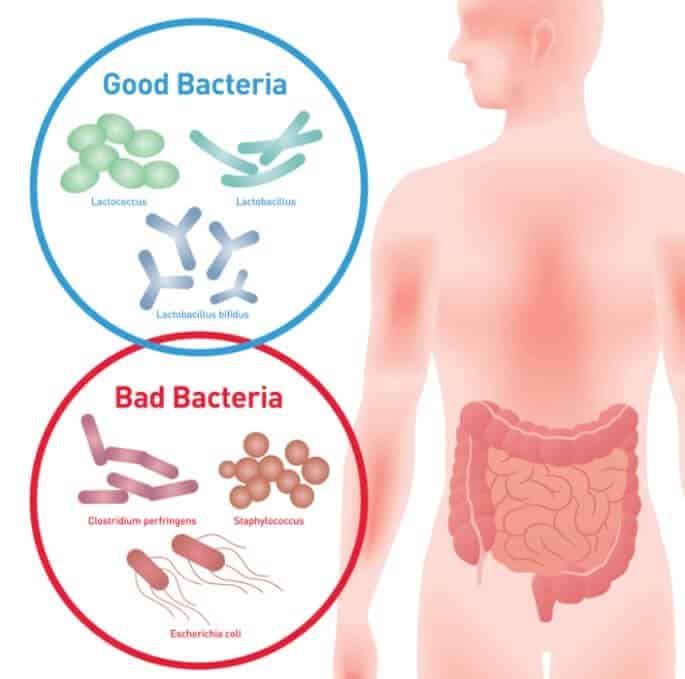
Maintaining a healthy balance between “good” and “bad” gut bacteria matters for overall health. When bacteria overgrow specifically in the small intestine, the result is a condition called Small Intestine Bacterial Overgrowth (SIBO).
Summary: Probiotics are live bacteria that help balance your gut microbiome. Science still hasn’t fully mapped out all their potential benefits, but we do know they help control “bad” bacteria growth and support digestion for many people.
Difference Between Probiotics and Prebiotics
Probiotics and prebiotics work together to benefit digestive health. Probiotics are the living bacteria themselves, commonly found in fermented foods like yogurt and certain soy-based products.
Prebiotics act as “food” for probiotics, helping them thrive in the digestive system and supporting more controlled growth of potentially harmful bacteria. Prebiotics are non-digestible carbohydrates that, alongside probiotics, support digestive health. Per the Academy of Nutrition and Dietetics’ Eat Right, common prebiotic-rich foods include bananas, garlic, asparagus, soybeans, artichokes, and whole wheat products.
Summary: Probiotics are bacteria that support a healthy, balanced digestive tract. Prebiotics are the “food” that helps probiotics thrive and keep that tract healthy.

Best Time to Take Probiotics
You can get it either through a dietary supplement or by eating foods containing probiotic strains.
If you go the supplement route, do your homework first — every brand differs, and the right choice depends heavily on why you’re taking it. Check each label (or the company website) for the bacterial strain, the number of live bacteria before expiration, the recommended dosage, and company contact information.
Learn as much as you can about a supplement before taking it, and check with a healthcare provider if you’re ever unsure whether it’s safe or beneficial for you.
Many fermented foods naturally contain live bacterial strains that benefit gut health. According to Healthline, yogurt, tempeh, miso, kimchi, kefir, and sourdough bread are all accessible probiotic food sources. Read food labels as carefully as you would a supplement label — effective probiotic foods should list “live, active cultures.”
Summary: You can get it through fermented foods or supplements — read labels carefully either way to confirm you’re getting the right strains at the correct amounts. “Though it’s common to find it in the refrigerated section of the grocery store, refrigeration is not an indication of a good quality probiotic. In fact, it’s actually a sign of a very weak probiotic,” says Leah Segedie, founder of Mamavation.

Benefits of Probiotics
Researchers are still actively exploring the full range of probiotic benefits, both in foods and supplements. That said, current evidence suggests it may help prevent and treat yeast and urinary tract infections, and reduce cold and flu symptoms.
it can also support digestive recovery during antibiotic treatment. Doctors often recommend it alongside antibiotics to help prevent diarrhea and other gastrointestinal side effects — since antibiotics kill both harmful and beneficial gut bacteria, it help replenish the healthy bacteria your gut needs to recover, according to research in The Journal of Family Practice.
Keep in mind that probiotic benefits are strain-specific. If you’re taking a probiotic specifically for digestive issues like diarrhea, look for one containing Lactobacillus GG, according to Harvard Health and the Journal of Clinical Gastroenterology. Talk to a healthcare provider before choosing a supplement to make sure you’re getting the strain most relevant to your specific situation.

Are Probiotics Safe?
Probiotic supplements carry more risk than it obtained through fermented foods. Supplements generally won’t cause harm, but they aren’t regulated the same way food and drugs are.
The FDA classifies probiotic supplements as dietary supplements, not food, meaning manufacturers aren’t required to disclose exact ingredient amounts and are largely responsible for self-regulating quality and safety. This means some probiotic supplements may not actually contain the bacterial strains, or amounts, advertised on the label.
Most probiotic research, including studies in Nutrients, points to genuine digestive health benefits, though evidence for obesity-related benefits specifically remains much less established.
Summary: The FDA isn’t involved in approving probiotic supplements upfront — it typically only steps in after customers report adverse effects, triggering further investigation.

Probiotics Side Effects
For most healthy people, probiotic side effects are mild and limited to digestion — bloating and gas are the most common early symptoms.
Never exceed a supplement’s recommended dosage. Taking too much can contribute to small intestinal bacterial overgrowth (SIBO), which according to U.S. News & World Report can cause excessive bloating and gas.
To minimize side effects, start with a lower dose and increase gradually while monitoring how you feel. If you experience negative symptoms, talk to a qualified dietitian or healthcare provider about a supplement that better fits your needs while keeping you safe and comfortable.
Summary: For healthy individuals, it generally cause few, mild side effects when taken in moderation. Stick to recommended dosages and consult a health professional before starting.
The Bottom Line on Probiotics
There’s still a lot we don’t fully understand about it’ long-term role in health. As with many nutritional uncertainties, moderate use likely won’t hurt — but overuse might.
“Many people eat probiotic food like yogurt to feed their gut micro-biome. The idea is to feed the good bacteria in our guts that extract nutrients from food. But a healthier and more direct approach is to feed the healthy microbes what they want to eat—plenty of fiber! There’s no fiber in yogurt or other animal products like meat, fish, eggs, and cheese. Instead, focus on the Fabulous Five: vegetables, fruit, whole grains, nuts, and seeds. The fiber from these plants feeds the microbes that keep you lean. Your gut micro-biome responds quickly, so prime your body for health tomorrow by eating fiber today,” says Linda Watson, a plant-based nutritionist and founder of Cook for Good.
If you’re dealing with digestive issues or fighting an infection, it might genuinely become a helpful ally. As with any loosely regulated product, exercise reasonable caution — talk to a dietitian or doctor before starting any over-the-counter supplement, and for the healthiest gut overall, prioritize a diet rich in fiber, protein, and healthy fats while keeping refined sugar to a minimum.
Explore more Health reviews and guides on our site.
For general guidance on healthy weight management, see the resources available from the NIH.