Benefiber Review: 3 Real Facts to Know Before You Buy
Benefiber marketed its Healthy Shape product as “clinically proven to curb cravings” — a specific claim that drew a formal challenge from the National Advertising Division in 2020. This Benefiber review checked what happened, and what the wheat-dextrin formula actually delivers. Table of content How We Researched This Benefiber Review Benefiber Review: What Is It? […]

Benefiber marketed its Healthy Shape product as “clinically proven to curb cravings” — a specific claim that drew a formal challenge from the National Advertising Division in 2020. This Benefiber review checked what happened, and what the wheat-dextrin formula actually delivers.
How We Researched This Benefiber Review
This Benefiber review checked the research on wheat dextrin and fiber supplementation generally, the 2020 National Advertising Division finding against specific marketing claims, and how Benefiber compares structurally to other fiber brands.
Benefiber Review: What Is It?
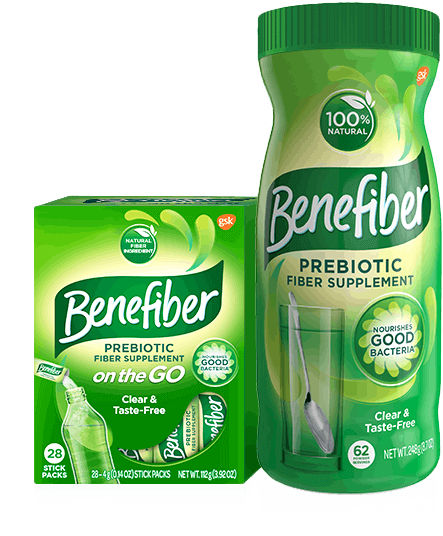
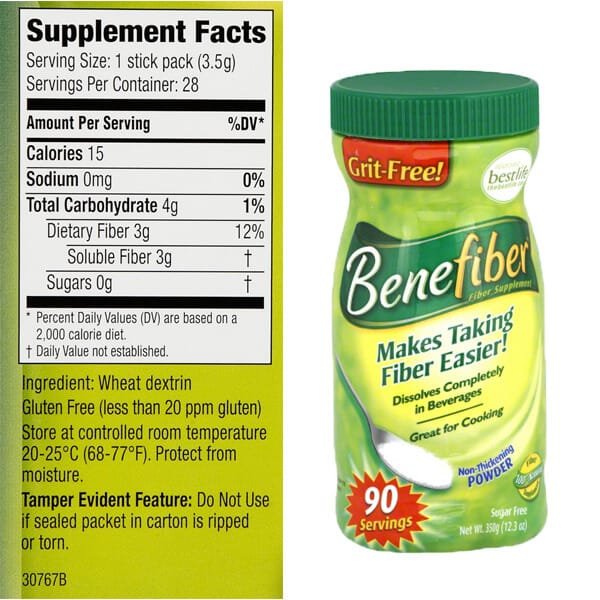
Made by Haleon (spun off from GlaxoSmithKline in 2022), Benefiber is a tasteless, dissolvable fiber powder built primarily around wheat dextrin, delivering 3g of fiber per serving (Original) or 5g (Healthy Shape), positioned for both digestive health and appetite management.
What the Research on Fiber Generally Shows
- PLOS One: thousands of studies connect dietary fiber to measurable health outcomes broadly.
- Journal of International Medical Research: wheat dextrin specifically functions as a genuine soluble fiber.
- Journal of the American Association of Nurse Practitioners: not all fiber types work the same way — gel-forming fibers showed the best metabolic health results, a relevant nuance for wheat dextrin specifically.
The 2020 Advertising Challenge
In May 2020, the National Advertising Division recommended Benefiber stop claiming its products were “100% natural” and that Healthy Shape was “clinically proven to curb cravings” and “helps you feel full longer.” The underlying support was a 2011 study on wheat dextrin satiety that didn’t actually test Benefiber’s specific chewable product — GSK (Benefiber’s owner at the time) said it planned to appeal. This is a real, documented gap between marketing language and product-specific proof.
Side Effects
Cramping, bloating, and increased gas are common, especially when starting — Benefiber forms a gel that colon bacteria ferment, producing gas as a byproduct. Starting with a small dose and increasing gradually reduces this. It can also lower the effectiveness of some medications, so timing doses apart from prescriptions matters.
How Benefiber Compares
Our Metamucil review covers the other major fiber brand — the core difference is source (wheat dextrin vs. psyllium husk) rather than effectiveness; both are legitimate soluble fibers, though people with wheat sensitivity should note Benefiber contains trace gluten (about 20ppm, within FDA gluten-free thresholds but still present) despite marketing as “no gluten.”
Who Benefiber Actually Makes Sense For
This fits people wanting a genuinely tasteless, easy-to-mix fiber supplement for digestive regularity, who understand the appetite-suppression and “clinically proven” language has been formally challenged rather than fully substantiated. It’s a poor fit for anyone with wheat sensitivity given the trace gluten content, or anyone specifically buying it for the cravings-curbing claim the NAD found unsupported.
Benefiber Review: Frequently Asked Questions
Benefiber Review: The Bottom Line
Wheat dextrin is a genuine soluble fiber with real digestive health support, but Benefiber’s specific weight-management and “clinically proven” marketing claims didn’t hold up to a 2020 advertising review. This Benefiber review found a reasonable fiber supplement oversold on the appetite-suppression angle specifically.