Activia Review: 3 Real Facts Including a $56M Settlement
Activia’s ads once claimed the yogurt was “clinically proven to help regulate your digestive system in two weeks” — a specific promise that cost Dannon $56 million combined across a class-action settlement and an FTC case. This Activia review checked what actually survived that scrutiny. Table of content How We Researched This Activia Review Activia […]

Activia’s ads once claimed the yogurt was “clinically proven to help regulate your digestive system in two weeks” — a specific promise that cost Dannon $56 million combined across a class-action settlement and an FTC case. This Activia review checked what actually survived that scrutiny.
How We Researched This Activia Review
This Activia review checked the published research on probiotics generally and the Bifidus strain specifically, and read through the FTC’s own findings on exactly what evidence Dannon did and didn’t have for its original marketing claims.
Activia Review: What Is It?
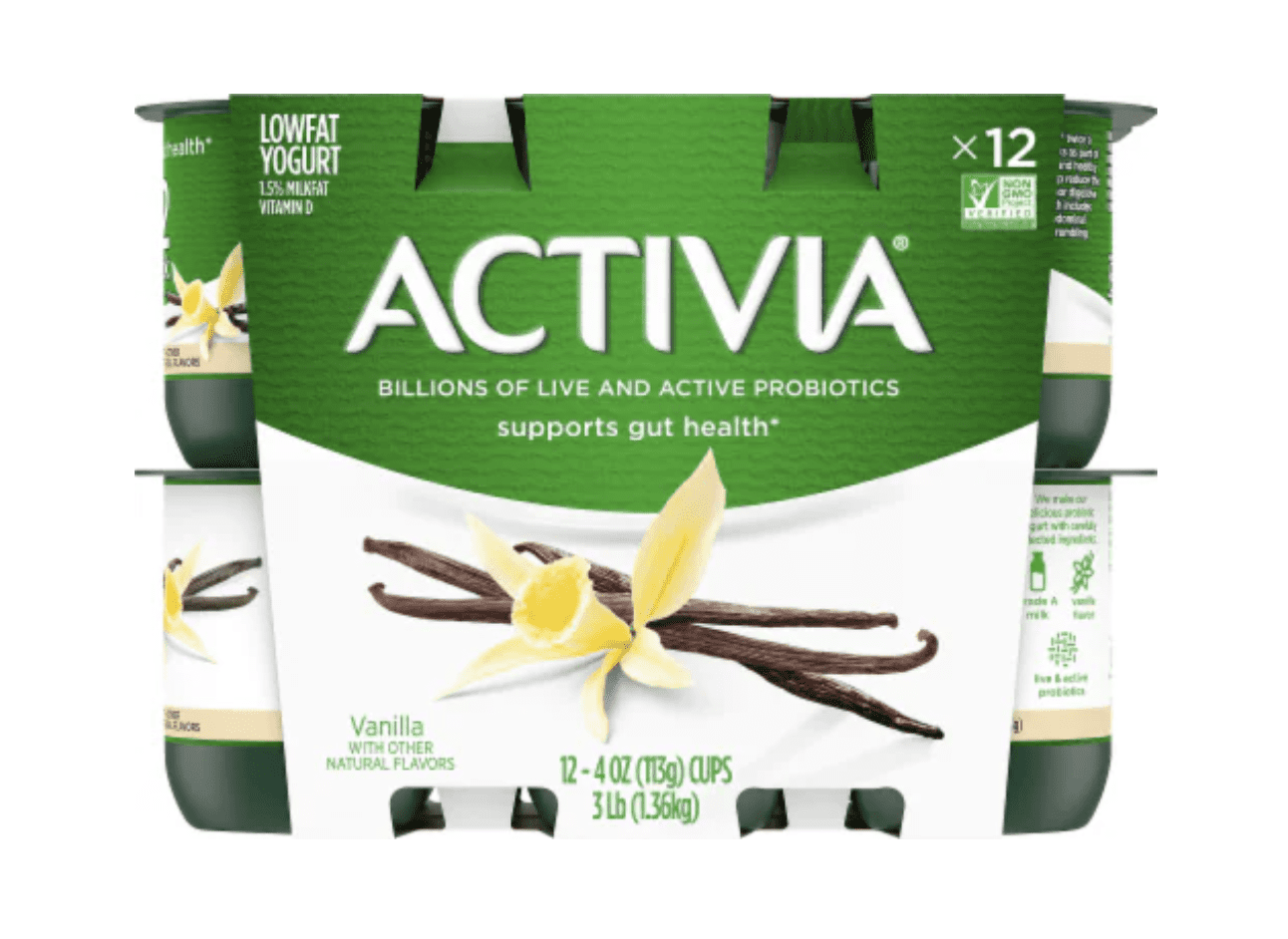
Made by Dannon (Danone) since 1987, Activia is a probiotic yogurt built around a proprietary Bifidobacterium animalis strain (marketed as Bifidus Regularis), sold across a wide flavor range with 90–140 calories per serving depending on variant.
What the Research on Probiotics Shows
- Advances in Nutrition: Bifidobacterium strains are among the most widely used and well-studied probiotics for digestive issues.
- Frontiers in Cellular and Infection Microbiology: not all probiotic strains share the same effects — a key nuance, since Activia’s specific strain is proprietary and not interchangeable with generic probiotic research.
- Obesity Facts: one study found a probiotic yogurt fermented with the same three bacterial strains Activia uses could reduce body weight — a specific, relevant finding, though a single study.
The Lawsuits: What Actually Happened
In 2009, Dannon settled a class action for $35 million over deceptive advertising about Activia’s digestive benefits. In December 2010, the FTC separately reached a $21 million settlement, finding Dannon’s “clinically proven” digestive-regulation claim wasn’t adequately supported — the studies cited showed a statistically insignificant difference in intestinal transit time between the Activia and placebo groups. As part of the settlement, Dannon is now barred from making unsupported digestive-health or immune-health claims without FDA-level backing and specific study requirements.

Does Activia Actually Work?
Probiotics broadly have real research support for digestive health, and Activia’s specific strain has been studied — but the FTC found the “two weeks, clinically proven” framing outran what the studies actually showed. Realistic expectation: modest digestive support as part of an already-balanced diet, not a guaranteed fix on a fixed timeline.
Side Effects
Reported effects include abdominal discomfort, gas, bloating, and — per anecdotal reports — worsened lactose intolerance symptoms in some users. Certain flavors carry high sugar content, worth watching for anyone managing blood sugar.
Who Should Use Caution
Anyone with a weakened immune system (chemotherapy patients, organ transplant recipients on immunosuppressants) should specifically avoid Activia and other lactobacillus-containing foods, given real infection risk in immunocompromised individuals — this is a genuine medical caution, not a minor footnote.
Activia Review: Frequently Asked Questions
Activia Review: The Bottom Line
Activia’s probiotic strain has genuine research behind general digestive health, but the specific “clinically proven in two weeks” marketing was found unsupported by regulators and cost Dannon $56 million combined in settlements. This Activia review found a reasonable probiotic yogurt with a documented history of overselling its own evidence.
Find more Health Food guides and resources on our site.