Ayds Review: 5 Surprising Diet Candy Facts
Ayds is a piece of diet history — a weight-loss candy from the 1970s and ’80s that’s been off the market for decades, mostly because of an unfortunate name collision with the AIDS epidemic that tanked sales by the mid-1980s. This Ayds review looks at what was actually in it and whether it worked before […]

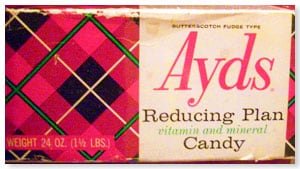
Ayds is a piece of diet history — a weight-loss candy from the 1970s and ’80s that’s been off the market for decades, mostly because of an unfortunate name collision with the AIDS epidemic that tanked sales by the mid-1980s. This Ayds review looks at what was actually in it and whether it worked before the brand disappeared.
How We Researched This Ayds Review
Since Ayds hasn’t been sold in decades, this Ayds review draws on the historical record — the ingredient studies available on benzocaine, archived product claims, and the discontinuation timeline — rather than current manufacturer marketing, since there isn’t any.
Ayds Review: What Was It?
Ayds started as a sugar-coated cough drop from Jeffrey Martin Inc., originally marketed for sore throats. In the 1970s the company repositioned it entirely as an appetite-suppressant candy, eventually selling it in chocolate, chocolate mint, butterscotch, caramel, and peanut butter flavors. Dep Corporation took over production in 1987.
The active ingredient was benzocaine, a local anesthetic that the company claimed numbed taste sensation enough to reduce appetite.
What the Research on Benzocaine Actually Shows
- Obesity Research found benzocaine supplementation could cause adverse effects.
- American Journal of Clinical Nutrition found a benzocaine-phenylpropanolamine combination wasn’t significantly effective for weight loss.
- Today, the FDA has published safety concerns about benzocaine generally, and the National Center for Biotechnology Information now classifies it mainly as a local anesthetic and pain reliever — not a weight-loss aid.

Why Ayds Was Discontinued
The product’s downfall wasn’t really about effectiveness — it was the name. As the AIDS epidemic became a major public health story in the mid-1980s, sales reportedly dropped by half, and Dep Corporation eventually discontinued the line entirely.
Did Ayds Work?
User sentiment at the time was mixed but leaned positive for short-term appetite suppression — some reviewers reported losing significant weight quickly, though the underlying clinical research on benzocaine itself is thin and inconsistent. The mechanism (numbing taste to reduce desire to eat) was plausible but never rigorously proven at the doses used in candy form.
Side Effects and Pregnancy Warnings
Reported issues were relatively mild for most users — headaches and an unpleasant aftertaste were the most common complaints. The more serious concern was for pregnant and breastfeeding individuals, who were specifically advised against using it and, according to historical accounts, formed the basis of multiple lawsuits filed against the manufacturer over reported side effects during pregnancy.

Alternatives Worth Knowing About
Ayds itself isn’t purchasable today, but its appetite-suppressant premise lives on in different forms. Our Alli review covers a modern, FDA-approved over-the-counter option with a very different (fat-blocking, not appetite-suppressing) mechanism, worth reading for anyone drawn to Ayds’ original pitch.
Ayds Review: Frequently Asked Questions
Ayds Review: The Bottom Line
Ayds is a genuinely interesting piece of diet-industry history: a candy sold as an appetite suppressant, undone less by its science than by unfortunate timing. The benzocaine mechanism had some plausibility but thin clinical backing, and the pregnancy-related side effect reports are a real mark against it. Since it’s no longer available, this Ayds review is more a historical case study than a buying guide — but the appetite-suppression concept it was built on is worth comparing against the better-documented, still-available options on the market today.