Lenny and Larry’s Cookie Review
Benny Graham and Barry Turner built Lenny and Larry’s Cookie company to fit into “clean” eating diets as a source of added protein. Each cookie packs a genuine dose of protein and fiber — two things every body needs — and it’s worth noting the brand doesn’t lean on claims like “bigger muscles” or a […]

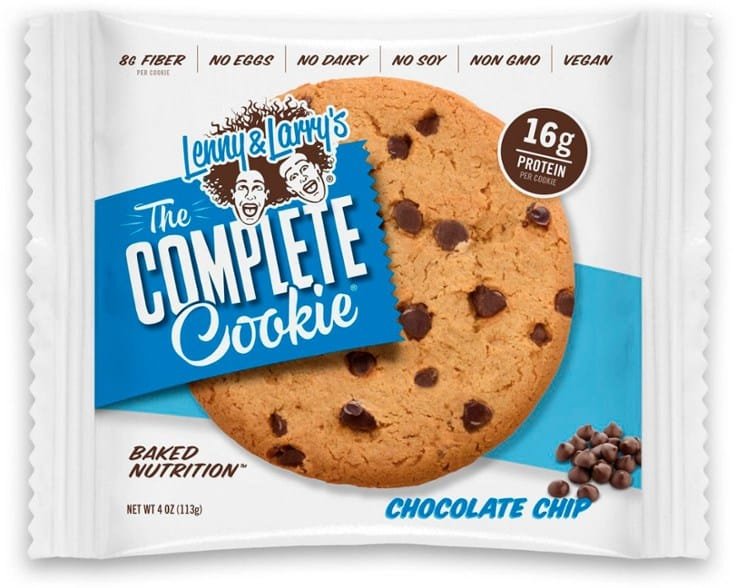
Benny Graham and Barry Turner built Lenny and Larry’s Cookie company to fit into “clean” eating diets as a source of added protein. Each cookie packs a genuine dose of protein and fiber — two things every body needs — and it’s worth noting the brand doesn’t lean on claims like “bigger muscles” or a “slimmer waist,” even though those could plausibly be side benefits of the snacks.
Here’s what our research turned up on the company behind the cookies, the ingredients, and any potential side effects.
What Are Lenny and Larry Cookies?
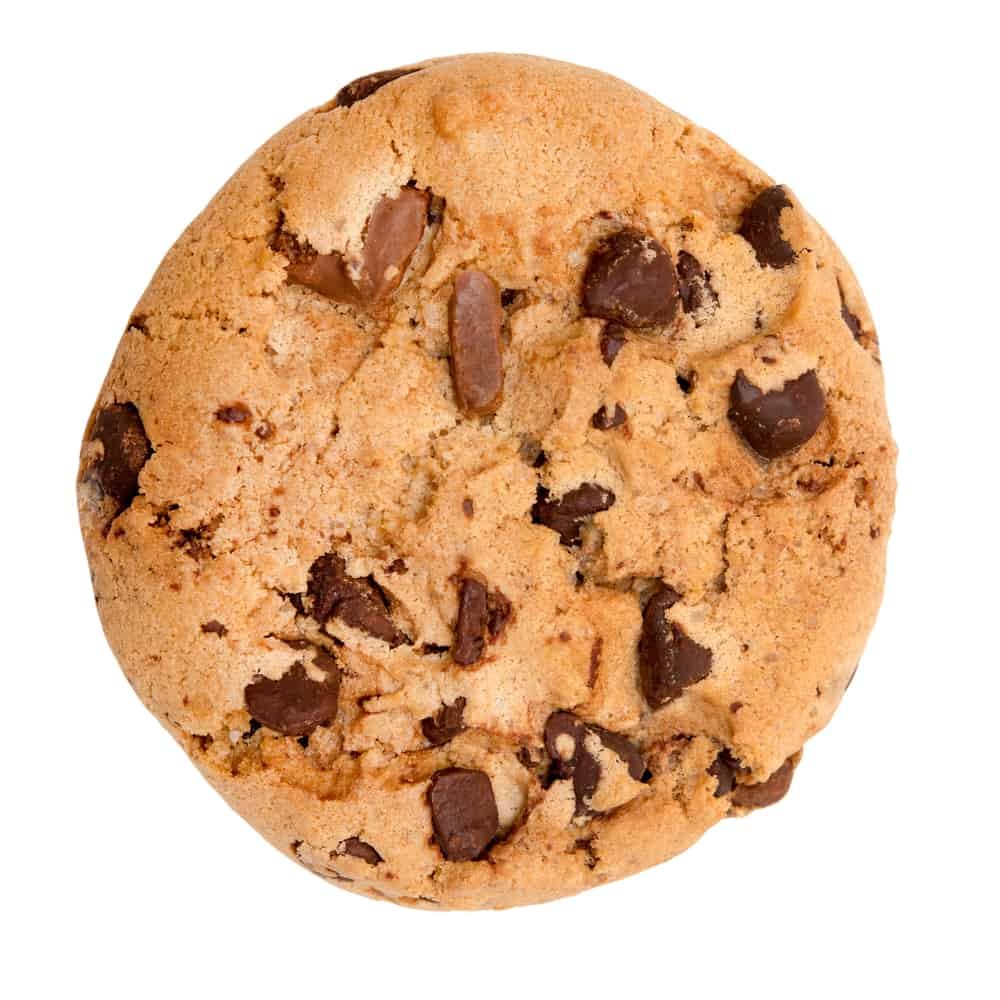
This snack line claims a genuine combination of protein and fiber — 16g protein and 10g fiber per cookie, according to the manufacturer, positioning them as a potentially nutritious option.
The full product line commits to a vegan approach, both in ingredients and manufacturing process, with every product labeled non-GMO. The Keto Cookies and Complete Cookie-fied Bars specifically carry a gluten-free label.
The company markets these as a convenient way to add plant-based protein to your diet, with a genuinely satisfying flavor and firm, chewy texture.
- Nutrients Journal: most modern Western diets genuinely fall short on fiber intake, and adequate fiber consumption genuinely improves metabolic and overall health — these products could help close that gap.
- Biomedical and Environmental Sciences: nitrogen-balance research puts healthy adult protein needs at roughly 0.66-0.83g per kilogram of body weight. Vegans genuinely have fewer dietary protein sources, making these cookies a plausible option.
- Journal of Autoimmunity: gluten-free diets showed genuine preventative immune effects in mouse studies, suggesting potential value in the Keto Cookies or Cookie-fied Bars even for those who tolerate gluten fine.
Who Makes Lenny and Larry Cookies?
Founded in 1993 as a private company, Lenny and Larry’s name swaps the “B” in Benny and Barry’s first names for an “L.” Both self-described “gym rats,” Benny Graham and Barry Turner set out to find new ways to work protein into their diets. They sold the company in 2001, and Barry bought back half in 2007.
Customer service runs through the company website for order or product issues, plus help@lennylarry.com. The company maintains Facebook and Instagram accounts and uses the eSSENTIAL Accessibility app.
The product lineup spans The Complete Cookie, The Complete Cremes, The Complete Cookie-fied Bar, The Complete Crunchy Cookies, The BOSS! Cookie, and The Keto Cookie, plus variety packs.
Per the BBB, the company holds an A+ rating, though it isn’t accredited. No listed customer reviews appear, and just one complaint has closed in the past three years.
Lenny and Larry Cookie Claims
The brand claims a genuinely good fiber source alongside substantial protein content, with all products non-GMO and two — Keto Cookies and Complete Cookie-fied Bars — gluten-free.
Complete Cookies, Complete Crunchy Cookies, Complete Cremes, and Keto Cookies are all 100% vegan, free of dairy, eggs, and honey.
Lenny and Larry Cookie Ingredients
Complete Cookies come in 13 flavors, sold as two- or four-ounce cookies, with half of either size counting as a single serving. Common ingredients include:
- Enriched Wheat Flour
- Protein Blend
- Chicory Root Fiber
- Cane Sugar
- Invert Sugar
- Vegetable Glycerine
- Palm Fruit Oil
- Sunflower Lecithin
- Natural Flavor
- Baking Soda
- Salt
- Xanthan Gum
- Guar Gum
Do Lenny and Larry Cookies Work? Benefits?
The brand built its identity on delivering protein through non-traditional formats like cookies and snacks. Plant-based protein and higher fiber content headline the label — here’s how the underlying ingredients actually function.
Enriched Wheat Flour
The top-billed ingredient, enriched wheat flour, loses much of its natural nutrient content during processing, so the added riboflavin (which helps convert food into energy) genuinely helps those avoiding meat and dairy. Per the American Journal of Clinical Nutrition, vitamin B-2 in Western diets typically comes from dairy, fish, meat, and a limited set of vegetables.
Protein Blend
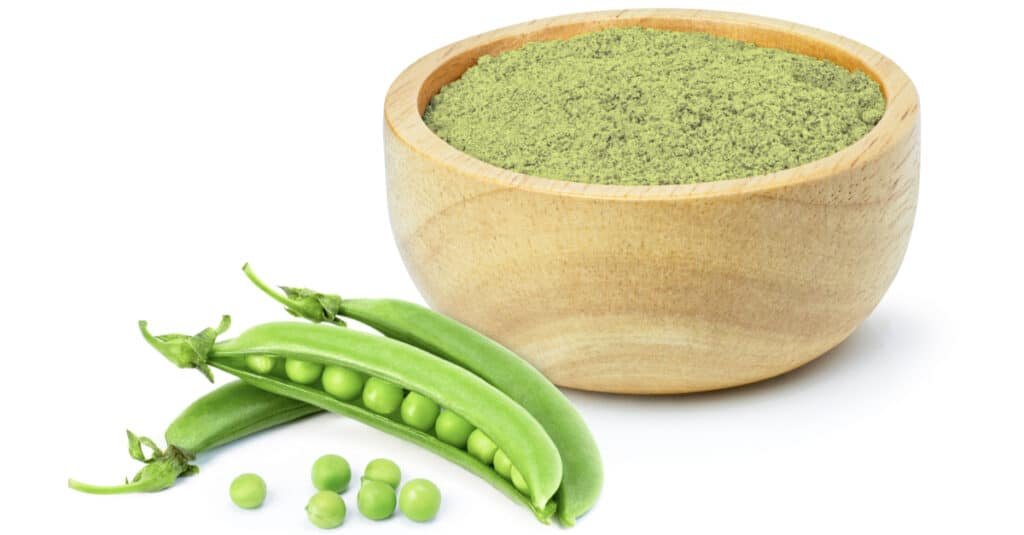
Pea protein, rice protein, and vital wheat gluten combine to deliver 8g of protein per serving. Per Critical Reviews in Food Science and Nutrition, wheat gluten genuinely serves as a suitable meat-nutrient substitute in vegetarian diets, and combined with pea and rice protein, helps reach that 8g mark.
Chicory Root Fiber
This ingredient boosts total fiber to 5g per serving — genuinely higher than many processed or “health food” snacks. Its inulin content, per Alternative Medicine Review, genuinely supports beneficial gut bacteria growth.
Invert Sugar
Added for sweetness and taste consistency, this fructose-glucose syrup showed substantial weight gain in a rat study covered by Health Sciences — sugar intake broadly remains a known obesity factor.
Palm Fruit Oil
Sourced from the olive palm tree, this vegetable oil likely stands in for animal or hydrogenated fats. Per Endotext, its saturated fat content genuinely raises LDL-C (“bad” cholesterol) concerns.
Lenny and Larry Cookies and Weight Loss
These cookies aren’t marketed as a weight-loss snack. Two-ounce cookies run 210 calories per serving (420 for the whole cookie); four-ounce cookies run 220 per serving (440 whole).
Carb content runs relatively high, around 30g per serving, including 12g or more of sugar depending on flavor. Per The American Journal of Clinical Nutrition, sugary food and beverage intake is genuinely linked to weight gain in both children and adults.
Lenny and Larry Cookie Side Effects

Gas and flatulence are the most commonly reported issues, likely tied to the pea protein content. Per Plant Foods for Human Nutrition, starchy legumes like peas are genuinely associated with reduced consumption due to this exact side effect.
How to Use Lenny and Larry Cookies?
Ready to eat — just break the cookie in half for one serving. Shelf life runs 12 months, with a printed date for reference.
Cost and Where to Buy
The official site sells 12-packs of two-ounce cookies for $20.99 and 12-packs of four-ounce cookies for $22.95. The line is also available through Amazon, iHerb, Target, and Vitacost at generally comparable prices, though iHerb runs slightly higher — $29.86 for a 12-pack of four-ounce cookies, with the two-ounce pack currently out of stock there.
Lenny and Larry Cookie Coupons, Discounts and Promo Codes
The “Cookie Crew” rewards program lets registered customers earn points toward future discounts. The brand’s Amazon storefront also offers up to 15% off subscription orders.
Lenny and Larry Cookies Lawsuits and Legal Action
A class-action lawsuit over protein content was settled in 2019 after independent testing showed actual protein levels fell well below advertised amounts. Between 70,000 and 90,000 class members opted for cash, bringing the total settlement to $2.3 million.
Pros and Cons
Pros
- 8g of protein per serving
- 5g of fiber per serving
- Non-GMO
Cons
- High calories, carbs, and sugar
- Can cause flatulence
Bottom Line on Lenny and Larry Cookie Results
Lenny and Larry’s Cookies deliver a genuinely reasonable dose of fiber and plant-based protein. Given the calorie and carb content, they won’t support weight loss directly, but they do offer real muscle-building nutrients and micronutrients that vegans often struggle to get elsewhere. The higher price point may limit how often some customers buy in.
For lasting weight-loss results, a comprehensive, clinically-backed program with personalized coaching and structured behavioral support tends to be both more affordable and more effective long-term than relying on any single snack product.
Explore more Health Food reviews and guides on our site.