The Bean Protocol Review
Karen Hurd began this journey on a mission to save her child’s life. What started there grew into the Bean Protocol — a largely plant-based approach aimed at improving health broadly. Table of content What Is the Bean Protocol? Who Started the Bean Protocol? Bean Protocol Claims Bean Protocol Rules The Bean Protocol Food List […]

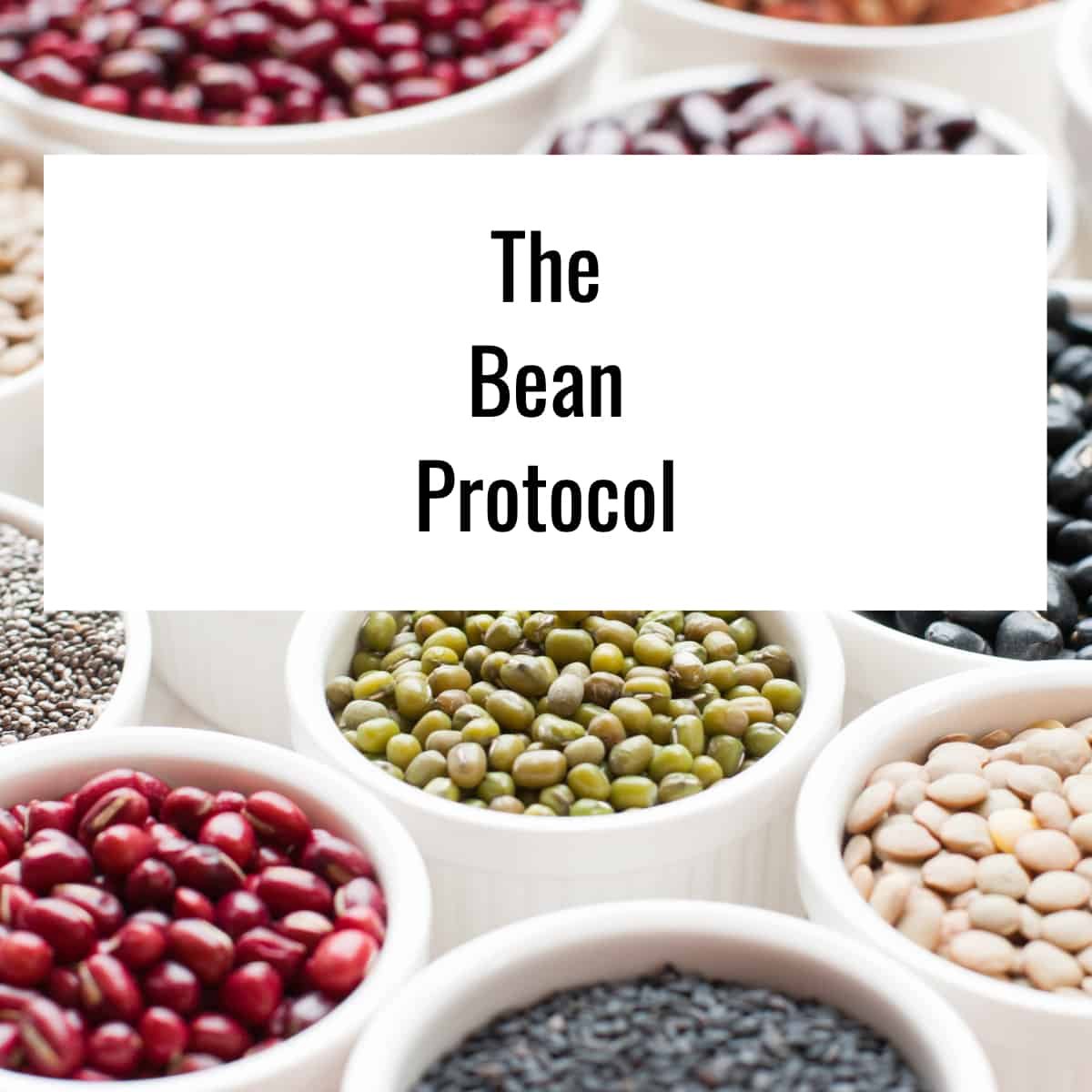
Karen Hurd began this journey on a mission to save her child’s life. What started there grew into the Bean Protocol — a largely plant-based approach aimed at improving health broadly.
We dug deep into the program to see whether real research supports Hurd’s bold claims. Here’s our bottom line on this bean-based eating plan.
What Is the Bean Protocol?
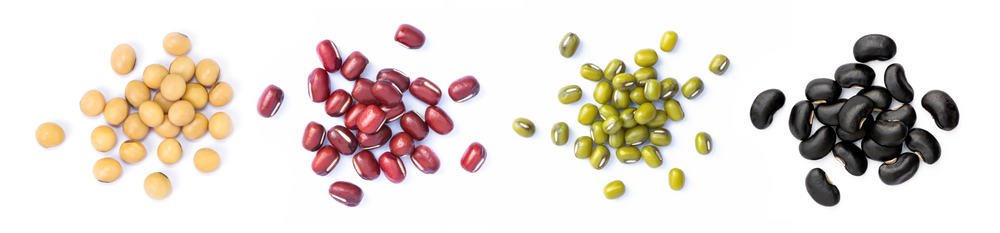
The Bean Protocol is a plant-based regimen centered on significantly increasing soluble fiber intake, aimed at supporting liver detoxification — the liver genuinely relies on soluble fiber to bind and remove toxins, chemicals, and hormones via bile, which the body then naturally excretes.
Followers eliminate alcohol, sugar, caffeine, and other non-essential foods, eating beans, vegetables, and protein across 3-6 small meals daily, with up to a cup of nuts and three quarts of room-temperature water allowed between meals.
- PLoS One: beans’ high soluble fiber content genuinely promotes beneficial gut bacteria growth.
- Comprehensive Reviews in Food Science and Food Safety: fava beans are genuinely rich in protein, fiber, and other beneficial compounds — an underutilized protein source in the US.
- American Journal of Health Behavior: genuine knowledge gaps remain around bean consumption’s health benefits, and better nutrition education could meaningfully boost intake and reduce health disparities.
Who Started the Bean Protocol?
Karen Hurd, a former military biochemist, developed the Protocol after her infant daughter suffered pesticide poisoning in 1989. With doctors unable to help, Hurd researched independently at a local medical school library and created a formula of soluble fiber and vitamins, fed to her baby via syringe. Improvement appeared within two weeks, and by six weeks, Hurd reported her baby fully healthy.
Bean Protocol Claims
As the Protocol has gained followers, anecdotal claims have grown to include improved skin, fertility, mental health, sleep, menstrual cycles, mood, and even reversed graying hair — none of which are backed by formal research, resting instead on user reports.
Bean Protocol Rules
The core protocol runs a minimum of three months, focused on boosting soluble fiber intake for detox:
- 1.5-3 cups of cooked beans daily, in half-cup portions across 3-6+ meals, with no added dietary fat
- 1-1.5 cups of nuts daily
- No stimulants (coffee, sugar, fruit)
- Only gentle exercise (walking) — no cardio
- No caffeine, cinnamon, supplements, fatty meats, dairy, sugar, coconut oil, or soy
- Three quarts of room-temperature pure water daily
- At least 56 hours of rest weekly
- No fragrances (cleaning products, perfumes, personal care items, fresh-cut flowers)
The Bean Protocol Food List
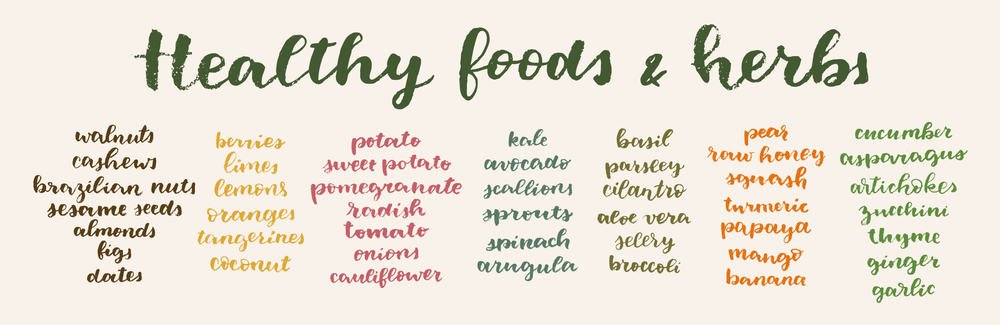
- Prepared/dried beans, at least 1.5 cups daily (in half-cup portions)
- Lean protein (palm-sized, no visible fat)
- 3 quarts of room-temperature pure water, ideally between meals
- Green vegetables (broccoli, cauliflower, Brussels sprouts, cabbage)
- Onions and other alliums
- Nuts, 1-1.5 cups daily
Sample Bean Protocol Menu
Breakfast: ½ cup beans with green onions, water-sautéed spinach, 2oz lean roast beef, followed by water.
Mid-morning snack: ½ cup raw mixed nuts, followed by water.
Lunch: ½ cup beans with onion and water-sautéed garlic, lean toasted chicken breast, raw salad greens, followed by water.
Afternoon: a walk, plus water.
Mid-afternoon snack: ½ cup raw almonds.
Dinner: ½ cup beans with steamed Brussels sprouts, lean turkey breast, followed by water.
Before bed: ½ cup raw cashews.
How to Make the Bean Protocol More Flexible
Prioritizing beans, nuts, and lean proteins genuinely supports health and weight loss, but the Protocol’s restrictions can feel harsh long-term. Per the European Journal of Nutrition, natural sugars in whole fruits and grains genuinely differ from refined sugar — adding a banana, apple, orange, or pineapple to meals can ease the plan’s rigidity. Whole bean pasta and community-created recipes offer further variety while staying within the plan’s spirit.
Does the Bean Protocol Promote Weight Loss?
Yes — the emphasis on plant foods, lean protein, and avoiding added fats genuinely aligns with broader plant-based weight-loss research. Per the International Journal of Environmental Research and Public Health, vegetarians and vegans genuinely show stronger diet adherence than those following paleo, gluten-free, or standard weight-loss diets. The US Dietary Guidelines themselves encourage more plant foods broadly, per Nutrients. And per DMSO: Targets and Therapy, an observational study of over 10,000 participants found plant-based eaters genuinely consumed significantly less energy, total fat, and saturated fat — suggesting a genuine link between plant-based transitions and weight reduction.
Potential Bean Protocol Side Effects
Serious side effects are genuinely unlikely over a typical three-month run. The most common issue is gas and flatulence — beans’ high, not-fully-digestible fiber content naturally produces gas as the gut breaks it down.
Bean Protocol vs. Fuhrman Nutritarian Diet
Both plans are genuinely restrictive compared to a typical American diet, per the Journal of the Academy of Nutrition and Dietetics. The Bean Protocol eliminates sugar (including fruit fructose), dairy, gluten, caffeine, processed foods, and fatty meats, centering on 1.5-3 cups of beans/lentils daily plus lean meat, greens, alliums, and cruciferous vegetables, alongside three quarts of water and up to a cup of salted nuts.
Dr. Joel Fuhrman’s Nutritarian Diet is genuinely similar, per the American Journal of Lifestyle Medicine, built around “G-BOMBS” (greens, beans, onions, mushrooms, berries, seeds/nuts), though it allows up to 10% of weekly calories from animal foods and is designed as a lifelong plan rather than a defined-length protocol.
Both plans genuinely support health and wellness — per the Journal of Geriatric Cardiology, plant-forward diets genuinely help manage type 2 diabetes, obesity, and heart disease. That said, some Bean Protocol instructions (like the cinnamon restriction) can feel genuinely unclear in their rationale.
Pros and Cons

Pros:
- Plenty of user reviews and community support available
- Weight loss is genuinely achievable with controlled calorie intake
- Helps build lasting, health-supportive eating habits
- Beans genuinely help curb hunger
- Most people genuinely benefit from more dietary fiber
Cons:
- Strict structure leaves little room for personalization
- Most supporting research covers plant-based diets broadly, not the specific Protocol
- Can cause noticeable gas for some
- Hunger could tempt overeating even on “healthy” allowed foods
Bottom Line on the Bean Protocol Diet
The overall picture is genuinely encouraging — weight loss is likely for those who stringently follow the rules, and the Protocol can serve as an effective initial cleanse or first step toward more permanent change. That said, any highly restrictive plan is genuinely hard to sustain long-term.
Such a rigid diet may not suit everyone. A comprehensive, clinically-backed weight-loss program with personalized coaching, dedicated support, and proven results — genuinely recognized by health authorities as a healthy lifestyle choice — offers a more flexible, sustainable alternative for many.
Explore more Cleanse Diet reviews and guides on our site.