Phocus Review
Phocus is a lightly carbonated, lightly caffeinated drink marketed to deliver clean energy without a crash — a claim built on the combination of tea-derived caffeine and L-theanine. We wanted to know if that genuinely held up. Table of content What Is ? Who Makes ? 's Claims Ingredients Does Actually Work? and Weight Loss […]

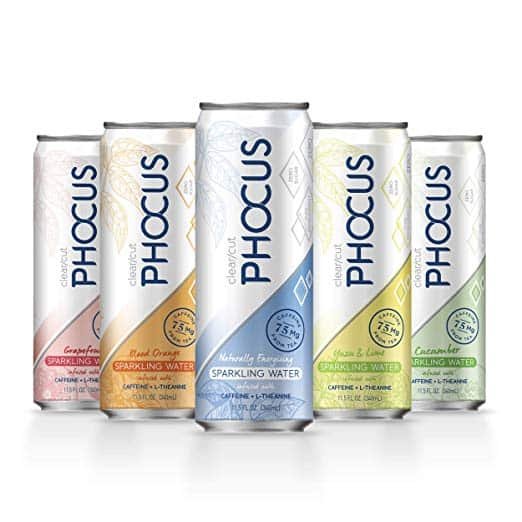
Phocus is a lightly carbonated, lightly caffeinated drink marketed to deliver clean energy without a crash — a claim built on the combination of tea-derived caffeine and L-theanine. We wanted to know if that genuinely held up.
Our research covered Phocus’s company history, ingredients, side effects, and legal history. Here’s our bottom line on this energy drink alternative.
What Is Phocus?

Phocus Naturally Energizing Sparkling Water is a lightly carbonated caffeinated beverage designed to hydrate, quench thirst, and provide energy — with zero calories, carbs, sugar, or sweeteners.
Available in Mixed Berry, Cucumber, Cola, Grapefruit, Yuzu and Lime, Natural, Cherry Cola, Root Beer, Peach, Crisp Apple, Blood Orange, and Mint, sold as single cans or variety packs.
Here’s what research shows on caffeine and water, its two core components:
- British Nutrition Foundation: moderate caffeine genuinely improves physical endurance, cognitive function, alertness, mood, and fatigue.
- Journal of the International Society of Sports Nutrition: pairing caffeine with moderate-intensity afternoon aerobic exercise genuinely optimizes fat burning.
- Behavioural Brain Research: caffeine genuinely enhances alertness, wakefulness, concentration, and focus.
Who Makes Phocus?
Phocus was created by John Mittel and Tom O’Grady as a healthier alternative to sugary energy drinks — Mittel, tired of relying on them during long medical school hours, developed the concept alongside mentor O’Grady at the University of Louisville. The company, Clear Cut Phocus, is based in Louisville, Kentucky, with Mittel as President and O’Grady as CEO.
Phocus Customer Service
Reach the team via the online contact form at drinkphocus.com/pages/contact.
Phocus BBB File
No customer reviews on file, but the company holds an A+ BBB rating (not accredited).
Phocus’s Claims

Marketed as a “thoughtfully caffeinated sparkling water,” offering focus and energy as a healthier alternative to coffee and energy drinks — calorie-, sugar-, sweetener-, and sodium-free. Natural tea-derived caffeine provides the energy, while L-theanine (also from tea) smooths out the experience and adds focus support. Also billed as non-GMO, kosher, and vegan.
Phocus Ingredients
- 75mg caffeine from tea
- L-theanine
- Purified sparkling water
- Citric acid
- Natural flavor
- Zero percent juice
Does Phocus Actually Work?

Phocus was designed to match an eight-ounce cup of coffee’s energy boost while offering a healthier alternative to sugary sodas and energy drinks. While no direct product studies confirm this, its ingredients do point in that direction.
Tea caffeine: Per Critical Reviews in Food Science and Nutrition, tea (green, black, or oolong, all from Camellia sinensis) genuinely offers a range of benefits, including lengthened attention span and improved focus and energy — though caffeine broadly can genuinely disrupt sleep and cause restlessness, tremors, or elevated heart rate.
L-theanine: Often called tea’s “secret hero” for balancing caffeine’s brain-boosting effects without the jitters. Per Biological Psychology, it genuinely offsets caffeine’s negative side effects, reducing jitteriness and post-caffeine fatigue.
Citric acid: Naturally found in citrus fruits and berries, used across foods and supplements, with genuine benefits for nutrient absorption.
Phocus and Weight Loss

it doesn’t market itself for weight loss directly, but caffeine — a common ingredient across weight-loss products — is present, so some benefit is plausible. Here’s what caffeine research shows:
- Critical Reviews in Food Science and Nutrition: “current meta-analysis demonstrated that caffeine intake might promote weight, BMI and body fat reduction.”
- European Journal of Clinical Nutrition: “consumption of caffeinated beverages might support weight loss maintenance.”
- Journal of Nutrition: women drinking 2-3 cups of coffee daily show lower total and abdominal fat than those drinking less.
Phocus Side Effects
Excess caffeine can genuinely cause sleep disruption, jitters, shakes, upset stomach, and eventual crash — though at just 75mg per can, it carries genuinely lower risk when consumed in moderation.
How to Use Phocus
One to two cans daily for a mental alertness and energy boost.
Cost and Where to Buy
About $15.49 per 12-pack, available at Walmart, Amazon, Publix, and the official website.
Phocus Lawsuits and Legal Action
In September 2021, Kareem Nisbett filed a lawsuit against Clear/Cut it alleging inadequate digital accessibility under the Americans with Disabilities Act.
Pros and Cons

Pros:
- 75mg natural tea-based caffeine
- L-theanine genuinely balances caffeine’s effects
- Widely available at major retailers
- Competitively priced against similar drinks
- Genuine research links caffeine to weight loss support
Cons:
- Caffeine dose likely too low to meaningfully impact metabolism or weight
- Lower caffeine content than most energy drinks
Bottom Line on Phocus
it is a genuinely healthier alternative to sugary sodas, coffee, or traditional energy drinks, offering real health benefits from its caffeine and L-theanine combination. While plenty of research supports caffeine for weight loss generally, 75mg per can may not be enough to make a meaningful difference if simply swapped in for coffee.
For proven, comprehensive weight-loss support, a clinically-backed program with personalized coaching, education, and structured support will typically deliver more reliable results than a sparkling water alone.
Explore more Diet Supplement reviews and guides on our site.