The Microbiome Diet
Picture a busy city street on a Monday morning — thousands of commuters moving in every direction. Zoom into a microscopic scale, and that’s roughly what your body’s microbiome looks like. Table of content Where Microbiomes Come From The Breakdown of Microbes Why the Microbiome Matters The Role of Probiotics How Diet Shapes the Microbiome […]

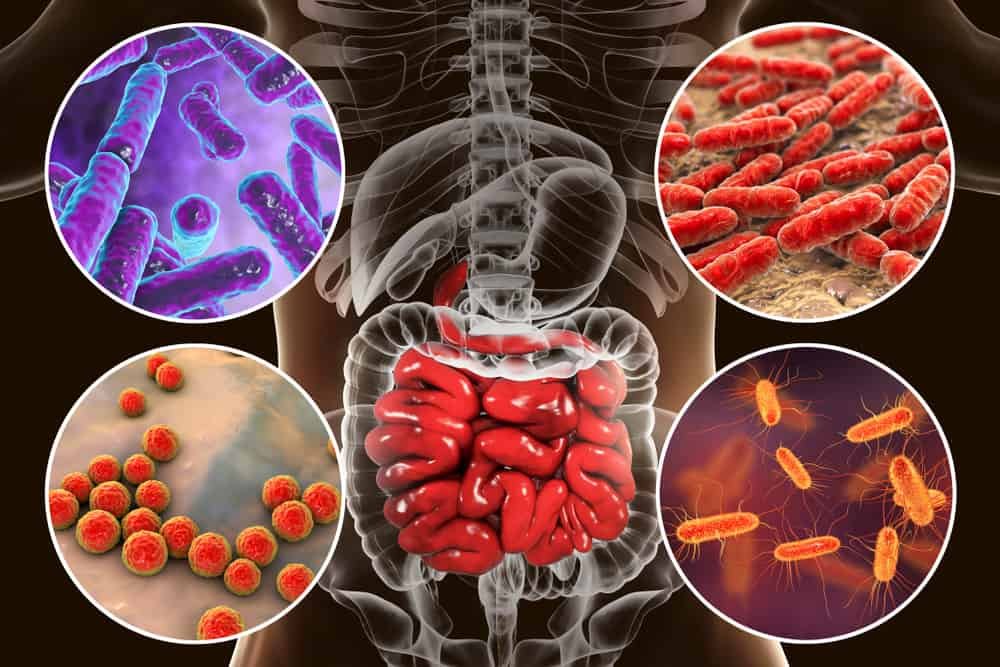
Picture a busy city street on a Monday morning — thousands of commuters moving in every direction. Zoom into a microscopic scale, and that’s roughly what your body’s microbiome looks like.
Instead of people, per Nutrition Reviews, the body hosts trillions of microorganisms spanning thousands of species — bacteria, fungi, viruses, and parasites that coexist peacefully in a healthy body.
Most of these organisms live in the large and small intestines, though they travel throughout the body. The microbiome functions almost like a supporting organ, playing a genuine role in daily bodily operations — and while a diverse gut flora carries real health benefits, that diversity can decline for a variety of reasons. The microbiome diet claims to address exactly that, aiming to restore microbiome diversity for better overall health.
Where Microbiomes Come From
Every person’s microbiota network is genuinely unique, shaped in part by DNA. Infants are first exposed to microorganisms during birth and through breast milk, with the mother’s own microbial makeup determining much of that initial diversity.
As a child grows and encounters new foods and environments, the microbiome continues shifting — sometimes for the better, sometimes raising illness risk. This exposure never really stops: kissing another person, eating a meal, applying cosmetics, or petting an animal all genuinely influence your internal microbial makeup, which is part of why the microbiome is so difficult to study on a general level — it’s deeply individual.
These microbial communities exist throughout the body — mouth, eyes, skin, genitals, and the GI tract — each region hosting its own distinct “flora,” including skin, oral, vaginal, and gut flora.
The Breakdown of Microbes
Most microbes are symbiotic (mutually beneficial), a smaller share are pathogenic (illness-promoting), and others are simply commensal (along for the ride). In a healthy body, symbiotic and pathogenic microbes coexist without much friction. But disturbances — certain diets, infections, or prolonged antibiotic use — can trigger dysbiosis, disrupting these everyday interactions and leaving the body more vulnerable to illness.
Why the Microbiome Matters
Research in the World Journal of Gastroenterology confirms the microbiome plays a genuinely significant role in daily bodily function — stimulating immunity, synthesizing amino acids and vitamins, and breaking down toxic food compounds.
Sugars are absorbed quickly in the upper small intestine, while complex carbohydrates like fiber and starches travel further to the large intestine, where the microbiome ferments them using specialized enzymes. This fermentation produces short-chain fatty acids, which the body uses as fuel and which genuinely support chronic illness prevention and muscle function — clinical research links them to improved brain function, immune support, and reduced inflammation.
A healthy microbiome also genuinely protects against pathogens from contaminated food or water — microbes in the low-oxygen colon environment crowd out harmful organisms competing for nutrients and attachment sites. Per Infection and Immunity, these same sites are major hubs of immune activity, with antimicrobial protein production genuinely helping regulate metabolism and mood.
A balanced microbiome supports optimal digestion overall, and can meaningfully improve existing GI issues. It also supports allergy defense, metabolism, and potential weight loss — these microbes genuinely influence cravings, food choices, and hunger signals, and lean individuals tend to show more microbiome diversity than those struggling with weight. Additional benefits linked to a balanced microbiome include better sleep, bone development support, natural antibiotic production, reduced joint/muscle pain, clearer skin, and better nutrient production. Conversely, an imbalanced microbiome raises the risk of GI, blood, and heart problems.
The Role of Probiotics
Given the science, how do you actually maintain enough beneficial microbes? Probiotic foods and supplements — containing live microbes or active bacteria — are widely marketed for digestive health, and probiotic supplement sales continue climbing as awareness grows, now a multi-billion-dollar industry.
Dr. Allan Walker, Professor of Nutrition at Harvard Medical School and the Harvard Chan School of Public Health, notes that despite mixed research, probiotics genuinely help in specific situations — particularly at either end of the age spectrum, when the microbiome isn’t yet (or is no longer) fully robust. Probiotics can also help replenish healthy gut bacteria after antibiotic use or reduce diarrhea severity from pathogen exposure — situations where the gut’s natural balance has been disrupted.
How Diet Shapes the Microbiome
Alongside medication, genetics, and environment, research in the Journal of Lipid Research confirms diet plays a genuinely major role in shaping gut microbes — together, these factors create a microbiome unique to each individual.
A high-fiber diet, for example, genuinely shifts the amount and type of gut microbes. Colon enzymes ferment dietary fiber, producing short-chain fatty acids that lower colon pH — and that more acidic environment limits harmful bacterial growth while supporting healthy blood glucose, cholesterol levels, and immune activity.
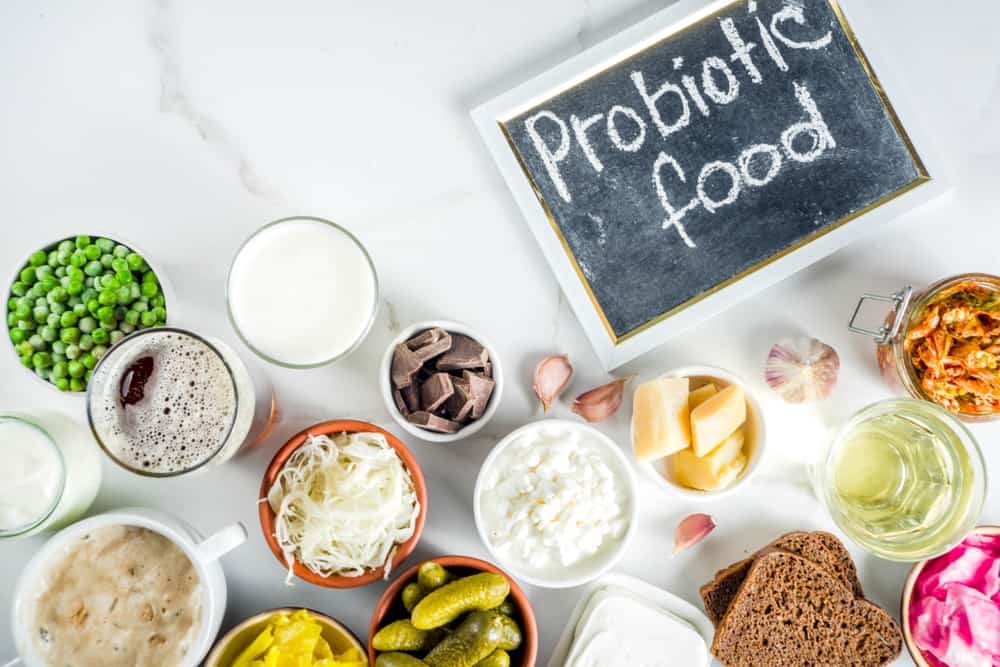
Foods that boost short-chain fatty acid production — indigestible fibers and carbohydrates, sometimes called prebiotics — feed beneficial microbes directly. Whole prebiotic foods are generally the better choice over supplements, though introducing them too quickly can cause bloating and gas, so those with existing GI issues should ease in gradually to build tolerance.
Signs Your Gut May Need Support
Poor digestive health produces a long, often confusing list of symptoms — partly because similar symptoms can stem from very different causes, and effects can show up well beyond the gut itself. Three broad gut-related issues typically drive these symptoms: food allergies/sensitivities/intolerances, intestinal permeability, and general microbiome imbalance.
The Diet’s Three Phases
The microbiome diet unfolds across three phases — the first two spanning about seven weeks combined, the third serving as a long-term maintenance approach. Many participants skip straight to phase three.
Phase 1: The Four R’s
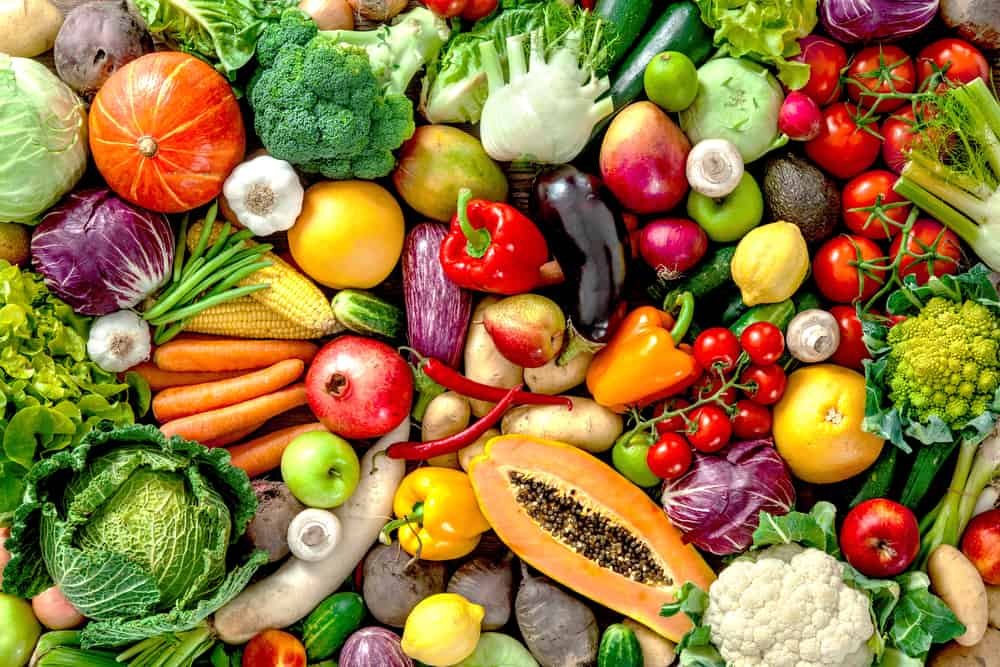
This three-week phase centers on removal, repair, replace, and reinoculate. During removal, disruptive foods, bacteria, toxins, and pathogens — added sugar, processed foods, pesticides, antibiotics — are eliminated. As the gut clears, it repairs its lining, replaces enzymes and stomach acid, and reinoculates beneficial bacteria. Foods to avoid during this phase include peanuts, soy, gluten, packaged foods, eggs, grains, potatoes, corn, legumes, deli meat, high-fructose corn syrup, hydrogenated/trans fats, fried foods, artificial sweeteners, and fruit juice.
Instead, focus on plant-based, microbiome-friendly foods: prebiotic vegetables (onions, artichokes, garlic), probiotic foods (kimchi, sauerkraut), healthy fats (avocado, seeds, nuts, fish), fruits, and cooking oils. If eating animal protein, favor grass-fed meat and wild fish. The “replace” step involves spices and herbs supporting digestive enzymes and stomach acid, while “reinoculate” emphasizes probiotic- and prebiotic-rich foods to repopulate beneficial bacteria.
Phase 2: Metabolic Boost
Over the following four weeks, additional foods are reintroduced — gluten-free grains, beans, sweet potatoes, yams, goat or sheep’s milk, mangos, peaches, melons, pears, kefir, and organic free-range eggs. The goal is continued gut healing, while sticking to the eating pattern roughly 90% of the time, allowing occasional flexibility.
Phase 3: Lifetime Maintenance
By this stage, the gut should be largely rebalanced. Maintenance means continuing to avoid gut-damaging foods while listening closely to your body’s responses to determine what genuinely works long-term.
Recommended Supplements
- Acids and enzymes: small daily amounts of apple cider vinegar to support stomach acid, plus digestive enzyme supplements (lipase, protease, amylase) for breaking down fats, proteins, and carbs.
- Antimicrobials: berberine, garlic, oregano oil, caprylic acid, and grapefruit seed extract, targeting pathogens.
- Gut lining support: vitamin D, zinc, marshmallow root, slippery elm, glutamine, and quercetin.
- Probiotics: products delivering 50-200 billion bacteria, with strains like Plantarum, Lactobacillus acidophilus, Acidophilus reuteri, Rhamnosus, and bifidobacteria.
General Guidelines
During maintenance, use a quality water filter, favor organic foods to limit hormone/pesticide exposure, switch to natural personal-care products, avoid overusing antibiotics and NSAIDs, and steer clear of proton pump inhibitors, which suppress stomach acid production.
What the Research Actually Shows
No study has conclusively proven the microbiome diet itself improves gut health or treats specific conditions, though related evidence is genuinely promising. A 2014 Nature study confirmed dietary changes genuinely shift gut bacterial abundance, and a 2019 Frontiers in Nutrition study found plant-based eating genuinely supports gut diversity — relevant given the diet’s plant-heavy structure.
On probiotics specifically, research in Nutrients found genuine benefit for various GI conditions, though the science is still developing. A 2019 study in Cell Host and Microbe found identical foods can affect people’s microbiomes differently based on their DNA — suggesting a more individualized nutritional approach may ultimately serve people better than a one-size-fits-all diet, especially those managing underlying health conditions.
Pros and Cons
Pros
Illness protection: Many of the diet’s required foods carry genuinely protective qualities, even if the full regimen itself isn’t independently proven.
Gut health improvement: Its prebiotic- and probiotic-rich foods work together to genuinely support gut health.
Immune support: Nurturing the microbiome through food choices also supports the body’s illness defenses.
Reduced sugar intake: Cutting back on added sugar genuinely supports better daily functioning.
Nutrient-dense choices: Its plant-forward structure encourages a wide range of vitamin- and mineral-rich foods.
Potential weight loss: A diet built around vegetables, fruit, and lean protein commonly supports weight loss — though calorie excess is still possible even on healthy foods.
Cons
Cost: Organic produce, cage-free eggs, and free-range meat push grocery bills noticeably higher.
Restrictiveness: Phase one in particular eliminates far more foods than most people genuinely need to — eggs, legumes, corn, dairy, and soy can remain healthy staples for most people. The diet’s real benefit likely comes from its emphasis on fruits, vegetables, lean protein, and healthy fats rather than the elimination itself, and probiotic needs vary meaningfully by individual gut composition.
Unconfirmed claims: Many gut-health claims lack independent verification, and the diet hasn’t been thoroughly studied for safety or long-term effectiveness. Genetic variation makes it especially hard to generalize results. Many recommended supplements also lack strong supporting research, so it’s genuinely worth consulting a doctor before adding any — especially during pregnancy, breastfeeding, or when managing a chronic condition or medication regimen. A dietitian consult is also wise before starting any restrictive eating pattern, and anyone with ongoing digestive symptoms should check with a doctor first, since those symptoms could point to something needing more immediate attention.
Where the Research Is Headed
The microbiome is a constantly shifting environment, with microbial populations fluctuating daily based on exercise, diet, medication, and other factors. Researchers are still in relatively early stages of mapping its full role in health.
Active research areas include how microbial metabolic byproducts affect health, what shapes an individual’s microbial balance, probiotic regulation as a functional food category, and advanced techniques like metatranscriptomics, next-generation sequencing (including major projects like MetaHIT and the Human Microbiome Project), shotgun metagenomic sequencing, and 16S rRNA sequencing. Scientists are also exploring microbial transplantation, diagnostic biomarkers for early illness detection, microbiome factors in infants and pregnancy, differences between chronically ill and healthy individuals, and ways to make microbes more responsive to treatment.
Bottom Line
The microbiome diet is a plant-forward approach built around beneficial gut microorganisms, and a diverse microbiome genuinely appears to lower illness risk while probiotics can ease specific conditions. That said, research on the diet itself remains mixed, and its supplement list and food restrictions may go further than most people actually need — many will get similar benefit simply by adopting phase three’s more moderate approach from the start.
In general, diets built around healthy fats, fruits, vegetables, and lean protein naturally support a healthier gut compared to a typical Western diet, while a personalized approach — shaped with input from a dietitian or doctor — will usually serve you better than following any single rigid framework. Cutting back on fried, sugary, and packaged foods remains one of the most reliable ways to support your health at every level, regardless of which specific plan you follow.
Explore more Diet Guide reviews and guides on our site.