Postbiotics: Health, Well-Being and Weight Loss
Let’s take a closer look at postbiotics health and what it genuinely offers. The “-biotics” family covers metabolites, nutrients, microbes, and food components that shape gut health — and its newest member is postbiotics, also known as paraprobiotics. Confusion around the term is genuinely common, even among health providers, so let’s break down what paraprobiotics […]

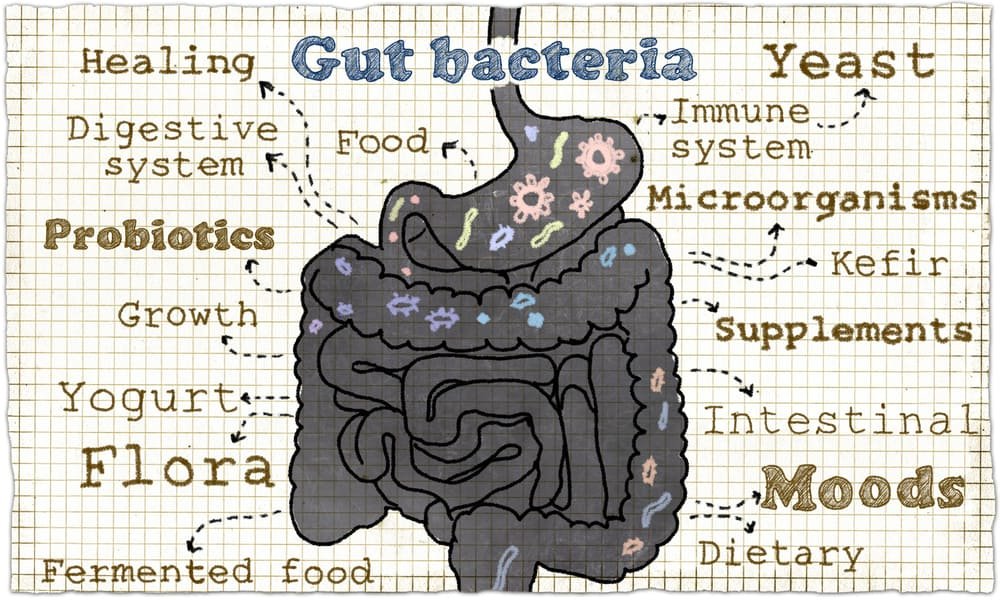
Let’s take a closer look at postbiotics health and what it genuinely offers.
The “-biotics” family covers metabolites, nutrients, microbes, and food components that shape gut health — and its newest member is postbiotics, also known as paraprobiotics. Confusion around the term is genuinely common, even among health providers, so let’s break down what paraprobiotics are, how they’re made, where to find them, and what benefits (and future applications) the research supports. Note: “postbiotics” and “paraprobiotics” are used interchangeably throughout, as researchers currently treat them as referring to the same microbes.
Postbiotics Health: What Are Paraprobiotics?
Fermented foods and gut probiotic fermentation both produce postbiotic benefits, including inactivated microbial strains. Per Nutrients, paraprobiotics are defined as “non-viable microbial cells (intact or broken) or crude cell extracts… which, when administered in adequate amounts, confer a benefit on the human or animal consumer.”
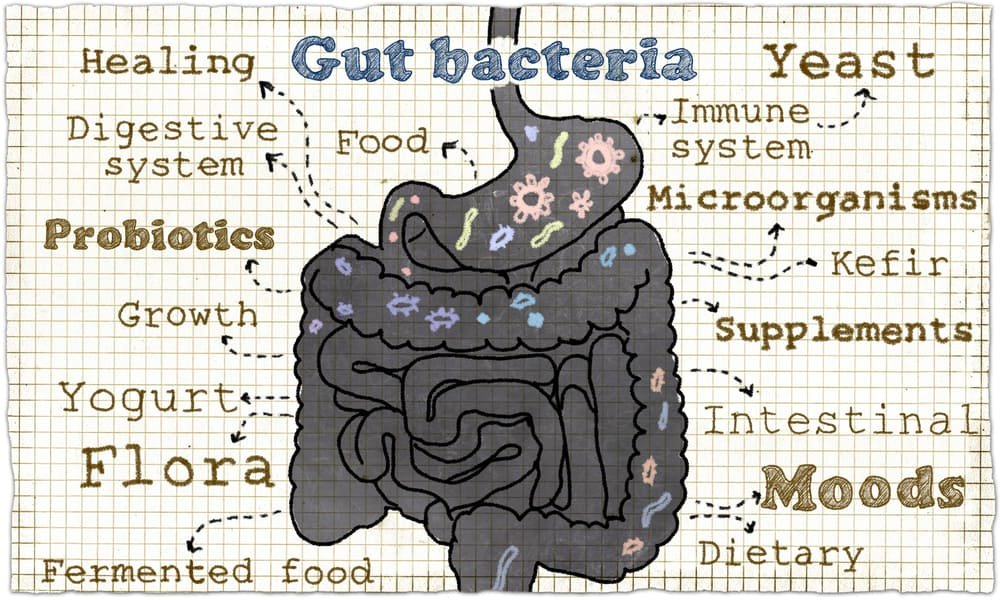
When prebiotics feed gut probiotics, fermentation occurs — and paraprobiotics are essentially the byproduct of that process. These “waste” compounds — carbon substrates, enzymes, organic acids — genuinely help regulate microbiome composition. Over 800 distinct types are currently known, spanning metabolic enzymes, amino acids, and short-chain fatty acids, with greater bacterial diversity generally supporting better gut health.
Paraprobiotics form naturally in the body but can also be introduced externally. Compared to probiotics, they offer genuine advantages: more stability, longer shelf life (dead vs. live bacteria), fewer strict storage requirements, and suitability for immunocompromised individuals who can’t safely take live probiotics.
How Paraprobiotics Are Produced
Typically created through cell disruption techniques — heat, solvent extraction, sonication, enzymatic treatment — followed by additional purification steps like centrifugation, extraction, dialysis, and freeze-drying, per the International Journal of Current Microbiology and Applied Science.
Classes of Paraprobiotics
Per Nutrients, classes include exopolysaccharides, enzymes, cell-free supernatants, cell wall fragments, bacterial lysates, gut-microbiota-derived metabolites, and short-chain fatty acids.
Exopolysaccharides (EPS)
Biopolymers released outside the bacterial cell wall, used industrially as water-binding agents, emulsifiers, and stabilizers. An EPS isolated from fermented tofu genuinely boosted immune markers and lymphocyte activity, per the International Journal of Biological Macromolecules. EPS may also inhibit cholesterol absorption and support lipid metabolism, with certain durian-derived variants showing genuine antimicrobial and antioxidant properties, per Molecules. β-glucans, a specific EPS class, can activate macrophages and boost carotenoid absorption, per Molecular Nutrition and Food Research.
Enzymes
Antioxidant enzymes like glutathione peroxidase, catalase, and SOD defend against reactive oxygen species. Certain Lactobacillus fermentum and Lactobacillus plantarum strains show genuinely potent antioxidant enzyme activity, per the Journal of Agriculture and Food Chemistry, though more research is needed on standalone enzyme use.
Cell-Free Supernatants
Lactobacillus acidophilus and Lactobacillus casei supernatants show genuine antioxidant and anti-inflammatory effects on gut immune cells, per Evidence-Based Complementary and Alternative Medicine. Lactobacillus and Bifidobacterium supernatants show promise treating diarrhea by blocking harmful E. coli invasion, per the Journal of Infection and Chemotherapy.
Cell Wall Fragments
Lipoteichoic acid (LTA), found in Gram-positive bacteria, shows some genuine immunostimulatory effects, per the Journal of Inflammation, including topical anti-infectious peptide release from Lactobacillus and Bifidobacteria strains — though more research is needed to confirm broader anti-inflammatory applications.
Bacterial Lysates
Used clinically to link intestinal and respiratory immunity — oral administration activates immune cells that migrate to respiratory mucous membranes, per the International Journal of Immunopathology and Pharmacology. A 2018 analysis of 4,800 children found genuinely fewer respiratory infections among bacterial lysate recipients, and a 2020 European Respiratory Review confirmed reduced asthma exacerbations and wheezing. Heat-killed Lactobacillus paracasei also reduced dry eye symptoms in one study, per Nutrients.
Metabolites
Gut microbiota produce aromatic amino acids, vitamins, and polyphenol-derived metabolites with genuine antioxidant value — including folate, essential for DNA synthesis. Polyphenol-derived paraprobiotics like urolithin A show genuine anti-obesity effects and reduced insulin resistance, per PLoS Biology.
Short-Chain Fatty Acids (SCFAs)
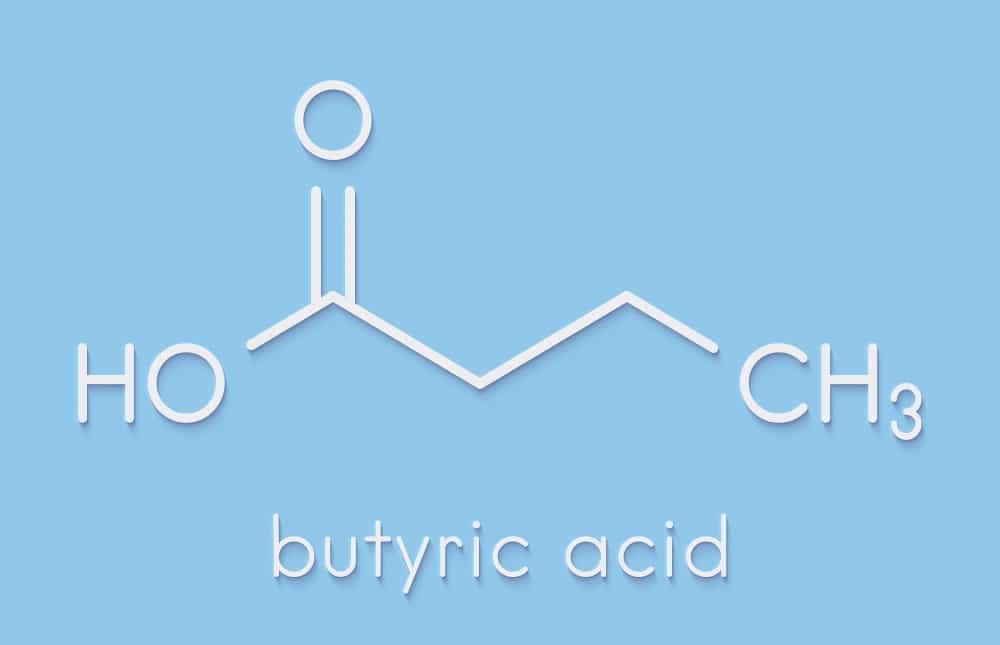
Produced through plant polysaccharide fermentation — acetate, butyrate, and propionate are the main forms. Butyrate genuinely fuels intestinal cell renewal, eases inflammation, and induces food tolerance, per Frontiers in Immunology. Acetate supports insulin sensitivity, lowers body fat, and regulates appetite via the central nervous system, per Frontiers in Endocrinology. Propionate supports carbohydrate metabolism and carries a statin-like cholesterol-lowering effect, per the British Journal of Nutrition.
SCFAs help maintain the gut’s optimal acid-base balance — dysbiosis (imbalance) can push the gut up to 100 times too alkaline, per Inflammatory Bowel Diseases. Since intestinal cells regenerate roughly weekly, SCFAs provide much of the fuel for that renewal, per Sage Veterinary Pathology — making them arguably the most critical paraprobiotic class.
Butyrate specifically supports regularity, microbiota balance, intestinal barrier strength, and anti-inflammatory activity. Vegetable-rich, high-fiber diets naturally boost butyrate production, while low-nutrient diets risk deficiency-related issues like allergies, dysbiosis, and increased gut permeability.
Probiotics, Prebiotics, Synbiotics, and Paraprobiotics: What’s the Difference?
Probiotics
Per the ISAPP, “live microorganisms that, when administered in adequate amounts, confer a health benefit on the host.” Modern life can genuinely deplete these naturally occurring gut bacteria, creating imbalance — Greek yogurt, kimchi, sauerkraut, and kombucha are excellent sources.
Prebiotics
Non-digestible food ingredients (onion, chicory root, asparagus) that selectively feed beneficial gut bacteria, per Foods.
Synbiotics
A combination of live microorganisms and the substrates they use, per the ISAPP’s 2019 definition — essentially probiotics and prebiotics working together.
Paraprobiotics
Bioactive compounds — microbial cells, cell constituents, and metabolites — produced by fermentation, per the International Journal of Molecular Sciences. Sometimes called metabiotics — “soluble factors secreted by live bacteria or released after bacterial lysis,” per Microorganisms.
How These Elements Work Together
Prebiotics (food) feed probiotics (live bacteria), and probiotic “waste” becomes postbiotics — a sequential, symbiotic process essential to a balanced, healthy gut and immune system.
Where to Find Paraprobiotics
Fermented foods naturally boost paraprobiotic levels: buttermilk, kefir, miso soup, pickles, sauerkraut, soft cheeses, sourdough bread, tempeh, and yogurt. Supplements (often combined with prebiotics and probiotics) offer an alternative for those who don’t eat much fermented food.
Paraprobiotics and Fermentation
Different microbes produce different compounds during fermentation — acetobacteria yield acetic acid, yeasts produce alcohol and CO2, and specific bacteria create distinctive flavors like Swiss cheese’s signature taste. Fermentation also boosts nutrient bioavailability and reduces antinutrients, with native gut bacteria (Enterococcus, Lactobacillus, Bacteroides, Faecalibacterium) offering similar benefits to fermentation-derived strains.
Health Benefits
Paraprobiotics show genuine antioxidant, antiproliferative, cholesterol-lowering, anti-inflammatory, immunomodulatory, anti-obesity, and blood-pressure-supporting properties, while strengthening gut barrier function and immune response.
Other genuine benefits include: restoring gut microbial balance; the compound muramyl dipeptide improving insulin sensitivity and easing glucose intolerance; offering a safe alternative for immunocompromised individuals and infants who can’t tolerate live probiotics; supporting diarrhea treatment; strengthening antimicrobial defenses; and easing inflammation in inflammatory bowel disease, where probiotics may not help.
Paraprobiotics and Leaky Gut Syndrome
Leaky gut syndrome — cramping, bloating, gas, food sensitivities — often stems from increased intestinal permeability, allowing pathogens and toxins into the bloodstream, per Frontiers in Immunology. Clinical research on butyrate found it genuinely helped restore intestinal lining and ease GI symptoms, per the World Journal of Gastroenterology.
Paraprobiotics and Obesity
Research in Cell Metabolism found muramyl dipeptide genuinely lowered adipose inflammation and improved insulin sensitivity in obese mice — suggesting real potential for human insulin regulation, though dedicated human weight-loss trials remain limited. Anecdotal evidence suggests those experiencing insulin-resistance-related bloating and weight gain may see improvement once that resistance is managed.
Side Effects and Risks
Generally safe, though sensitive individuals may notice temporary gas, constipation, diarrhea, or bloating as the gut adjusts — symptoms that typically resolve as bacterial balance stabilizes. Persistent issues warrant a conversation with a healthcare provider.
Future Clinical Applications
Clinical trials are already underway exploring paraprobiotics for inflammatory bowel disease, multiple sclerosis, and Alzheimer’s disease, with potential future applications in pediatric care and other populations where live probiotics aren’t suitable. As research continues, personalized gut-health approaches may eventually emerge — but in the meantime, incorporating fermented foods and paraprobiotic-supporting choices is a genuinely accessible way to support gut balance today.
Explore more Diet Guide reviews and guides on our site.
Overall, postbiotics health remains worth understanding before you decide.
Overall, postbiotics health remains worth understanding before you decide.