
Healthy New Years Resolutions: Eating Right
Let’s take a closer look at healthy new years resolutions and what it genuinely offers. With the New Year approaching, plenty of people start building resolutions aimed at getting happier and healthier — and diet is one of the most common targets. If you’re looking to lose weight, improve your physical health, and live longer, […]

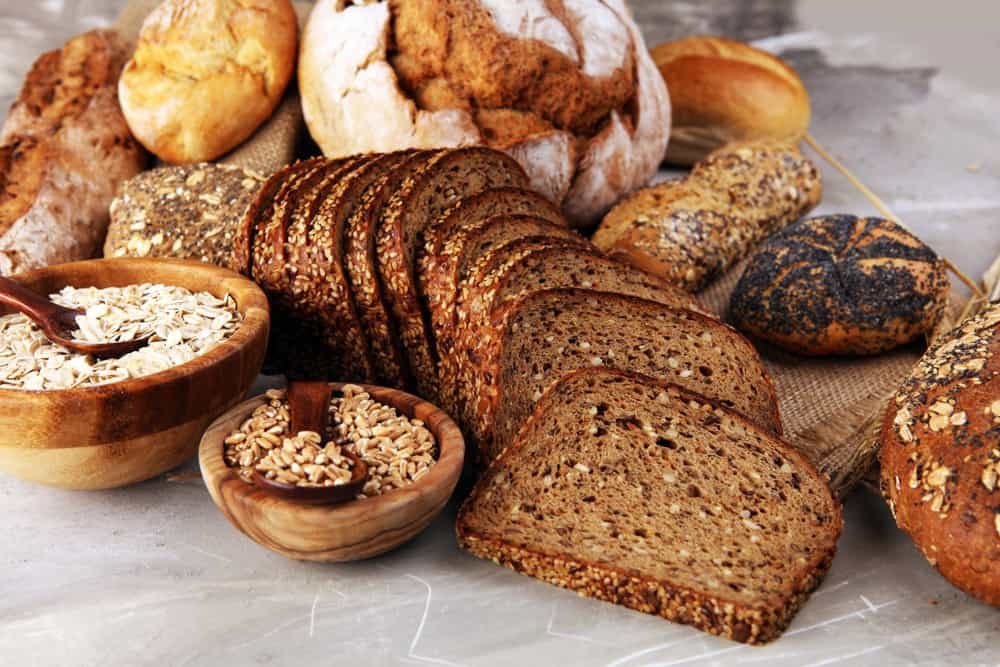
Let’s take a closer look at healthy new years resolutions and what it genuinely offers.
With the New Year approaching, plenty of people start building resolutions aimed at getting happier and healthier — and diet is one of the most common targets. If you’re looking to lose weight, improve your physical health, and live longer, here’s how to genuinely start eating right this year.
Healthy New Years Resolutions: Nutrition: Choose Whole-Grain Bread Over Refined Bread
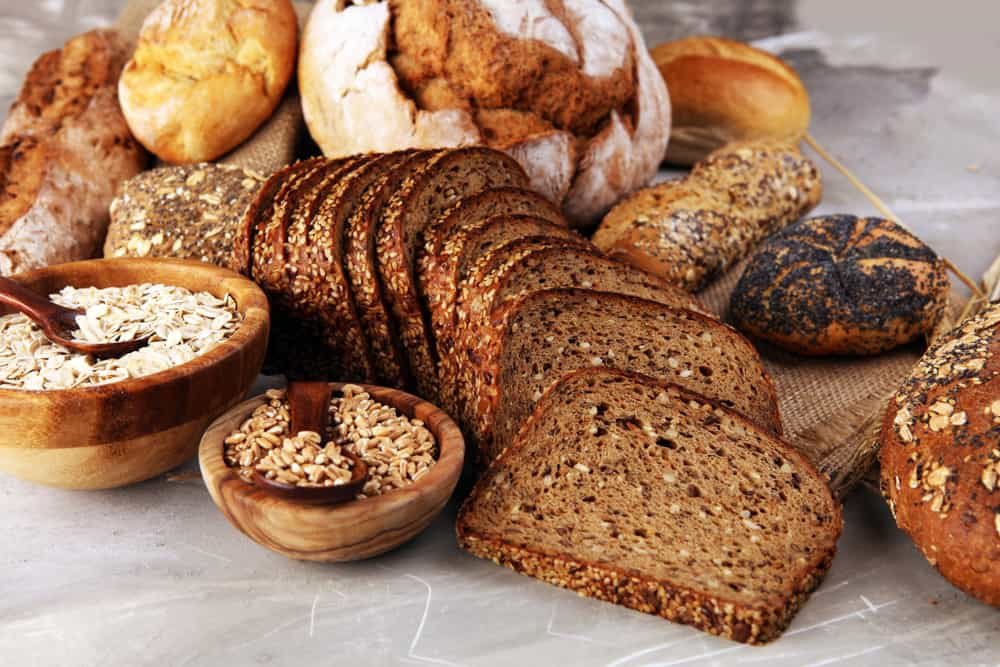
Refined grains — white rice, sweet desserts, pizza dough, certain pastas, white flour — have been stripped of fiber, bran, and other key nutrients. Whole-grain bread offers a genuinely better alternative, and many varieties taste just as good, if not better.
A study of over 70,000 participants in Annals of Epidemiology found regular whole-grain eaters faced significantly lower metabolic disorder risk. Research in Molecular Nutrition & Food Research found whole grains reduced inflammation markers in children, and a study in BMJ linked regular whole-grain consumption to reduced cardiovascular risk. Check labels carefully — some breads blend whole and refined grains — and look for options with whole seeds for an extra nutritional boost.
Shop With a List and Stick to It
Grocery shopping without a list — or forgetting the one on your fridge — opens the door to impulse buying, especially when shopping hungry. Build your list ahead of time based on your weekly meal plan, keep it on your phone or photograph a handwritten version, and stick to it once you’re in the store. Shopping in the evening after dinner can make it easier to resist impulse purchases.
Swap Sweetened Yogurt for Greek Yogurt

Regular yogurt is a solid calcium and protein source, but many popular brands are loaded with added sugar. Greek yogurt’s straining process removes excess whey, concentrating protein — up to 9g per 100g serving, per USDA data — while also reducing lactose content, making it naturally lower-carb.
Research in the British Journal of Nutrition confirms higher protein intake genuinely supports fullness, helping reduce overall calorie consumption. Choose plain, unflavored varieties to avoid the added sugar in many flavored options.
Add a Vegetable to Breakfast
Breakfast genuinely jumpstarts your metabolism, per Obesity Research & Clinical Practice — but most people skip the vegetables entirely. Spinach pairs beautifully with eggs (think Eggs Florentine), and eating vegetables first at the table slows carbohydrate absorption, helping regulate blood sugar, per the Journal of Clinical Biochemistry and Nutrition.
Drink Five Bottles of Water Daily

Water genuinely supports nearly every bodily process. Research in the American Journal of Clinical Nutrition, tracking nearly 5,000 records, found increased water intake alongside exercise led to greater weight loss than exercise alone. A study in Obesity (Silver Spring) found pre-meal water drinkers lost nearly 50% more weight over 12 weeks, and The Journal of Clinical Endocrinology and Metabolism found 500mL of water boosted energy expenditure by roughly 25%. Aim for five bottles daily — with meals and in between — and drink extra during workouts.
Bake Instead of Fry
How you cook matters as much as what you cook. Frying and even grilling can release harmful compounds — advanced glycation end-products (AGEs), polycyclic aromatic hydrocarbons (PAHs), and heterocyclic amines (HCAs) — linked to chronic disease risk, per multiple studies in Food Chemistry and Cardiovascular Research. Baking is a simple, genuinely effective swap — pressure cookers, slow cookers, and sous-vide are other healthier alternatives worth exploring, saving the grill for special occasions.
Downsize Your Dinner Plates
Swapping dinner plates for smaller salad plates genuinely tricks the brain into feeling satisfied with less food. Research in the International Journal of Obesity confirms plate size directly affects perceived portion size, and a study in the American Journal of Preventive Medicine found people eating from larger bowls consumed over 30% more ice cream than those using smaller bowls.
Cook as a Family

Home cooking gives you full control over salt, sugar, and fat, while saving money and often leaving leftovers for the next day. Family meals also naturally slow down eating through conversation, giving your body time to register fullness. A study in Pediatric Clinics of North America found families who cook together see markedly reduced childhood obesity risk.
Eat Your Fruit, Don’t Drink It
Fruit juice often isn’t much healthier than soda — many varieties are made from concentrate with added sugar, carrying comparable sugar content to soft drinks, without the fiber and full nutrient profile of whole fruit. Research in Preventive Medicine links whole-fruit consumption to reduced metabolic risk, and the Journal of Human Hypertension links it to reduced cardiovascular risk.
Choose Fresh Berries Over Dried

Dried berries concentrate calories and sugar into a much smaller serving once water is removed, and many are coated with additional sugar. Fresh berries deliver the same antioxidants with meaningfully fewer calories and less sugar.
Rethink Your Cooking Oil
Standard vegetable oils like canola are high in inflammatory omega-6 fatty acids and low in omega-3s — an imbalanced ratio linked in Biomedicine & Pharmacotherapy to immune, bone, and cardiovascular issues. Extra virgin olive oil is a genuinely easy, often unnoticeable swap that supports better long-term health.
Drink Your Coffee Black
Coffee itself carries real benefits, including potential brain and metabolic protection per Diabetologia — but syrup, sugar, and heavy cream can quietly turn it into a dessert. Skip the add-ins to keep the benefits without the extra calories, and consider brewing at home to save money too.
Swap Chips for Popcorn

Air-popped popcorn delivers a similar crunch to chips with far fewer calories, plus genuine whole-grain benefits — research in the American Journal of Clinical Nutrition links whole grains to reduced inflammation and better heart health. If microwaving, check labels for added fat and sugar.
Try a New Healthy Recipe Every Friday
Meal routines can get stale fast, leading to repetitive, uninspired eating. Designate Friday as “new dinner night” — pick and try a new healthy recipe as a family each week. It keeps cooking exciting and can genuinely reduce the temptation to eat out.
Build Your Healthy Resolutions This Year
These are just a few practical ways to start eating right. The more specific your resolutions, the more likely you are to actually follow through — take a few ideas from this list, build a genuine plan, and prioritize your health this year. A little focus on yourself now pays off in a happier, healthier version of you.
Explore more Health Articles reviews and guides on our site.
Overall, healthy new years resolutions remains worth understanding before you decide.
Overall, healthy new years resolutions remains worth understanding before you decide.