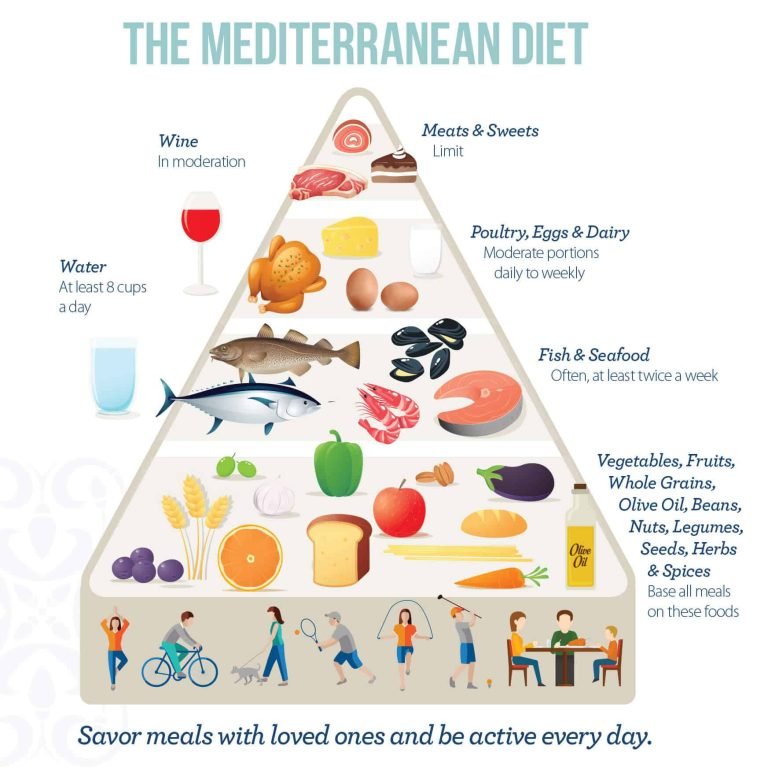
A Healthier Recipe New Year’s Party: Ring in the Year Light
Let’s take a closer look at a healthier recipe new and what it genuinely offers. As the holidays approach, plenty of people are already planning their menus — and if you’re trying to stick to a diet while losing weight, that means thinking carefully about how to keep your traditional recipes healthy. Maybe your New […]

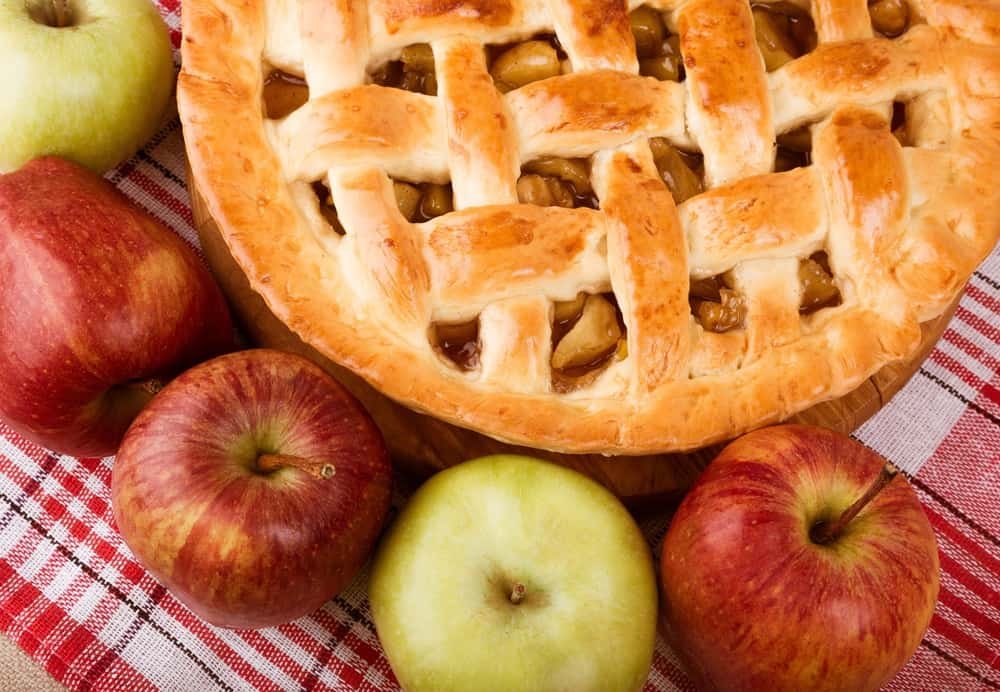
Let’s take a closer look at a healthier recipe new and what it genuinely offers.
As the holidays approach, plenty of people are already planning their menus — and if you’re trying to stick to a diet while losing weight, that means thinking carefully about how to keep your traditional recipes healthy. Maybe your New Year’s Eve spread always includes baked macaroni and cheese, a big bowl of guacamole, or a special dessert pie. The good news is you don’t have to abandon these traditions entirely — a few smart swaps can make them noticeably healthier without sacrificing the flavor everyone loves.
A Healthier Recipe New: A Traditional American New Year's Eve Dessert: Apple Pie
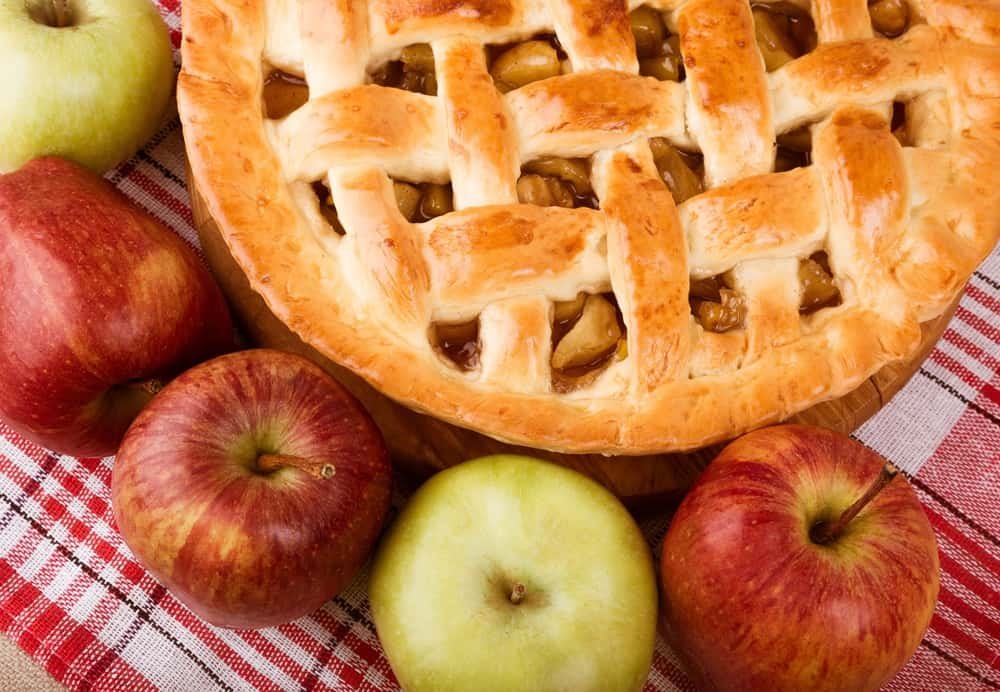
Few desserts feel more American than apple pie, but a single slice carries a real nutritional cost: 410 calories, 19.4g total fat (4.7g saturated), 327mg sodium, 57.5g carbs, and 3.7g protein. That’s roughly 20% of a 2,000-calorie daily target in one slice alone — but there are ways to lighten it up considerably.
Reduced-Calorie Apple Pie
This version uses fresh, crisp apples topped with specialty sugar and brushed with jam for extra flavor without piling on calories. You’ll need:
- 2.5 lbs mixed apples (Gala or Granny Smith)
- ½ cup light brown sugar
- 1 tablespoon vanilla extract
- 1 tablespoon fresh lemon juice
- 3 tablespoons all-purpose flour
- 1 teaspoon cinnamon
- 1 large egg white
- 2 tablespoons turbinado or raw sugar
- 2 tablespoons melted apricot jam
- Peel, core, and slice the apples about a quarter-inch thick. Preheat the oven to 375°F.
- Shape the pie crust edges into peaks, then freeze for 10 minutes until firm.
- Toss the apples with brown sugar, vanilla, lemon juice, cinnamon, and flour.
- Arrange the filling in concentric circles, brush the crust edges with egg white, and sprinkle with turbinado sugar.
- Bake on the center rack for about 45 minutes, until the apples are tender and the crust is golden — cover with foil if the crust browns too fast.
- Brush with apricot jam, cool, slice, and serve.
Per slice: 298 calories, 8g fat (5.7g saturated), 54g carbs, 3g fiber, 4g protein — more than a 25% calorie reduction from the traditional version, though still fairly carb-heavy.
Reduced-Carb Apple Pie
For an even lighter option, this version cuts sugar significantly using Granny Smith apples — expect a slightly tart flavor, which pairs beautifully with a scoop of low-fat, low-sugar frozen yogurt or a calorie-free sweetener on top. You’ll need:
Crust: 1 cup all-purpose flour, ½ teaspoon salt, 3 tablespoons cold water, ¼ cup chilled butter.
Filling: 2 cups Granny Smith apples, 2 cups Gala apples, 1 tablespoon lemon juice, ¼ cup brown sugar, 2 tablespoons butter, 1½ tablespoons flour, 2 tablespoons granulated sugar.
- Preheat the oven to 425°F. Combine flour and salt, then cut in chilled butter with a pastry blender until crumbly.
- Add ice water one tablespoon at a time, mixing between additions. Form into a ball and roll into an 11-inch circle (plastic wrap helps prevent sticking).
- Refrigerate 30 minutes, then press into a 9-inch pie plate and set aside.
- Peel, core, and dice the apples, then toss with lemon juice. Combine sugar and flour separately, then mix into the apples.
- Pour the filling into the crust, dot with remaining butter pieces.
- Bake at 425°F for 10 minutes, then reduce to 350°F for another 30 minutes.
- Cool before slicing and serving. Use a foil ring if the crust browns too quickly.
Per slice: 199 calories, 10g fat, 2g protein, 28g carbs — roughly half the carbs of the other recipes, making it the clear winner for anyone watching carb intake closely.
Traditional New Year’s Eve Comfort Food: Macaroni and Cheese
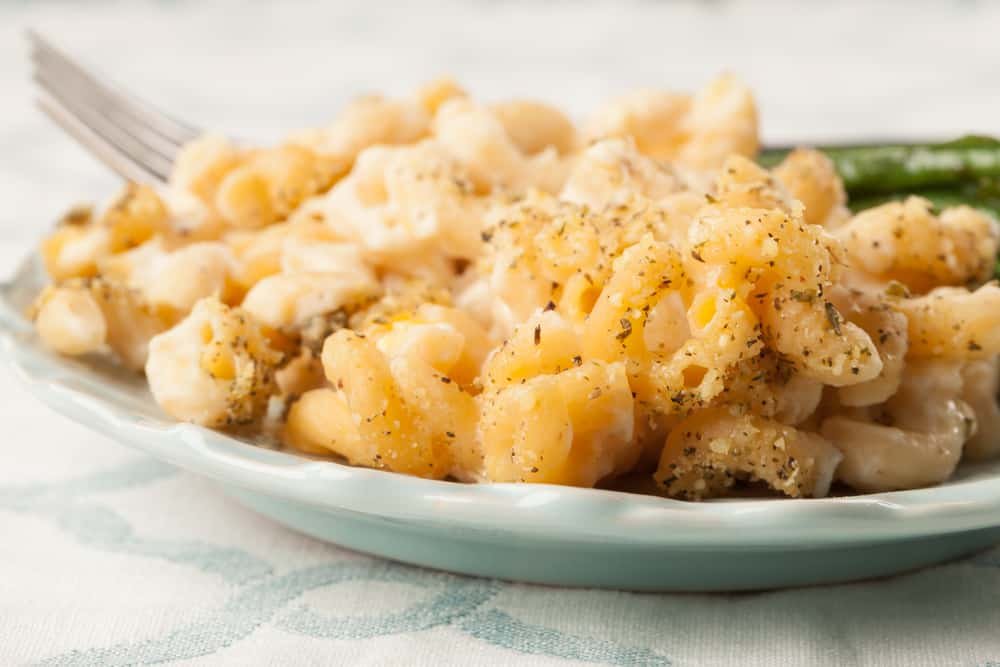
Comfort food is a staple of New Year’s Eve celebrations, but homemade macaroni and cheese doesn’t do your diet any favors. A standard 1-cup serving carries 500 calories, 24g fat, 53g carbs, 3g fiber, and 837mg sodium, according to the FDA. Most people should aim for around 2,300mg of sodium daily, and the CDC notes excess sodium can drive long-term health issues — and pre-packaged or restaurant versions often exceed 1,200mg per serving on their own.
Reduced-Calorie Macaroni and Cheese
This version swaps in squash for cream, adding richness without the calorie spike. You’ll need:
- 1 package whole-grain pasta
- ½ onion, diced
- 1½ cups reduced-fat milk
- 2 tablespoons unsalted butter
- 4 oz reduced-fat cheddar, shredded
- 4 oz gruyère, shredded
- 1 package pureed squash
- ½ tablespoon salt
- ¼ teaspoon cayenne pepper
- ½ cup toasted breadcrumbs
- Cook the pasta per package directions, drain, and set aside.
- Melt butter over medium-high heat, then cook the onion until translucent, about 5 minutes.
- Stir in flour until bubbling (about 30 seconds), then cook 2-3 more minutes.
- Whisk in milk and cook until thickened, about 3 minutes.
- Stir in both cheeses, squash puree, cayenne, and salt. Add the pasta and toss to coat evenly.
- Top with breadcrumbs before serving.
Per serving: 354 calories, 17g protein, 47g carbs, 300mg sodium, 12g fat (6.5g saturated) — less than half the sodium of the traditional version, though still fairly carb-heavy.
Cauliflower and Cheese
For anyone specifically watching carb intake — including those managing certain chronic conditions — this version swaps cauliflower for pasta entirely, while keeping the creamy, cheesy, bacon-topped flavor intact. You’ll need:
- 1 head cauliflower, cut into florets
- Pinch of salt
- ¾ cup reduced-fat milk
- ¼ cup melted butter
- 1 cup mozzarella cheese
- 3 oz softened cream cheese, cubed
- 4 slices bacon, cooked crispy and diced
- 2 cups shredded cheddar cheese
- Black pepper, garlic powder, and chili powder to taste
- Parsley, for garnish (optional)
- ¼ cup Parmesan and 1 extra tablespoon melted butter, for topping
- Preheat the oven to 375°F. Boil the cauliflower in salted water for 8-9 minutes until tender-crisp, then drain.
- Coat a 9×13 baking dish with melted butter.
- Heat milk over medium heat, whisk in cream cheese until melted, then stir in the seasonings.
- Add mozzarella and cheddar, stirring until melted.
- Fold the cauliflower into the cheese sauce, then transfer to the prepared dish.
- Top with Parmesan mixed into the remaining melted butter.
- Bake uncovered for 18-20 minutes, until hot, bubbly, and crispy.
- Garnish with bacon and parsley before serving.
Per serving: 605 calories, 48g fat (27g saturated), 961mg sodium, 13g carbs (6g sugar), 32g protein. Carbs drop dramatically here, though fat and sodium run higher — swap in fat-free cheese, turkey bacon, fat-free cream cheese, and skim milk to lighten it further.
Heading South of the Border With Guacamole
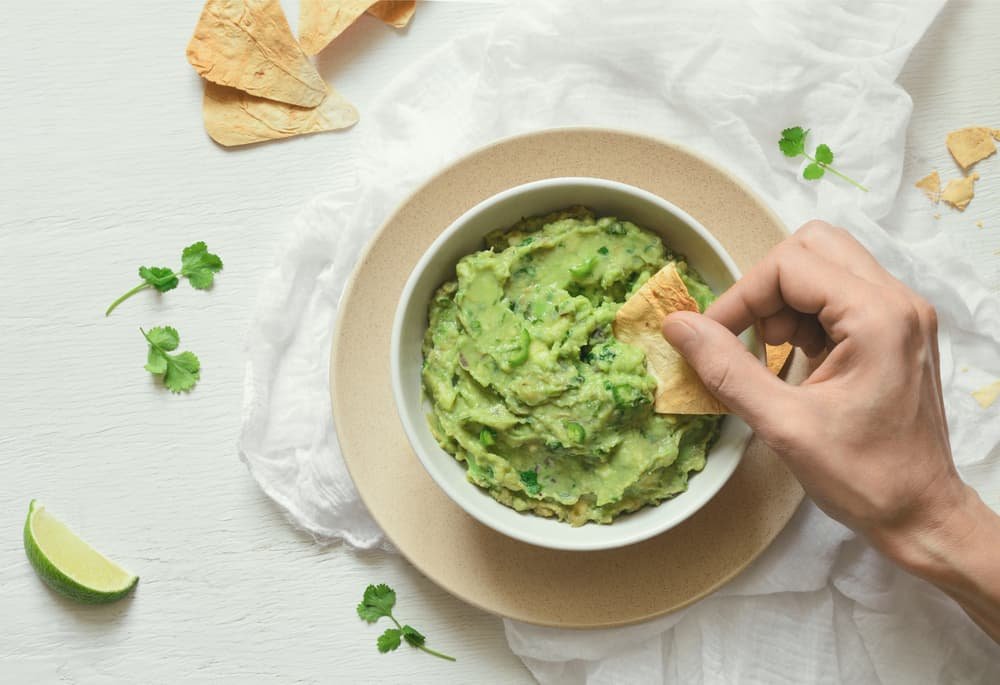
Guacamole shows up at plenty of New Year’s Eve spreads, and while it’s genuinely vegetable-based, it’s not as light as many assume. A 1-oz serving (about 2 tablespoons) carries 44 calories, 4g fat, 2.7g carbs, and 1g protein — meaning a full cup serving runs 352 calories, 32g fat, 21.6g carbs, and 8g protein. Pair that with chips, and the calorie count climbs even further.
Lower-Calorie Guacamole
This version uses zucchini to cut both calories and fat without sacrificing flavor. You’ll need:
- 1 large zucchini, peeled and cubed
- 1 large ripe avocado, cubed
- ¼ cup fresh chopped cilantro
- ¼ cup finely chopped onion
- 2 tablespoons lime juice
- 2 cloves garlic, minced
- Hot sauce and salt to taste
- Microwave the zucchini, covered with a damp paper towel, for 4-5 minutes until tender. Drain and press out excess liquid.
- Transfer to a bowl with the avocado, onion, cilantro, lime juice, hot sauce, garlic, and salt.
- Mash until smooth. Refrigerate up to a day — many find it tastes even better cold.
Per cup: 192 calories, 15.4g carbs, 3.4g sugar, 15.2g fat (2.2g saturated), 3.6g protein — a significant calorie reduction thanks to the zucchini swap.
Crossing the Pacific: New Year’s Noodles
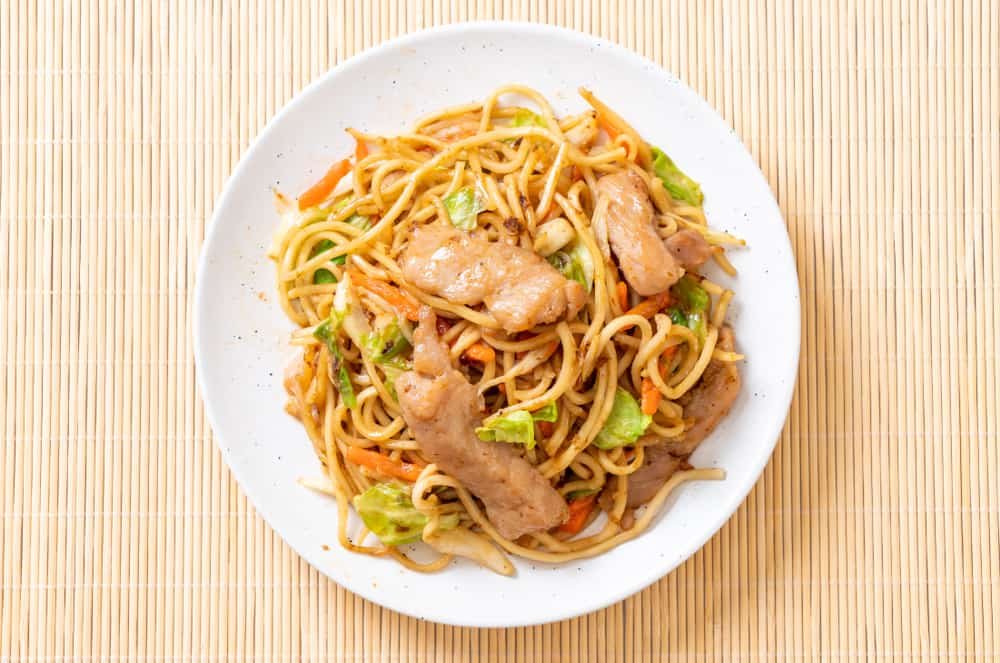
Stir-fry noodles are a genuinely versatile New Year’s tradition across the Pacific, easily customized with chicken, shrimp, pork, steak, or vegetables. The catch is carbs — traditional recipes can run close to 30g of carbs per cup before other ingredients are even factored in.
Lighter Style New Year Noodles
This twist on Singapore-style noodles keeps the bold flavor while cutting carbs dramatically. You’ll need:
- 1 packet angel hair shirataki noodles
- 1 tablespoon sesame oil
- 2 slices bacon, thinly sliced
- 5 oz chicken thigh meat, thinly sliced
- 1 clove garlic, finely chopped
- 1 small onion, thinly sliced
- 1 stalk celery, thinly sliced
- 3 oz cooked shrimp
- 2 teaspoons curry powder
- 1 bunch bok choy, sliced
- 2 oz bean sprouts
- 2 tablespoons sugar-free soy sauce
- Rinse the noodles under hot water for about 3 minutes, then drain.
- Heat sesame oil in a wok over high heat and sauté the bacon for 1 minute.
- Add chicken and garlic, sautéing 2-3 minutes until browned.
- Add onion and celery, stirring continuously for about 2 minutes.
- Add shrimp and curry powder, stirring well.
- Push everything aside, add the noodles to the center, then toss together and cook 2 minutes.
- Add soy sauce, then bok choy and bean sprouts. Toss thoroughly and cook 2 more minutes until the bok choy softens.
Makes 2 servings, each with under 5g of carbs — a similar calorie profile to traditional noodles but with a fraction of the carb load. Add hot sauce for a spicier kick if desired — a genuinely versatile dish for both New Year’s Eve and Lunar New Year celebrations.
Over in Europe: Ringing in the New Year With French Pancakes
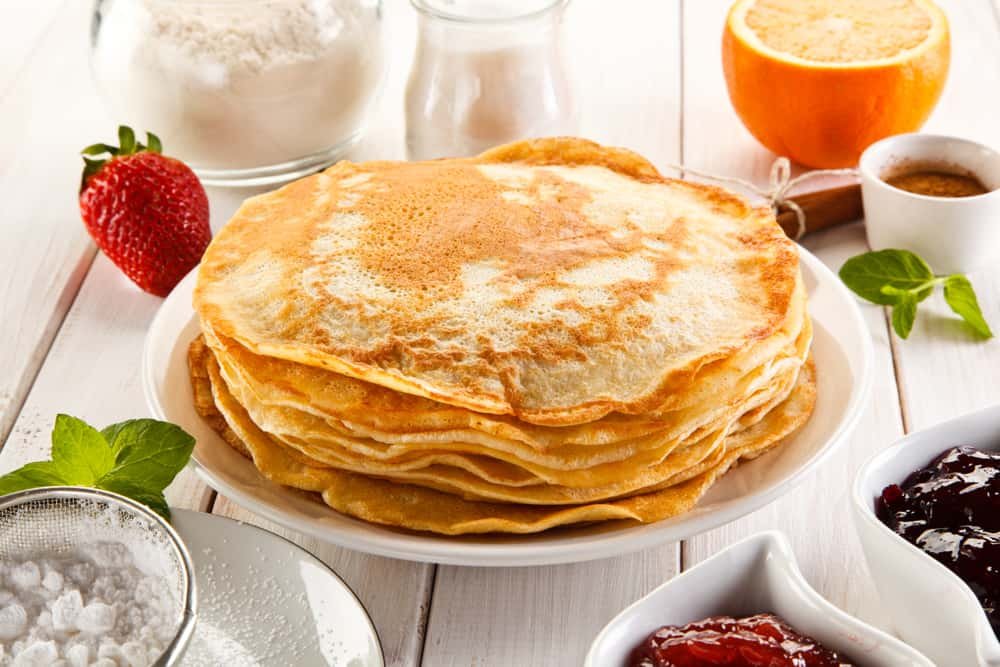
Pancakes are a beloved European New Year’s tradition, topped with everything from powdered sugar to fresh fruit and maple syrup. Unfortunately, two standard pancakes with butter and syrup carry about 520 calories, 91g carbs, 14g fat, 8.3g protein, and 0g fiber — a genuinely high carb load that can contribute to long-term health issues affecting the eyes, kidneys, and nerves over time.
Let’s Talk About Crepes
Swapping in whole wheat flour and topping with fresh fruit instead of maple syrup helps, but crepes offer an even better path forward — same delicious concept, dramatically fewer calories and carbs. You’ll need:
- 1 cup whole wheat flour
- ½ cup skim milk
- ½ cup water
- 1 teaspoon granulated sugar
- 2 teaspoons vanilla extract
- 2 medium eggs
- Blend milk, water, sugar, vanilla, and flour together, then add the eggs and blend until smooth.
- Refrigerate the batter for about an hour before cooking.
- Warm a skillet over medium heat, pour in about ¼ cup of batter, and cook until the edges start lifting and drying out.
- Flip and cook the other side for 20-30 seconds, then remove.
- Repeat with remaining batter.
Per crepe (before toppings): 77 calories, 13g fat, 24mg sodium, 25mg potassium, 12g carbs, 1.3g sugar, 4g protein. Set out a topping bar with fruit, nuts, chocolate, or peanut butter, and let everyone build their own guilt-free dessert.
Make Your Traditional New Year’s Eve Meals Healthier
These are just a handful of the most popular New Year’s Eve dishes enjoyed around the world — and each one can be lightened up without losing what makes it special. If you’ve got a celebration on the calendar, a few smart recipe swaps can help you stick to your diet while still fully enjoying the food traditions you love. Often, cutting sugar, trimming calories, and boosting nutrition ends up tasting just as good — sometimes even better — than the original.
Explore more Diet Guide reviews and guides on our site.
Overall, a healthier recipe new remains worth understanding before you decide.
Overall, a healthier recipe new remains worth understanding before you decide.