Noom vs. Beachbody on Demand
Let’s take a closer look at noom vs beachbody and what it genuinely offers. Advertisement Beachbody on Demand is one of the most recognizable names in diet and fitness, and Noom is one of Google’s most-searched weight-management programs. Both have overwhelmingly positive reviews and millions of members — so which one actually delivers better results? […]


Let’s take a closer look at noom vs beachbody and what it genuinely offers.
Beachbody on Demand is one of the most recognizable names in diet and fitness, and Noom is one of Google’s most-searched weight-management programs. Both have overwhelmingly positive reviews and millions of members — so which one actually delivers better results? Here’s a close comparison to help you decide what fits your lifestyle.
Noom Vs Beachbody: What Is Noom?
Noom uses technology and psychology to help people rethink diet and nutrition, without giving up the foods they love. A color-coded food system, fitness log, personalized plan, live support, and educational curriculum work together to make weight loss feel nearly effortless. Two programs are available — the Healthy Weight Program and the Diabetes Prevention Program — both built around balanced eating and reasonable activity levels, without starvation dieting or grueling gym sessions.
What Is Beachbody on Demand?
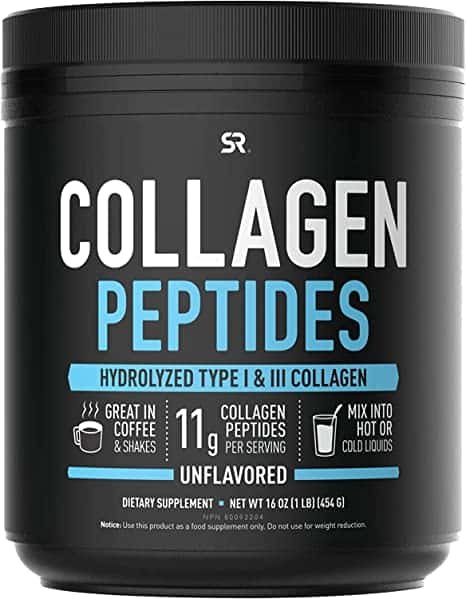
Beachbody is the multi-level marketing company behind fitness staples like P90X, 80 Day Obsession, Insanity, and the 21 Day Fix. Beachbody on Demand streams hundreds of workouts to virtually any device, alongside blog content, recipes, and eating plans. Shakeology superfood shakes (used as protein shakes, meal replacements, or a liquid multivitamin) are heavily promoted, alongside a broader supplement line including Recharge, Recover, Hydrate, Energize, Creatine, Collagen Boost, and more — all sold through independent distributor “coaches” who earn a share of the profits.
Noom vs. Beachbody on Demand: Company History
Brief History of Noom
Founded as WorkSmart Labs in New York in July 2008, the company rebranded as Noom (“moon” reversed) during development, launching its app in 2016 with backing from Samsung and Sequoia Capital. It’s since reached 50 million users, with offices in New York, Seoul, and Tokyo, though its user base spans well beyond its Millennial-heavy core.
Brief History of Beachbody on Demand
Beachbody LLC launched in 1998 in Santa Monica with a single infomercial-marketed ab workout. To cut marketing costs, the company pivoted to a coach-based sales model — customers pay an upfront fee to sell products to friends and family for commission, a strategy that boosted revenue 60% early on, according to Wikipedia, though coaches reportedly last an average of just three months, drawing scrutiny from MLM critics. By 2017, annual revenue topped $1 billion, with the company’s CEO also credited with launching Shakeology.
Noom vs. Beachbody on Demand: Who’s Behind the Plans?
Who Created Noom?
Petakov, a Princeton-educated chess prodigy known for his Microsoft and Google Maps work, developed a genuine interest in behavioral psychology during college — a perfect fit when Jeong, who’d witnessed obesity’s toll growing up in South Korea and later served on a Seoul hospital board, approached him with the concept that became Noom. The two consulted extensively with psychologists and industry experts to build something backed by real clinical research.
Who Created Beachbody on Demand?
Carl Daikeler and Jon Congdon co-founded Beachbody LLC. Daikeler, despite reportedly disliking exercise and healthy eating himself, is the company’s driving force, with a net worth exceeding $600 million according to Forbes. Congdon, a UC graduate, serves as President and also leads Openfit, a separate live-streaming fitness and nutrition company.
Noom vs. Beachbody on Demand: The Rules
Rules of Noom
Both Noom programs let users eat what they want, tracking food while the psychology-driven system quietly discourages bad habits and reinforces good ones.
Food Logging: A questionnaire calculates a sustainable daily calorie goal (never dipping into starvation-level restriction), and foods sort into green (freely enjoyed), yellow (portion-controlled), and red (occasional) categories.
Fitness Tracking: Half of burned calories credit back to the daily goal, giving users genuine flexibility to indulge after a workout.
Education and Quizzes: Interactive lessons build understanding of stress, mental health, sleep, and nutrition — with coach support always available when needed.
Rules of Beachbody on Demand
Rules vary by program. The 21 Day Fix promises up to 15 pounds lost in three weeks through daily workouts, calculated calorie needs, color-coded portion containers, plan-approved meals only, at least eight glasses of water daily, and progress photos. 2B Mindset, developed with registered dietitian Ilana Muhlstein, uses 40 videos to reshape food mindset. Clean Week pairs clean eating with Shakeology — Plan A (under 185 lbs) allows one daily shake alongside three meals; Plan B (over 185 lbs) allows two, both requiring daily workouts and advance meal prep.
Noom vs. Beachbody on Demand: Eating Plans
The Noom Eating Plan
Essentially anything, sorted by calorie density. Green foods (30-50% of intake — egg whites, berries, broccoli, avocado, whole grains) are the nutrient-dense base; yellow foods (about 40% — lean meats, salmon, dairy, legumes) require portion mindfulness; red foods (burgers, fries, sweets) fit in when there’s calorie room.
The Beachbody on Demand Eating Plan
Varies by program — a Clean Week sample day might include protein pancakes for breakfast, a protein-packed salad for lunch, a veggie burger for dinner, and a Tropical Strawberry Shakeology shake as a snack.
Noom vs. Beachbody on Demand: Plan Duration
Noom’s Healthy Weight Program runs four months (twice that for Diabetes Prevention), extendable for maintenance. Beachbody on Demand programs range from 7 to 90 days, though the subscription only covers streaming access — individual diet programs, Shakeology, and other nutrition resources are purchased separately.
Key Differences Between Noom and Beachbody on Demand
Beachbody requires manually calculating calorie needs and logging food and activity separately; Noom bundles everything into one app. Beachbody offers no personal support system; every Noom user gets a dedicated coach. Noom never dictates specific foods, while Beachbody programs generally require strict adherence to approved meal lists. On the flip side, Beachbody offers hundreds of streaming workouts that Noom simply doesn’t provide.
Can You Follow Beachbody on Demand on Noom?
You can use Beachbody workouts alongside Noom for dietary tracking, but Beachbody’s restrictive meal plans don’t mesh naturally with Noom’s more flexible philosophy.
Possible Side Effects
Noom carries no notable side effects. Beachbody workouts can cause typical exercise-related muscle soreness or injury risk, and some of its restrictive diet plans have been linked to gastrointestinal discomfort, mood swings, dizziness, and headaches. Shakeology specifically has been associated with bloating, gas, indigestion, and diarrhea in some users.
Noom vs. Beachbody on Demand: The Research
Noom’s research is robust: Scientific Reports found 80% of users lose weight on either program, Metabolic Syndromes and Related Diseases confirms lasting maintenance, and Obesity Research and Clinical Practice found an average 2-point BMI drop within the first three weeks.
Beachbody’s core mechanics have some independent support. The Journal of Human Nutrition and Dietetics confirms portion control genuinely improves meal quality during weight loss, and letting dieters keep familiar foods (as portion-controlled plans allow) tends to boost adherence. Its hundreds of accessible workouts also align with research in Progress in Cardiovascular Diseases confirming exercise supports both weight loss and long-term maintenance.
The Bottom Line: Noom vs. Beachbody on Demand
Beachbody offers a genuinely impressive workout library, but it falls short on support, integrated tools, and sustainable dietary guidance — and its MLM structure raises legitimate questions about the objectivity of coach-driven reviews. For comprehensive, lasting weight loss and healthier living overall, Noom remains the stronger choice.
Frequently Asked Questions
Explore more Fitness Website reviews and guides on our site.
Overall, noom vs beachbody remains worth understanding before you decide.
Overall, noom vs beachbody remains worth understanding before you decide.