
Noom vs. Gluten-Free Diet
A tech-based weight-loss app versus a restrictive medical diet — what does each offer, and do they work well together? Here’s how Noom compares to the gluten-free diet. Advertisement Table of content What Is Noom? What Is the Gluten-Free Diet? Noom vs. Gluten-Free Diet: History Noom vs. Gluten-Free Diet: Who's Behind the Plans? Noom vs. […]

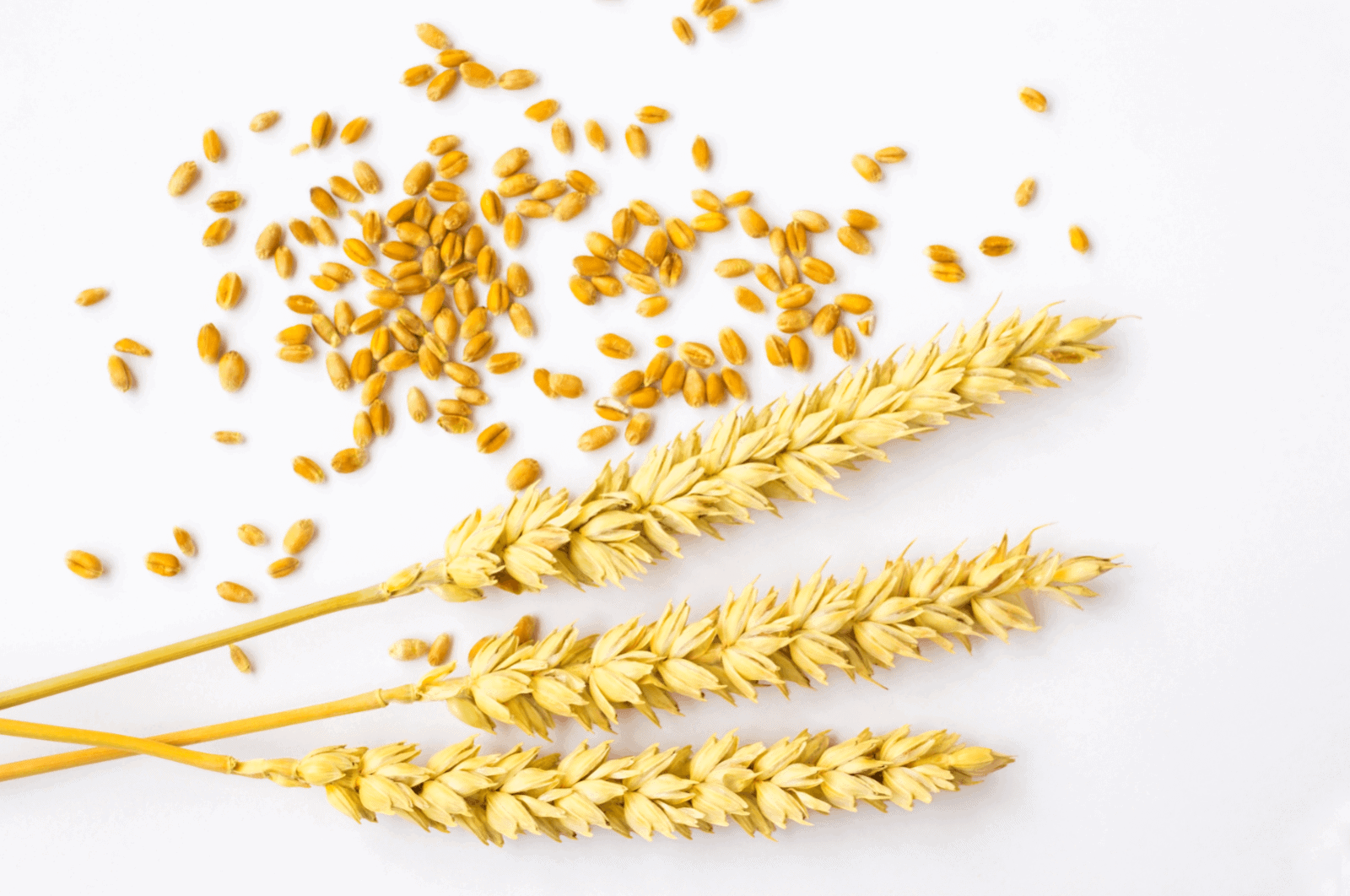
A tech-based weight-loss app versus a restrictive medical diet — what does each offer, and do they work well together? Here’s how Noom compares to the gluten-free diet.
What Is Noom?
Noom is a 16-week, app-based weight-loss plan built around calorie tracking, food logging, exercise tracking, and daily lessons with quizzes. Users lose weight by genuinely learning better choices, not by following an arbitrary list of rules — the program addresses physical, mental, and educational sides of weight loss all at once.
What Is the Gluten-Free Diet?
The gluten-free diet exists for people with celiac disease or gluten intolerance/sensitivity. Gluten, found mainly in wheat-based products like bread and pasta, triggers an immune response in celiac patients that damages the gut’s villi, impairing nutrient absorption. Eliminating gluten prevents symptoms like diarrhea, bloating, gas, fatigue, stomach pain, nausea, vomiting, and constipation.
Noom vs. Gluten-Free Diet: History
Brief History of Noom
Founded in 2008 with input from doctors, psychologists, nutritionists, dietitians, and personal trainers, Noom set out to bring genuine psychological insight to weight loss — something no other app had really attempted. The CDC lists Noom among its recognized lifestyle programs, and by 2018 it ranked among the year’s top diet searches. In 2019, healthcare company Novo Nordisk partnered with Noom to help address the broader obesity epidemic.
Brief History of the Gluten-Free Diet
Symptoms resembling gluten intolerance were first described by the Greek physician Aretaus in the 1st century AD, with similar accounts appearing in 17th-century and early 1900s literature. The real breakthrough came during World War II, when Dr. Willem Karel Dicke connected these symptoms to what we now call celiac disease, confirming by 1952 that gluten protein was the specific trigger.
Noom vs. Gluten-Free Diet: Who’s Behind the Plans?
Who Created Noom?
Jeong, after six years running BuyHard Productions in Korea, brought the Noom concept to Petakov, who was initially reluctant to leave his job at Google Maps. Petakov’s own interest in the psychology of decision-making ultimately aligned well with Noom’s philosophy, and he came aboard to help launch it.
Who Created the Gluten-Free Diet?
If anyone deserves credit, it’s Dr. Willem Karel Dicke, whose research uncovered the gluten-celiac connection. The diet itself has evolved substantially since the 1950s and continues to change today, long after Dicke’s passing in 1962.
Noom vs. Gluten-Free Diet: The Rules
Rules of Noom
Three pillars anchor Noom: food logging, exercise tracking, and daily 10-minute lessons and quizzes.
Food Logging: Noom’s traffic-light system sorts foods without restricting anything. Green foods (about 30% of calories) include nearly all fruits and vegetables, whole grains like brown rice and quinoa, lean proteins, seafood, and non-fat dairy. Yellow foods (about 45%) include items like avocado, garlic, rye bread, lean beef, whole eggs, legumes, and low-fat dairy. Red foods (about 25%) cover bagels, fried meats, hot dogs, and desserts like cake and ice cream.
Exercise Tracking: Half of calories burned during exercise get credited back to your daily goal — burn 400 calories on a 1,500-calorie plan, and your total rises to 1,700.
Lessons and Quizzes: Ten minutes a day of lessons build progressively over 16 weeks, explaining not just what to eat but why — the psychological foundation that sets Noom apart from purely rule-based diets.
Rules of the Gluten-Free Diet
The core rule is simple: avoid gluten. That means steering clear of wheat, rye, barley, and often oats, along with lesser-known wheat varieties like spelt, durum, kamut, einkorn, and emmer, plus flours like semolina, graham flour, and farina. Naturally gluten-free grains include corn, quinoa, buckwheat, flax, millet, rice, arrowroot, amaranth, and teff. Processed foods are a common pitfall — items like French fries, imitation seafood, hot dogs, seasoned chips, and salad dressing often contain hidden gluten, as do most beers and malt products. Naturally gluten-free staples include fruits, vegetables, beans, eggs, and unprocessed meat.
Noom vs. Gluten-Free Diet: Eating Plans
The Noom Eating Plan
Noom’s approach leans heavily on whole foods, echoing much of the Mediterranean diet’s emphasis on healthy fats and nutrient-dense choices, all personalized to the individual user. As the company describes it: “you’ll learn about social eating, cognition and food, stress management, managing emotions in relation to food, how exercise affects you, why we eat and act the way we do as humans, along with so much more.”
The Gluten-Free Diet Eating Plan
According to the Celiac Foundation, the most cost-effective and healthy way to follow the diet is by focusing on naturally gluten-free food groups: fruits, vegetables, meat and poultry, fish and seafood, dairy, and beans, legumes, and nuts. It’s worth emphasizing that this diet exists specifically for people with a genuine wheat or gluten intolerance — for the roughly 99% of people without one, there’s no proven health benefit to avoiding gluten.
Noom vs. Gluten-Free Diet: Plan Duration
Noom’s Healthy Weight Plan runs about 16 weeks, with an optional maintenance program afterward. Following a gluten-free diet, by contrast, is typically a lifelong commitment for anyone with a genuine intolerance — and it’s not intended or recommended as a weight-loss tool.
Key Differences Between Noom and Gluten-Free
The core distinction is purpose: Noom exists for weight loss and lifestyle change, while the gluten-free diet exists to manage a specific medical condition. Following it without medical need is generally discouraged.
Can You Follow the Gluten-Free Diet on Noom?
Yes — a gluten-free version of the Noom eating plan looks essentially the same as the standard whole-foods approach, just with gluten-containing items swapped for gluten-free alternatives without disrupting the program’s overall structure.
Possible Side Effects
Noom carries no notable side effects. The gluten-free diet, however, can lead to nutritional gaps, since many gluten-containing whole grains are excellent sources of niacin, thiamin, riboflavin, iron, folate, calcium, and fiber. A 2017 study in BMJ found that “avoidance of gluten may result in reduced consumption of beneficial whole grains, which may affect cardiovascular risk,” cautioning that “the promotion of gluten-free diets among people without celiac…should not be encouraged.”
Noom vs. Gluten-Free Diet: The Research
A study tracking more than 35,000 Noom users from 2012 to 2014 found about 78% reported weight loss, with dinner logging identified as “the most important factor for successful weight loss,” according to Scientific Reports. A 2017 study in Metabolic Syndromes and Related Disorders found Noom users better maintained weight loss than non-users.
Gluten-free research raises real caution flags for unnecessary use. According to Gastroenterology and Hepatology, gluten-related conditions “affect less than 1% of the population in the United States.” The Journal of Nutrition and Metabolism recommends healthcare providers actively discuss the risks of unnecessary gluten-free eating with patients, and a 2018 review in Nutrients found “limited evidence supporting the use of the gluten-free diet beyond its role in managing gluten-related disorders.”
The Bottom Line: Noom vs. Gluten-Free Diet
Both plans have their place, just for different reasons. Noom supports genuine, sustainable weight loss for anyone; the gluten-free diet protects people with celiac disease or gluten sensitivity. It isn’t, and shouldn’t be treated as, a weight-loss diet.
Frequently Asked Questions
Explore more Health Articles reviews and guides on our site.