Noom vs. FODMAP Diet
Let’s take a closer look at noom vs fodmap diet and what it genuinely offers. Advertisement If there’s one diet out there, there are a thousand more just like it. How is anyone supposed to sort fact from fiction to find the right approach for their needs? Here we compare the FODMAP Diet against Noom’s […]

Let’s take a closer look at noom vs fodmap diet and what it genuinely offers.
If there’s one diet out there, there are a thousand more just like it. How is anyone supposed to sort fact from fiction to find the right approach for their needs? Here we compare the FODMAP Diet against Noom’s philosophy of keeping every food on the table.
Noom Vs Fodmap Diet: What Is Noom?
Noom is a 16-week program of progressive lessons guiding users toward new lifestyle habits for weight loss, reduced stress, and better overall health. Every plan is individualized, shaped by a detailed initial interview that maps out where you are, where you want to be, and how to get there.
What Is the FODMAP Diet?
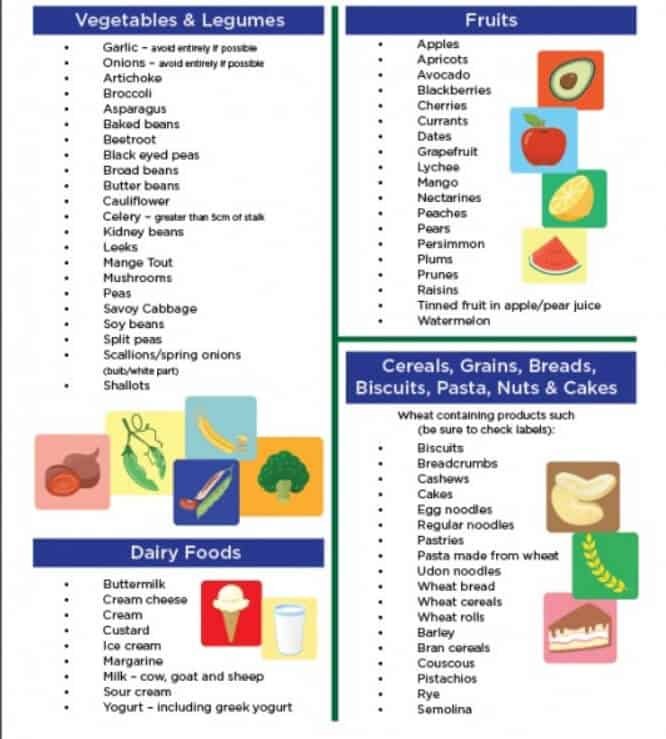
FODMAP stands for fermentable oligo-, di-, and mono-saccharides and polyols — essentially, fermentable carbs. Developed to ease symptoms of digestive conditions like IBS, it restricts foods known to trigger gas, bloating, and stomach pain. Common high-FODMAP foods include wheat, legumes, garlic, onions, milk, yogurt, cheese, certain fruits, and low-calorie sweeteners.
Noom vs. FODMAP Diet: History
Brief History of Noom
Founded in 2008 by Artem Petakov and Saeju Jeong, Noom set out to break the mold of repetitive, generic weight-loss advice by building a total mind-and-body approach with input from psychologists, doctors, and nutrition professionals. By 2018 it was one of the year’s most-searched diets, and in 2019 it partnered with healthcare company Novo Nordisk to expand its fight against global obesity. The CDC recognizes Noom as an official lifestyle change program.
Brief History of the FODMAP Diet
In the 1990s, dietitian Sue Shepherd noticed promising results in IBS patients following what was then called the fructose malabsorption diet, based largely on anecdotal observation. About a decade later, formal research into fermented sugars began appearing in journals, much of it authored by Shepherd herself, aided by improved testing technology. By around 2005, enough evidence existed to formalize FODMAP Diet guidelines, and Shepherd’s subsequent cookbook helped popularize it. Today it’s a well-respected, healthcare-recommended approach for IBS symptoms, with increasingly refined food lists since not every food within a “high-FODMAP” category actually triggers symptoms for every person.
Noom vs. FODMAP Diet: Who’s Behind the Plans?
Who Created Noom?
Petakov, coding since age nine, developed a parallel interest in the psychology of decision-making through college. Jeong spent six years building BuyHard Productions in Korea before moving to the U.S. and eventually convincing a hesitant Petakov to leave Google and build Noom together.
Who Created the FODMAP Diet?
Dr. Sue Shepherd, who has celiac disease herself, is widely credited as the diet’s originator. She’s authored and co-authored several books on FODMAP, lectures at La Trobe University in Melbourne, and serves as an honorary dietitian for Coeliac Australia’s Medical Advisory Committee.
Noom vs. FODMAP Diet: The Rules
Rules of Noom
Noom’s psychology-first approach rests on three pillars: food logging, exercise tracking, and lessons with quizzes.
Food Logging: The green/yellow/red traffic-light system guides roughly 30% of calories from green foods (fruits, vegetables, grains, non-fat dairy), 45% from yellow (higher-calorie produce, meats, seafood, legumes, low-fat dairy), and a 25% cap on red foods (fried items, sugary drinks and desserts, high-fat grains).
Exercise Tracking: Half of tracked exercise calories get credited back to the daily goal — a deliberate 50%, rather than 100%, since people commonly overestimate workout intensity and calories burned.
Lessons: Noom’s real differentiator — daily lessons plus quizzes help users understand not just what changes to make, but why, building lasting habits rather than a temporary list of rules.
Rules of the FODMAP Diet
FODMAP unfolds in three stages. Restriction (3-8 weeks) eliminates all high-FODMAP foods entirely, with some people improving within a week and others needing the full eight. Reintroduction is a longer trial-and-error phase, testing one food at a time for three days to identify personal triggers and tolerance levels, including how much of each food can be handled. Personalization (sometimes called the modified FODMAP Diet) is where everything learned in stage two gets folded into a sustainable, individualized eating pattern. All three stages matter — many people drop off during the lengthy reintroduction phase, which can feel daunting given the sheer number of foods to test.
Noom vs. FODMAP Diet: Eating Plans
The Noom Eating Plan
Personalized around your initial questionnaire responses, complete with a calorie goal, personal coach, and community support. The traffic-light system teaches portion intuition without requiring measuring or calorie counting — a cup of broccoli at 30 calories versus roughly 200 for a cup of rice makes the underlying logic easy to grasp.
The FODMAP Diet Eating Plan
Eat Less: foods high in lactose, fructose, fructans, GOS, and polyols — think cow’s milk dairy, certain fruits like pears and watermelon, wheat, rye, garlic, onions, legumes, and cauliflower or mushrooms.
Eat More: lactose-free dairy and hard cheeses; low-FODMAP fruits like lemon, banana, and strawberries; vegetables like cucumber, lettuce, and potatoes; lean meats, fish, and poultry; a modest serving of nuts and seeds; and gluten-free grains like oats and rice bran.
Noom vs. FODMAP Diet: Plan Duration
Noom’s Healthy Weight Program runs 16 weeks, with optional ongoing subscriptions afterward. FODMAP has no fixed endpoint — since IBS and related conditions can be lifelong, managing fermentable carb intake tends to be an ongoing process, ideally personalized enough that many important gut-healthy foods can still be reintroduced over time.
Key Differences Between Noom and FODMAP
The core distinction is purpose: FODMAP exists to relieve IBS symptoms, while Noom exists to build a new, sustainable approach to weight and lifestyle.
Can You Follow the FODMAP Diet on Noom?
Yes. Despite Noom’s emphasis on whole foods and produce, FODMAP’s approved food list offers enough variety to comfortably overlap, especially once the personalization stage identifies which specific foods actually cause issues for you.
Possible Side Effects
Neither plan carries significant side effects — if anything, following FODMAP correctly should reduce the digestive discomfort that prompted the diet in the first place.
Noom vs. FODMAP Diet: The Research
Noom’s research base is substantial: a study of more than 35,000 participants in Scientific Reports found over 77% reported weight loss, and research in Metabolic Syndromes and Related Disorders confirmed its effectiveness for weight maintenance.
FODMAP has decades of dedicated research behind it too. A 2017 review in Nutrients notes IBS affects 7-15% of the general population and found “evidence that a low-FODMAP diet could have a favourable impact on IBS symptoms, especially abdominal pain and bloating.” Two 2019 studies added nuance: one in Alimentary Pharmacology and Therapeutics flagged concerns about long-term nutritional deficiencies and called for more research on implementation guidance, while another in Nutrition in Clinical Practice found the diet “associated with improved long-term QoL [quality of life] and GI [gastrointestinal] symptoms, reduced fatigue and anxiety/depression, and increased happiness and vitality.” Notably, no research links FODMAP to actual weight loss — its focus on eliminating harder-to-digest foods, including some fruits, vegetables, and whole grains, doesn’t make it a weight-loss diet in any meaningful sense.
The Bottom Line: Noom vs. FODMAP
These two plans serve fundamentally different purposes — FODMAP addresses gut health and IBS symptoms, while Noom is a dedicated, clinically supported weight-loss and lifestyle program. There’s genuinely not much overlap to compare directly.
Frequently Asked Questions
Explore more Health Articles reviews and guides on our site.
Overall, noom vs fodmap diet remains worth understanding before you decide.
Overall, noom vs fodmap diet remains worth understanding before you decide.