
Noom vs. BRAT Diet
Let’s take a closer look at noom vs brat diet and what it genuinely offers. Advertisement Weight loss is a genuine concern for hundreds of thousands of people. With obesity rates higher than ever, people are searching for the safest, most effective way to lose weight in a lasting, healthy way. Some turn to traditional […]

Let’s take a closer look at noom vs brat diet and what it genuinely offers.
Weight loss is a genuine concern for hundreds of thousands of people. With obesity rates higher than ever, people are searching for the safest, most effective way to lose weight in a lasting, healthy way. Some turn to traditional or fad diets; others look to newer technology and advances in weight-loss science.
Let’s compare Noom’s technology-driven approach with the BRAT Diet, a plan that’s been around for decades.
Noom Vs Brat Diet: What Is Noom?
Noom is an app-based lifestyle and weight-loss program available on iOS and Android. The 16-week program teaches small lifestyle changes in just 10 minutes a day, offered through both a Healthy Weight Program and a Diabetes Prevention Program.
What Is the BRAT Diet?
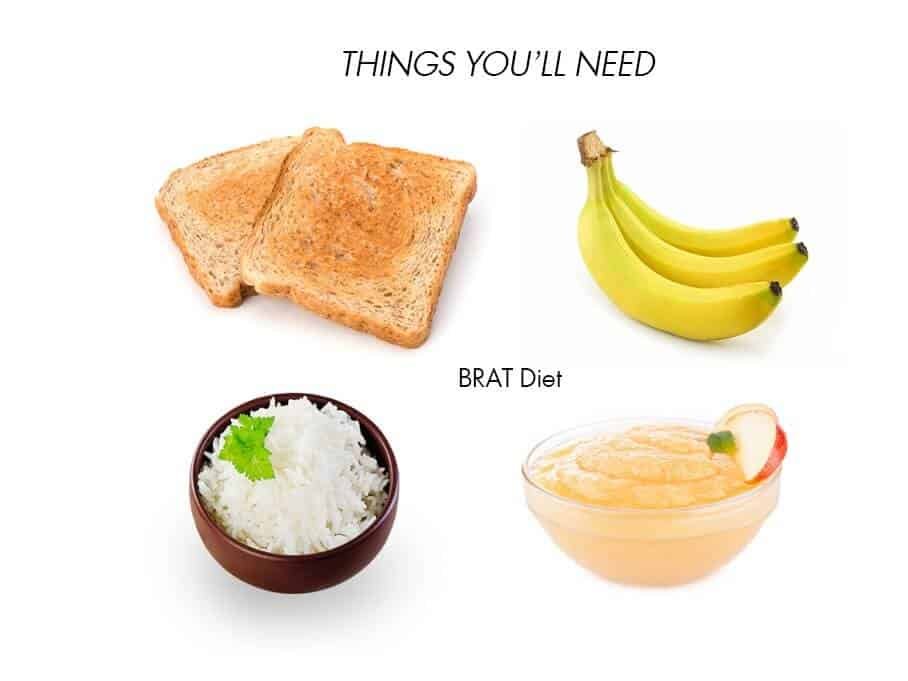
An upset stomach can stem from countless causes, from illness to medication side effects. The BRAT Diet strips out foods likely to aggravate the stomach and replaces them with bland options doctors have found easiest to digest. BRAT stands for bananas, rice, applesauce, and toast, though the diet includes several other approved foods beyond the acronym. These foods tend to be low in fiber and rich in vitamins and minerals often lost during vomiting and diarrhea.
Noom vs. BRAT Diet: History
Brief History of Noom
Artem Petakov and Saeju Jeong launched Noom in 2008, securing funding over the years from companies like Sequoia Capital and Samsung, with offices across the U.S., Japan, and Korea.
Brief History of the BRAT Diet
There’s no clear record of exactly when the BRAT Diet entered medical practice, though it was once a standard pediatric recommendation for children with vomiting and diarrhea. Its use has declined in recent years as medical professionals have come to view it as overly restrictive, according to the CDC.
Noom vs. BRAT Diet: Who’s Behind the Plans?
Who Created Noom?
Petakov and Jeong built Noom out of their earlier company, WorkSmart Labs, with input from doctors, nutritionists, personal trainers, and psychologists. Before founding Noom, both had worked at major tech companies, including Google and Sun Microsystems.
Who Created the BRAT Diet?
The BRAT Diet appears to have originated in pediatric practice, though no single creator is credited. The general advice behind it, sticking to bland, easy-to-digest foods until nausea passes, remains common medical guidance today.
Noom vs. BRAT Diet: The Rules
Rules of Noom
Noom teaches lifestyle habits gradually, without rigid restrictions, centered on tracking food, exercise, and weight.
Food Logging: Backed by a database of over 3.5 million foods, Noom sorts everything into green (eat freely), yellow (moderate), and red (occasional) categories rather than relying purely on calorie counting. Green includes most fruits, vegetables, whole grains, and lean proteins; yellow covers items like avocado, beans, and lean meats; red covers fried foods, sugary treats, and processed snacks.
Exercise Tracking: Working out earns back 50% of burned calories — burn 500 calories on an 1,800-calorie plan, and your allowance rises to 2,050.
Learning and Quizzes: Daily lessons paired with short quizzes reinforce healthier choices and the psychological side of lasting weight loss.
Rules of the BRAT Diet
The BRAT Diet’s core rule is simple: stick to bland, stomach-friendly foods and avoid anything likely to aggravate symptoms. For active vomiting or diarrhea, the general approach is to rest the stomach for the first six hours, then slowly reintroduce sips of a rehydrating beverage every 10 minutes, gradually working up to BRAT-approved foods like toast, applesauce, and crackers by day two, and eggs, cooked vegetables, and chicken by day three — restarting from the beginning if symptoms return.
Noom vs. BRAT Diet: Eating Plans
The Noom Eating Plan
Nothing is off-limits on Noom — the program simply teaches users to choose whole foods that deliver the best nutrition for the calories spent. A cup of broccoli, for instance, carries about 30 calories versus roughly 200 for a cup of rice, meaning you could eat seven cups of broccoli for the same calorie cost. The CDC officially recognizes Noom as a legitimate lifestyle change program.
The BRAT Eating Plan
Approved BRAT foods include bananas, rice, applesauce, toast, crackers, flat soda, boiled potatoes, sweet potatoes, broth, watermelon, oatmeal, and ginger or peppermint tea. Foods to avoid include dairy, fatty and fried foods, spicy dishes, high-fat proteins, sugar, caffeine, alcohol, artificial sweeteners, cruciferous vegetables, raw produce, and citrus fruit.
Noom vs. BRAT Diet: Plan Duration
Noom’s Healthy Weight Program runs 16 weeks, paired with a personal coach throughout. The BRAT Diet is meant for short-term use during illness, typically just 24-48 hours, and isn’t considered safe as a long-term eating plan given its low nutrient density.
Key Differences Between Noom and the BRAT Diet
Food: BRAT is highly restrictive by design and lacks the nutrients needed for sustained health, while Noom restricts nothing. Many BRAT staples, being carb- and sugar-heavy, would actually fall into Noom’s red category.
Nutrition: Noom emphasizes whole, natural foods, while BRAT leans almost entirely on processed, low-nutrient options like white rice, white bread, and applesauce.
Structure: Noom offers a structured 16-week education program; BRAT has essentially no structure beyond its first 24 hours.
Can You Follow the BRAT Diet on Noom?
Not really — BRAT foods are chosen for digestibility during illness, not nutritional completeness, and lack the calories, vitamins, and minerals the body needs over time. That’s fine short-term, but not a sustainable overlap with Noom’s whole-food philosophy.
Possible Side Effects
Noom carries no notable side effects beyond weight loss. The BRAT Diet, being heavy in carbohydrates and natural sugars, isn’t ideal for anyone managing blood sugar, where warning signs of elevated glucose include thirst, fatigue, stomach pain, dry mouth, blurred vision, nausea, and confusion.
Noom vs. BRAT Diet: The Research
Noom is arguably one of the most researched weight-loss apps available. A study of more than 30,000 users in Scientific Reports found about 77% reported weight loss, with dinner tracking linked to the strongest results. Research in Metabolic Syndromes and Related Disorders also found Noom effective for maintaining weight loss over time.
The BRAT Diet itself lacks direct clinical trials, though related research supports bland diets generally. According to PubMed, a bland diet is a reasonable short-term choice post-surgery or for gastrointestinal complaints, and MedlinePlus notes it may ease symptoms of GERD, ulcers, and heartburn — though long-term use isn’t advised given its low fiber content and constipation risk.
The Bottom Line: Noom vs. BRAT Diet
These two plans serve entirely different purposes. The BRAT Diet is a short-term tool for stomach illness, not a weight-loss plan, and isn’t meant to be sustained. Noom, by contrast, is specifically designed and clinically proven for lasting weight loss.
Frequently Asked Questions
Explore more Health Articles reviews and guides on our site.
Overall, noom vs brat diet remains worth understanding before you decide.
Overall, noom vs brat diet remains worth understanding before you decide.