Noom vs. Military Diet
Let’s take a closer look at noom vs military diet and what it genuinely offers. Advertisement The weight-loss world is evolving fast, with technology and AI leading much of that change. The best programs today center on healthy eating, sustainable habits, and permanent results. Comparing Noom to the Military Diet makes clear just how far […]

Let’s take a closer look at noom vs military diet and what it genuinely offers.
The weight-loss world is evolving fast, with technology and AI leading much of that change. The best programs today center on healthy eating, sustainable habits, and permanent results. Comparing Noom to the Military Diet makes clear just how far apart two “weight-loss” approaches can be — one built on lasting change with whole foods, the other on short-term restriction with little nutritional value.
Noom Vs Military Diet: What Is Noom?
Noom is a psychology-driven weight-loss app that pairs each user with a personal coach and a customized plan built around healthy eating, exercise, and education. Clinical research shows it supports weight loss in more than 75% of users. Noom offers two programs: the 16-week Healthy Weight Program and the 24-week Diabetes Prevention Program (DPP), both clinically tested.
What Is the Military Diet?
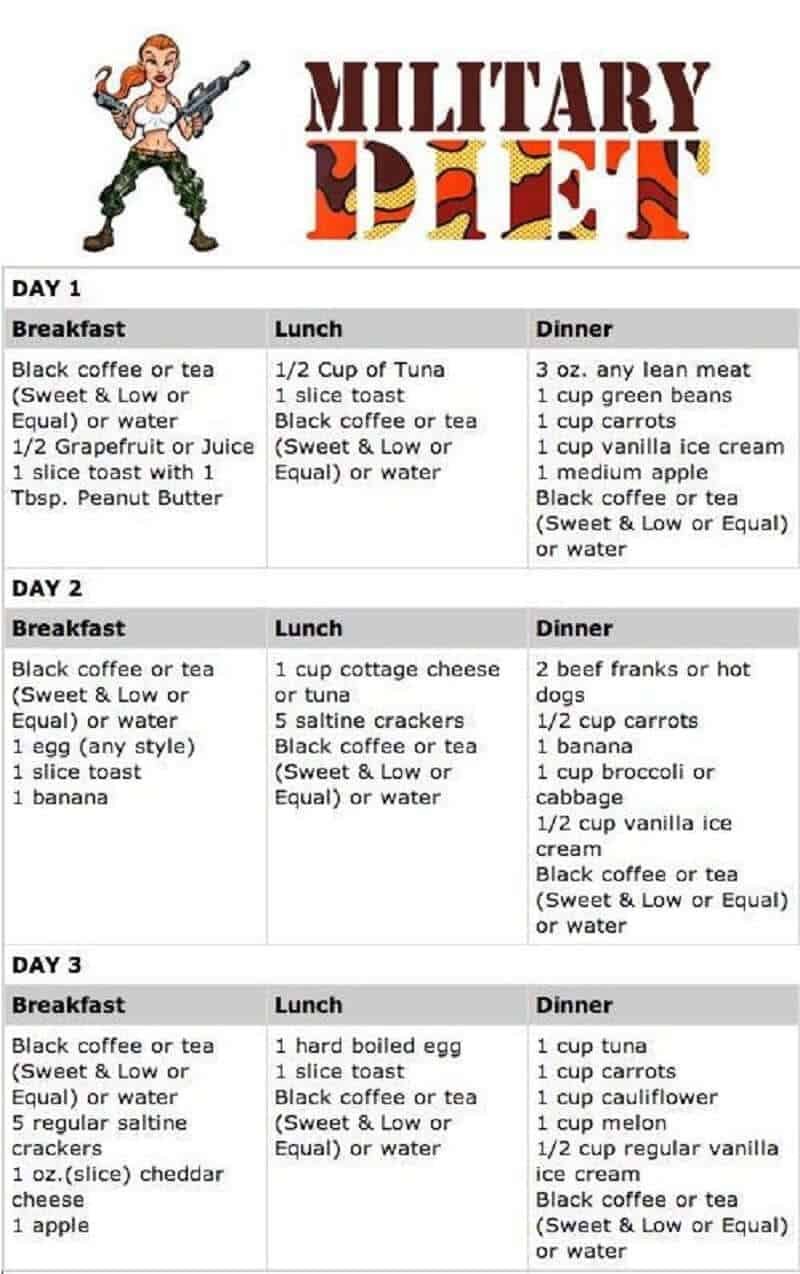
The Military Diet is a 3-day eating plan claiming to help followers lose up to 10 pounds in a week. The first three days severely restrict calories around a specific food list; the remaining four allow normal eating, capped around 1,500 calories.
Noom vs. Military Diet: History
Brief History of Noom
Founded in 2008 by Artem Petakov and Saeju Jeong, Noom has secured multiple funding rounds, most recently in March 2020, with backers including Samsung and Sequoia Capital. It’s often called the “millennial’s weight-loss app” for its tech-forward approach.
Brief History of the Military Diet
There isn’t really a history to tell. The Military Diet has no connection to any actual military, and there’s no evidence it was developed by doctors or nutrition professionals. It appears to simply be a long-running fad, not unlike the cabbage soup diet, with no clear origin.
Noom vs. Military Diet: Who’s Behind the Plans?
Who Created Noom?
Petakov and Jeong built Noom with psychologists, trainers, nutritionists, and doctors, aiming for a whole-body-and-mind approach rather than a narrow focus on food or exercise alone. Jeong ran BuyHard Productions in Korea for six years before partnering with Petakov, who moved from an internship at Sun Microsystems through Google before co-founding WorkSmart Labs.
Who Created the Military Diet?
Nobody knows. There’s plenty of information about the diet floating around online, including dedicated websites, but no verifiable creator or origin story — and no one seems to be claiming credit.
Noom vs. Military Diet: The Rules
Rules of Noom
Rather than rigid rules, Noom leans on three pillars: food tracking, exercise tracking, and daily education.
Food Tracking: Foods are sorted into green (best nutrition per calorie), yellow (moderate, higher-calorie), and red (occasional, low-nutrition) categories — think fruits and vegetables for green, lean meats and whole grains for yellow, and fried or processed foods for red.
Exercise Tracking: 50% of calories burned during exercise get added back to your daily goal — burn 300 calories, and a 1500-calorie goal becomes 1650.
Lessons and Quizzes: Just 10 minutes a day of articles and quizzes cover weight loss, mental health, and exercise, reinforcing small, lasting habit changes.
Rules of the Military Diet
The Military Diet is rigid and specific. Days one through three follow an exact pre-written menu; days four through seven open up to any foods as long as total calories stay under 1,500. The first three days rely on a narrow list: apples, bananas, whole-wheat bread, carrots, cottage cheese, cheddar cheese, coffee, eggs, grapefruit, Greek yogurt, green beans, hot dogs, ice cream, meat, peanut butter, saltine crackers, tea, and tuna.
Noom vs. Military Diet: Eating Plans
The Noom Eating Plan
Noom teaches users to prioritize whole foods over processed ones through natural, gradual shifts in perspective, guided by a database of more than 3.5 million foods. Nothing is restricted outright — the focus is on portion guidance and better choices.
The Military Eating Plan
The plan’s three structured days add up to genuinely low calorie totals — around 1,000 on day one, 1,200 on day two, and under 800 by day three, each ending with a small dessert like vanilla ice cream. Any plan supplying under 1,200 calories daily generally falls short of what the body needs to function well. Days four through seven open things up, capped at 1,500 calories with no specific food restrictions.
Noom vs. Military Diet: Plan Duration
Noom runs a structured 16-week program building toward permanent change. The Military Diet, often called the “3-day diet” despite technically covering seven days, alternates between severe restriction and a loosely capped free-for-all — with no real path toward sustainable, lasting habits.
Key Differences Between Noom and the Military Diet
The most important distinction: Noom is clinically proven and fully transparent about its team and research, while the Military Diet has no verifiable origin, no clinical support, and no indication it’s safe or effective long-term. Noom restricts no foods; the Military Diet strictly limits nearly everything for its first three days. And while Noom doesn’t ban processed foods like hot dogs outright, it actively steers users toward whole foods rather than the processed staples common on the Military Diet.
Possible Side Effects
Noom carries no meaningful side effects. The Military Diet’s severe calorie restriction in its first three days can trigger hunger, fatigue, headaches, and binge eating, and following it repeatedly or for extended periods has been linked to constipation, nutrient deficiency, irritability, dizziness, and low blood sugar or blood pressure.
Noom vs. Military Diet: The Research
Noom’s research is robust. A study of more than 35,000 users in Scientific Reports found about 77% reported weight loss, with dinner and exercise logging tied to the best results. Obesity Research and Clinical Practice found a roughly 2-point BMI reduction, improving further with higher engagement, and Metabolic Syndromes and Related Disorders found Noom users maintained weight loss more successfully than non-users.
For the Military Diet, we found no clinical research supporting its safety or effectiveness whatsoever, and no connection to any actual military organization. There’s a kernel of plausibility in that protein can curb hunger and caffeine offers a modest boost, but neither point specifically validates the diet’s extreme restriction.
The Bottom Line: Noom vs. Military Diet
Noom pairs technology and psychology for genuinely permanent weight loss. The Military Diet is a fad built on unverified origins, processed foods, and severe short-term restriction — not a recipe for lasting results.
Frequently Asked Questions
Explore more Health Articles reviews and guides on our site.
Overall, noom vs military diet remains worth understanding before you decide.
Overall, noom vs military diet remains worth understanding before you decide.