Noom vs. Atkins
Let’s take a closer look at noom vs atkins and what it genuinely offers. Advertisement There are some genuinely impressive advances in weight-loss technology today, and then there are the old standbys people still turn to when they want to lose weight. The trouble with traditional dieting is that keeping the weight off long-term is […]

Let’s take a closer look at noom vs atkins and what it genuinely offers.
There are some genuinely impressive advances in weight-loss technology today, and then there are the old standbys people still turn to when they want to lose weight. The trouble with traditional dieting is that keeping the weight off long-term is notoriously hard. Newer technology-driven approaches aim to solve exactly that problem, helping people lose weight without the constant fear of regaining it.
Let’s compare a newer, AI-driven approach with one of the most familiar weight-loss plans around: Noom vs. Atkins.
Noom Vs Atkins: What Is Noom?
Noom is a technology-driven weight-loss app that educates users on better food choices to support overall health and weight loss, offering both a Healthy Weight Program and a Diabetes Prevention Program.
What Is the Atkins Diet?
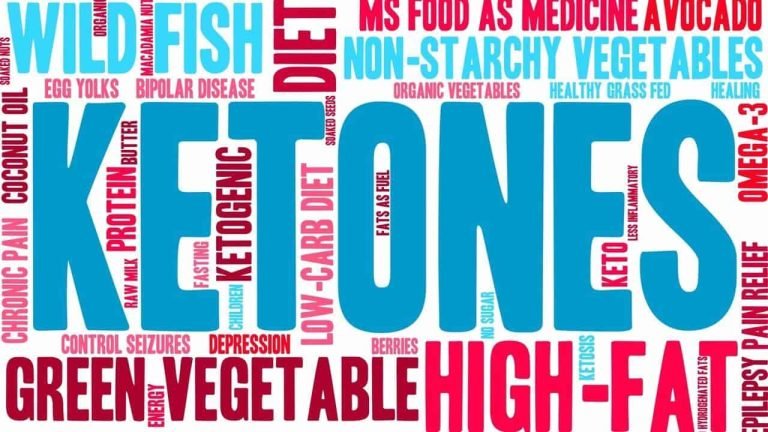
The Atkins Diet dates back to the 1970s, developed by Dr. Robert Atkins around eating more fat and far fewer carbs, forcing the body to rely on stored fat for energy. A stricter offshoot, keto, is also used medically to treat epilepsy and other conditions.
Noom vs. Atkins: Company History
Brief History of Noom
Artem Petakov and Saeju Jeong founded Noom in 2008. By March 2020, the company had secured multiple funding rounds from investors including Sequoia Capital and Samsung, with offices in New York City, Seoul, and Tokyo. Noom is often described in the press as a “millennial” app, given how naturally that generation engages with mobile technology.
Brief History of the Atkins Diet
Dr. Robert Atkins, a cardiologist, developed his namesake diet after struggling to lose weight himself through conventional methods. Digging into earlier research on cutting carbs, originally studied as an epilepsy treatment, he noticed its weight-loss potential. Wary of prescribing weight-loss medications like amphetamines, he published Dr. Atkins’ Diet Revolution in 1972, followed by several other books over the following decades, including updated editions in 1992, 2002, and 2010.
Noom vs. Atkins: Who’s Behind the Plans?
Who Created Noom?
Petakov and Jeong built Noom alongside doctors, psychologists, nutritionists, and personal trainers, aiming to address both the mental and physical sides of weight loss through a mobile app built around small, lasting changes. Jeong spent six years running BuyHard Productions in Seoul before partnering with Petakov, who cut his teeth as an intern at Sun Microsystems, later worked at Google, and eventually co-founded WorkSmart Labs, the company that developed Noom.
Who Created the Atkins Diet?
Dr. Atkins originally dreamed of becoming a comedian before pursuing medicine, graduating from Cornell University Medical College. After a rocky start in private practice left him depressed and overweight, he discovered the work of Alfred Pennington, who had studied low-carb eating during World War II, and built his diet around those findings. The Atkins Diet found enormous success for decades, though the company struggled after Dr. Atkins passed away in 2003, eventually filing for bankruptcy before changing hands multiple times.
Noom vs. Atkins: The Rules
Rules of Noom
Noom leans more on lessons than rigid rules, built around three core habits: tracking food, tracking exercise, and tracking weight. Clinical research backs the value of tracking, particularly evening meals, for better weight-loss outcomes. Users can also monitor blood sugar and blood pressure.
Food Logging: Noom suggests a daily calorie target but simplifies food choices into green, yellow, and red categories — eat mostly green, yellow in moderation, and red sparingly. Green foods include produce like spinach, broccoli, berries, and citrus; yellow covers lean meats, fish, low-fat dairy, and eggs; red includes fried foods, processed snacks, and sugary items.
Exercise Tracking: Exercise earns back 50% of burned calories toward your daily intake — burn 300 calories, and you can eat 150 more if you choose.
Education and Quizzes: A defining feature of Noom is its daily 10-minute lessons covering how the body works and what different foods offer nutritionally, reinforced with short quizzes to help the material stick.
Rules of the Atkins Diet
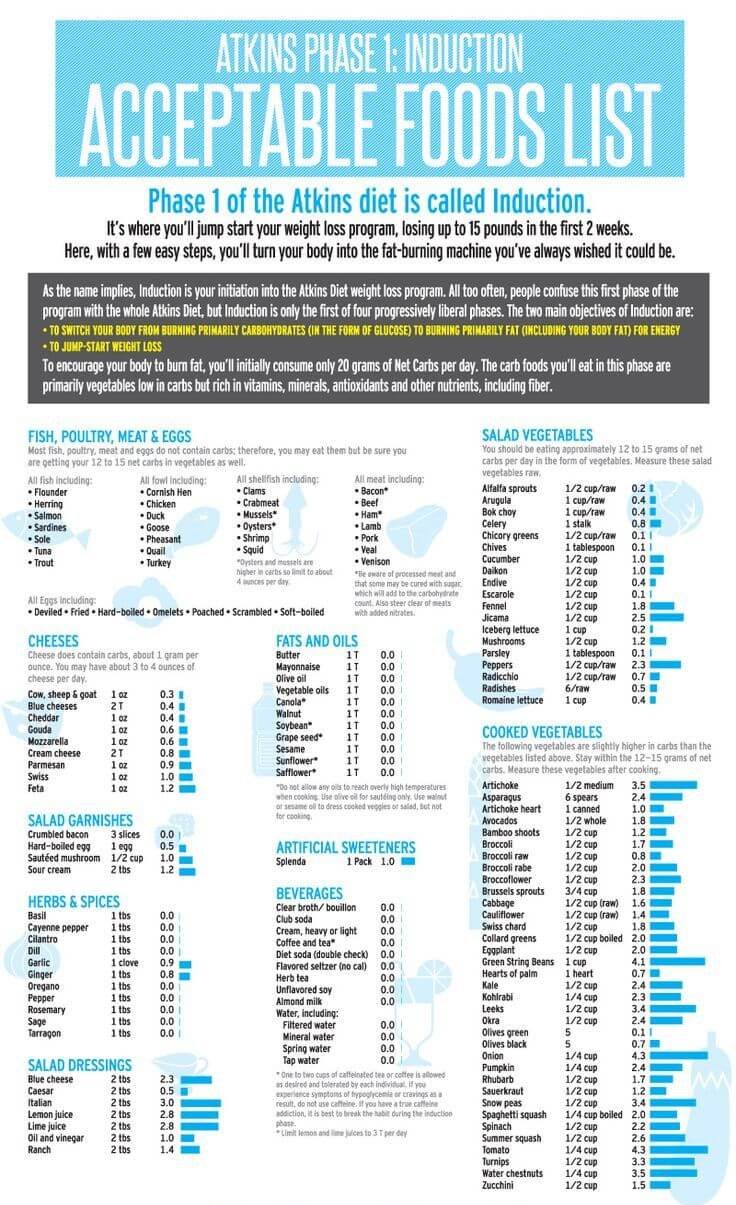
Atkins today offers three carb-intake levels: 20g, 40g, or 100g daily. Atkins 20, the most restrictive and most commonly followed for significant weight loss, starts with 12-15g of carbs from “foundation vegetables” like spinach, broccoli, and cauliflower. Atkins 40 suits people wanting more food variety or following a vegetarian approach, while Atkins 100 offers low-carb benefits with less restriction.
Unlike Noom, Atkins comes with a substantial restricted-foods list, including flour, sugar, bread, rice, pasta, potatoes, most fruit, beer, most wine, and margarine or hydrogenated oils.
Noom vs. Atkins: Eating Plans
The Noom Eating Plan
Noom centers on complete nutrition from whole foods, with small, compounding lifestyle changes rather than a long list of restrictions. No foods are off-limits — the plan instead focuses on guidance toward better personal choices, which is part of why the CDC has recognized Noom as a legitimate lifestyle change program.
The Atkins Eating Plan
Atkins unfolds across four phases. Phase 1 (Induction) drastically limits carbs for at least two weeks, forcing the body into fat-burning mode. Phase 2 gradually reintroduces carbs until weight loss stalls, then pulls back slightly. Phase 3 continues that balancing act until roughly 10 pounds remain to lose. Phase 4 focuses on maintaining the carb threshold that works for lifelong weight management.
Noom vs. Atkins: Plan Duration
Noom runs on a structured 16-week timeline, gradually building toward lasting habits. Atkins has no fixed timeline — Induction alone can last anywhere from two weeks to several months depending on how much weight needs to come off, with the shift to “lifestyle” maintenance only happening once you’re within about 10 pounds of goal weight.
Key Differences Between Noom and Atkins
Food restriction: Central to Atkins, absent from Noom. Caloric restriction and overeating can both disrupt the brain’s reward pathways, according to Experimental Gerontology.
Program length: Noom follows a defined 16-week arc; Atkins is designed to be followed indefinitely, which for many people means avoiding entire food groups on an ongoing basis.
Rebound weight gain: Low-carb, high-fat plans like Atkins are linked to rebound weight regain, according to Molecular Metabolism — a cycle of loss and regain tied to added cardiovascular stress, per the Journal of Obesity and Metabolic Syndrome.
Possible Side Effects
Noom, built around whole, naturally nutrient-rich foods, carries no notable side effects. Atkins, by contrast, has been associated with diarrhea, constipation, fatigue, bad breath, cramps, weakness, and headaches.
Noom vs. Atkins: The Research
A study of more than 35,000 Noom users published in Scientific Reports found greater weight loss among app users, with evening meal tracking tied to the best outcomes. Research in Metabolic Syndromes and Related Disorders also found Noom effective for weight maintenance, and Obesity Research and Clinical Practice found a roughly 2-point BMI drop after three weeks, improving further with higher adherence.
Atkins research tells a more mixed story. The Lancet found early weight-loss advantages for low-carb diets fade by the 12-month mark compared to other programs, and the Journal of Metabolic Syndrome and Related Disorders suggests the weight loss may stem more from reduced overall calorie intake than from fat-burning itself.
The Bottom Line: Noom vs. Atkins
There isn’t much of a real contest between the two. Noom centers on whole-food nutrition and sustainable habits for lasting health, while Atkins relies on food restriction that research links to weight cycling and potential cardiovascular strain over time.
Frequently Asked Questions
Explore more Health Articles reviews and guides on our site.
Overall, noom vs atkins remains worth understanding before you decide.
Overall, noom vs atkins remains worth understanding before you decide.