How Do Weight-Loss Drinks Work?
Let’s take a closer look at how do and what it genuinely offers. Advertisement Weight-loss drinks — what are they, do they actually work, and are they safe? These are questions we hear constantly. There’s a long list of drinks that claim to support weight loss. Some are calorie-free, others double as meal replacements, but […]

Let’s take a closer look at how do and what it genuinely offers.
Weight-loss drinks — what are they, do they actually work, and are they safe? These are questions we hear constantly. There’s a long list of drinks that claim to support weight loss. Some are calorie-free, others double as meal replacements, but nearly all promise results.
Let’s start with the tried-and-true star of weight-loss drinks: water.
How Do: Water and Weight Loss
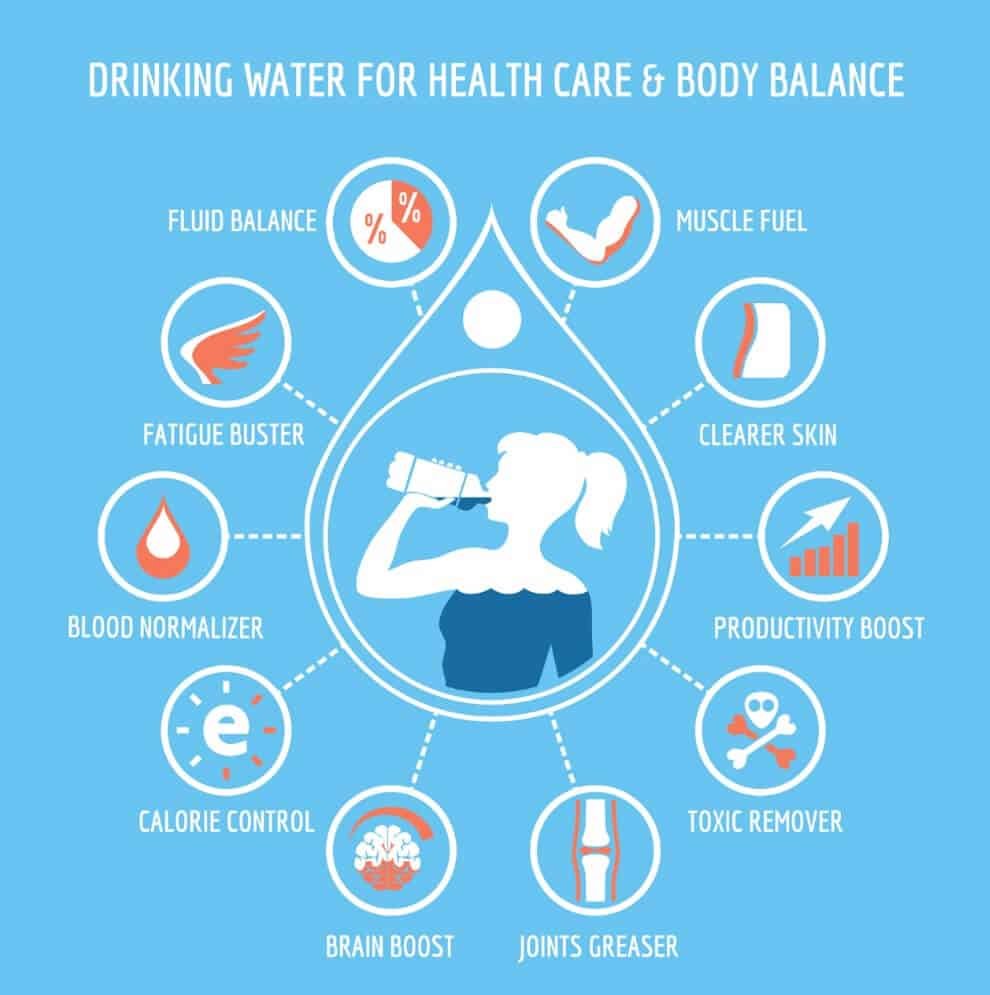
Water makes up roughly 60% of the human body — we’re quite literally made of the stuff. Even individual organs are mostly water, with kidneys at about 79% water and lungs at around 83%.
The connection between water and weight loss shows up clearly in the research. A study in Physiology and Behavior found that hunger and thirst are often confused for one another — plenty of people eat when what their body actually needs is fluid.
So the next time a snack craving hits, try reaching for a tall glass of water first and waiting about 20 minutes. There’s a real chance the “hunger” fades.
Water, Weight Loss, and the Science
Many people working on weight loss fall in the middle-to-older adult range. Research shows that drinking 500ml of water before meals improves weight loss compared to eating the same low-calorie meals without it — after 12 weeks, the water group lost roughly four pounds more than the group that skipped it. (Obesity, Silver Spring)
A separate year-long study focused solely on women found the same pattern — drinking more water increased weight loss among overweight participants. (Obesity, Silver Spring)
A 2016 review of the existing research confirmed water supports weight and fat loss through two mechanisms: reduced eating and increased lipolysis (fat breakdown). (Frontiers in Nutrition)
Plain water works perfectly well as a weight-loss drink, but the market inevitably found ways to dress it up. Two popular spin-offs are pH/alkaline water and fruit-infused water.
pH/Alkaline: There’s limited but real research here. One study found that rehydrating with high-pH water after strenuous exercise reduced blood viscosity, effectively boosting blood flow similarly to exercise itself. (Journal of the International Society of Sports Nutrition) A second study found that drinking pH water after anaerobic workouts, like strength training, improved hydration markers such as body composition and urine output. (Biology of Sport)
Fruit-Infused: Fruit-infused water is exactly what it sounds like — water infused with fresh fruit to make it more appealing, encouraging you to drink more of it, which circles back to the water benefits already covered.
A quick safety note: fruit carries bacteria on its skin, even after a good scrub, and that bacteria will linger in infused water. Any batch left at room temperature for more than four hours should be discarded.
With water covered, let’s move to a category you’re probably already familiar with: detox and cleanse teas.
Detox and Cleanse Teas
Green Tea: Topping the “tea edition” of weight-loss drinks is green tea. It’s not technically a detox or cleanse tea on its own, but it’s one of the most common ingredients found in them.
Green tea has a long research history, studied for effects on fatigue, blood pressure, blood sugar, and weight loss. There are countless green tea supplements on the market, but does drinking the tea itself help? Some research says yes.
According to the European Journal of Nutrition, participants who regularly drank hot tea had smaller waists and lower BMI than those who drank iced tea, even after controlling for age, activity level, and calorie intake.
Separate research in the Journal of Research in Medical Sciences found that just four cups of green tea daily was enough to produce measurable effects on both weight and blood pressure.
Detox/Cleanse Teas: Now to one of the biggest names in weight-loss drinks. These teas often claim to support weight loss — but do they really work, and how?
Burdock Root: A plant native to Europe and parts of Asia, commonly included in detox teas for its diuretic effect. Diuretics increase urination, which can nudge the scale down temporarily — weight that returns as soon as you rehydrate.
Uva Ursi Extract: Another diuretic, working similarly to burdock root by promoting water loss through urination. Historically, it was used to treat bladder conditions.
Dandelion Root: Genuinely nutritious in food form, but as a weight-loss ingredient it’s mainly valued as a diuretic and mild laxative, helping with constipation, which may be tied to increased water loss.
Milk Thistle Extract: Commonly added to detox drinks as a “liver cleanse,” milk thistle contains the antioxidant silymarin, which may help fight cellular damage, aging, and fatigue.
Senna: One of the most common stimulant laxatives in weight-loss drinks. It works by causing intestinal muscles to contract and relax, moving waste through faster — often resulting in loose stools rather than a formed one.
Cascara Sagrada: Functions almost identically to senna as a stimulant laxative.
Aloe Vera: The extract form used in these drinks (not the juice sold at health food stores) works as a natural laxative, though more gently than senna or cascara.
Side Effects of Detox Teas and Cleanses
Unlike water, detoxes and cleanses come with a real risk of uncomfortable side effects, including:
- Increased urination
- Increased bowel movements
- Loose stools
- Cramping
- Diarrhea
- Electrolyte imbalance
Apple Cider Vinegar (ACV)
Apple cider vinegar is a fermented acid derived from apples. It’s first fermented without oxygen, the same process that produces alcohol, before oxygen is introduced to complete the transformation into acid. Most ACV products contain no more than 10% acid — anything higher risks side effects like tooth decay and erosion.
The ACV diet isn’t clinically proven to work exactly as proponents claim, but there is some genuinely interesting research on vinegar itself.
A study in Bioscience, Biotechnology and Biochemistry found that “body weight, [body mass index] BMI, visceral fat area, waist circumference, and serum triglyceride levels were significantly lower in both vinegar intake groups.”
Research in the International Journal of Obesity found vinegar consumption reduced appetite and increased fullness — though the effect may actually stem from vinegar-induced nausea rather than a direct metabolic benefit.
The standard ACV weight-loss drink recipe is one to two tablespoons mixed with water, split into two or three doses throughout the day.
Master Cleanse
Another long-running weight-loss drink, the Master Cleanse resurfaces periodically, often tied to a celebrity who reportedly lost significant weight on it. Its true origin is unclear, and the recipe has likely been modified many times over the years.
The standard version, sometimes called the lemonade detox, mixes lemon juice, maple syrup, and cayenne pepper in water, consumed throughout the day. Some people take it further as a full fasting detox with no food at all.
A 2015 study found the lemon detox diet promoted weight loss and reduced body fat through calorie restriction — likely, once again, aided by nausea reducing overall intake. (Nutrition Research)
The bigger issue with the Master Cleanse and similar detox drinks is that the science simply hasn’t caught up with the claims. According to the Journal of Human Nutrition and Dietetics, “no randomized controlled trials have been conducted to assess the effectiveness of commercial detox diets in humans.”
Salt Water
No list of weight-loss drink trends is complete without the salt water flush. Salt causes the body to retain water, which then gets flushed out through urination and bowel movements — functioning much like a laxative-based weight-loss drink.
Dangers of a Saltwater Flush
The core problem is the salt itself. Heavy intake can cause water retention and elevated blood pressure, which carries serious risks over time.
Nausea and vomiting are also common, meaning some people never even keep the water down long enough to see any claimed benefit.
Anyone with an existing medical condition should talk to a healthcare provider before trying a saltwater flush — heavy salt intake can worsen certain conditions and interfere with medications, particularly for people with high blood pressure or urinary system issues.
Meal Replacements
Among the most popular weight-loss drinks on the market are meal replacements, designed to substitute for a full meal, sometimes alongside a few approved whole foods.
Every meal replacement contains at least two core ingredients: a protein source and a vitamin/mineral blend that rounds it out into something resembling a complete meal. Other common additions include:
- Sugar
- Artificial sweeteners
- Natural sweeteners
- Artificial coloring
Whey Protein: The dominant protein source in meal replacement shakes, available as concentrate or isolate depending on processing method. Protein in general can slow digestion, but that effect is more reliably tied to whole-food protein than to shakes and supplements.
Two relevant studies stand out. A 2017 study found that “protein supplements after weight loss do not improve weight maintenance,” even though dietary protein is known to suppress appetite — it was specifically the whey supplement form that fell short. (American Journal of Clinical Nutrition) A 2018 study reached a similar conclusion: “whey protein supplementation during diet-induced weight loss does not have clinically important therapeutic effects…” (Obesity, Silver Spring)
Soy Protein: The most common vegetarian protein source, though pea and hemp are gaining ground. Soy protein comes from soybeans with the hull and fat removed. Concerns about soy’s effect on estrogen levels in women trace back roughly a decade, but more recent reviews note that most of that research was done in animals and doesn’t translate reliably to humans. (Nutrients)
Weight-Loss Drinks: Supplements
Powdered supplements have become genuinely popular — just mix with water and drink. The most common categories are fat burners, pre-workouts, and energy drinks.
Fat Burners: Typically built around caffeine and other stimulants, the theory being more energy leads to more movement and better food decisions. Caffeine is also linked to a modest metabolic boost. Common ingredients include:
- Green tea extract
- Acetyl L-carnitine
- Cayenne pepper fruit
- Black pepper extract
- Choline
- Dandelion root
- Juniper extract
- Cascara sagrada
- Senna
Pre-Workouts: Built to boost energy, performance, and focus during exercise, often sharing several ingredients with fat burners:
- Branched-chain amino acids
- Creatine
- Caffeine
- Beta-alanine
- Citrulline
- L-carnitine
- Glutamine
- Ashwagandha
- Betaine
- Alpha-GPC
Energy Drinks: Not technically a weight-loss drink, but many people treat it as one. Packed with caffeine and other stimulants to boost energy and focus. Notice the common thread across fat burners, pre-workouts, and energy drinks — caffeine, the most widely used drug in the world.
Final Take on Weight-Loss Drinks
When it’s all said and done, one weight-loss drink stands clearly above the rest: water. It’s safe, effective, and backed by real research, unlike most competitors that lean heavily on anecdotal success stories. The human body is mostly water, and it’s essential to virtually every organ and bodily process — a solid enough case on its own for making it your go-to weight-loss drink.
Explore more Weight Loss Diet reviews and guides on our site.
Overall, how do remains worth understanding before you decide.
Overall, how do remains worth understanding before you decide.