Cleanse Your Body: How to Detox Your Mind and Soul
My first cleanse wasn’t a great experience. It was short — three days of mostly juicing and smoothies. I tried it out of curiosity without thinking it through much: I hadn’t decided why I wanted to do it, or what the best cleanse for my situation actually was. Table of content What Is a ? […]

My first cleanse wasn’t a great experience. It was short — three days of mostly juicing and smoothies. I tried it out of curiosity without thinking it through much: I hadn’t decided why I wanted to do it, or what the best cleanse for my situation actually was.
Unsurprisingly, it didn’t go well. I gave up after a day of drinking smoothies I genuinely didn’t enjoy — I love fruits and veggies, just not all mashed together. Had I thought it through more, figured out my “why,” and researched the right option for me, I likely would have had better luck.
If you’re considering a cleanse, here’s some useful information to help set you up for success.
What Is a Cleanse?
A cleanse, also called detoxification, is a way of clearing the body of toxins absorbed from food and the environment. Cleanses have existed for a long time, with roots tracing back to biblical traditions involving fasting.
Fasting and detoxing have appeared in religious rituals for centuries across many parts of the world — Greece, Egypt, and China, among others — often built around ridding the body of harmful substances.
Across cultures, herbs, fruits, and vegetables — all known for supporting the body’s natural ability to clear out chemicals and toxins — have played a role in cleansing traditions. Cleanses aren’t about starving yourself; they’re about purifying the body and supporting a healthier overall lifestyle.
Cleanse Ingredients
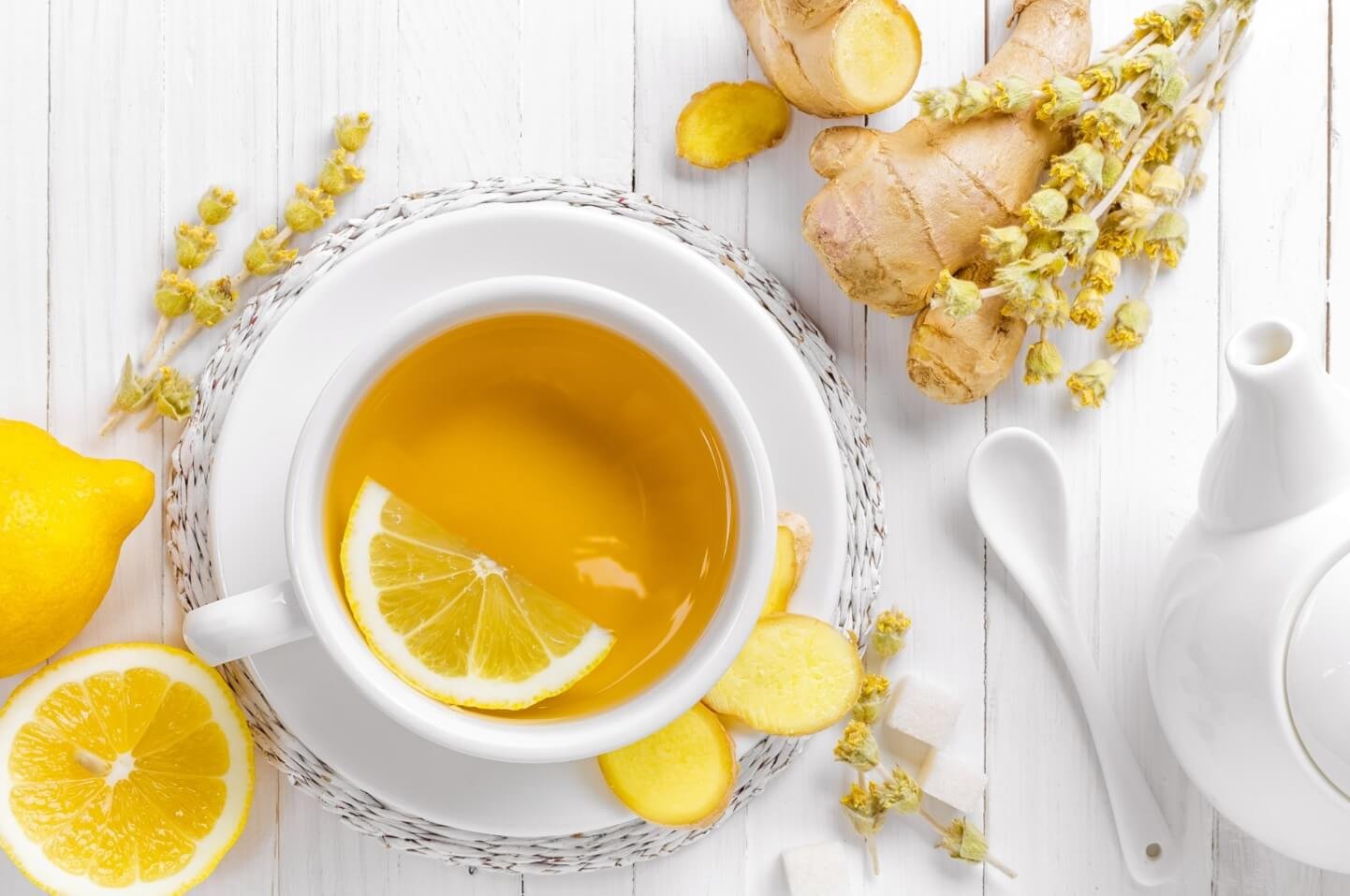
Many natural ingredients show up repeatedly across detox-style diets, whether a raw food approach or an organic, plant-based cleanse.
Green Tea
Caffeine in green tea acts as a mild diuretic, while its antioxidants help fight cellular damage, per the Journal of Human Nutrition and Dietetics.
Leafy Greens (Kale, Spinach, Broccoli)
Packed with fiber that supports natural waste elimination, according to the USDA Agricultural Research Service. Greens are also a strong antioxidant source, helping combat free radical damage often associated with toxin buildup, per Nutrition Journal.
Water (Hot or Cold)
Proper hydration genuinely supports detoxification, according to Nutrition Reviews.
Prebiotics and Probiotics
A poor diet can damage the healthy bacteria responsible for digestion, according to Maturitas. Yogurt (fermented milk) is an excellent source of both prebiotics and probiotics, per the British Journal of Nutrition.
High-Fiber Fruits
Natural fiber from fruits like apples helps relieve constipation by bulking up waste and supporting its passage through the intestines, according to Nutrients.
Ginger
Offers potent antioxidant properties that support cellular repair, per Herbal Medicine: Biomolecular and Clinical Aspects.
Are Cleanses Safe?
Safety really depends on which cleanse you choose, how long you stay on it, and your own body. Cleanses aren’t meant to be long-term — staying on certain ones too long can become unsafe by depriving the body of key nutrients.
A few groups should avoid cleanses altogether: pregnant and nursing women, anyone recovering from illness or surgery, those training for athletic events, and anyone under a doctor’s care for a long-term illness. If you’re unsure whether a specific cleanse is safe for you, talk with your doctor about it and the intended length before starting.

Cleanse Side Effects
Side effects are most common with water or juice fasts specifically, and can include bad breath, constipation, flu-like feelings, fatigue, headaches, hunger, irritability, itchy skin, nausea, body odor, and difficulty sleeping.
These symptoms have a few possible explanations. Eliminating most food and cutting out processed items can trigger reactions similar to caffeine withdrawal — a brief, flu-like ache that may last a few days.
The body already has a built-in detox system running continuously — digestive upset during a cleanse more often comes from a sudden increase in fruit and vegetable intake and their fiber and phytonutrient content. Headaches, aches, fatigue, and brain fog usually stem from sugar or caffeine withdrawal combined with lower calorie intake overall.
Staying on a cleanse too long isn’t healthy or necessary — you don’t want your body slipping into starvation mode. Research the specific cleanse you’re considering and follow its guidelines closely.
Pay attention to your body throughout — it knows what it needs and will signal when it’s time to return to normal eating. “There is a balance when it comes to self care. The body doesn’t lie. It tells you daily what it needs. Each day we adjust to what the body requires. What felt good yesterday may not work today,” says Mandy Ingber, New York Times bestselling author and creator of Yogalosophy.

Should You Cleanse Your Body?
There’s no universal answer here. If you already eat mostly whole foods, lots of fruits and vegetables, and limit alcohol and processed food, you likely don’t need a cleanse.
If you’ve always wanted to try one, start small — jumping straight into a 14-day juice fast without any prior cleanse experience isn’t advisable. Start with three days, perhaps a raw-food or short refresh diet, see how your body responds, and consider a longer fast from there. Above all, listen to what your body tells you.
Types of Cleanses
Physical cleanses tend to get the most attention, but mental and emotional cleanses matter for overall health too. This piece focuses mostly on physical cleanses, with a short section on mental/emotional cleansing toward the end.
Juice Fasting Cleanse
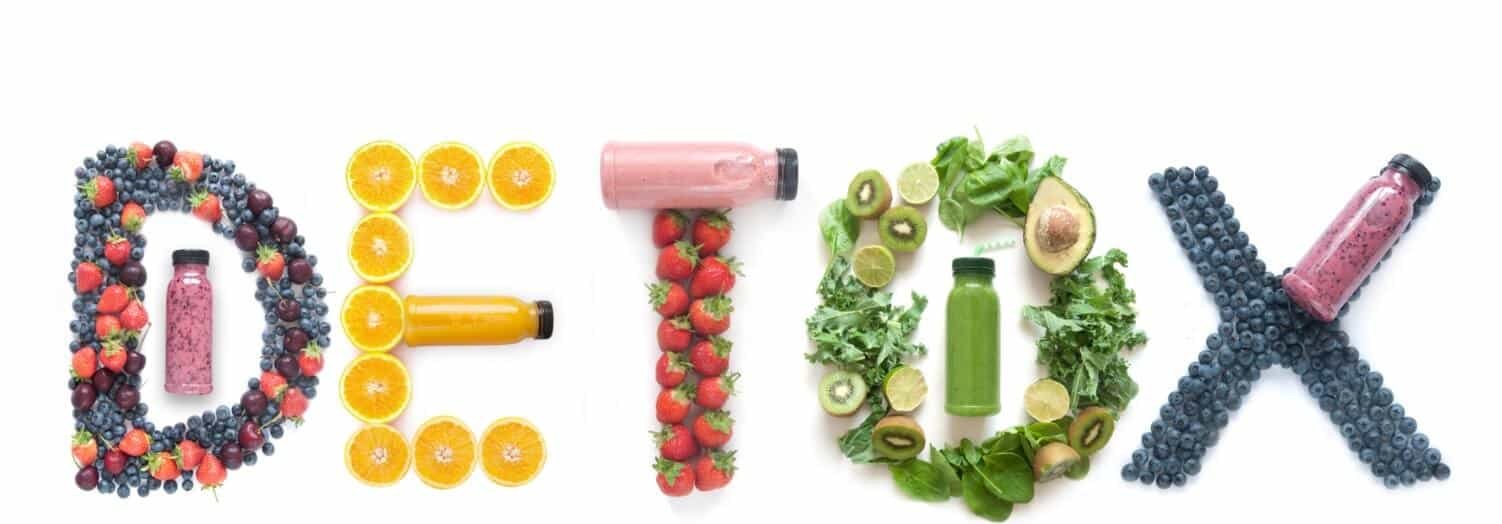
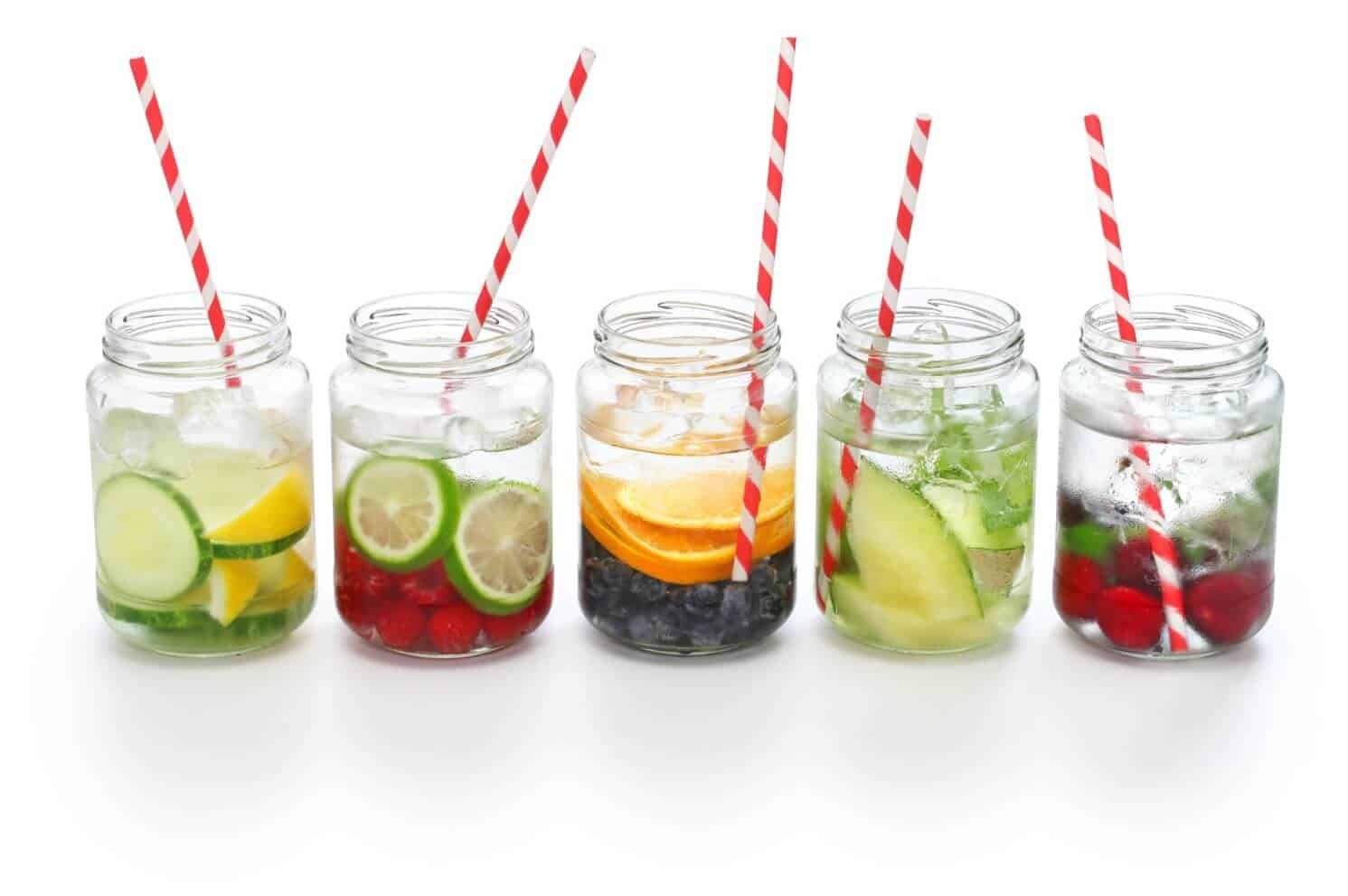
A juice fast involves drinking fresh vegetable and fruit juice as your sole food source for the duration of the cleanse — either juiced yourself or purchased as pre-packaged plans (typically 3, 7, 14, or 21 days).
Check ingredients carefully on any pre-packaged juice — the goal of a cleanse is eliminating harmful chemicals, so an all-natural product matters. Juicing is generally gentler than a strict water fast, though some people feel ill effects, typically starting around day three.
Water Fasting Cleanse
Juice and water fasting rank among the more intense cleanse approaches, especially for first-timers.
Pros: Ridding the body of toxins, and potential weight loss.
Cons: Side effects, and possible impact on hair and skin.
Lower calorie intake can slow metabolism if the cleanse runs too long — the body may shift into a conservation mode, and maintaining stable blood sugar can become difficult under limited calorie intake. First-timers may want to start with a gentler cleanse before attempting a full juice or water fast.
Stimulant and Non-Stimulant Cleanses
The cleanses discussed above are all non-stimulant, natural approaches, as opposed to stimulant methods like enemas that force-cleanse the colon. Non-stimulant cleanses tend to be the recommended route since they avoid unnecessary stress on the colon. If you do opt for a stimulant-based method, the American Academy of Family Physicians advises against using it for more than a few days.

3-Day, 7-Day, 14-Day, and 30-Day Cleanses
The right length depends on your goals. Some people cleanse to address physical symptoms like headaches, fatigue, or low energy, which may relate to toxin buildup. Others simply want a kick-start toward healthier eating. Clarifying your “why” helps determine the right duration.
14-Day Cleanse
The longer a cleanse runs, the more the body adjusts. Some people who’ve done 14-21 day cleanses report relief from ailments like headaches and fatigue, along with a launchpad into a genuinely new way of eating — cutting out processed foods, alcohol, and other things that stress the liver.
This varies quite a bit by individual, so it’s always worth starting shorter and gauging your response before committing to something longer. Three-day cleanses often serve as a solid reset into healthier eating — for juice or water fasts specifically, hunger tends to fade after day three, sometimes replaced by flu-like symptoms, headaches, lethargy, or breakouts.
30-Day Cleanse
Past 21 days, energy swings become more common — highly energetic some days, lethargic on others, which is a normal part of the ongoing process.
When deciding how long to cleanse, factor in your activity level and whether you have the time and space to manage energy swings. Avoid cleansing during a demanding work stretch, travel, or planned intense workouts — treat it as a genuine healing period instead.
Detox Diet Plan
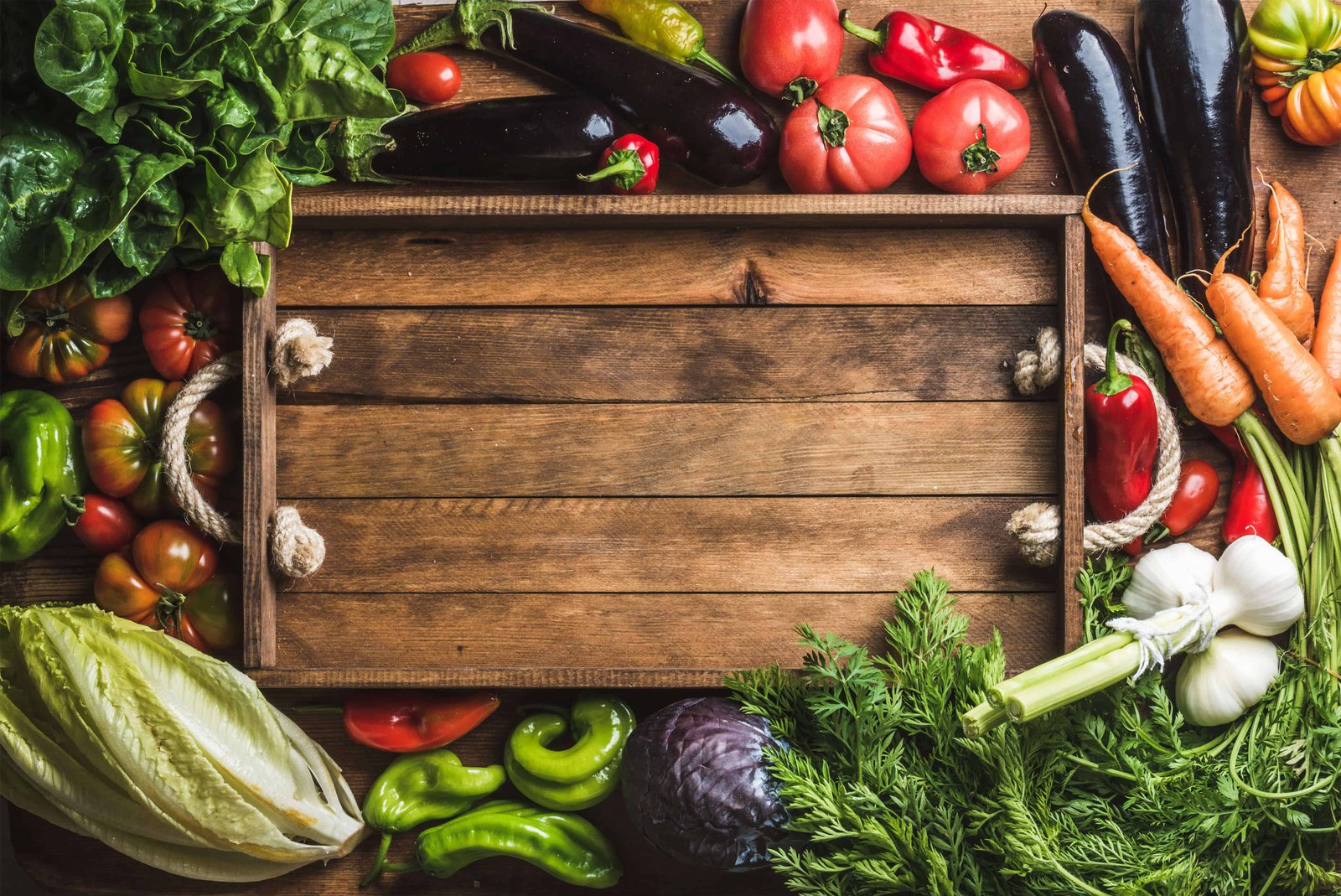
A detox diet is among the gentlest cleanse approaches and may be all you need. Eliminating processed foods for a set period gives your digestive system a break from the heavy lifting processed and chemical-laden food requires.
Natural, plant-based food is simply easier for the body to process, making this type of cleanse a genuine reset without the intensity of a water or juice fast.
Clean Eating Cleanse
Plenty of fresh, organic, vegan, or vegetarian detox diets exist, typically with a food list and recipes, often requiring specific food purchases over a set period (usually 3, 7, or 21 days).
My husband tried a “raw diet” for about a month a few years back — another type of detox diet involving food never cooked above 118°F, the point at which nutritional value starts to break down under heat.
Plant-Based Diets
He ate a genuinely substantial amount of food — just all raw fruit, veggies, seeds, and nuts, alongside water (usually lemon water), green tea, and fresh juices.
Completely raw and plant-based, this diet left him with noticeably more energy and a feeling of “lightness” — separate from any weight lost, which came from the body no longer working as hard to digest heavily processed foods, a genuine benefit.
The main downside to raw diets and similar reset diets is the time commitment — they take real planning and meal prep, often requiring larger food volumes per meal to meet caloric needs, plus shopping at organic or local markets to avoid unwanted toxins. This time investment is part of why many people opt for juice or water fasting instead — though I’d still recommend a whole-food approach as a starting point for anyone new to cleansing.
“One way to gain deeper insight and greater access to the ingredient supply chain is to source domestically. In fact, there are several benefits to sourcing domestically that go beyond fossil fuel reduction and transparency. There are health benefits to consuming what grows in our regions – from preventing allergies to increased nutritional value with freshness. And when you source locally, you’re supporting more jobs within your community, promoting small business, and assisting small farmers; keeping things local also makes it a lot easier to create win-wins for companies and consumers since you’re often able to be more flexible and creative in your collaborations!” says Abianne Miller Falla, co-founder of CatSpring Yaupon.
Stopping a Detox Diet
Whatever the length of your cleanse, ease back into regular eating gradually. Your system has been reset, so a big steak and a bottle of wine on day one probably won’t feel great.
Add food groups back gradually over several days (longer for a longer cleanse), listening closely to what your body tells you it needs.
“We’ve been conditioned to listen to experts and advice outside of ourselves. The reality is, there is no one way to eat. What works best for us is dependent on our own preferences, metabolism, genetic makeup, environment, and tastes. Each body has different needs and only we can decide what works best for us. We’ve been taught to put our trust in someone else: a book, a weight loss program, a diet expert, a nutritionist, etc. It’s time to let go of what others tell us is the ‘right’ way to eat, and look instead at exploring what our own bodies need!” says Jenn Hand, food coach, blogger, and retreat leader.

Total Body Cleanse
A physical it is one way to clear toxins from the body — but what about the mental and emotional toxins that build up too?
Mental and Emotional Cleanse
I first came across this concept in Danielle LaPorte’s book, White Hot Truth. We live in a noisy world where it’s easy to absorb other people’s opinions and advice as our own, sometimes to the point that outside voices drown out what’s actually true for us.
I’ve fallen into this pattern more than I’d like to admit, relying heavily on others’ input. I decided to try an “input fast” to clear out others’ opinions and reconnect with my own instincts. Here’s how:
First, I stopped asking for advice.
I still talked with family and friends, read, and listened to podcasts — I just stopped soliciting opinions on my own decisions and choices, keeping those conversations strictly internal. This wasn’t about dismissing others’ wisdom, just stepping back from it for a while.
Second, I created space and silence.
Our world is loud — between TV, social media, and constant notifications, it’s rarely quiet, even in our own minds. I built in daily quiet time, not meditation exactly, just time to be still, often outdoors near a pond, listening only to nature.
It wasn’t much time — 15-20 minutes daily — but that quiet space is where real self-guidance emerges. You can ask yourself the same questions you’d normally direct to a coach, friend, or mentor. If answers don’t come immediately, they often surface later — while sleeping, showering, or during another quiet moment. Trust that they’ll come.
“Ground yourself. You cannot be fully present in your life if you are only in your head. It is important to be connected to your body and your spirit to gain full access to your power,” says Barbara Biziou, transformation vision coach and ritual expert.

Social Media Hiatus
This one’s fairly self-explanatory — stepping away from the constant stream of social media, which can quietly stir agitation without you realizing exactly where it’s coming from.
If a full hiatus feels like too much, try cleaning up your feed instead — unfollow negative accounts, follow inspirational ones, and set limits on news consumption. Staying informed matters, but doesn’t require 24/7 exposure.
Off-the-Grid / Disconnect Time
This means genuinely disconnecting from electronics — getting outdoors, away from cell service and Wi-Fi, even for just an hour or two. You’ll survive, and so will anyone trying to reach you. It’s remarkable what reconnects when you disconnect from devices.
These are just a few favorite ways to build in a mental and emotional it. I take off-the-grid time at least once a week to keep my mind and heart consistently open and clear. Find whatever works for you to reduce negativity in your daily mental and emotional life.
A healthy mental and emotional state, kept clear of its own kind of “toxins,” matters just as much as physical health.
Explore more Detox reviews and guides on our site.
For general guidance on healthy weight management, see the resources available from Mayo Clinic.