The 9 Biggest Lies the Food Industry Tells Consumers
The food industry doesn’t always market products with your best interests in mind. Profit tends to come first, sometimes even at the expense of consumer health, including children’s. Table of content Calories in a "Serving" Trans Fat Disguised Ingredient Names Processed Foods and "Natural" Flavor "Gluten-Free" Low-Fat or Fat-Free Hidden Sugar Content "Low Carb" Foods […]

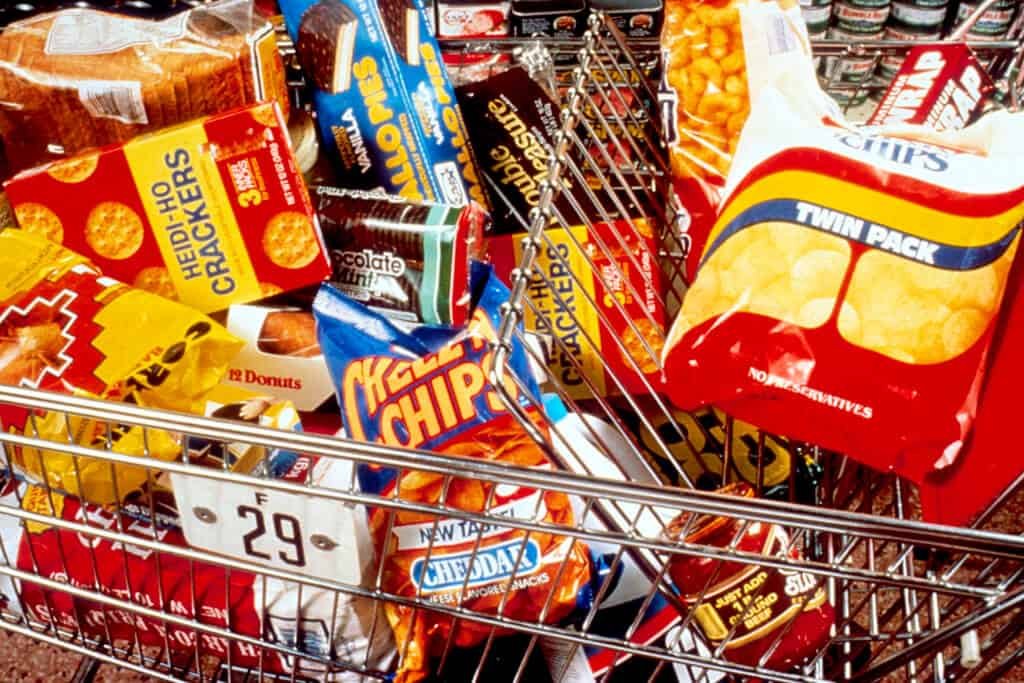
The food industry doesn’t always market products with your best interests in mind. Profit tends to come first, sometimes even at the expense of consumer health, including children’s.
Here are 9 of the biggest ways food marketing can mislead consumers.
Calories in a “Serving”
Food companies often obscure real calorie and sugar content by listing multiple servings per package. A chocolate bar or soda bottle might technically contain “two servings” — but most people finish the whole thing in one sitting, not half.
This labeling technicality lets companies advertise a lower per-serving calorie count. Reading labels carefully means checking the total servings per container, then multiplying accordingly — a “two-serving” product listing 200 calories per serving actually contains 400 calories total. A 24-oz soda bottle listing 100 calories and 27 grams of sugar “per serving” actually contains 300 calories and 81 grams of sugar for the whole bottle — and most people drink the entire thing at once.
Bottom Line: Always check the number of servings per container, and multiply calorie and sugar counts accordingly to find the real total.
Trans Fat
Processed food labels often claim to be “trans fat free,” but that claim comes with a loophole — products only need to contain less than 0.5 grams of trans fat per serving to legally carry that label, according to Mayo Clinic.
Always check the ingredient list — if “partially hydrogenated oil” appears anywhere, the product contains trans fat, regardless of what the front label claims. Even products genuinely free of trans fat may still contain other less-than-ideal ingredients like vegetable or soybean oil.
Bottom Line: Avoid foods listing partially hydrogenated oil or other high-Omega-6 vegetable oils among the ingredients.
Disguised Ingredient Names
Many people react poorly to specific ingredients and try to avoid them — but manufacturers sometimes obscure controversial ingredients using technical or unfamiliar names, according to SaveOurBones. European labels, for example, may list MSG as “E621” or carrageenan as “E407.”
The same tactic applies to sugar — “evaporated cane juice,” for instance, is simply sugar by another name.
Bottom Line: Food companies sometimes rename controversial ingredients to make them less recognizable on labels.
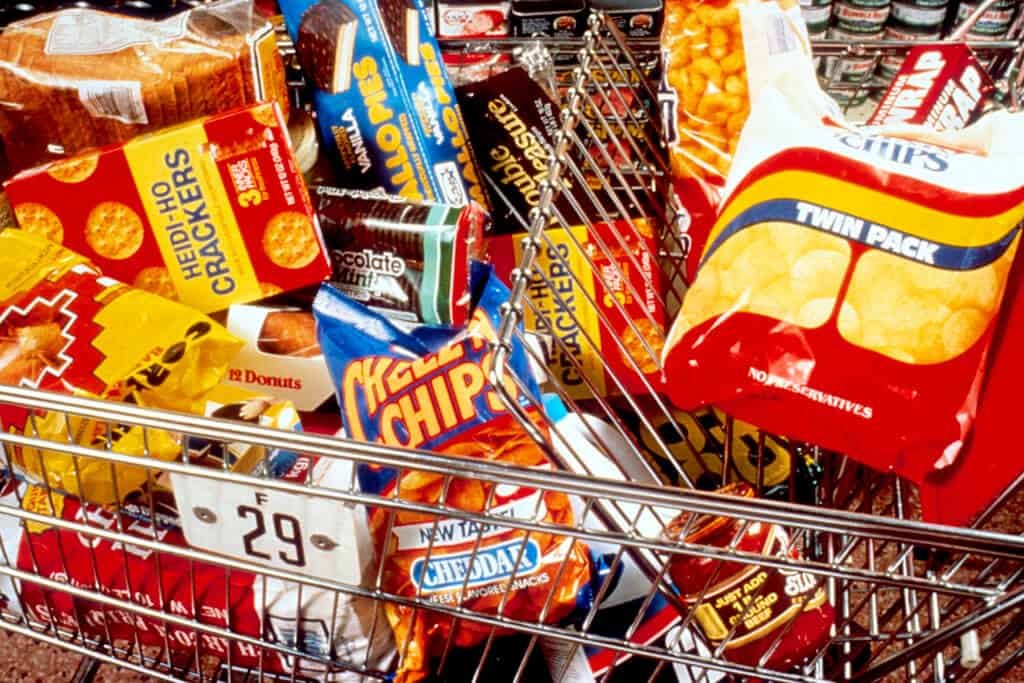
Processed Foods and “Natural” Flavor
Plenty of processed foods carry flavors that sound natural — orange-flavored vitamin water, for example, tastes like oranges but contains no actual orange content. The sweetness comes from sugar, and the “orange” flavor comes from refined chemical compounds engineered to trick your taste receptors.
Just because something tastes like real food doesn’t mean any of the real ingredient is actually present — blueberry, orange, and strawberry flavors are frequently just chemically engineered to mimic the real thing.
Bottom Line: A product tasting like natural food doesn’t mean it contains any of that actual food. “Eating Processed Food Makes it Harder to Burn Calories. Studies have shown that when you eat a diet high in processed foods, your body will find it harder to burn fewer calories. This is because the calories gotten from processed foods are not easy to burn due to all the chemical additives, extra refined sugar, and salt that they contain,” says a nutrition expert at Going2Natural.
“Gluten-Free”
Gluten-free eating has become genuinely popular — nearly a third of Americans either avoid gluten entirely or actively limit it, according to Harvard Health.
Products labeled “gluten-free” specifically to replace gluten-containing foods aren’t automatically healthy. Many rely on highly refined, high-glycemic starches like tapioca, corn, or potato starch, and are often loaded with added sugar, according to Today.com. The actual goal behind eating gluten-free should be replacing processed bread and similar foods with genuinely whole, real foods — not simply swapping in a “gluten-free” version of the same processed item.
Bottom Line: “Gluten-free” products often contain their own set of unhealthy ingredients. Favor real, whole foods instead. “Many gluten-free products are not healthy because they frequently include sugar, tapioca starch, gums (stabilizers like guar gum, carrageenan gum, etc.) all of which affect enzyme production and cause digestive issues including bloating, gas, constipation and/or diarrhea,” says Monica Hershaft, a Holistic Health, Food & Lifestyle Coach and author.
Low-Fat or Fat-Free
The decades-long “war on fat” led to a flood of processed foods marketed as “low-fat,” “reduced fat,” or “fat-free.”
Removing fat from food generally strips out flavor too, so manufacturers frequently compensate with added sugar, artificial sweeteners, or other less-than-ideal ingredients. Added sugar tends to be worse for health than fat overall, though excess saturated fat still carries its own risks when eaten in large amounts.
Bottom Line: Products labeled “low-fat” or similar are frequently less healthy than they appear.

Hidden Sugar Content
Most people don’t carefully read ingredient lists before buying, and even careful label-readers can be misled by how manufacturers disguise sugar content.
Ingredients are listed by quantity, with the most-used ingredient first — if sugar appears early on the list, the product likely contains a significant amount. According to SFGate, manufacturers often use multiple different names for sugar within the same product — “sugar,” “high fructose corn syrup,” and “evaporated cane juice” are all functionally the same thing. This lets a “healthier-sounding” ingredient appear first on the list, even though the combined sugar content, if added together, would actually top the list.
Bottom Line: Check whether a product lists multiple types of sugar under different names — combined, sugar may actually be the top ingredient. “The goal is a simple snack, made from ingredients you can pronounce, with no artificial sweeteners, that supports your overall health, and is relatively mild in flavor. If you recognize all the ingredients, you are on the right track!” says Amy Upchurch, founder of Pink Stork.
“Low Carb” Foods
Food manufacturers have capitalized on the low-carb trend by rolling out a wide range of low-carb branded products. As with low-fat foods, not all of these are actually healthy — many remain heavily processed and carry other less-than-ideal ingredients.
Bottom Line: Low-carb products aren’t automatically healthy and are frequently highly processed.
“Whole Grain” Claims
Whole grains are marketed as one of the healthiest food categories, and while they are genuinely healthier than refined grains, Harvard Health notes there’s no strong evidence that eating whole grains is better than not eating grains at all.
Processed products like cereal frequently claim to “contain whole grains,” but what the label doesn’t always make clear is that those grains may be ground into extremely fine flour, losing much of their structural benefit. A product with a small amount of whole grain may still carry plenty of other less desirable ingredients, including sugar and high fructose corn syrup.
Summary of the Food Industry
The food industry tells consumers a lot of things through clever labeling and marketing — but the most reliable path forward is favoring real, whole foods that rarely need an elaborate label to explain what’s actually in them.
Explore more Health Articles reviews and guides on our site.
For general guidance on healthy weight management, see the resources available from Mayo Clinic.
Overall, food industry remains worth understanding before you decide.
Overall, food industry remains worth understanding before you decide.