Detox Cleanse: Benefits, How It Works & Safety
Toxins are genuinely everywhere — in our food, water, and countless environmental sources — and our bodies accumulate more of them every day. So is a detox cleanse actually the solution? Table of content What Is a Detox Cleanse? Benefits of a Healthy Detox Cleanse How Does a Detox Cleanse Work? Detox Cleanse Foods and […]

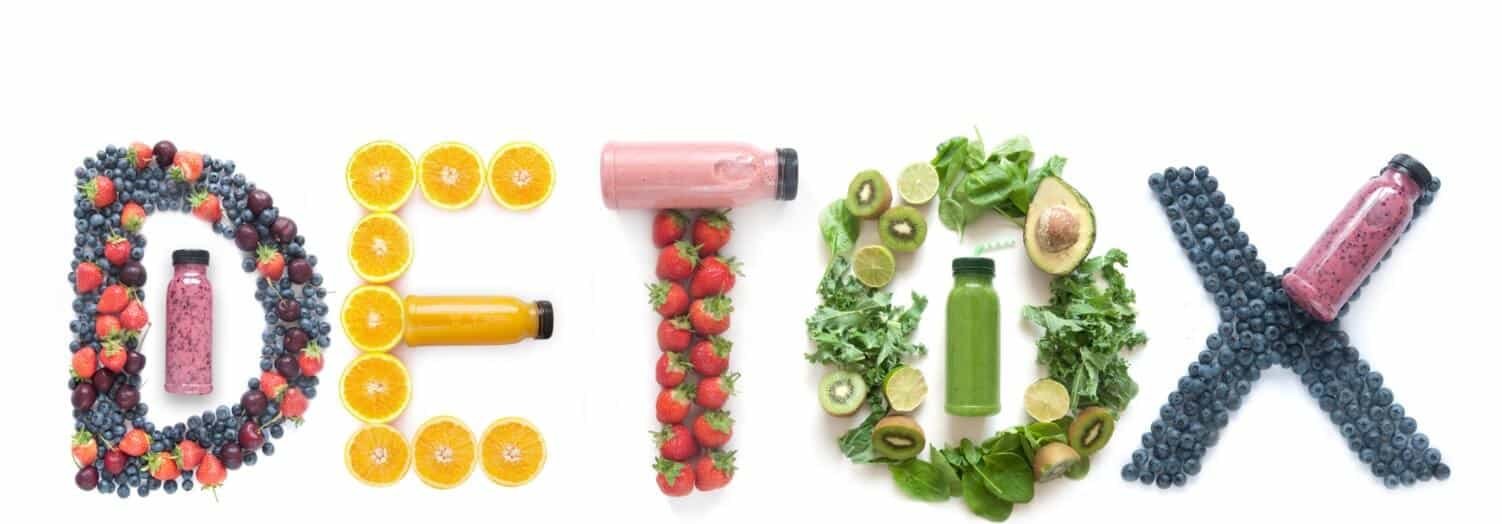
Toxins are genuinely everywhere — in our food, water, and countless environmental sources — and our bodies accumulate more of them every day. So is a detox cleanse actually the solution?
Before deciding whether one belongs in your routine, it helps to understand exactly what a detox cleanse is and how it’s supposed to benefit your health.
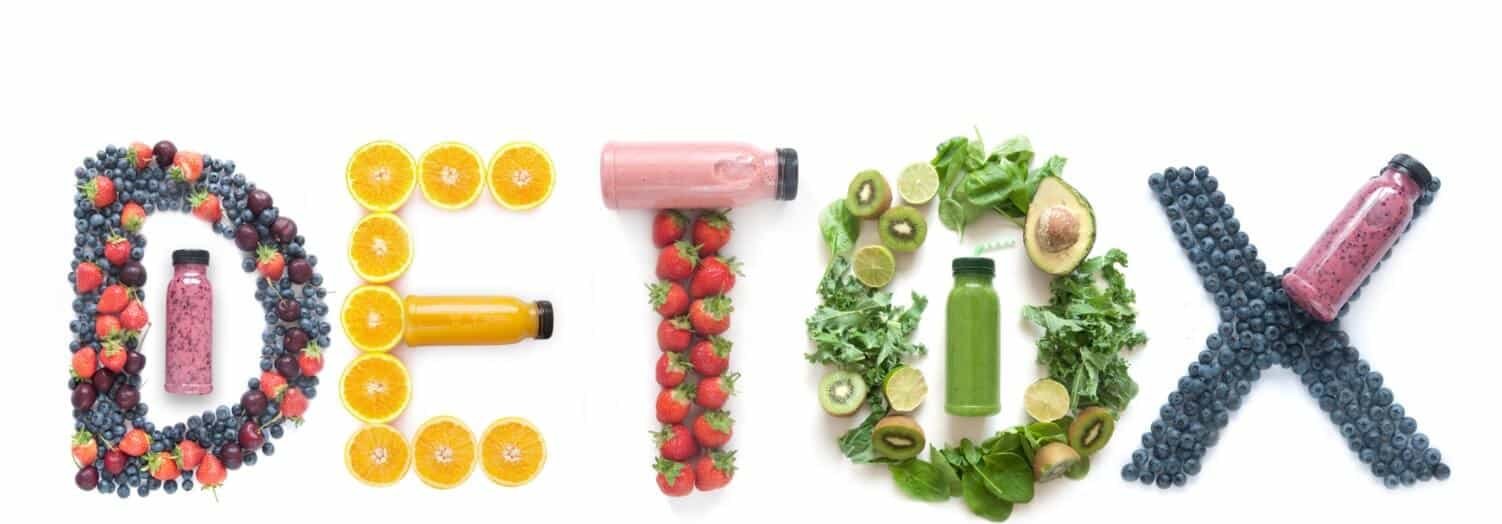
What Is a Detox Cleanse?
Many health experts draw a distinction between cleansing and detoxification, based on the body’s primary functions and available clinical research — and both carry different short- and long-term considerations.
By definition, cleansing refers to an immediate flushing of waste materials that could otherwise interfere with health goals. A true detox, on the other hand, targets negative compounds that have built up in the body over time.
The body already has its own mechanisms for both processes, though supplements are sometimes used to speed things along. Either way, the underlying goal is the same: restoring normal function after it’s been disrupted by foreign substances or harmful dietary elements. The broader awareness around using a detox cleanse to support health goals is a relatively recent development, and while approaches vary widely, they’re all designed around eliminating waste that interferes with optimal body function.
Bottom Line: There’s a real distinction between cleansing and detoxification, reflected in the different goals behind various products and methods. The liver plays the central role in eliminating toxins, and eating the right foods helps support that function.

Benefits of a Healthy Detox Cleanse
The human body is built to adapt quickly and perform well physically — when it falls short of that, accumulated toxins may be part of the reason.
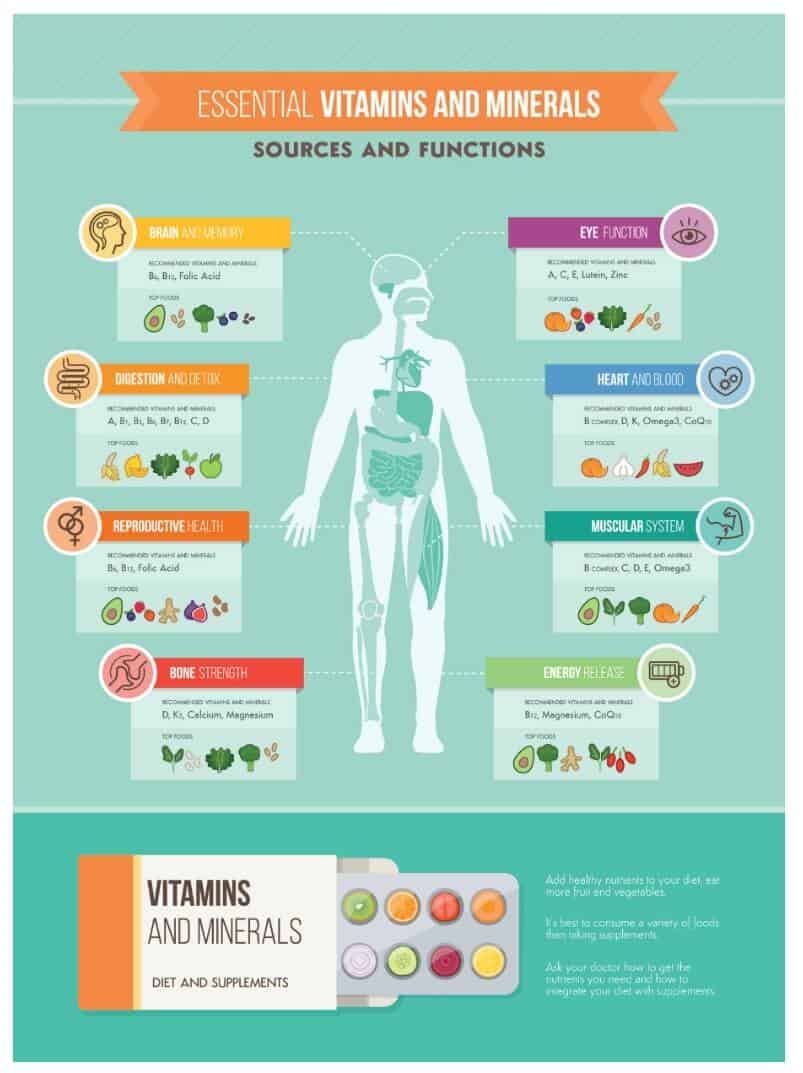
People pursue detox cleanses for a range of goals: maintaining a youthful appearance, building muscle through weightlifting, or preparing the body for major life goals like childbearing. All of these can be undermined by a body weighed down with toxin buildup — a detox is meant to release the body from those constraints, allowing compromised muscular and cellular function to return to normal.
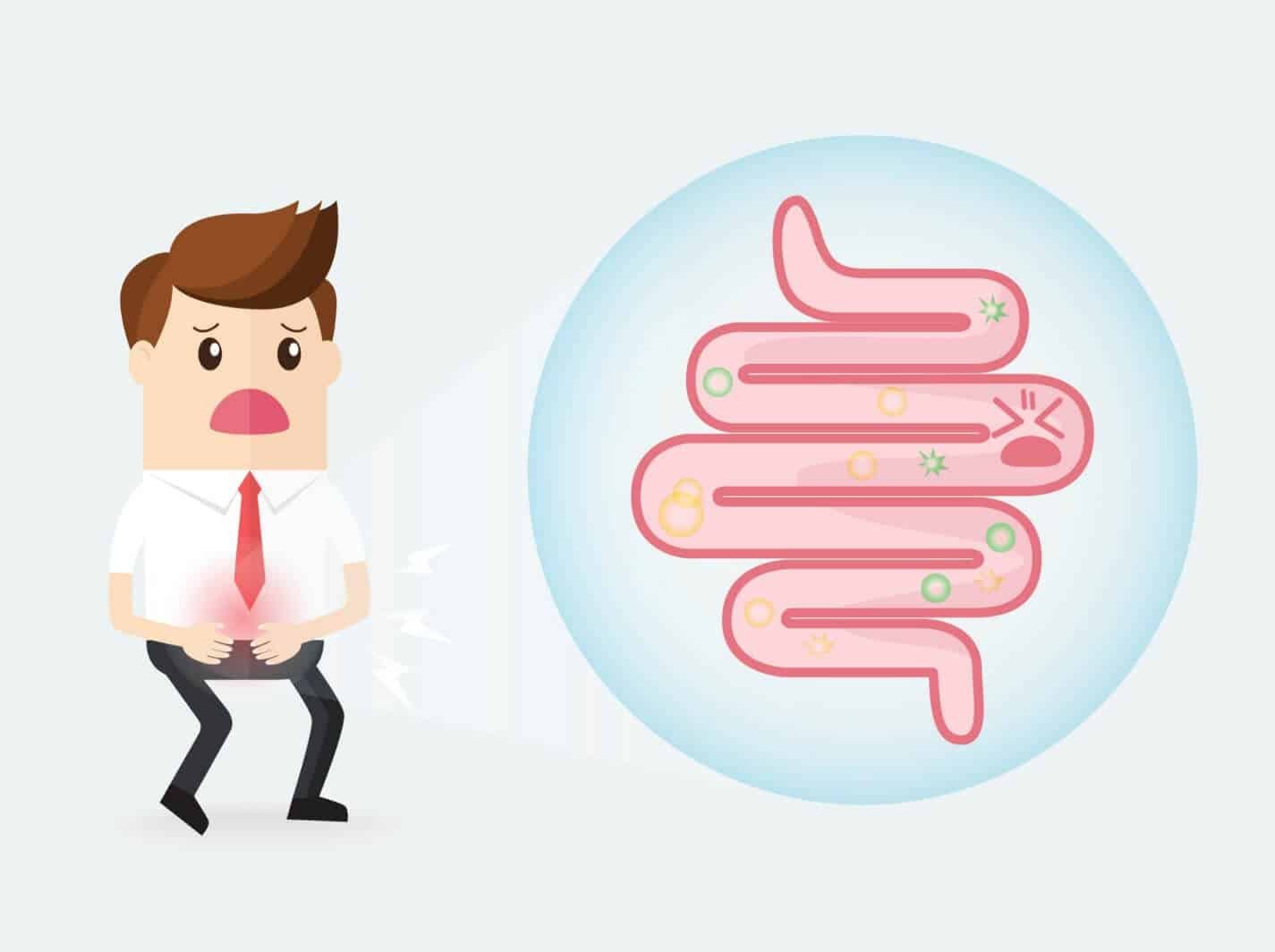
A body burdened by toxin buildup in the digestive tract can be genuinely hard to manage, even when everything else in life is going well. According to Livestrong, detoxing essentially “resets” biological mechanisms, helping the body regain proper function after a cleanse — supporting real progress toward personal physical goals, regardless of age or ability. That freedom can range from a general feeling of lightness and renewed strength to measurable gains in specific athletic or aesthetic goals.
Bottom Line: A detox cleanse can help the body regain proper function and perform at its best across a range of activities.
How Does a Detox Cleanse Work?
Introducing certain dietary changes or supplements triggers a biological refocus, activating receptors designed to eliminate waste — reactions that can range from mild to more intense, depending on the approach.
The human body adapts readily to whatever is introduced into it, incorporating new compounds into its normal functioning over time — though increased tolerance to toxins doesn’t mean those toxins become beneficial. Starting a detox regimen is essentially a choice to return the body to a more normal state, prompting it to eliminate stored compounds that don’t fit its natural function, according to WebMD.
Detoxification tends to happen faster than the slow accumulation of toxins that preceded it — a typical detox requires just 3-7 days of dietary changes and supplement use to be effective. Some natural detox regimens involve eliminating specific foods while adding supplements that encourage elimination; others unfold over several months and aim to build entirely new behavioral patterns. Each approach is ultimately designed to halt further toxin buildup while helping the body use its own natural processes to clear out what’s already accumulated.
Bottom Line: Many types of detox and cleanse systems exist, but all of them require some genuine change in daily habits.
Detox Cleanse Foods and Natural Detox Options
A number of natural foods can support the body’s toxin-clearing process, even though the body already handles much of this work on its own.
Beet Root
A key ingredient in some detox cleanses, beets contain betaine, an amino acid that helps break down fat and may improve body composition.
Ginger Root
Ginger root improves circulation and digestion, and supports the body’s detox process, according to The Alternative Daily. Beyond juicing it or adding it to infused water, fresh ginger root can be steeped into tea or grated into a warm bath.
Vitamin C
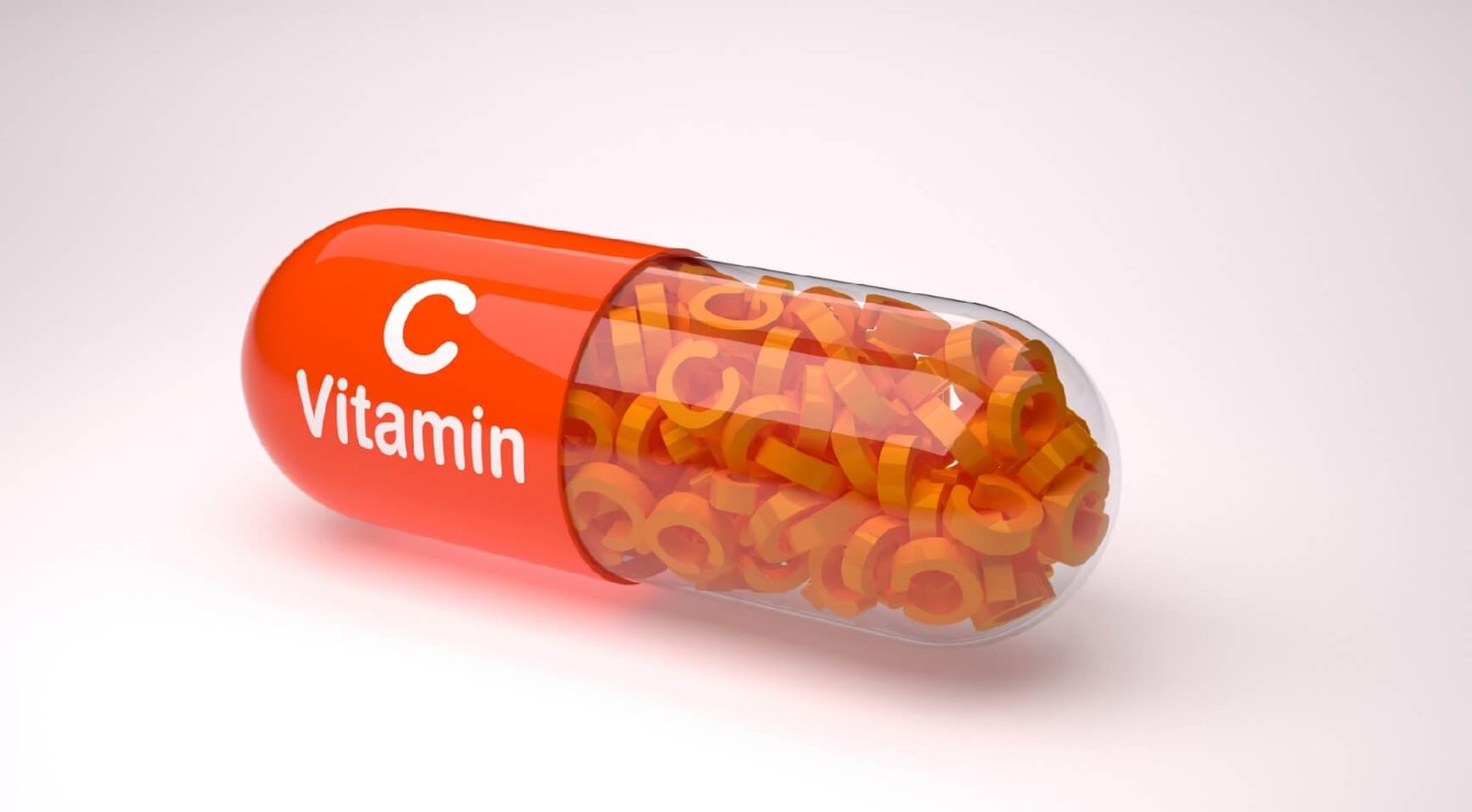
Vitamin C supports numerous bodily processes and is essential for proper liver function, according to a study in Evidence-Based Complementary and Alternative Medicine. Beyond liver support, it also helps boost immunity, per MedlinePlus, making it a genuinely important part of any detox supplement approach.
Parsley
Parsley may support kidney detoxification, according to WebMD.
Hawaiian Spirulina
One of the more popular detox cleanse ingredients, this nutrient-dense superfood is linked to supporting weight loss and balanced blood sugar levels.
Bottom Line: A range of natural ingredients can genuinely support the body’s own detox process.

Is a Detox Cleanse Diet Safe?
Detox cleanses are generally considered safe, though they will likely bring about some noticeable changes in the body. The best detox cleanse for weight loss combines lifestyle changes with the right supplement — but not every approach is risk-free.
According to the National Center for Complementary and Integrative Health, a few detox-related practices carry more risk, including intermittent fasting, detox programs that rely on laxatives, calorie-restrictive diets, and drinking unpasteurized juice.
Bottom Line: A detox cleanse is generally safe, but it’s always worth checking with a physician before starting one.

Detox Cleanse Side Effects
Side effects vary significantly from person to person. While some people experience little to nothing, others may notice flu-like symptoms, nausea, headaches, vomiting, diarrhea, or constipation.
According to Detox and Body Cleanse, there are ways to minimize these side effects — staying well hydrated is the most important, since water helps the body clear waste through urination and sweat. The potential for side effects shouldn’t necessarily discourage you from taking this step toward better health, as the benefits generally outweigh the risks for most people.

The Bottom Line on a Detox Cleanse
There’s no one-size-fits-all answer here — everyone’s body is different. A detox cleanse can genuinely support improved health and, for some, contribute to weight loss. The best detox cleanse for weight loss tends to lean on real foods, like fruits and vegetables, that work equally well as everyday snacks throughout the day.
Explore more Detox reviews and guides on our site.
For general guidance on healthy weight management, see the resources available from the NIH.