10 Habits Science Links to Longevity
Most people intuitively understand that healthy habits affect longevity. What’s less obvious is just how small a role genes actually play — factors like diet and lifestyle influence how long you live far more than genetics alone. Table of content Healthy Habits: Exercise and Remain Physically Active Eating Nuts Plant-Based Foods Don't Eat More Than […]

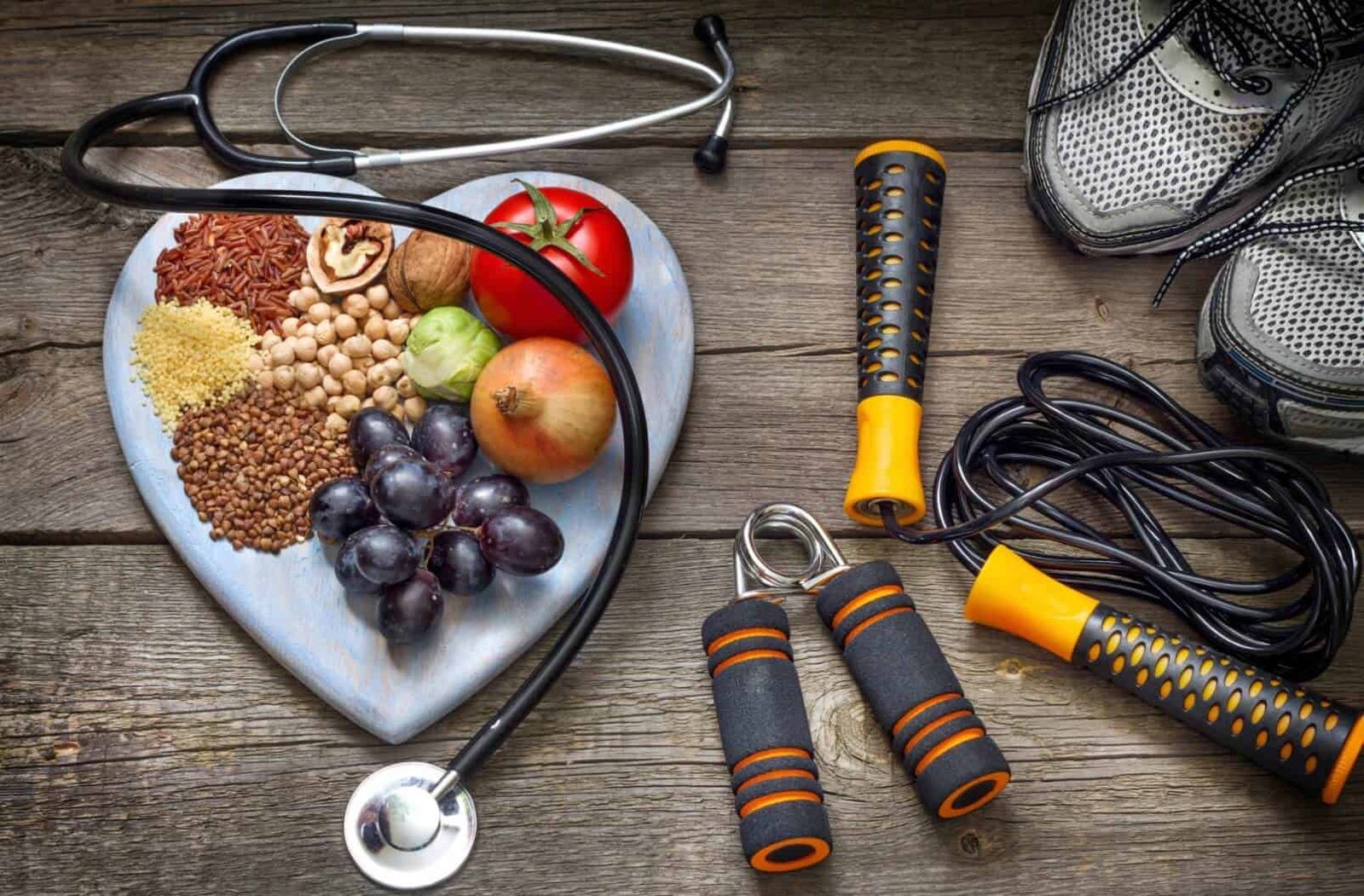
Most people intuitively understand that healthy habits affect longevity. What’s less obvious is just how small a role genes actually play — factors like diet and lifestyle influence how long you live far more than genetics alone.
“If someone wants to lose weight, choosing a diet means you are taking your very first step in the wrong direction. No matter which named diet a person chooses, they have missed the boat on the best option: learning how to eat better forever,” says Georgia Fear, a Registered Dietitian and Sports Nutrition Specialist.
Here are 10 healthy habits genuinely connected to longevity.

Healthy Habits: Exercise and Remain Physically Active
It doesn’t take much to reap the benefits of exercise — as little as 15 minutes a day can add up to three years to the average person’s life, according to The Lancet.
“Yoga can dramatically increase your flexibility and strengthen your core like never before all with minimal joint impact. With dynamic resistance, you constantly engaging muscles which jacks your heart rate up to get the blood to the muscle,” says Dallas Page, owner of DDP Yoga.
Eating Nuts
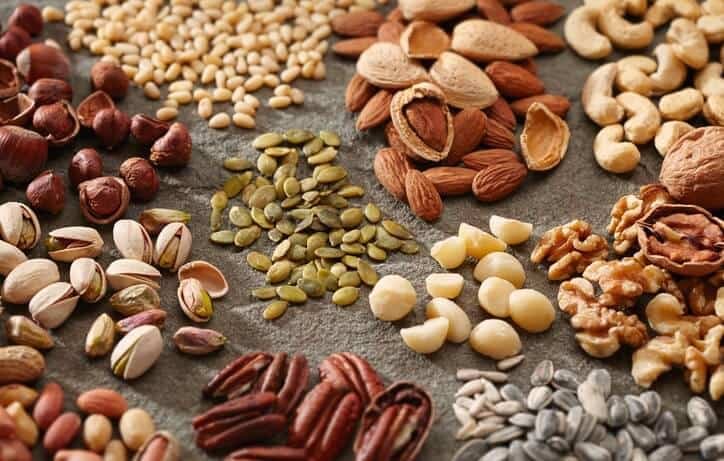
Nuts pack in real nutrition — protein, antioxidants, fiber, and a range of beneficial compounds, according to BBC Good Food. They’re also excellent sources of copper, niacin, magnesium, potassium, folate, and vitamins B6 and E, per the British Journal of Nutrition.
The Last Word: Simply adding a few nuts to your daily diet can support good health and may even boost longevity.
Plant-Based Foods
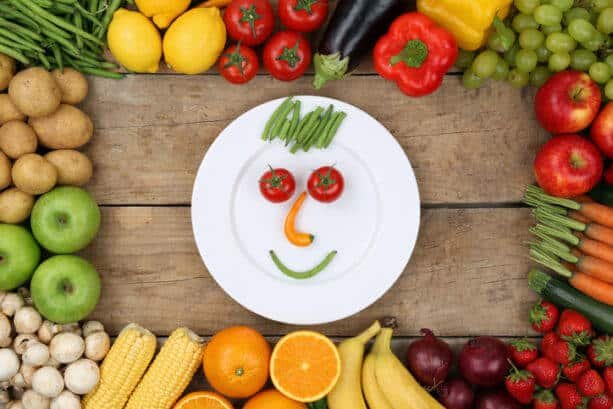
Consuming a wide variety of fruits, nuts, seeds, whole grains, beans, and vegetables may genuinely extend life. Maturitas attributes this to the rich nutrients and antioxidants these foods provide, including folate, vitamin C, polyphenols, and carotenoids.
Other reports from BMC Medicine and Circulation show weaker or no link to the negative health effects tied largely to processed meat consumption. Part of the pattern may also reflect that vegans and vegetarians tend to be more health-conscious generally — but regardless of the exact mechanism, eating an abundance of plant foods is very likely to benefit both health and lifespan.
The Last Word: People who eat plenty of plant-based foods are more likely to live longer and avoid many common health issues.
Don’t Eat More Than You Need
There’s genuine scientific interest in the link between calorie intake and longevity. Research in the Science Journal on animals has shown that reducing calorie consumption by 10-50% may extend maximum lifespan, and studies on human populations known for longevity, per Live Science, The Daily Mail, and The New England Journal of Medicine, have found similar links between lower caloric intake and longer lifespan.
That said, sustained calorie restriction is genuinely difficult to maintain long-term and can bring negative side effects, including low body temperature, increased hunger, and reduced sex drive, according to Molecular Aspects of Medicine. Whether calorie restriction actually extends human lifespan, versus simply slowing aging processes, remains an open question.
The Last Word: Reducing calorie intake may support a longer life and stronger immunity, but more human research is needed to confirm this fully.
Quitting Smoking
It’s never too late to quit. One study found smokers who quit by age 35 could add as much as 8.5 years to their lifespan. Even quitting in your 60s can add nearly four years, according to the American Journal of Public Health and the Archives of Internal Medicine — and benefits show up even for those who quit as late as their 80s.
The Last Word: Putting out that last cigarette can genuinely add years to your life, no matter what age you quit.

Reduce Stress
Stress has a real impact on longevity. “Stress is often referred to as the silent killer and causes many harmful, often overlooked effects, which can introduce pain and strain into your daily activities, including work, school, friendships, relationships and even sleep habits. It can result in physical suffering as well and can manifest as a headache, upset stomach or back pain. Stress can reduce the ability of your immune system to fight off colds and other illnesses the body would normally be able to fend off,” says Dan Buettner, founder of Blue Zones.
“It is possible to be vital and healthy, to feel better about ourselves and to feel attractive in whatever body we inhabit. It is possible to achieve a healthful weight by dumping the diet rules and trusting internal mechanisms, such as hunger, appetite and satiety. The new paradigm – Health at Every Size – champions happiness and health for people of all sizes — and trusting that our bodies know best how to achieve and maintain a healthy weight. Decades of research make it clear: biologic safeguards prevent most people from maintaining weight loss, despite vigilant dieting and exercise. Research also shows that the body has a built-in regulatory system to maintain a healthful weight, if only we’d trust it,” says Linda Bacon, PhD.
Laughter and optimism appear to be two key parts of the solution to daily stress.
The Last Word: “Women in midlife in particular are more susceptible to the negative effects of stress thanks to all else going on with hormones. Quality food and quality exercise become key factors for optimal energy and weight management. A body under stress holds on to weight. It’s a form of self-preservation. When you eat less than the body wants, that’s stress. When you exercise that’s also stress. Even healthy exercise is stress. If you do it with slow progression and you recover between sessions it does make you more resilient but during exercise you’re fighting the desire to be at rest!” says Debra Atkinson, founder of Flipping Fifty.
Advertisement
Turmeric: The Longevity Spice
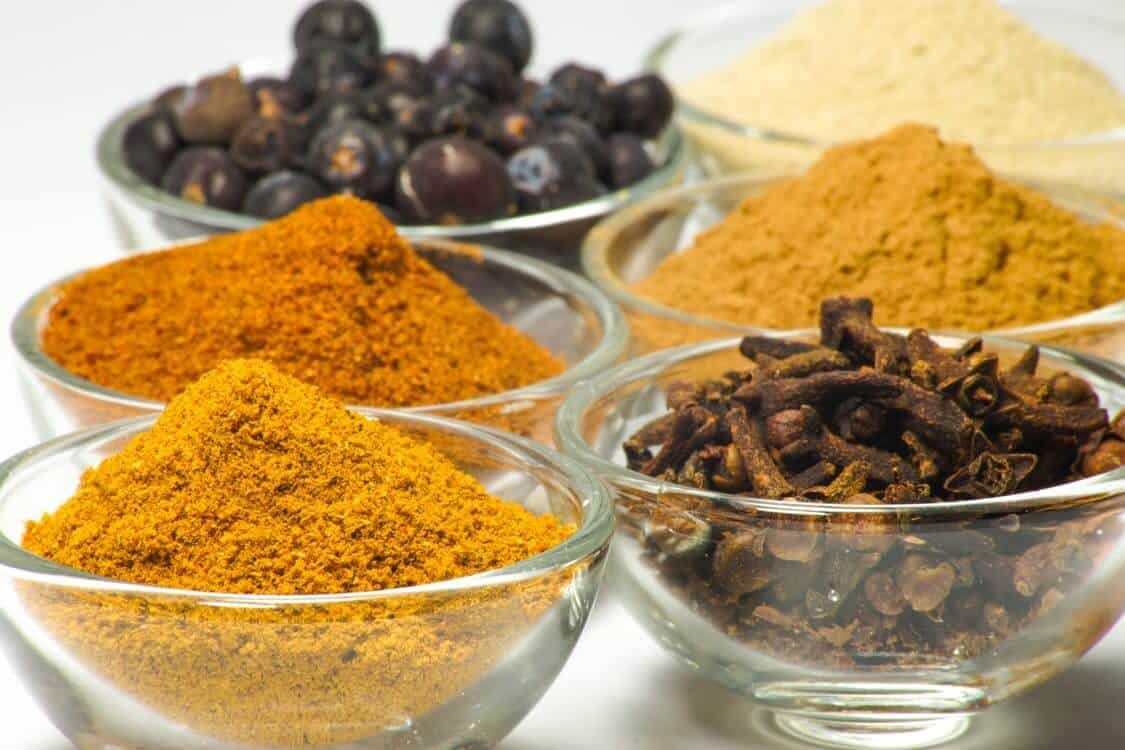
Turmeric is one of the most popular spices associated with anti-aging effects, largely thanks to curcumin, a highly bioactive compound. Curcumin has been linked to increased lifespan in insects and mice, according to studies in BioMed Research International, Biofactors, and the International Journal of Biomedical Science.
These findings haven’t been consistently replicated, and no human studies currently exist to confirm the effect. Even so, turmeric has a long history of safe use in Indian cuisine, and simply adding it to prepared foods is an easy habit to build.
The Last Word: Curcumin, turmeric’s primary bioactive compound, carries both antioxidant and anti-inflammatory properties and has increased lifespan in some animal studies.

Get a Good Night’s Sleep
Sleep is essential for cell function and body repair. Research in Frontiers in Aging Neuroscience links longevity to regular sleep patterns — going to bed and waking at roughly the same time each day.
Sleep duration matters too, with both too little and too much linked to negative outcomes. Researchers believe poor sleep can drive inflammation and increase obesity risk, according to the National Health Service and The Daily Mail — both linked to shorter lifespan.

The Last Word: The healthiest sleep pattern includes 7-8 hours nightly, and building this habit may genuinely extend your lifespan.
Is Moderate Alcohol Consumption a Healthy Habit? Possibly
Wine in particular is believed to offer some benefit thanks to its polyphenol antioxidant content. Moderate drinking is generally defined as 1-2 units or fewer daily for women (max 7/week) and under 3 units daily for men (max 14/week), according to Medical News Today.
Worth noting: there’s no reliable research showing moderate drinking offers meaningfully more benefit than not drinking at all — meaning it isn’t worth taking up drinking purely for the potential health upside if you don’t already drink.
Drink Coffee and Tea
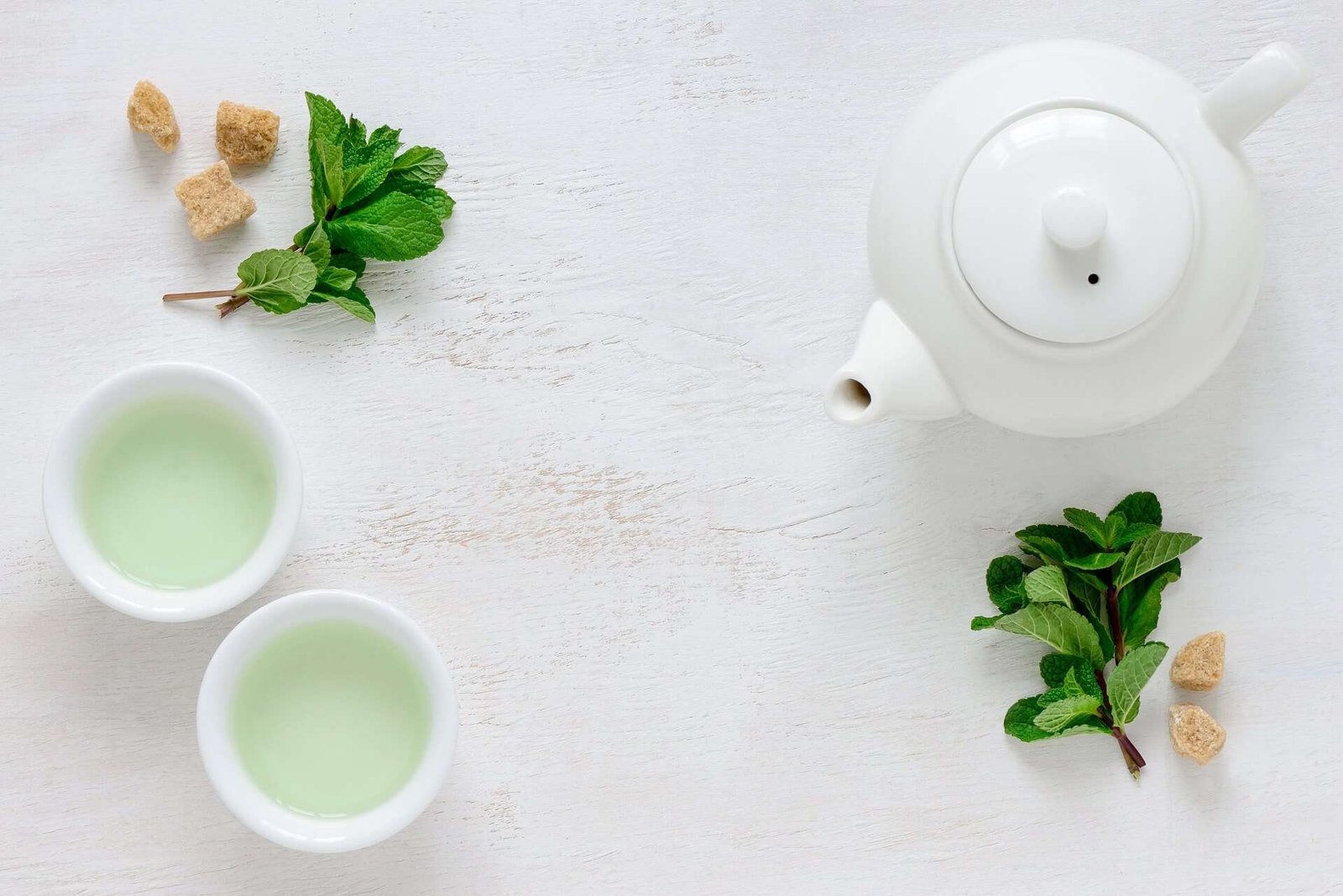
The Last Word: Moderate consumption of both tea and coffee may support healthy aging and a longer life.

Conscientiousness
Being conscientious means being efficient, self-disciplined, organized, and focused on goals. A study in the Journal of Health Psychology followed 1,500 boys and girls into old age, finding that those rated as disciplined, organized, and persistent as children lived 11% longer than their less conscientious peers.
“Losing 1-2 pounds a week is a safe rate of weight loss. The best part of this sustainable weight loss is that it does not require a complete overhaul in your diet. This can be achieved by cutting down about 500 calories a day through simple changes. Swap your salad dressing: Two tablespoons of ranch dressing adds an additional 145 calories and 15 grams of fat. Swapping this for balsamic vinegar (hold the oil) provides only 30 calories and 0 grams of fat. Swap soda for water: One 12-ounce can of soda has 140 calories. Replace it with a glass of ice water or seltzer this has zero calories, making it the ideal choice for hydration. Add slices of citrus fruit, strawberries or cucumber to make the flavor more appealing, which may help you drink more,” says Alyssa Rothschild, RDN, CDN.
“Mindfulness has been found to be effective for dealing with emotional eating and weight loss. Mindful eating is the practice of slowing down, engaging all of your senses, pausing between bites to take breaths, and building awareness of our internal landscape. When we become more aware, we can begin to better understand our emotional triggers and stress response, and shift our behavior to make healthier choices,” says Chrissa Santoro, external communications director and yoga teacher at Omega Institute for Holistic Studies.
Conscientious people tend to take fewer risks, react to stress more constructively, and make more responsible health and career decisions — and conscientiousness itself can be developed at any stage of life, starting with small, consistent steps.
The Last Word: “People always think there is a quick fix: a cleanse, a detox, a smoothie, a shot, etc. The reality is: nutrition change is s-l-o-w. Sustainable habits take months and even years to create and sustain. Nutrition change is changing a little piece of who you are; it’s important to honor that,” says Monica Auslander Moreno, MS, RDN, of Essence Nutrition.
Final Take on Healthy Habits Connected to Longevity
While genetics plays some role in longevity, a substantial part of how long — and how well — you live is still within your control. Building even a few of these habits consistently can make a real, lasting difference.
Explore more Health reviews and guides on our site.
For general guidance on healthy weight management, see the resources available from Mayo Clinic.
Overall, healthy habits remains worth understanding before you decide.
Overall, healthy habits remains worth understanding before you decide.