Metabolism and Weight Loss: How to Boost Metabolism
Why does it seem like some people can eat whatever they want and stay slim, while others gain weight from the smallest indulgence? A lot of it comes down to one thing: metabolism. Table of content Metabolism and Weight Loss: How Does Metabolism Work? Metabolism and Weight Loss Calculating Metabolic Rate for Weight Loss Metabolism […]

Why does it seem like some people can eat whatever they want and stay slim, while others gain weight from the smallest indulgence? A lot of it comes down to one thing: metabolism.
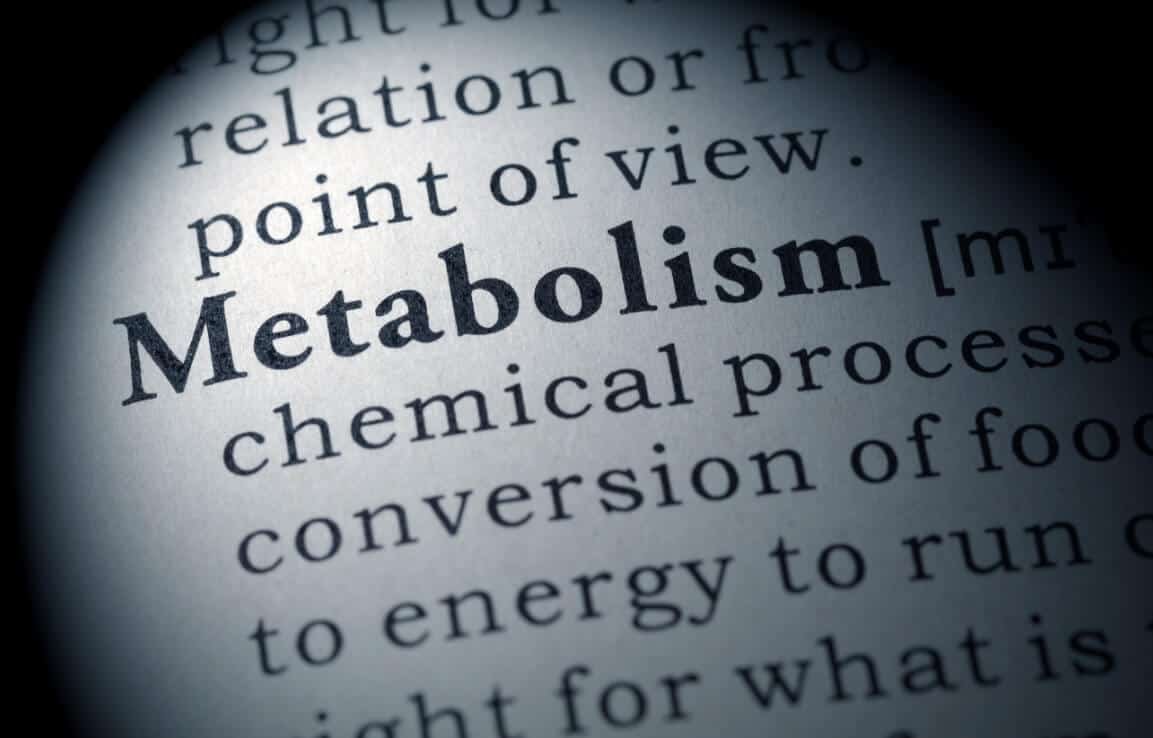
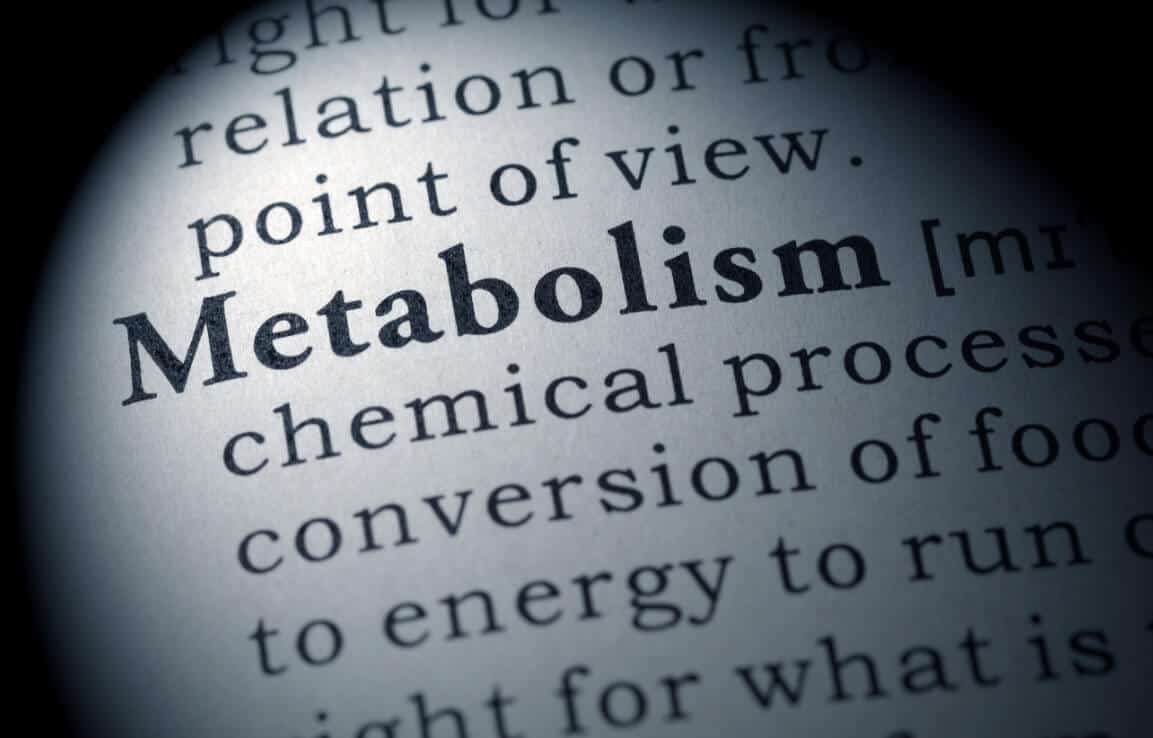
In scientific terms, metabolism is the series of chemical reactions in a living organism that create and break down energy needed for life. In plain terms, it’s simply the rate at which your body converts food into energy — or burns calories.
Some people naturally run a faster metabolism, others a slower one, and that rate genuinely affects how easy or hard it is to reach or maintain a goal weight — though it’s far from the only factor. Here’s how it all works, and what you can actually do to give your body’s calorie-burning capacity a boost.
Metabolism and Weight Loss: How Does Metabolism Work?
Your metabolism is the rate at which your body burns calories, and your total daily energy expenditure (the total calories you burn each day) comes down to three main factors.
First, your body spends significant energy every day just supporting essential functions — breathing, cell growth and repair, hormone signaling. This is your basal metabolic rate, accounting for 60-75% of daily calorie burn, and it happens whether you’re active or spending the day on the couch.
Second, there are calories burned through daily activity — walking, doing laundry, even digesting food — generally totaling 100-800 calories a day depending on how active your routine is.
Third, calories burned through actual exercise, which varies based on duration and intensity — an hour of running burns considerably more than a 20-minute brisk walk.
Metabolism and Weight Loss
Your metabolic rate determines how much energy your body burns daily, and everyone’s rate is different. A slower metabolism can mean gaining weight more easily or needing to work harder to lose it, while a faster metabolism can make it easier to stay lean — or even hard to gain weight.
Several factors determine metabolic speed:
Genetics
Traits inherited from your parents and grandparents play a real role in whether you’re naturally lean, in the middle, or on the heavier side.
Body Size
Larger bodies burn more energy than smaller ones, even at rest.
Body Composition
Muscle tissue burns more calories than fat tissue, so more muscle mass means a higher metabolic rate.
Gender
Men tend to be larger and more muscular on average, which typically means a faster metabolism.
Age
According to the National Institutes of Health, metabolism naturally slows with age, largely due to declining muscle mass.
Unless you’re young, muscular, and genetically lucky, this might sound discouraging — but it isn’t the full picture. Lifestyle habits, including diet and exercise, have a significant impact on the scale regardless of your starting metabolism. That means a healthy weight is still achievable even with a slower metabolism — it may just take more consistent effort to get there and stay there. The reverse holds too: even people with naturally fast metabolisms generally can’t eat without limits and expect to stay lean forever, especially as they age.

Calculating Metabolic Rate for Weight Loss
Everyone’s metabolic rate is a little different, according to Medicine and Science in Sports and Exercise, but having a rough estimate of your daily energy expenditure helps determine how many calories you actually need — and how much of a cut is required to lose weight. You can estimate metabolic rate with this formula:
Men
9.99 × WEIGHT (kg) + 6.25 × HEIGHT (cm) − 4.92 × AGE + 5
Women
9.99 × WEIGHT (kg) + 6.25 × HEIGHT (cm) − 4.92 × AGE − 161
Or, if the math feels like a headache, an online metabolic rate calculator handles it just as well.

Metabolism and Weight Loss: How to Boost Metabolism
Eating well and exercising regularly remain the two most important tools for reaching or maintaining a goal weight. For an extra edge, a few additional steps can help boost metabolism, according to the National Library of Medicine — on their own they won’t move the needle much, but combined with a solid diet and exercise routine, they add up.
1. Pump Some Iron
Adding resistance exercise builds lean muscle tissue, and since muscle burns roughly three times more energy than fat, more of it means a faster metabolic rate. No need to aim for bodybuilder status — two strength-training sessions a week is a solid starting point.
2. Eat Enough Protein
Aim for a serving of lean protein — 3-4 ounces of lean meat, a cup of plain Greek yogurt, or half a cup of beans — at each meal. Protein is the building block of muscle, helping preserve lean mass, especially after resistance training. It also requires slightly more energy to digest than carbs or fat, which is part of why research links high-protein diets (around 30% of calories) to greater fat loss than high-carb diets.
3. Eat More Whole Grains
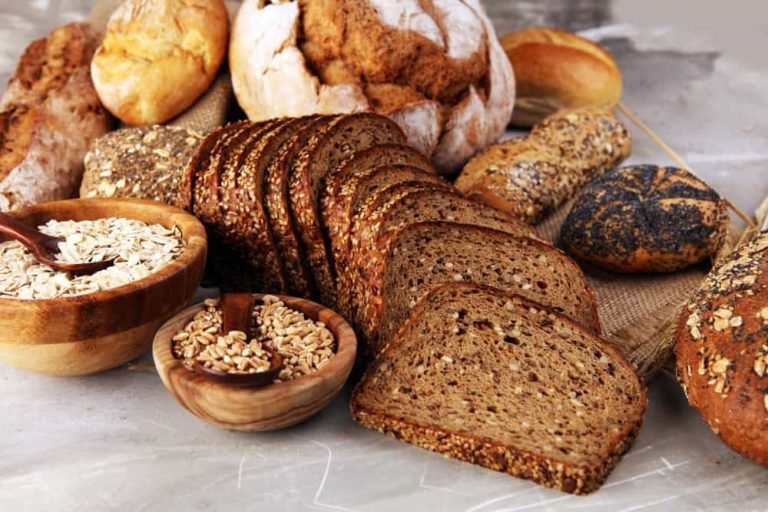
Choosing whole wheat bread or pasta, brown rice, or quinoa over refined versions could help the body burn nearly 100 more calories daily, according to a Tufts University study — since whole grains are rich in fiber, which the body expends real energy trying to digest (though it never fully succeeds, since fiber passes through mostly unabsorbed). Fruits, vegetables, beans, legumes, nuts, and seeds are all good fiber sources too.
4. Drink Enough Water
Dehydration slows essential body functions, including metabolic rate, which can drop by around 3%. Drinking water, on the other hand, gives metabolism a temporary boost — one Journal of Clinical Endocrinology and Metabolism study found that drinking two cups of water temporarily boosted participants’ metabolism by as much as 30%.
5. Fidget More
Small movements like bouncing your leg or twiddling your thumbs don’t count as exercise, but they genuinely add up over a day. Mayo Clinic researchers found slim subjects burned around 350 more calories daily than obese subjects purely from fidgeting.
6. Get Enough Sleep
Skimping on sleep doesn’t just leave you feeling worn out — it can interfere with calorie burn too. The relationship between sleep and weight is complex, but research shows sleep deprivation triggers hormonal changes that can slow calorie burning. Aim for 7-8 hours nightly.

The Bottom Line on Metabolism and Weight Loss
Plenty of factors influence your metabolic rate and, in turn, how easy or difficult weight loss might be. Some, like age and genetics, are outside your control. But there’s still real room to boost your body’s calorie-burning ability — building lean muscle, choosing the right foods, staying hydrated, and getting enough sleep all genuinely help. Still, the cornerstones of any weight-loss plan remain eating less and moving more — burning more calories than you take in is, and will always be, the ultimate key to weight-loss success.
Explore more Health Articles reviews and guides on our site.
For general guidance on healthy weight management, see the resources available from the CDC.