17 Best Foods for Losing Weight (Without Going Hungry)
Picking the best foods for losing weight is about a lot more than simply counting calories. It’s just as important to look at the nutritional value of what you’re eating and how it fits your specific needs. You can genuinely eat well without starving yourself or sacrificing flavor. Table of content Is Salmon Good for […]

Picking the best foods for losing weight is about a lot more than simply counting calories. It’s just as important to look at the nutritional value of what you’re eating and how it fits your specific needs. You can genuinely eat well without starving yourself or sacrificing flavor.
These 17 best foods for losing weight are low in calories, healthy, and — best of all — genuinely filling.
Is Salmon Good for Weight Loss?
According to Food and Chemical Toxicology and the Science Journal, salmon genuinely supports weight loss. It’s one of the best foods for losing weight, and a solid portion can keep you full for hours. Nutritionally, salmon delivers a significant amount of protein and healthy fat (see Self Nutrition Data).
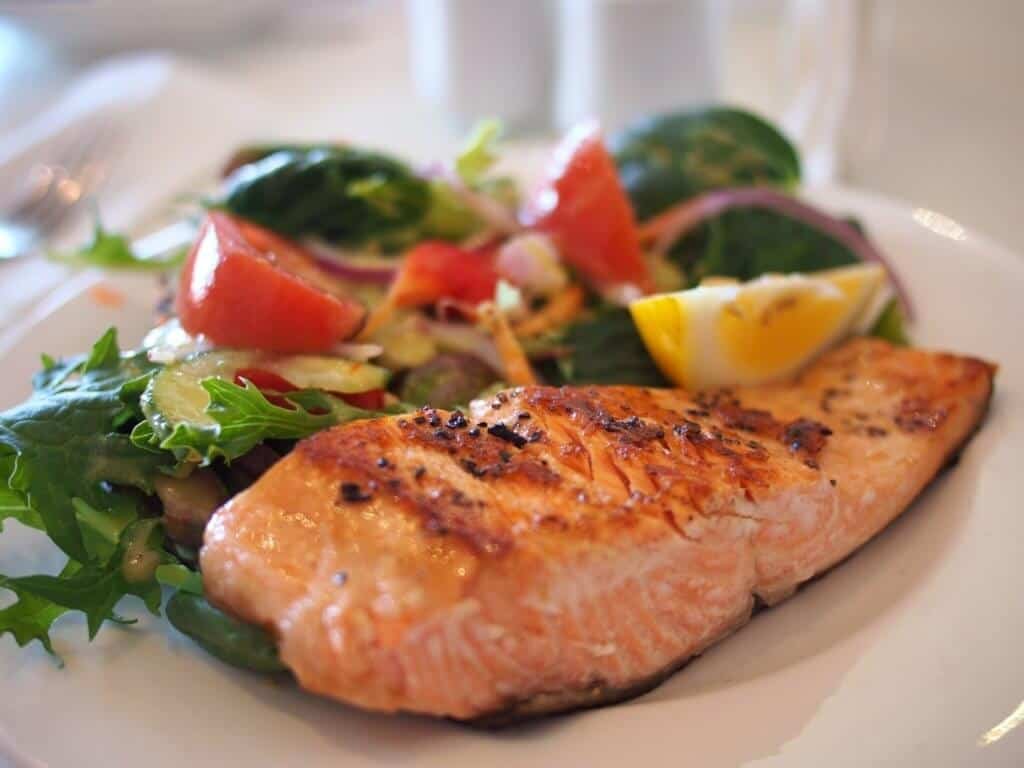
It’s also a lesser-known but genuinely strong source of iodine, according to research in the Annals of the National Institute of Hygiene. Iodine is essential for proper thyroid function, according to Alternative Medicine Review, WebMD, and Medical News Today, and plenty of people simply don’t get enough of it. A plate of salmon is a genuinely easy way to close that gap.
Salmon is also loaded with omega-3 fatty acids, which help ease inflammation and support weight management, according to WebMD, The Journal of Clinical Investigation, and Nutrition Reviews.
Summary: If you want the benefits of fish and healthy fats but want to switch up the flavor, trout, mackerel, herring, and sardines are all healthy, great-tasting options.
Boiled Potato for Weight Loss
Plenty of people cut back on starchy foods and avoid white potatoes altogether, but they’re actually packed with nutrients that make them a genuinely solid choice for weight loss. According to WebMD, Medical News Today, Self Nutrition Data, and SFGate, white potatoes are actually one of the best food sources of potassium available, and a lot of people run genuinely low on this mineral. A simple boiled potato closes that gap easily.
What makes boiled potato specifically stand out as one of the best foods for losing weight is just how versatile it is to prepare — and it ranks higher on the European Journal of Clinical Nutrition’s Satiety Index than any other food tested.
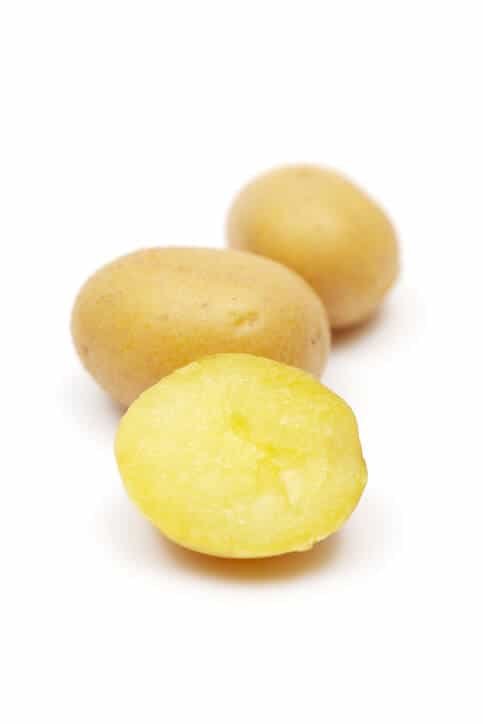
That means a boiled potato keeps you feeling full for a genuinely long stretch, which helps curb overall intake and supports weight management. The key is letting the potatoes cool after boiling — that’s when they form resistant starch, a compound with real weight-loss benefits (see Critical Reviews in Food Science and Nutrition, Journal of AOAC International, Advances in Nutrition, and the British Nutrition Bulletin). Mixing in other root vegetables like sweet potatoes and turnips keeps things interesting.
Summary: Boiled potato is a genuinely smart weight-loss food — just keep portions in check, since overdoing it can still lead to weight gain.
Is Cottage Cheese Healthy?
Cottage cheese is a longtime favorite among people managing their weight, and for good reason — it’s healthy, tasty, and genuinely filling. Like most dairy, it’s an excellent source of protein, but what sets it apart is its protein-to-fat ratio — it’s naturally low in both fat and carbs, according to SFGate, Self Nutrition Data, and WebMD. It also delivers a real calcium boost, which strengthens bones and teeth — a genuine benefit given how many adults fall short on calcium, per the Eunice Kennedy Shriver National Institute of Child Health and Human Development and SFGate.
Summary: Cottage cheese leaves you genuinely satisfied, making it a smart snack choice — you feel full for far fewer calories than most junk food alternatives.
Health Benefits of Whole Grains
People following high-fat, low-carb diets often steer clear of grains, but that doesn’t mean whole grains lack real health value. According to The Journal of Nutrition, Critical Reviews in Food Science and Nutrition, and WebMD, grains offer plenty of genuine nutritional benefit. Quinoa, brown rice, and oats in particular combine fiber and protein in a way that genuinely supports weight loss.
Oats specifically are rich in beta-glucans — soluble fibers that support metabolic health and promote fullness. Combined with their resistant starch content, grains earn a legitimate spot among the best foods for losing weight (see WebMD and research in the Journal of Hematology & Oncology, Minerva Medica, and Medicina).
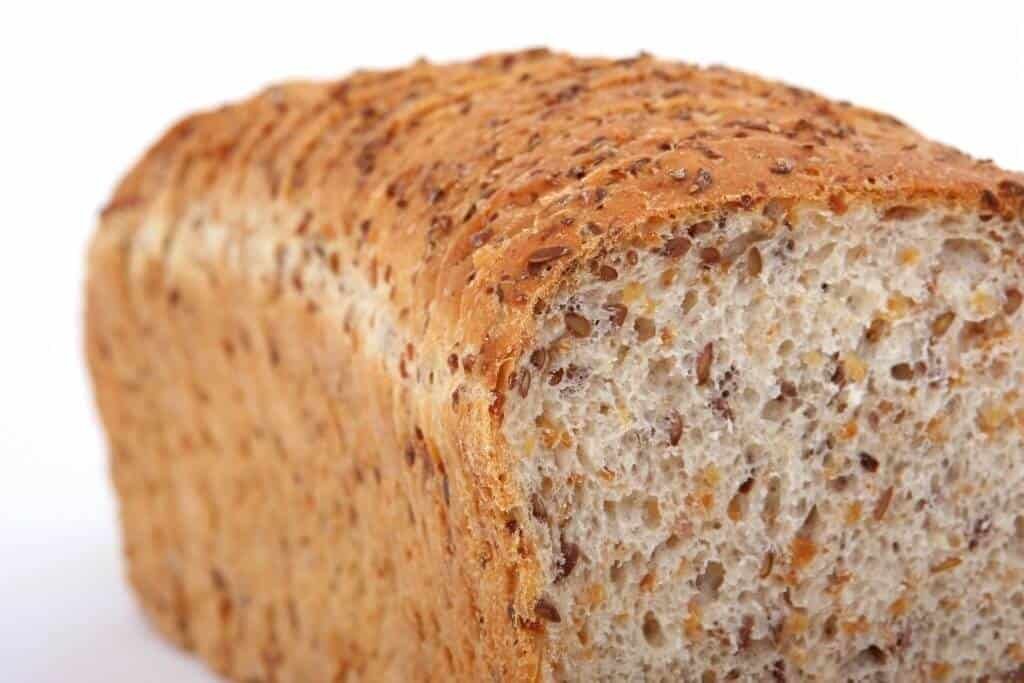
The distinction that matters here is whole versus refined — plenty of products labeled “whole grain” are really just processed junk food dressed up with a health claim, offering high calories and little real nutritional value.
Summary: Anyone on a strict no-carb diet might reasonably skip grains, but for most people, genuine whole grains are a healthy, filling choice worth including.
Grapefruit Benefits
Grapefruit earns a spot on this list for good reason — multiple studies, including research in the Journal of Medicinal Food, have documented its genuine benefits for weight loss. It’s low in calories, high in fiber, and lower in carbs than a lot of other fruit — a genuinely solid fit for a weight-loss-focused diet.
In one study, researchers had participants with obesity eat half a grapefruit before meals for twelve weeks, and the group lost an average of 3.5 pounds over that period, along with a measurable reduction in insulin resistance.
Summary: Grapefruit’s tangy flavor before a meal genuinely supports satiety, helping you feel full sooner and naturally eat less.
Is Yogurt One of the Best Foods for Losing Weight?
If dairy is your thing, full-fat yogurt is genuinely worth adding. Like other dairy products, it’s rich in calcium and protein (see SFGate and studies in the Journal of Human Nutrition and Dietetics, British Journal of Nutrition, and Current Nutrition Reports).
What makes full-fat yogurt particularly notable is its high level of probiotic bacteria, which may help gut function, according to Medical Daily, Therapeutic Advances in Gastroenterology, and the Journal of Food Science and Technology.
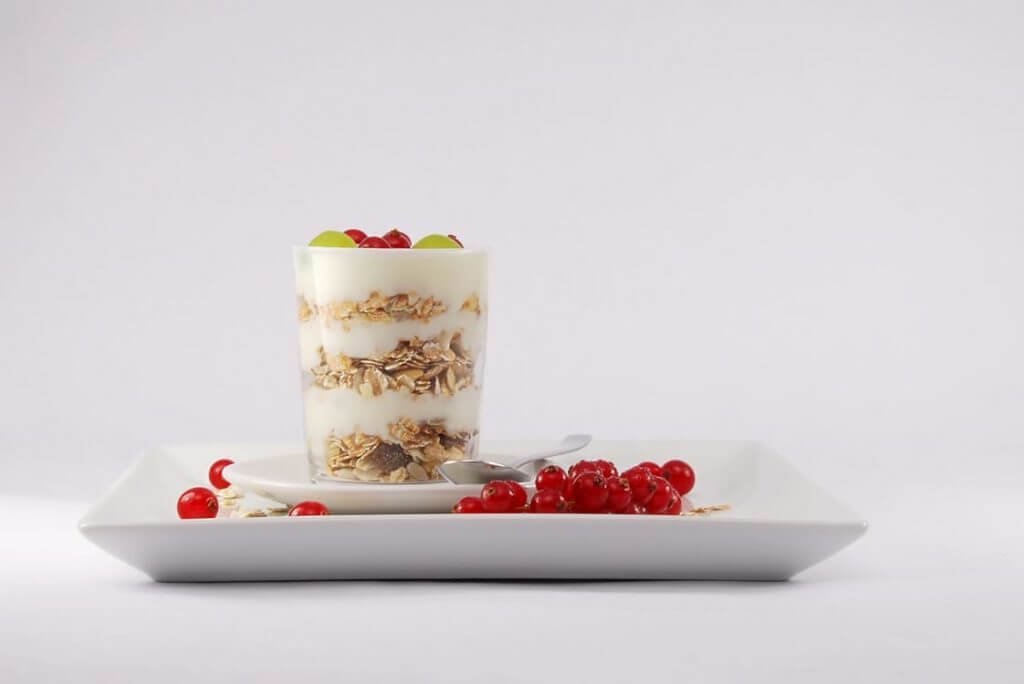
Gut health matters here because a healthy gut helps protect against inflammation and leptin resistance (see the British Medical Journal, Diabetes, Endocrinology, Current Opinion in Clinical Nutrition & Metabolic Care, and Nutrients). Leptin is the hormone that regulates appetite — when the body becomes resistant to it, the brain signals hunger even when you’re genuinely full, a pattern tied to obesity, according to the Annual Review of Physiology, Obesity Reviews, Clinical Interventions in Aging, and Obesity.
Summary: Yes, yogurt genuinely supports weight goals — just choose full-fat over low-fat, since research links full-fat yogurt to lower obesity risk, while low-fat versions are often loaded with added sugar.
Beans and Legumes: The Fiber Appetite Suppressant
Beans and legumes rank among the best foods for losing weight. Lentils, black beans, and kidney beans are all genuinely high in protein and fiber, both of which promote fullness, according to SFGate and Self Nutrition Data. They also carry a solid amount of resistant starch. The main thing to get right is proper preparation — once that’s dialed in, legumes and beans are filling, flavorful, and versatile enough to anchor countless dishes.
Summary: Beans and legumes function as a natural fiber-based appetite suppressant, similar to Metamucil or Benefiber, while delivering genuine protein that helps fight hunger.
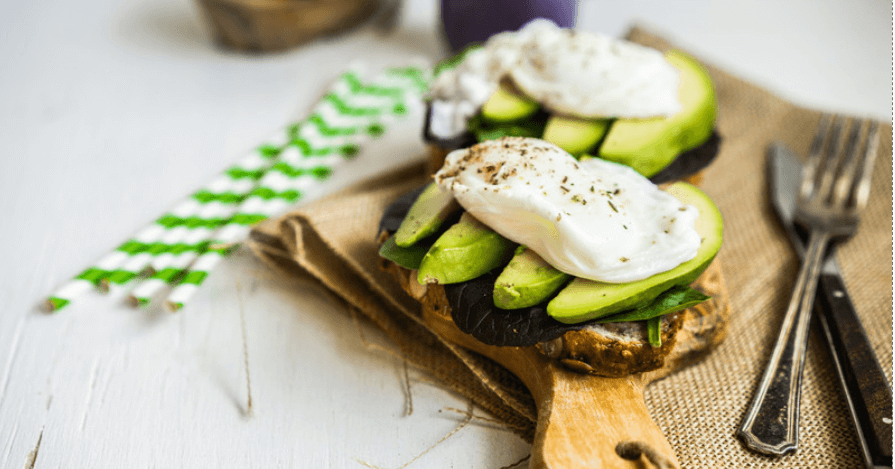
Benefits of Avocados
Few foods are as beloved among health-conscious eaters as avocados — great taste, relatively low in carbs, and loaded with the right kinds of fat. They’re rich in monounsaturated oleic acid, according to the Journal of the American Heart Association and Diabetes Care — the same fat found in olive oil, and avocado oil is itself a healthy option for cooking.
While avocados run higher in fat content, they’re also high in water, which keeps the actual fat density from being as concentrated as it might seem. They’re also endlessly versatile — toss them in a salad, top a bunless burger, stuff them in a wrap, or blend into guacamole.
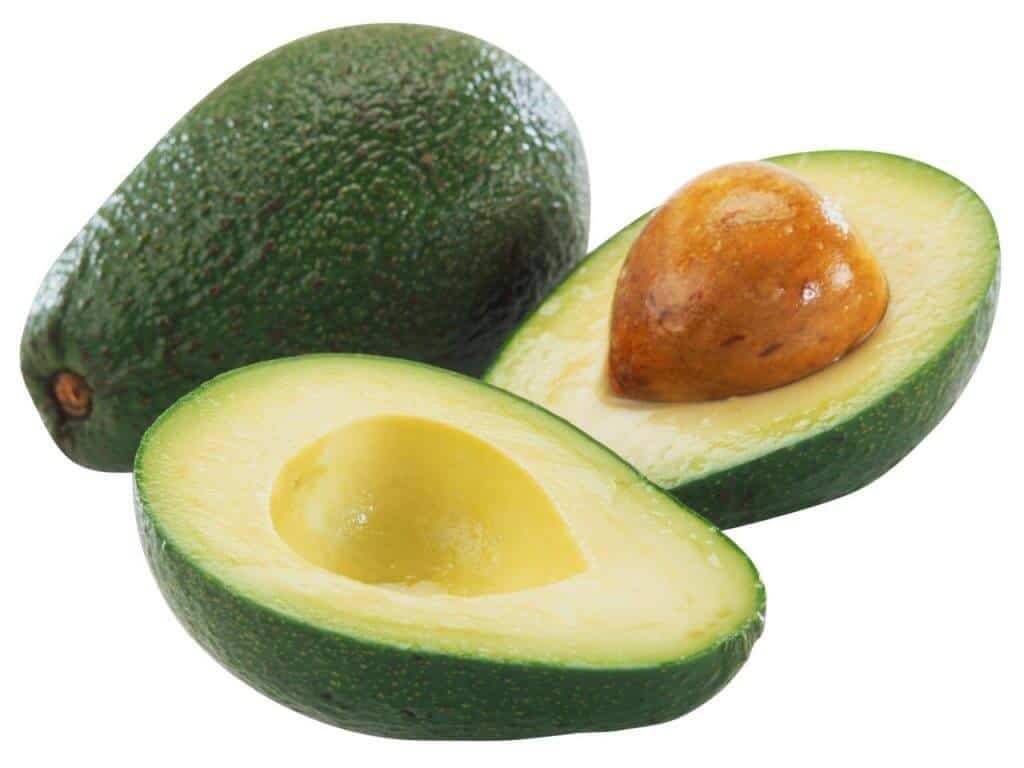
They’re just as good on their own — crack one open, add a bit of salt or spice, and eat straight from the shell with a spoon for a quick, satisfying snack.
Summary: Avocados deliver healthy fat with genuinely great taste, working across countless recipes and even standing in for meat in some dishes.
Diet Soup and Hunger
The best foods for losing weight often share one trait: low energy density, meaning they fill you up without packing in a lot of calories, according to The Mayo Clinic. Foods with high water content — fruits, vegetables, and soups — typically fit this category well.
Soup genuinely helps reduce overall calorie intake, and plenty of favorite dishes translate easily into soup form — chicken soup, meatball soup, and countless others. A well-seasoned soup, built with the right spices, can be a genuinely satisfying meal, and loading it up with vegetables and lean meat makes for a warming, filling comfort food.
Summary: Soup’s high water content fills you up quickly, but watch out for canned or packaged versions — they’re often loaded with sodium and calories that undercut the benefits of a homemade batch.
Lean Beef and Chicken Breast
Meat took a reputational hit among health-conscious eaters for a while, but there’s genuinely no reason to avoid it — meat itself is good for you; it’s processed meat, loaded with additives and sodium, that’s the real problem.
Fresh red meat and chicken are an entirely different story, delivering real protein and healthy fat, according to Self Nutrition Data and SFGate. That high protein content makes meat one of the best foods for weight loss, since protein is the most satiating nutrient available and can help burn as many as 100 extra calories a day.
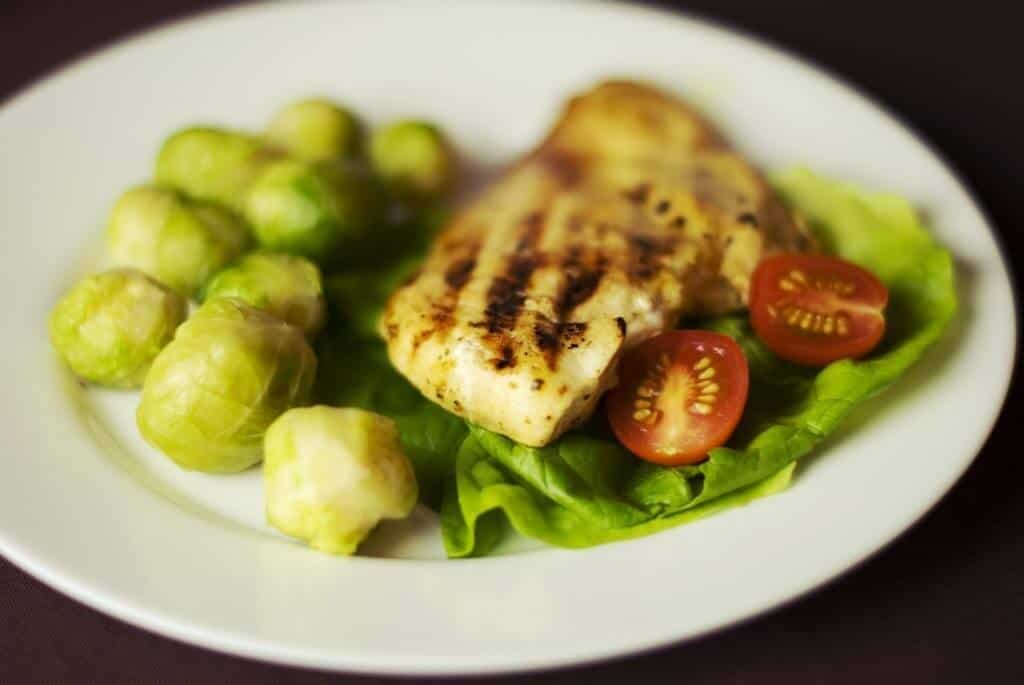
According to The American Journal of Clinical Nutrition and Obesity, boosting protein intake by 25-30% can cut food cravings by roughly 60% and late-night eating urges by as much as 50% — with a realistic pound-a-week weight-loss pace achievable for many people who make the shift.
Summary: Eating reasonable portions of lean meat is genuinely one of the best things you can do for your body, and on a low-carb plan like the Atkins 20 or Atkins 40 Diet, even fattier cuts can fit in.
Tuna: Is Fish Healthy?
Tuna is high in protein, low in calories, and light on fat — part of why it’s such a favorite among bodybuilders and fitness models. It’s a genuinely efficient protein source with minimal calorie or fat baggage attached (see Self Nutrition Data).
“Tuna is a superfood full of Omega 3s, numerous vitamins and all nine essential amino acids. Research shows that nutrients in tuna are good for the heart, skin, hair, and brain development. Who doesn’t want to be smarter, stronger and sexier. If you are concerned about mercury, Safe Catch tests every single tuna for mercury (no other brand does). Safe Catch also uses a special technique to raw pack sushi grade steaks and slow cook them just once to retain all the vital nutrients and Omega 3s,” says Bryan Boches, co-founder of Safe Catch.
One thing worth flagging: albacore tuna carries meaningfully higher mercury levels than other varieties. Research in Environmental Research found average mercury in albacore at .407 ppm, compared to .118 ppm in traditional canned tuna.
Summary: Tuna canned in water is a smart way to boost protein intake — skip the oil-packed varieties, since the oil mixes with tuna’s natural fat, and valuable omega-3s end up getting drained away with it.
Chili Peppers for Weight Loss
Chili peppers are zesty, hearty, and genuinely one of the best foods for losing weight. They’re rich in capsaicin, a compound shown to curb appetite and support fat burning (see studies from the Journal of Medicinal Food, Open Heart, and the British Journal of Nutrition).
Capsaicin is sold as a standalone supplement too, but it’s most commonly used simply as a spice in weight-loss-friendly cooking. Research in Physiology & Behavior found that a single gram of red chili pepper has a measurable positive effect on both appetite and fat burning — though the body does build some tolerance over time, meaning regular spicy-food eaters see less of an appetite-suppressing benefit than occasional ones.
Summary: Chili peppers remain one of the best natural sources of capsaicin, which helps the body burn fat more effectively.
Chia Seeds and Weight Loss
Chia seeds carry a real list of health benefits. They do contain a fair number of carbs (12 grams per ounce), but 11 of those grams come from fiber (see Self Nutrition Data), making them a smart choice even on a low-carb plan, and one of the best fiber sources available anywhere.
Chia seeds’ standout trait is their ability to absorb water and expand — up to 12 times their weight, forming a gel-like texture.
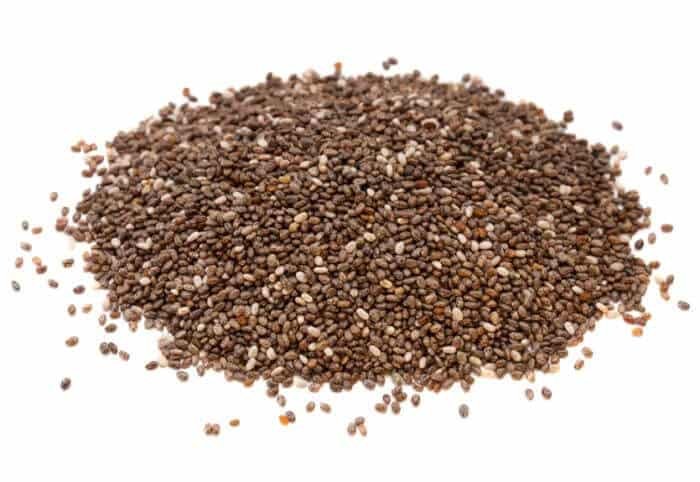
That expansion makes them genuinely useful for cutting appetite when you’re trying to eat less.
Summary: Chia seeds’ ability to curb appetite, paired with their high fiber content, makes them an essential addition to any weight-loss food list.
Fiber in Fruit and Weight Loss
Fruit contains natural sugar, but it’s still genuinely good for you and ranks among the best foods for losing weight. Research in The American Journal of Clinical Nutrition and Vopr Pitan shows most fruit is loaded with vitamin C, and eating several servings a day tends to naturally crowd out less healthy snack choices.
Fruit generally carries low energy density — fewer calories per serving than a lot of other foods — and the time it takes to chew keeps overall calorie intake lower throughout the day. The fiber content also helps blunt sugar’s impact by slowing how quickly it enters the bloodstream.
Summary: Fruit is a great choice for most people — those on a strict low-carb or ketogenic plan may want to moderate intake, but otherwise, fruit is a genuinely tasty way to support weight loss.
Health Benefits of Coconut Oil
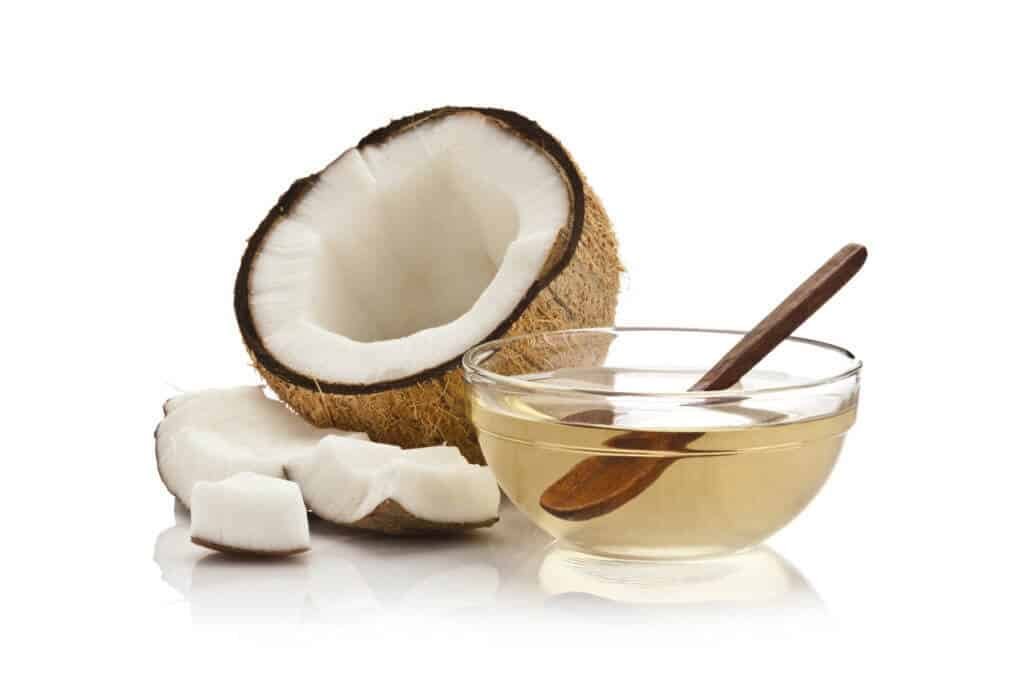
Contrary to popular belief, not all fat is bad — coconut oil is rich in medium-chain triglycerides, a type of fat the body processes differently from most others. Compared to other fats, MCTs boost satiety and support the body’s calorie-burning capacity, according to research in the European Journal of Clinical Nutrition and the International Journal of Obesity and Related Metabolic Disorders.
A number of studies have examined the broader health benefits of coconut oil, including evidence it may help reduce belly fat specifically. It still carries calories like any fat, so the goal isn’t to add it on top of your usual cooking oils, but to use it as a genuine swap for less healthy oils.
Extra virgin olive oil is another solid rotation option if you like varying your cooking oils.
Summary: Coconut oil is often misunderstood — yes, it contains saturated fat, but its documented health benefits make it a genuinely worthwhile addition to a weight-loss-focused diet.
Benefits of Leafy Greens
Craving something fresh and energizing? Leafy greens like spinach, collards, and kale are exactly what to reach for. Few foods beat the benefits of leafy greens for weight management — they’re low in carbs and calories while packing in real fiber. Products like Juice Plus and Superbeets are sometimes used as a supplemental stand-in for leafy vegetables, though whole greens remain the gold standard.
Adding leafy greens bulks up meals without adding meaningful calories, and building meals around plenty of low energy density foods is a genuinely key strategy for eating fewer calories overall. Leafy greens also deliver a strong dose of vitamins and antioxidants, and many carry substantial calcium — a nutrient with real documented weight-loss benefits, according to research from Purdue University’s Department of Foods and Nutrition.
Summary: Leafy greens don’t always get the credit they deserve nutritionally — they’re a genuinely excellent source of fiber, vitamins, and antioxidants, all supporting overall health.
Nuts: One of the Best Foods for Losing Weight
Almonds, walnuts, pistachios, cashews — nuts run high in fat but aren’t inherently fattening, since it’s largely healthy fat paired with genuine fiber and protein. According to the International Journal of Obesity and Related Metabolic Disorders and The Journal of Nutrition, nuts genuinely support a healthy metabolism and weight loss.
As with any calorie-dense food, moderation matters — nuts are best treated as a light snack or a topping for yogurt rather than eaten by the handful without limit.
Summary: Nuts and weight loss genuinely go hand-in-hand, delivering healthy fat, fiber, and protein that support both good health and lasting fullness.
Final Thoughts on the Best Foods for Weight Loss
Some aspects of losing weight are genuinely challenging, but eating well doesn’t have to be one of them. As this list makes clear, there’s no shortage of delicious foods that genuinely support weight-loss results — enough variety to try something new nearly every day of the week. Mix and match according to your own tastes, and build a rotation that actually feels sustainable long-term.
Overall, best foods for losing weight remains worth understanding before you decide.
Overall, best foods for losing weight remains worth understanding before you decide.