10 Nutritional Facts Approved by (Almost) Everyone
New nutrition studies come out every month, but how much of what actually circulates is genuinely reliable? Some findings hold up well; others don’t. Below are ten nutritional facts that hold up broadly across the research. Advertisement Table of content Nutritional Facts About Drinking Coffee and Tea Added Sugar Leads to Fat Increase Protein to […]


New nutrition studies come out every month, but how much of what actually circulates is genuinely reliable? Some findings hold up well; others don’t. Below are ten nutritional facts that hold up broadly across the research.

Nutritional Facts About Drinking Coffee and Tea
Most morning people already love their coffee and tea, and the research backs up why — both drinks are genuinely healthy in moderation.
Coffee and tea both deliver caffeine, one of the most widely used stimulants around. Caffeine has been shown to boost mood, sharpen focus, and improve physical performance, according to studies published in Psychopharmacology and on PubMed.
That said, more isn’t always better — research in the Journal of Epidemiology and Community Health notes that side effects can show up with excessive intake, which is part of why guidance generally caps consumption at no more than four cups a day.
Bottom Line: Coffee and tea genuinely support physical and mental performance in moderation, and may help lower the risk of certain health issues.

Added Sugar Leads to Fat
Added sugar has become an increasingly larger share of Western diets, and that rise carries real consequences for health.
Research published in The BMJ, the British Journal of Nutrition, and Hippokratia all point to a link between sugar intake and increased obesity risk. Much of this added sugar shows up as high fructose corn syrup, which is roughly 45% glucose and 55% fructose, according to Advances in Nutrition.
Studies published in the World Journal of Hepatology, Current Opinion in Gastroenterology, and Current Opinion in Clinical Nutrition & Metabolic Care point to added sugar contributing to fat buildup around the liver specifically, which can drive further weight gain — a condition linked to obesity more broadly, according to the Journal of Pediatric Gastroenterology and Nutrition.
Bottom Line: Added sugar and high fructose corn syrup can contribute to fatty liver and weight gain.
Increase Protein to Support Weight Loss
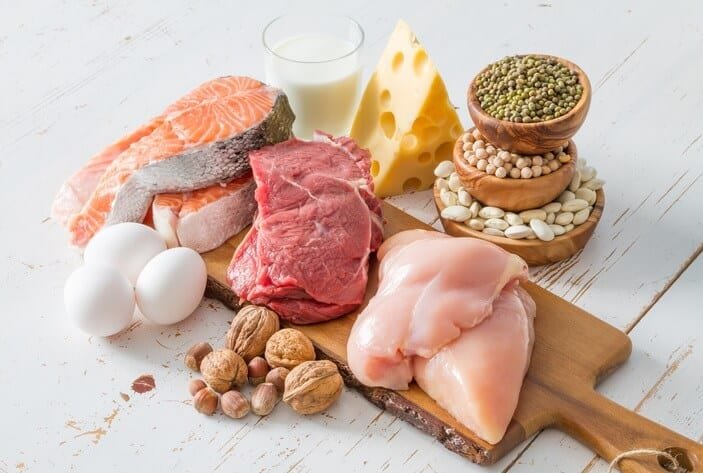
Research published in Obesity, the International Journal of Food Sciences and Nutrition, and on PubMed supports adding more protein to your diet to support both fullness and weight loss.
Studies in Cell Metabolism and Metabolism show that added protein triggers the body’s fullness hormones, helping curb overall intake naturally.
Bottom Line: Protein-rich foods help regulate hunger, support weight loss, and aid in tissue building and repair.
Replace Refined Grains with Whole Grains
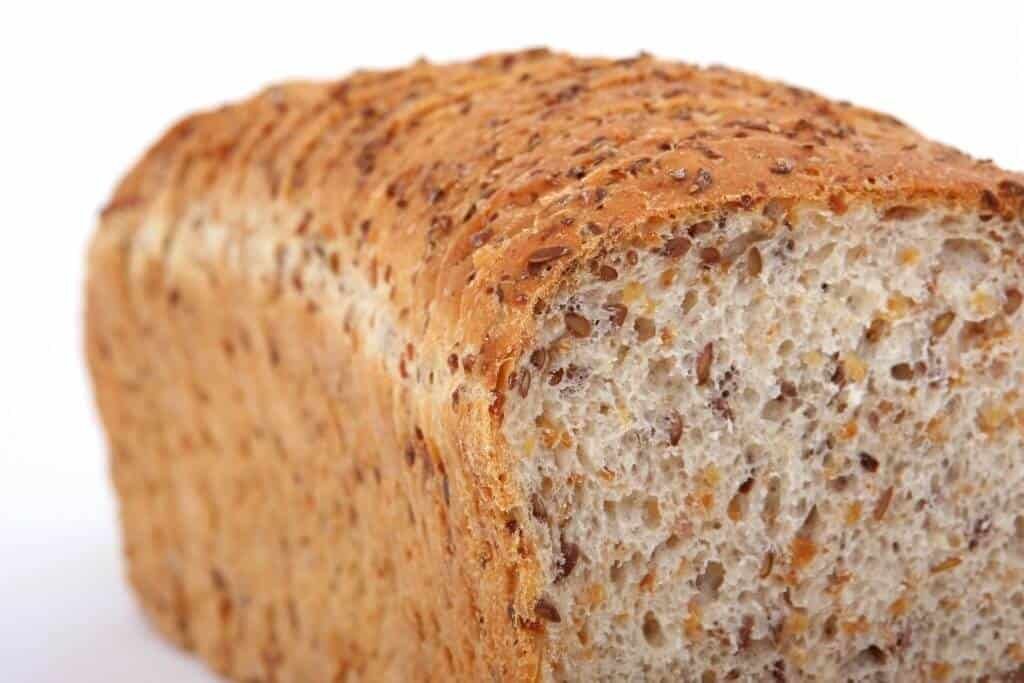
Swapping refined grains for whole grains is consistently linked to a lower risk of obesity, according to studies in ARYA Atherosclerosis, the Asia Pacific Journal of Clinical Nutrition, and the Journal of the New York State Nurses Association.
There’s a clear connection between diets heavy in refined grains and obesity risk compared to diets built around whole grains, according to that same New York State Nurses Association research.
Bottom Line: Whole grains help reduce obesity risk, while refined grains tend to have the opposite effect.
Not All Cholesterol Is the Same
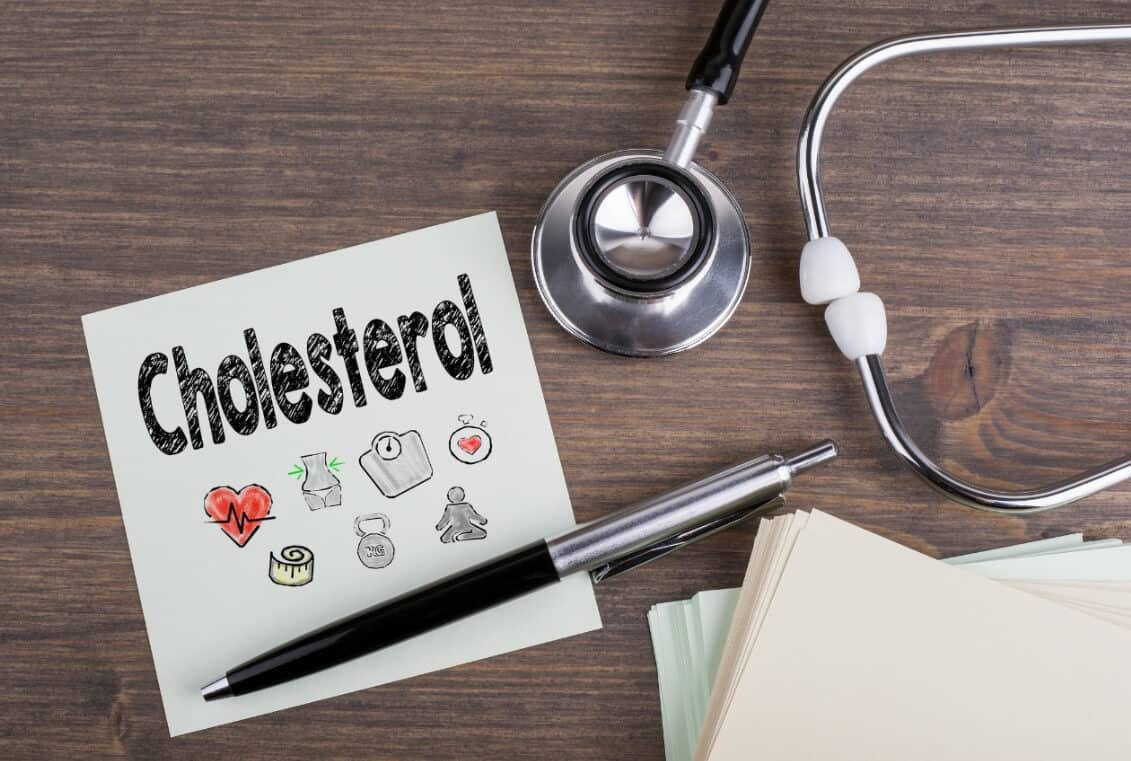
Contrary to what some sources suggest, not all cholesterol is bad for you. According to The BMJ and Herz, HDL — the “good” cholesterol — actively helps remove harmful LDL cholesterol from places it shouldn’t be.
Bottom Line: Focus on raising HDL cholesterol while lowering LDL cholesterol.
Advertisement

Is Counting Calories Necessary?
There’s a genuine connection between calorie counting and weight loss, per studies published in the Journal of Clinical Investigation, including “Total and resting energy expenditure in obese women reduced to ideal body weight” and “Composition of weight lost during short-term weight reduction.”
That said, eating less and tracking calories closely doesn’t guarantee weight loss on its own, according to The BMJ. For many people, simply switching to lower-calorie, healthier snack choices may prove more sustainable than obsessive calorie tracking.
Bottom Line: Not everyone needs to count calories to lose weight — shifting food choices can be just as effective.
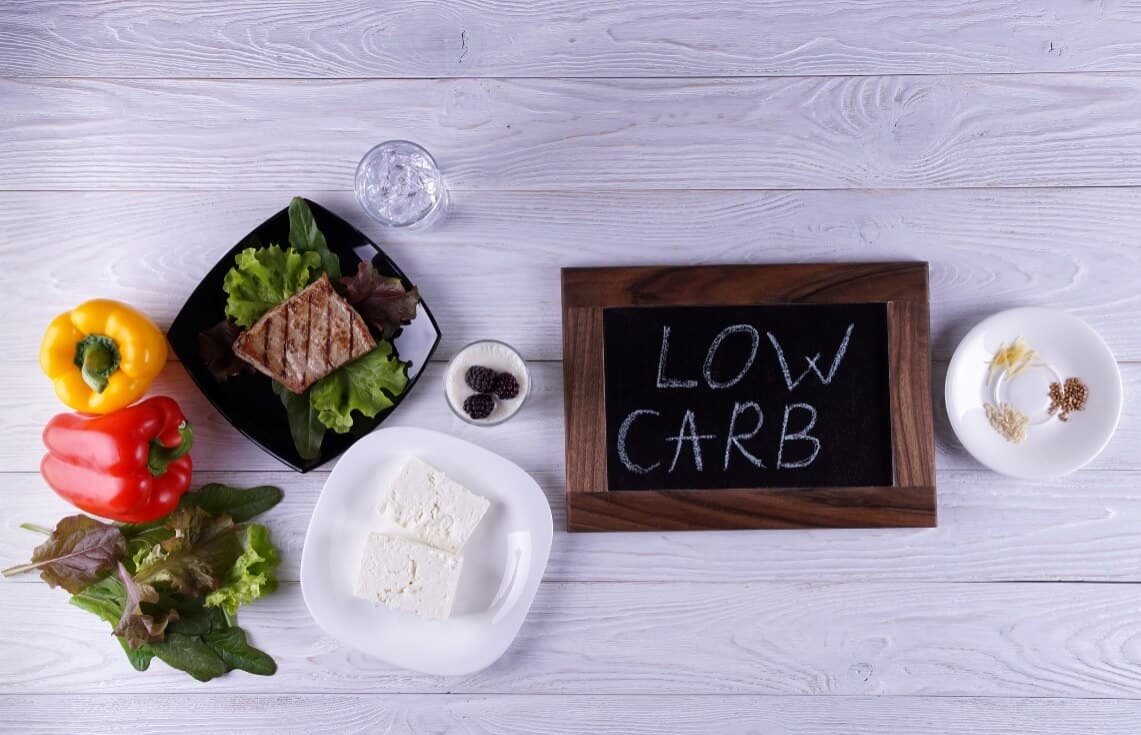
Low-Carb Diets for Weight Loss
Research published in the Journal of Clinical Investigation, Current Opinion in Neurology, and Jasper’s Basic Mechanisms of the Epilepsies all point to low-carb diets (including the ketogenic diet) genuinely supporting weight loss.
Reducing or simply monitoring carb intake, while increasing healthy fats and lean protein, can meaningfully benefit overall health and wellness.
Bottom Line: Low-carb diets genuinely support weight-loss efforts.
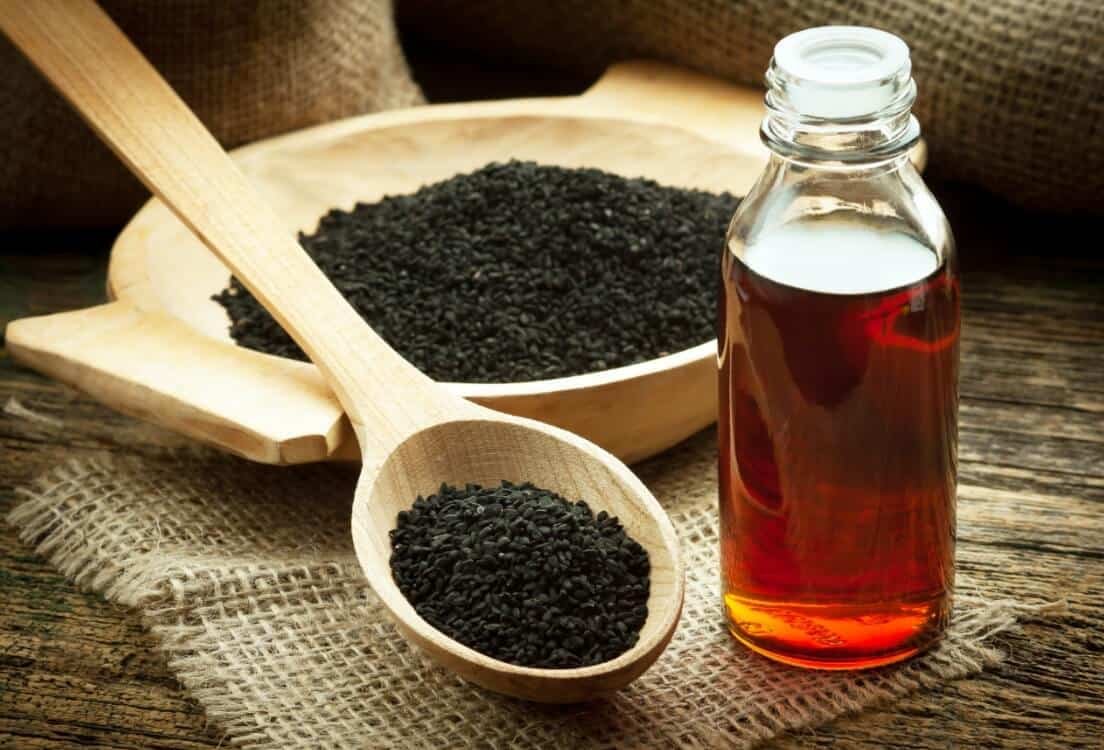
Healthy Oils
Healthy fats and oils are easy to overlook, but they genuinely offer benefits worth prioritizing. Extra virgin olive oil, for instance, contains oleic acid, which helps promote fullness and support healthy cholesterol levels, according to research in Advances in Nutrition.
A review in Food & Function similarly found olive oil raises good cholesterol while lowering the bad kind.
Bottom Line: Oleic acid and polyphenols, found in oils like olive oil, help lower bad cholesterol.
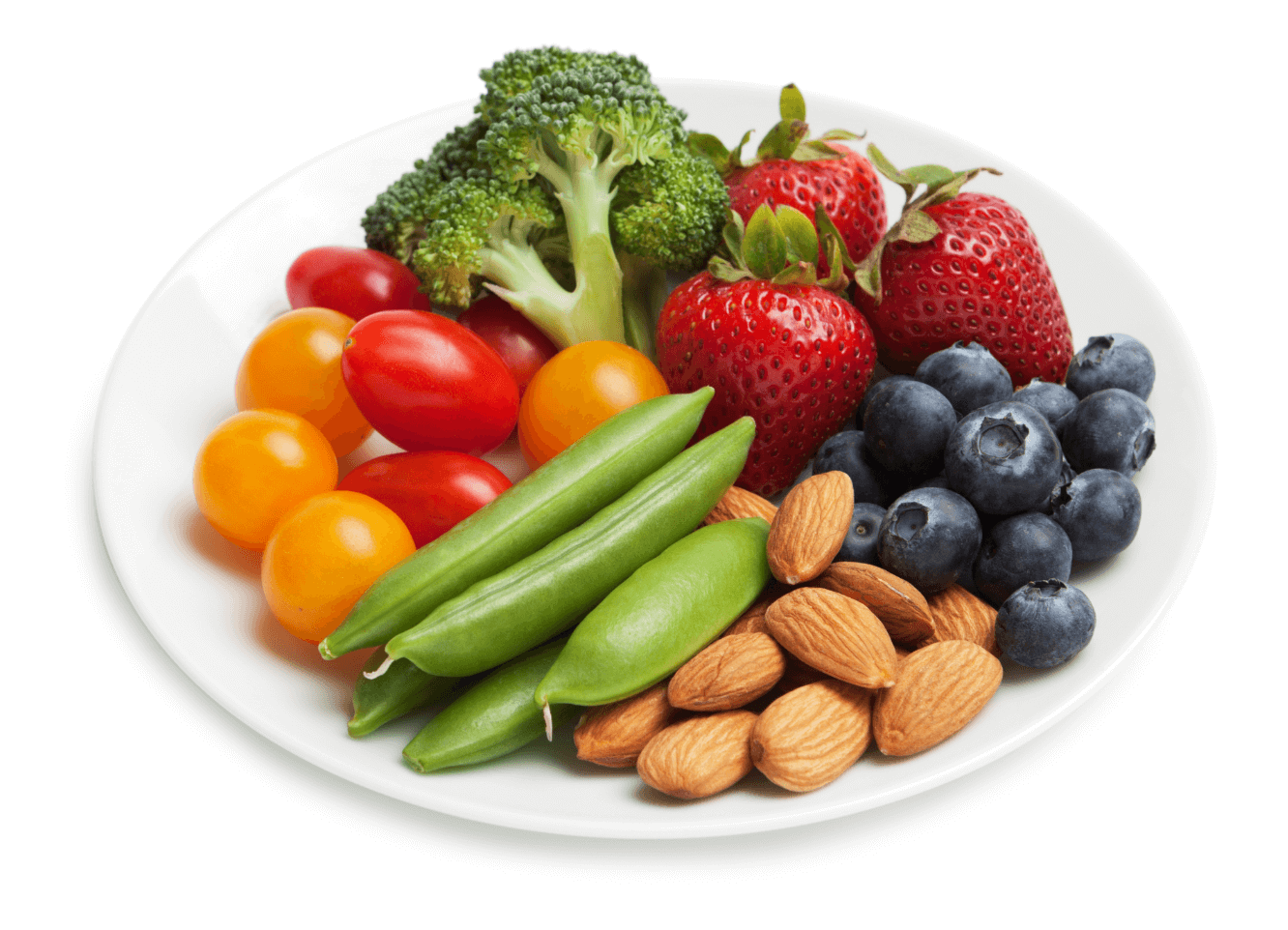
Healthy Snacking: Eating Nuts
Nuts make a genuinely healthy snack, with real science backing the benefits, according to research in Nutrients. A study in Current Pharmaceutical Design found certain nuts may help reduce inflammation and lower cholesterol.
Nuts do run higher in calories than many snacks, but that density works in their favor here — they promote fullness and help curb hunger between meals.
Bottom Line: Nuts make a smart swap for less healthy snacks, offering real benefits to overall wellness.
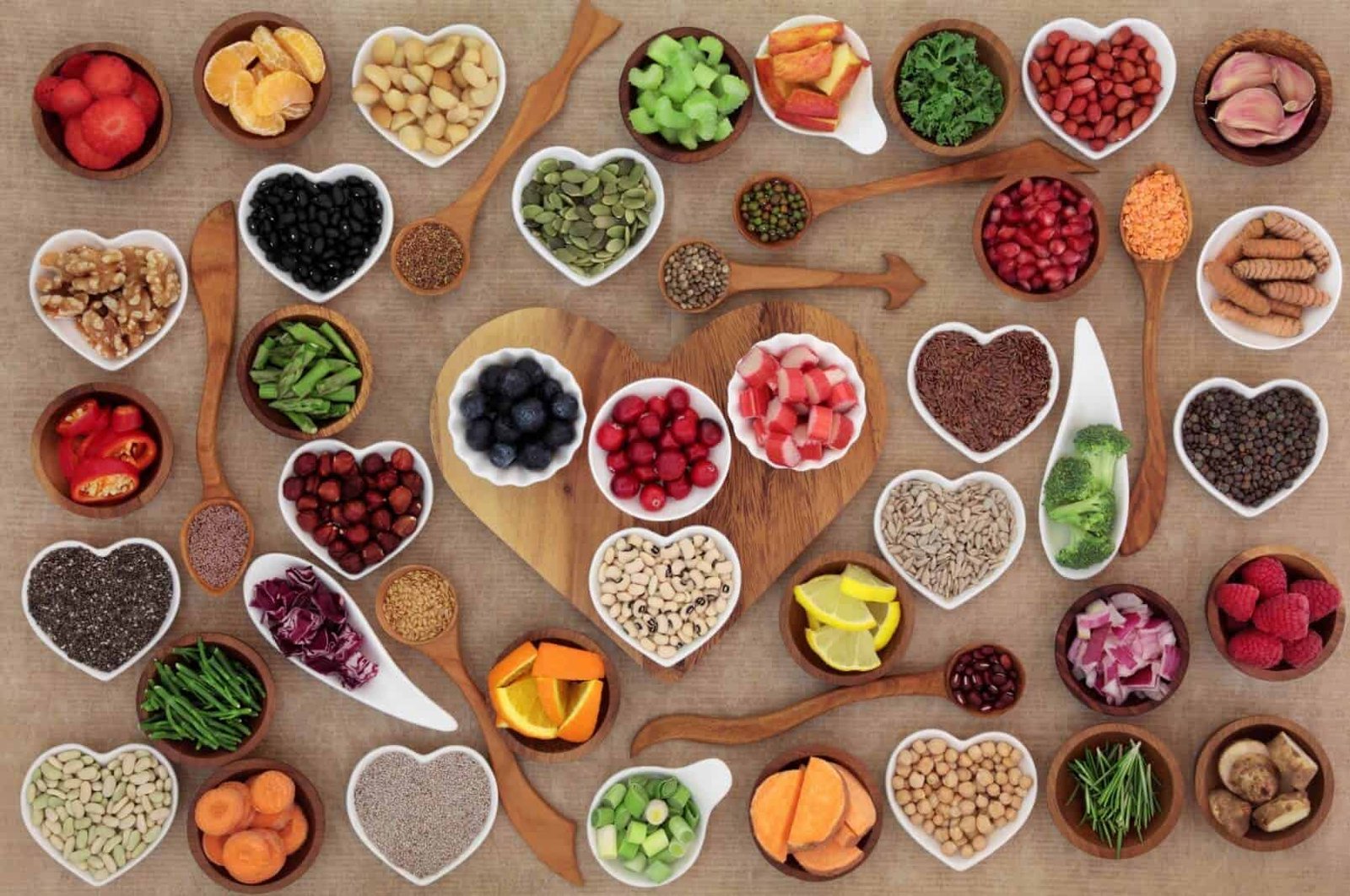
Fruits and Vegetables
The health benefits of fruits and vegetables are about as well-established as nutrition facts get. Working both fruits and vegetables into your daily diet delivers essential nutrients your body genuinely needs.
According to the CDC, fruits and vegetables can be an effective, sustainable tool for managing weight over time.
Bottom Line: Fruits and vegetables belong at the center of any genuinely healthy, weight-conscious diet.
The Bottom Line on These Nutritional Facts
Nutrition research shifts constantly, but these ten facts have held up consistently across multiple independent studies — which makes them a reasonably safe foundation to build eating habits around, regardless of which specific diet trend comes and goes next.
Overall, nutritional facts remains worth understanding before you decide.