Water Conservation: Resources, Myths, Facts & Diet Concerns
We’ve all heard it before — “Don’t run the sink for too long!” or “Turn it off if you’re not in the shower!” And most of us have rolled our eyes at a parent pushing water conservation on us at some point growing up. Table of content The Benefits of Conserving Water Conserving Water Helps […]

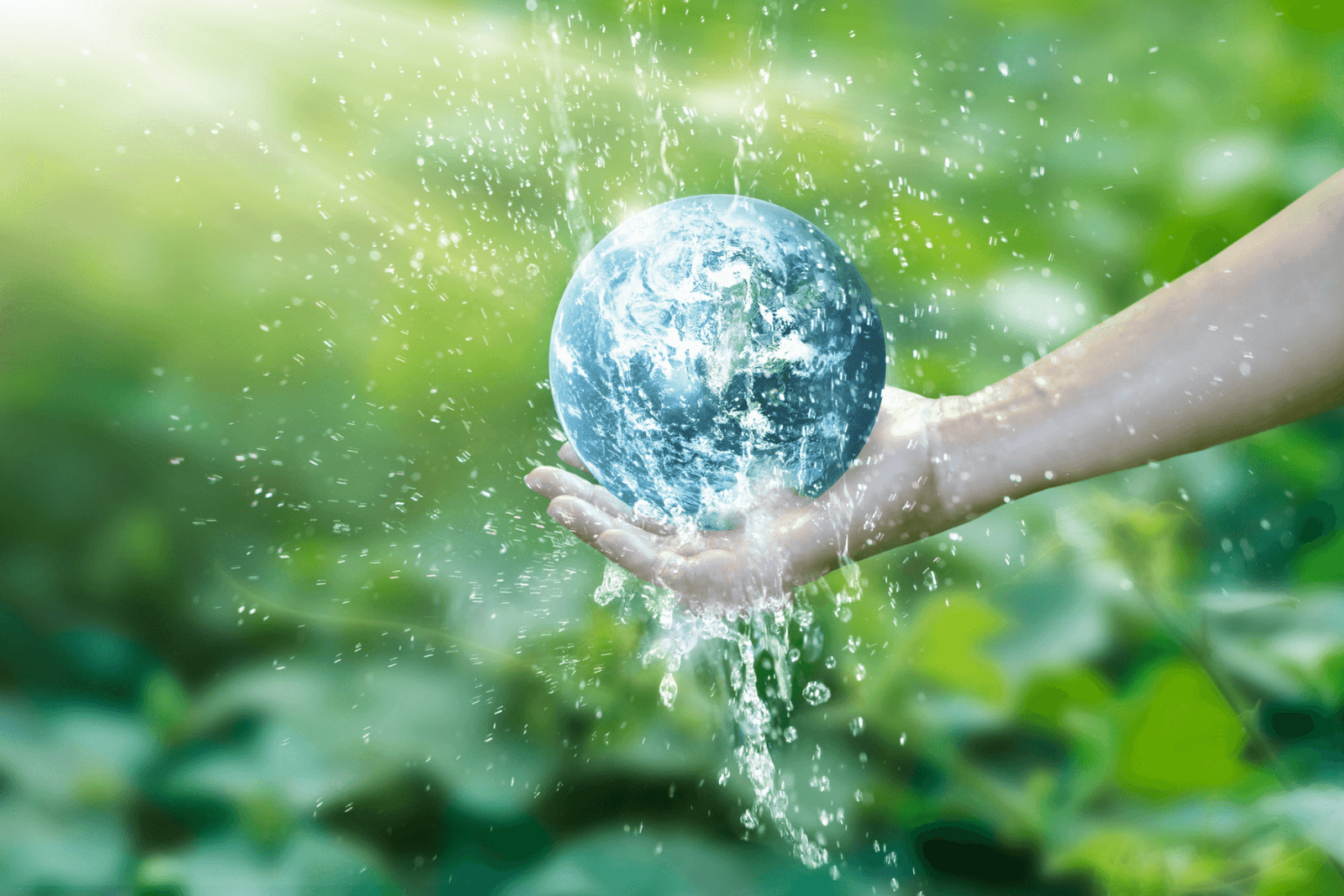
We’ve all heard it before — “Don’t run the sink for too long!” or “Turn it off if you’re not in the shower!” And most of us have rolled our eyes at a parent pushing water conservation on us at some point growing up.
“There’s so much water on this planet, what’s the big deal?” seemed like a fair question at the time. As it turns out, though, the concern was warranted. While roughly 71% of Earth’s surface is covered in water, only about 3% of it is fresh — and while we do have ways to turn saltwater into drinking water, that process comes at a real cost.
Here’s a closer look at the benefits of water conservation, along with practical facts, tips, and resources for saving both money and, in a small way, the planet.
The Benefits of Conserving Water
The benefits of conserving water range from small to genuinely significant, and many can be reaped just by cutting back a few drops each day.
Conserving Water Saves Money
The most obvious benefit — and probably the first one that comes to mind — is cost savings. Modern appliances already use less water than they used to; according to Penn State University, a 1950s-era toilet flush used around 7 gallons of water, a figure that’s dropped significantly since. Faucets, showerheads, washers, and dryers are all more efficient today, but that doesn’t mean there isn’t real money to be saved by using less water regardless.
The average U.S. household pays roughly 15 cents per gallon of water. That sounds like pocket change, but with a single toilet flush using up to 6 gallons, the costs add up quickly across a household.
Water Conservation Saves Energy
Water conservation isn’t just a personal money-saver — it has ripple effects well beyond the household. Sourcing, purifying, and distributing water all require energy, so using less water at home frees that energy up elsewhere.
Western Resource Advocates puts it bluntly: “Energy and water are inextricably linked: Colorado’s water utilities use energy to pump, treat, and distribute potable water; customers use energy to heat, cool, and/or pressurize water; and wastewater utilities use energy to treat and discharge wastewater. By conserving water, water utilities and customers can save energy.” They add that water conservation can deliver “significant energy savings,” cutting both costs and a state’s overall greenhouse gas emissions. As demand for water rises in a given city, so does the energy required to treat and deliver it — meaning less household water use translates directly into real energy savings.
Water Conservation and Agriculture
California farmers have been updating equipment and adopting more modern irrigation techniques largely in response to water scarcity concerns. According to the Pacific Institute, “Water-efficiency strategies provide important benefits to farmers, ecosystems, and society. Some of the water saved represents new supply that can be dedicated to other uses.” Benefits they cite include maintained agricultural production, less polluted runoff into rivers and streams, more water to support in-stream flows, reduced vulnerability to drought, and less non-beneficial water loss overall.
Conserving Water Helps the Environment
Roughly 80% of global wastewater returns to ecosystems completely untreated — which puts real weight behind agriculture’s “less polluted runoff” benefit mentioned above. Conservation International notes that “agriculture, industrial processes, untreated waste and degraded lands are leading causes of pollution in freshwater systems,” adding that poor water quality directly harms fisheries and threatens freshwater species.
The environmental risks of water overuse extend further too: runoff from over-irrigation causes pollution, overuse can drive the construction of additional dams, reservoirs, and treatment facilities, surface water withdrawals can endanger habitats, and treating wastewater and power plant byproducts requires still more energy.
How to Conserve Water in Your Home
Protecting the environment, saving energy, or trimming your water bill doesn’t require giving up showers for a week. Plenty of simple, easy-to-overlook changes make a real difference.
Update or Fix Your Appliances
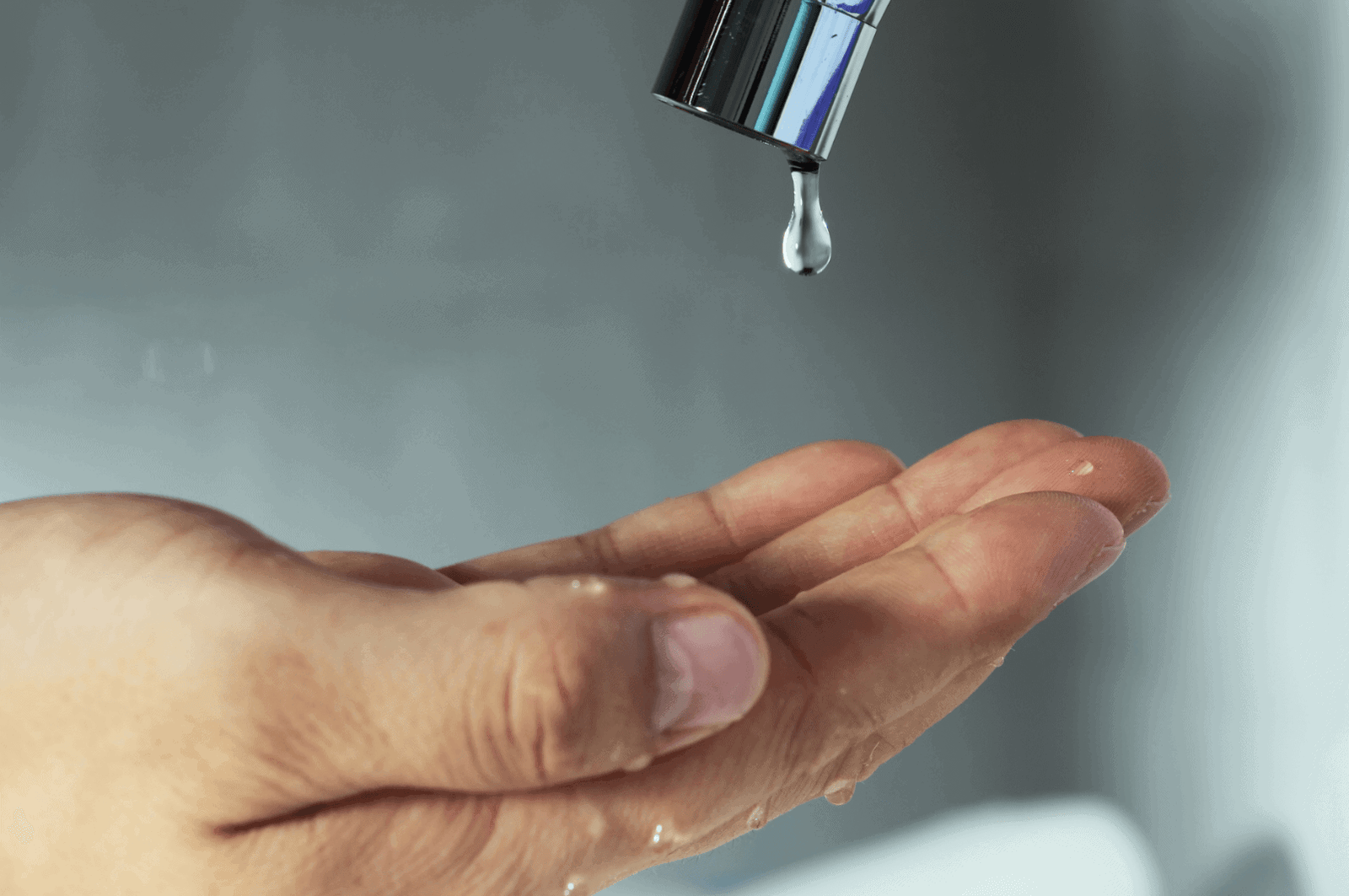
According to energy.gov, updating and repairing appliances can meaningfully cut both water use and cost. Replacing an old toilet that uses 6 gallons per flush with a more efficient model, for instance, could save roughly $100 a year — plus gallons of water with every use. A faucet leaking just one drop per second can waste around 1,661 gallons a year, roughly the size of a small swimming pool.
Turn Off Your Faucet
Plenty of people run the tap while brushing their teeth without thinking twice, but turning it off until it’s time to rinse can save up to 200 gallons a month. Other easy opportunities include keeping hand-washing sessions short (a 20-second wash saves about 6 gallons a day), running an energy-efficient dishwasher instead of hand-washing dishes under running water (which uses roughly five times more water), and washing fruits and vegetables in a pan of water instead of under a running tap.
How to Conserve Water at Your Workplace
Whether you work in an office or run your own business, there are plenty of ways to cut back on water use. Talking openly with staff about water-saving initiatives, encouraging their input on conservation ideas, reviewing water usage reports during meetings, and setting concrete usage-reduction goals all help build a genuine culture around it.
Simple habit changes matter too — sweeping instead of mopping saves real water in most non-food-service settings, and rethinking outdoor landscaping with rainwater tanks, drought-tolerant plants, generous mulching, and watering during cooler parts of the day can meaningfully cut outdoor water use at a business as well.
Conserve Water with WaterSense-Backed Products
Spend even a few minutes researching water conservation, and WaterSense inevitably comes up. WaterSense is a U.S. Environmental Protection Agency partnership program aimed at expanding the market for water-efficient products and services — everything from showerheads, toilets, and bathroom faucets to irrigation controls, sprinklers, and certified professionals.
The program relies on a network of partners, including utilities, local governments, manufacturers, retailers, certification bodies, and nonprofits, who commit to promoting water efficiency, following WaterSense branding guidelines, and reporting annual data in exchange for using the WaterSense name in their own promotional efforts.
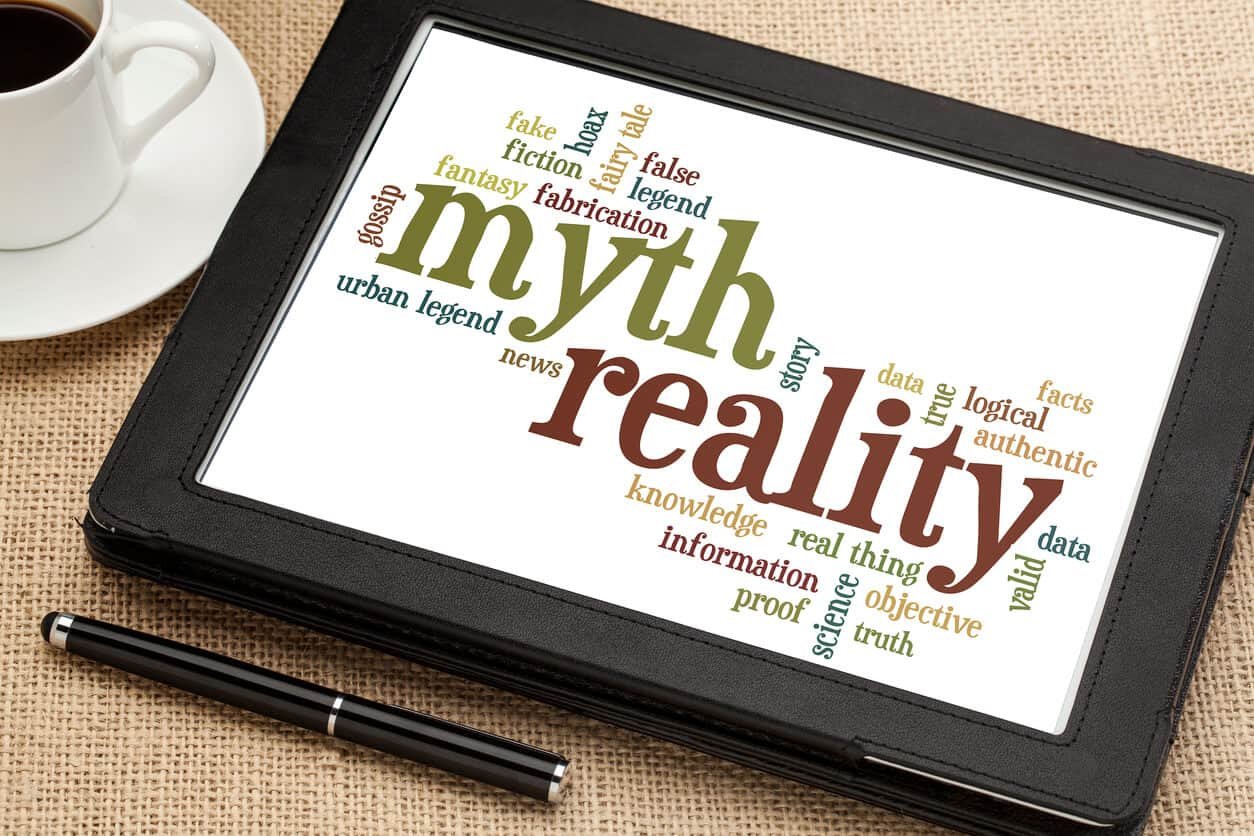
Water Conservation Myths
A few common misconceptions about water conservation are worth clearing up — some genuinely surprised us too.
“Bathing Saves More Water Than Showering”
It’s easy to assume a bath uses less water than a shower, but that’s typically not true — outside of specific exceptions like a very small tub or an unusually long shower, filling a bathtub generally uses more water than a quick shower.
“There’s No Real Water Crisis”
Global water demand has roughly tripled over the past 50 years, many of the world’s rivers have shrunk dramatically (some drying up entirely), and lakes are disappearing at an alarming pace — Lake Mead in Nevada now sits at about half its original size, with one study estimating a roughly 50/50 chance it could disappear entirely within 15 years. The planet still holds an enormous total volume of water — over 360 quintillion gallons — but the cost of desalinating that saltwater at scale remains a serious practical barrier.
“My Individual Water Use Doesn’t Matter”
It’s a natural assumption, but the data tells a different story — if everyone in the U.S. saved just a few drops of water daily, the collective impact would be genuinely significant.
“Bottled Water Is Safer Than Tap Water”
Bottled water marketing is remarkably effective at selling the image of pristine mountain springs, but in reality, the FDA and EPA hold bottled and tap water to the same safety standards. On top of that, producing bottled water requires considerably more water and energy than simply filling a glass from the tap.
Water Usage Facts
- A standard dishwasher uses around 6 gallons of water per load, while hand-washing typically uses around 20.
- The average person uses 140–170 gallons of water every day.
- Showering in under 5 minutes can save 1,000 gallons a month.
- Turning off the shower while shampooing and conditioning can save up to 50 gallons a month.
- A person can survive without water for about one week.
- Americans flush roughly 6.8 billion gallons of water every day.
- Replacing old toilets with WaterSense-backed models can save a family about 13,000 gallons a year.
- The average family wastes around 9,400 gallons of water annually from leaks alone.
- Watering an average lawn for 20 minutes a day, seven days a week, uses as much water as taking 800 showers.
- Producing one day’s supply of U.S. newsprint requires 300 million gallons of water.
Saving Water to Save the Animals
Water conservation ties directly into wildlife protection, even if it’s not something we think about daily. Using water conservatively helps maintain natural wetland habitats — Andy Brown, Anglian Water’s Climate Change & Environmental Performance Manager, put it this way: “We share this most precious of natural resources with the wildlife and wild places that help to define our region and make it such fantastic place to live and work. By making better use of water in our everyday lives we can all help to ensure there is enough to go around, now and into the future.”
Research also shows that eating less meat and cutting back on food waste can meaningfully reduce overall water use, since animal production requires considerably more water than growing crops. Reducing food loss throughout the supply chain could feed roughly a billion additional people while cutting water use at the same time.
Several fish species — bull trout, coho salmon, pygmy whitefish, Chinook salmon, sockeye salmon, and steelhead trout among them — face endangerment largely tied to human water overuse, as streams and rivers run dry. Conserving water leaves more for these species, particularly salmon, which depend on their annual upriver spawning run to reproduce.

What Can You Do to Conserve Water?
Whether the goal is saving money, energy, or supporting the broader ecosystem, plenty of people are finding practical ways to invest in water conservation.
Indoors
Take shorter showers, invest in water-saving appliances and low-flush toilets, regularly check for leaks in toilets, pipes, and faucets, defrost food in the fridge instead of under running water, clean produce in a pan of water rather than under the tap, and only run the dishwasher with a full load.
Outdoors
Use shut-off nozzles on all hoses, avoid overwatering landscaping, water lawns in the early morning or late evening, skip watering on rainy days or ahead of expected heavy rain, use drip irrigation systems, make sure sprinklers aren’t hitting the sidewalk or street, plant more shrubs to reduce total grass coverage, use mulch to retain soil moisture, install a rain barrel for outdoor watering, monitor your water bill and ask your local utility about a home water audit, and choose native plant species, which often require less water to thrive in your specific climate.
Energy-Saving Appliances
Energy-efficient appliances aren’t always more expensive than standard models. Energy Star-rated appliances are built to be considerably more efficient — refrigerators, for instance, can run up to 10% more efficiently, saving families up to $300 over the appliance’s lifetime, while switching to an energy-efficient washer can save up to $200 a year. Even when the upfront price tag runs a bit higher, the long-term savings tend to make it a worthwhile investment.
Change Your Diet to Save Water
Water use in the U.S. is genuinely substantial — Americans average around 2,000 gallons of water per day per person, more than twice the global average, according to WaterFootPrint data. Most of that usage comes from commercial production and agriculture rather than direct household use, and nearly 40% of total water use goes toward dairy and meat production specifically.
Choosing a diet that limits meat is one of the more effective ways to cut personal water use, given how much of the total footprint traces back to meat production. The American diet accounts for roughly 1,000 gallons of water per person per day just from food choices, compared to a global average closer to 900 gallons. A single serving of chicken, for example, carries a water footprint of roughly 90 gallons.
Water Conservation and Nutrition
Nutrition choices matter enormously here — agriculture accounts for nearly 70% of global water use, far outpacing the roughly 10% used domestically. Research from the Barilla Center for Food & Nutrition suggests environmentally sustainable eating and genuinely healthful eating tend to go hand in hand. Practical ways to conserve water while boosting nutrition include eating less meat, steaming vegetables instead of boiling them, supporting small, family-owned farms, streamlining household water use, and limiting both food and water waste.
Weight loss and hydration matter here too — any solid nutrition plan for weight management should include adequate water intake, and there are ways to increase water consumption without working against conservation goals. Using a reusable water bottle instead of disposable ones, for instance, saves up to five times the water required to produce a disposable bottle while still supporting a weight-loss-friendly hydration habit. Alternatives like green tea, which research has linked to potential weight-loss support, offer another route — brewing a kettle of tea lets you sip throughout the day while conserving water along the way.
The Bottom Line on Water Conservation
By now, it’s clear that saving water can save money, energy, wildlife, and ultimately support a healthier planet. What’s easy to forget is just how simple that saving can actually be, both at home and at work — the small stuff genuinely adds up, whether that means a shorter shower or a smarter appliance choice.
Next time a hot bath sounds tempting, consider a quick shower instead — a small trade-off that, multiplied across millions of households, makes a real difference.
Explore more Health Articles reviews and guides on our site.