Uptime Energy Drink Review: Ingredients, Benefits & Side Effects
Our research team went looking for a standout energy drink and landed on Uptime Energy Drink. What makes it different? We dug into the ingredients, benefits, potential side effects, and the research behind the claims, then pulled together the details below to give you the full picture. Table of content What Is Uptime Energy Drink? […]

Our research team went looking for a standout energy drink and landed on Uptime Energy Drink. What makes it different? We dug into the ingredients, benefits, potential side effects, and the research behind the claims, then pulled together the details below to give you the full picture.
What Is Uptime Energy Drink?
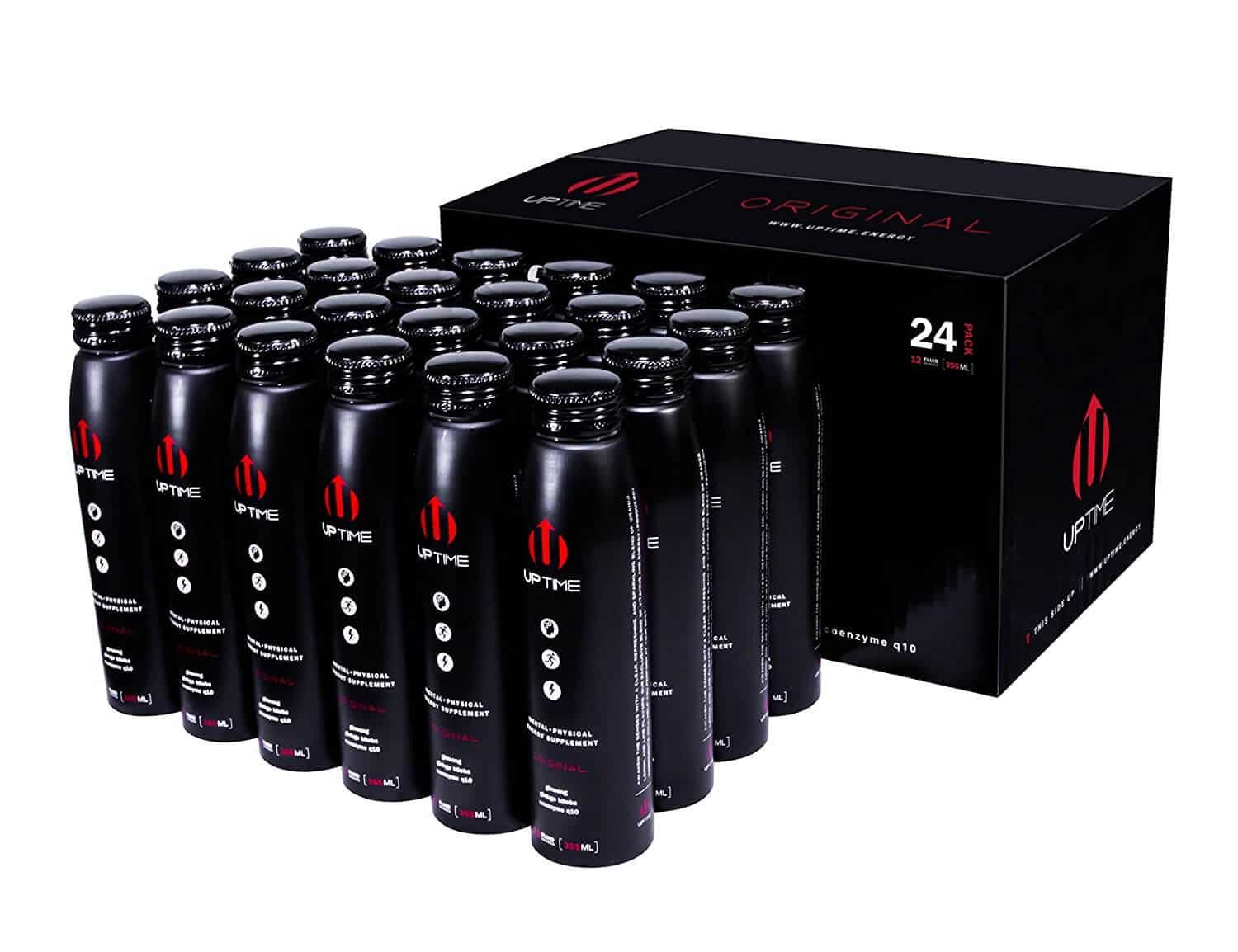
Uptime Energy Drink is a bottled 12-ounce beverage designed to boost mental and physical energy. Since so many people juggle demanding, fast-paced lifestyles, the formula blends natural ingredients meant to spark energy and sharpen focus, whatever the task at hand.
Hectic schedules often leave people feeling drained and foggy, especially by mid-afternoon. Uptime Energy Drink aims to provide steady, balanced energy to help carry you through the day. Here’s what some of the research says about a few of its key ingredients:
- Biomolecules & Therapeutics: Taurine is an essential nutrient that has been studied for a number of health applications.
- Evidence-Based Complementary and Alternative Medicine: Bee pollen has shown anti-inflammatory, antimicrobial, and antifungal effects in studies.
- Indian Journal of Pharmaceutical Sciences: Gotu kola is thought to support skin health, though more research is still needed.
Uptime Energy Drink comes in a range of flavors. As of the most recent update, the sugar-free lineup includes Raspberry Lemon, Sweet Summer Melon, Original Citrus, Mango Pineapple, Blueberry Pomegranate, White Peach Lemonade, Green Mandarin, Tropical Passionfruit, and Ruby Red Grapefruit, while the cane sugar lineup includes Original Citrus, Blood Orange, and White Peach Lemonade.
How Did Uptime Energy Drink Start?
Uptime Energy Inc. traces back to 1985 and is based in Santa Barbara, California. The brand grew out of an idea to redefine what an energy product could be — one built on quality ingredients that deliver functional, balanced energy without an overstimulating crash.
Beyond the bottled drink, the company also sells energy supplement capsules in both an original and a maximum-strength blend. These share a similar ingredient profile and are likewise intended to support mental focus and physical stamina. It’s worth noting Uptime Energy Drink isn’t marketed as a weight-loss product — it’s positioned as an energy booster in the same category as Red Bull, Monster, and Rockstar.
Uptime Energy Drink Claims
Like most energy drinks, Uptime makes some bold promises. The brand says its ready-to-drink beverage offers:
- Enhanced mental focus
- Higher physical energy levels
- The ability to perform at your best for longer stretches of time
All of that, the company claims, without the uncomfortable crash or jittery rush sometimes associated with other heavily caffeinated or stimulant-loaded drinks.

Uptime Energy Drink Ingredients
So what’s actually inside the bottle? Here’s a closer look at the formula, which currently includes filtered carbonated water, citric acid, natural flavors, calcium citrate, natural caffeine, potassium benzoate and potassium sorbate (preservatives), sucralose, L-theanine, Panax ginseng root extract, angelica root extract, ascorbic acid, coenzyme Q10, and — in the cane sugar variant only — cane sugar.
Caffeine (142mg)
A widely used stimulant found naturally in kola nuts, coffee beans, tea leaves, guarana, and cocoa beans, caffeine is a mainstay in energy drinks and pills because of how it affects the central nervous system, sharpening focus, energy, concentration, memory, and stamina. Nature Neuroscience suggests caffeine may even boost long-term memory, while a study published in Nutrition found it can help reduce fatigue and improve workout performance.

Angelica Root
This plant has a history in traditional medicine for easing an upset stomach and flatulence. A study in Evidence-Based Complementary and Alternative Medicine found the root extract may also help support healthy blood circulation.
Panax Ginseng Root
An antioxidant-rich herb loaded with ginsenosides, Panax ginseng has been linked in some clinical studies, per Examine.com, to lower stress levels, better athletic performance, sharper focus, and stronger immune function — which is why it’s a common addition to energy formulas aimed at both physical and mental performance.

Does Uptime Energy Drink Work?
It’s fair to approach any energy shot or drink with some skepticism, and Uptime is no exception. This ready-to-drink beverage isn’t backed by any published clinical trials or documented studies specific to the product that we could locate — there’s no dedicated research on the official site either.
That said, the underlying claim — boosting mental and physical energy — lines up with what we know about its main active ingredient. The drink delivers 142 milligrams of caffeine per serving, a stimulant shown in actual studies to elevate energy, sharpen focus, and improve cognitive function, according to the Harvard Health Blog. A study in Food and Chemical Toxicology similarly found caffeine increases alertness and reduces fatigue.
Uptime Energy Drink Benefits
Like most stimulant-based energy drinks, Uptime comes with a mix of pros and cons. On the plus side, it may offer a short-term energy boost and sharper cognitive function for a few hours, roughly as long as the caffeine stays active. We also reviewed customer comments and testimonials posted online to see how real users felt about it — some praised the boost, while others weren’t fans of the taste or felt the price ran a bit high compared to alternatives.

Uptime Energy Drink and Weight Loss
To be clear, Uptime Energy Drink isn’t marketed as a weight-loss product — it’s focused on mental clarity, focus, and physical energy. If fat loss, appetite suppression, or a metabolism boost is your goal, you’ll likely want to look at a different type of supplement.
There’s no clinical evidence directly linking this drink’s formula to weight loss, so it’s unlikely to move the needle much on its own. That said, the caffeine it does contain has been tied to weight loss in other contexts — some research suggests caffeine can support metabolism and lipolysis, the breakdown of fat cells, particularly when paired with regular exercise, according to a study in Medicine & Science in Sports & Exercise. Combining caffeine with green tea extract may produce even more noticeable results, per Obesity Research.
Potential Uptime Energy Drink Side Effects
Any energy drink, weight-loss product, or health supplement carries some potential for side effects, and Uptime is no different. We didn’t find specific side effects listed on the official site or flagged heavily by customers, but because the drink contains caffeine, it may cause:
- Jitteriness
- Anxiety
- Sleeplessness
- Nervousness
- Headaches
- Upset stomach
- Irritability
The Mayo Clinic considers up to 400 milligrams of caffeine a day safe for most healthy adults, so sticking to one or two bottles of Uptime daily shouldn’t push you into risky territory.
Uptime Energy Refund Policy
The company offers a 30-day return window from the date you receive your order.
Uptime Energy Drink Product Warnings
Product warnings and scam concerns are always worth checking before trying something new, and for the most part, Uptime Energy Drink appears to be exactly what it claims: a stimulant-and-herb energy drink that may provide a modest mental and physical lift.
Digging through customer feedback, we did find one report of the bottle cap’s rubber lining coming loose, which the customer said nearly caused a choking hazard — worth a quick visual check before you drink. A few reviewers also pointed out that the sugar-free version uses sucralose, a sweetener that measures roughly 1,000 times sweeter than table sugar, so it’s worth knowing if you’re sensitive to artificial sweeteners. The brand also cautions against consuming the drink while preparing for surgery, given the potential interaction risks. Outside of taste preferences, most feedback suggests the product itself isn’t likely to cause harm when used as directed.
Uptime Energy Drink Alternatives
If Uptime isn’t quite the right fit, there’s no shortage of other options, including Red Bull, UP Energy Drink, Monster Energy, Rockstar, IDGT Energy Drink, Mountain Dew Kickstart, and 5-Hour Energy. You’ll find these at most supermarkets, drugstores, and health supplement shops. None of these are marketed as weight-loss products — they’re essentially alternatives to coffee, caffeine pills, or soda.
Uptime Energy Drink vs. Red Bull
Red Bull is one of the most recognizable canned energy drinks on the market and makes similar claims around physical energy and mental focus. A 12-ounce can of Red Bull contains 80mg of caffeine, taurine, vitamin B6, niacin (B3), vitamin B5, vitamin B12, and artificial colors and flavors, along with added sugar.
The two drinks share several ingredients, but Red Bull’s 80mg of caffeine is noticeably lower than Uptime’s 142mg, so Uptime may hit the central nervous system harder. Red Bull does come in more flavor options overall.
Uptime Energy Drink vs. UP Energy Drink
UP Energy comes in two flavors — white and blue — and makes similar claims around mental performance and endurance. Its formula includes 200mg of caffeine, taurine, Panax ginseng, guarana, inositol, glucuronolactone, and carnitine tartrate.
UP shares several ingredients with Uptime, including caffeine and Panax ginseng, but comes in a larger 16-ounce can with a heftier 200mg caffeine dose. It also runs lighter on calories — 15 per can versus Uptime’s 160 — and costs about $2.50 per can in a 12-pack. Like Uptime, there’s no clinical research backing UP’s specific formula, though its caffeine content alone will likely deliver a noticeable boost. Just keep an eye on your total caffeine intake across other beverages.
Uptime Energy Drink Cost
Uptime Energy Drink is available through the official website, Amazon, GNC, and Walmart. Recent Amazon pricing showed a 12-pack of the Cane Sugar version at $31.99 and a 12-pack of the Zero Sugar version at $34.99 — though pricing and availability can shift over time. That works out to roughly $2.50 per bottle, putting it in line with a 12-ounce can of Red Bull.
The Bottom Line on Uptime Energy Drink
We went looking for an energy drink with a formula that actually holds up, and Uptime comes reasonably close. Most of its ingredients are natural, and it’s priced competitively against other name-brand options. The main thing to watch for is caffeine sensitivity, since 142mg per serving is a meaningful dose for some people.
Energy and weight loss both look different for everyone, and what matters most is finding an approach that fits your body and your schedule. If your goal includes weight management alongside better energy, pairing a sensible eating pattern with regular movement and consistent sleep will generally get you further than any single drink or supplement — energy products like Uptime are best treated as a short-term tool, not a long-term strategy.
Explore more Energy Booster reviews and guides on our site.