
Vegan Vegetarian Diet: Benefits, Weight Loss & Meal Ideas
The colorful smoothie bowls and mouth-watering meatless salads filling your social media feed make a vegan vegetarian diet look easy and fun. Away from social media, a vegan vegetarian diet can be just as satisfying — and healthy — as it appears. You can fill your plate with vibrant, earthy meals even if you never […]

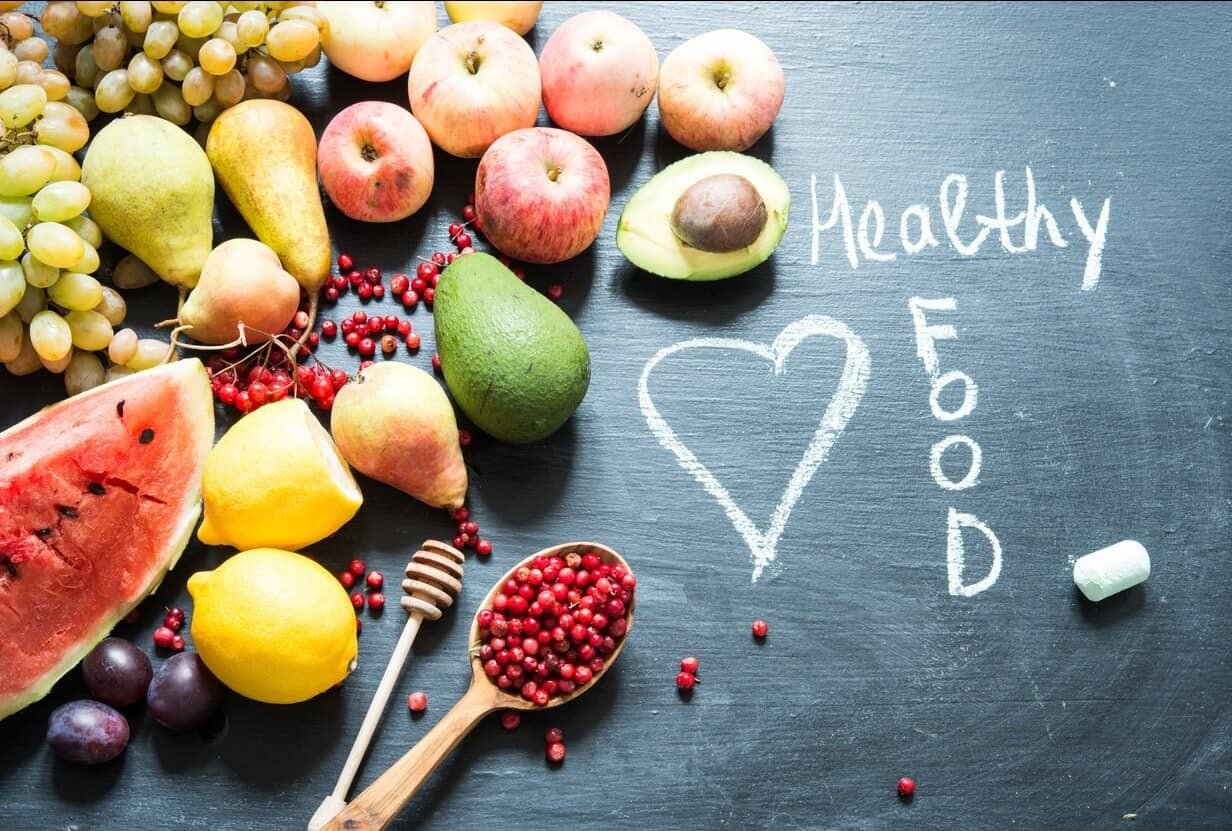
The colorful smoothie bowls and mouth-watering meatless salads filling your social media feed make a vegan vegetarian diet look easy and fun. Away from social media, a vegan vegetarian diet can be just as satisfying — and healthy — as it appears. You can fill your plate with vibrant, earthy meals even if you never snap a single photo of them.
As Harvard Health notes, people choose a vegan vegetarian diet for many different reasons. Some advocate for animal welfare, while others focus purely on the health benefits. A vegan vegetarian diet is often linked to better heart health and can also jumpstart weight loss.
If you’re following a vegan vegetarian diet and hoping to lose weight along the way, it’s far from impossible. In fact, a vegan vegetarian diet built around whole foods might be exactly what you need to get a running start toward your goals.
Below, we cover the benefits of a vegan vegetarian diet, how it may help you lose weight, and how to build a healthy lifestyle around eating plant-based foods.
“Eating more plant-based foods and fewer animal-based foods is a great way to improve overall health. Plant foods tend to be lower in fat and calories and higher in fiber, which is associated with a lower body mass index,” says Kristie Middleton, Senior Food Policy Director for The Humane Society of the United States.
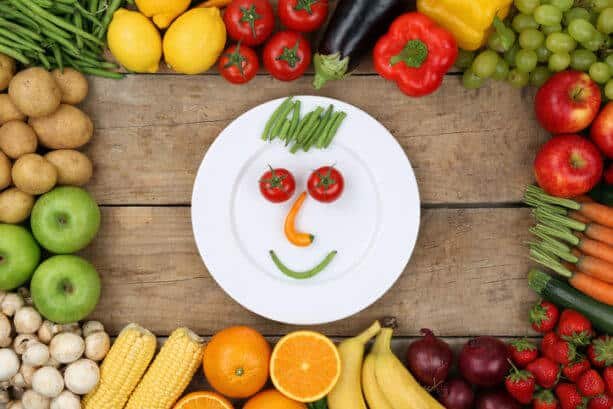
The Health Benefits of a Vegan Vegetarian Diet
According to PLOS ONE, many of the benefits tied to a vegan vegetarian diet stem from a lower intake of saturated fat.
“Enjoying a balance of whole plant foods provides us with a diverse spectrum of vitamins, minerals, and antioxidants. The foundational science-based nutrition research shows that these micronutrients support the body’s systems, and consuming a diet rich in nutrient-dense plant foods reduces our risk of diet-related issues. A whole-food, plant-based diet supports a healthy body weight. Beyond weight management, it can increase energy levels, aid digestion, boost immunity, and reduce inflammation,” explains Danielle Levy, R.H.N., N.C.
One study published in Translational Psychiatry found that plant-based diets may improve cognitive health, while research in the American Journal of Clinical Nutrition found that a vegan diet could lead to reduced cholesterol levels.
You’ll probably lose weight. People following a vegan vegetarian diet typically carry lower body weight, on average, than those eating diets high in animal products, according to the Academy of Nutrition and Dietetics.
Now that you know some of the benefits, what does a typical vegan vegetarian diet menu actually look like?
The Bottom Line: A vegan vegetarian diet can reduce chronic disease risk, promote longevity, improve heart health, and support weight loss. “Practicing mindful awareness in combination with a healthy plant-rich diet and lifestyle is a powerful strategy for promoting an overall state of health,” says Dr. Brewer of Claritas Mind Sciences.
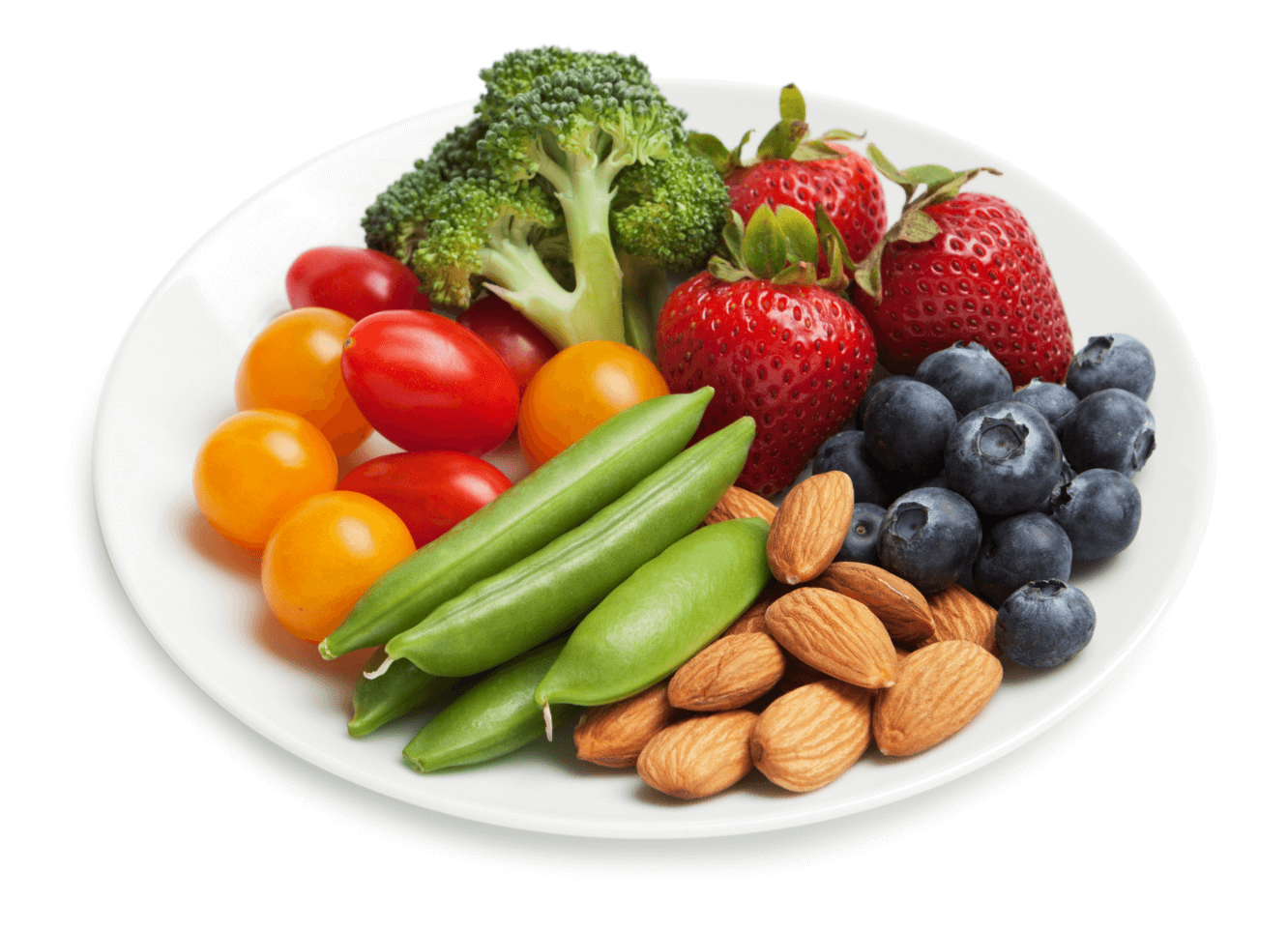
Vegetarian Diet vs. Vegan Diet
Some vegetarians also cut out eggs and other dairy products, and different variations of a vegan vegetarian diet allow or exclude different combinations of food groups. Traditional vegans avoid all animal products — both the foods and any products made from animals.
What Vegetarians Typically Skip
- Meat
- Poultry
- Fish and seafood
What Vegans Typically Skip
- Meat
- Poultry
- Fish and seafood
- Eggs
- Dairy products
Research published in The Permanente Journal suggests the focus should really be on plant-based eating patterns in general rather than strict vegan- or vegetarian-only labels.
Vegan Vegetarian Diet and Weight Loss
If you’ve cycled through a long list of weight loss diets without getting the results you wanted, you might be hesitant to try a vegan vegetarian diet. However, research shows vegetarian diets are often more effective at reducing body weight than standard low-calorie diets, according to NCBI.
In a study comparing weight loss among people following omnivorous, vegan, and vegetarian diets, those on the vegan plan lost the most body weight, per NCBI.
A vegan vegetarian diet also tends to run high in fiber, and a high-fiber eating pattern is linked to weight loss on its own, according to the Annals of Internal Medicine.
As long as you’re getting quality protein from sources like vegetables and legumes, a vegetarian or vegan diet can help keep weight gain at bay — NCBI notes that higher-protein diets may prevent weight gain over time.
Diets high in added sugar, on the other hand, can lead to weight gain. Sticking mostly to whole foods and cutting processed items high in refined sugar increases your odds of losing weight on a vegetarian or vegan plan, according to Harvard Health.
The Bottom Line: Multiple studies suggest a vegetarian or vegan diet can lead to weight loss for some people. A high-fiber, high-protein diet that’s light on processed foods may also help prevent weight regain. “Fiber-rich foods such as legumes and green vegetables help you feel full for longer, since the body needs more time to digest fiber. These foods are high in volume but low in calories, which makes them a great option for people looking to cut calories while boosting nutrition,” says Carolyn Scott, a holistic nutritionist and plant-based chef.
Advertisement
How to Lose Weight on a Vegan Vegetarian Diet
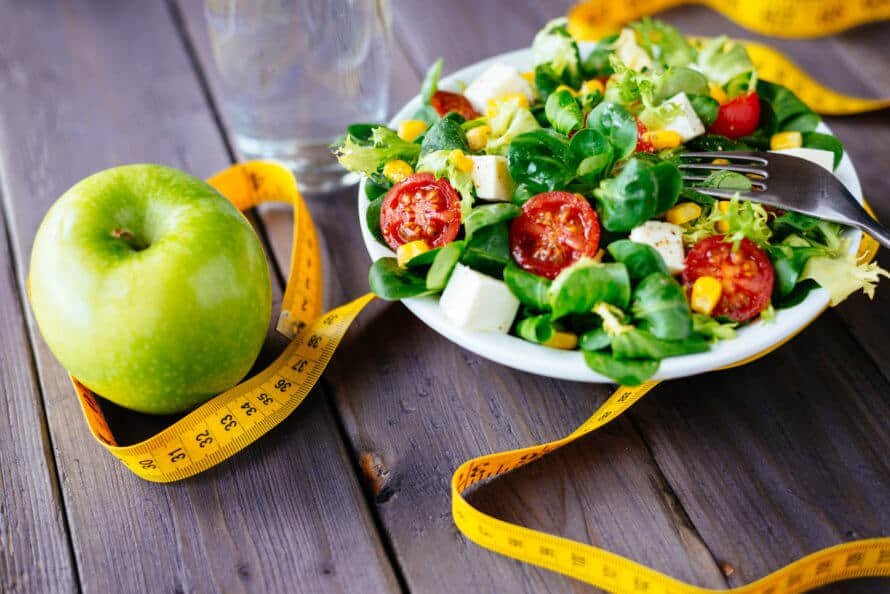
Add a vegetable to every meal. Vegetables are high in fiber and low in calories, helping you eat less while getting more nutritional benefit.
Skip the ultra-processed foods. Most foods worth avoiding for weight loss aren’t part of a traditional vegan vegetarian diet in the first place, since the pattern already discourages regular processed food intake.
Get creative in the kitchen. You don’t have to eat beans and rice at every meal. A few simple ingredients go a long way, and experimenting with unfamiliar plant-based staples might teach you to actually enjoy cooking.
Mix up your meals. Vary what you eat from day to day so you don’t get bored — it’s easy to stray from a diet plan once you stop enjoying the food on it.
Don’t underestimate herbs and spices. If a meatless meal sounds bland to you, skip the extra salt and reach for herbs and spices to bring flavor to your produce instead.
The Bottom Line: A vegetarian or vegan diet doesn’t have to be bland. Fill up on high-fiber foods like vegetables, and try to steer clear of high-calorie, low-nutrition processed foods.
Healthy Eating on a Vegan Vegetarian Diet
Carbohydrates
According to the Mayo Clinic, carbohydrates are your body’s primary energy source. When you eat carbs, your body quickly converts them into glucose, which insulin then delivers to your cells for energy. Time reports that dietary fiber, a complex carb, can improve digestion and may even support weight loss.
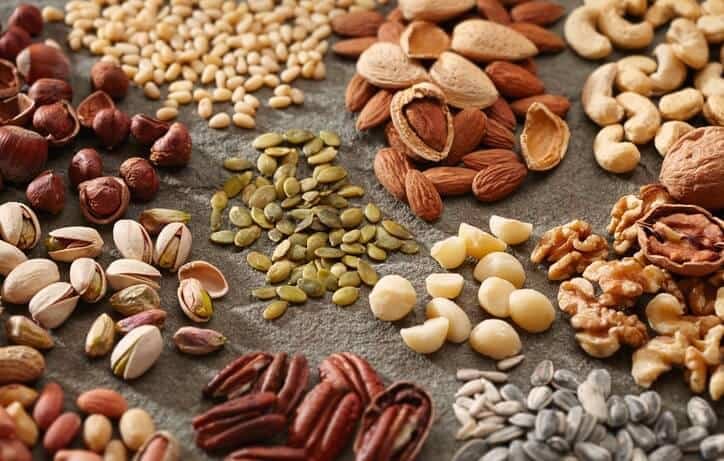
Best Plant Sources of Fiber
- Fruits
- Vegetables
- Nuts
- Seeds
- Beans
- Lentils
Protein
The National Library of Medicine notes that protein isn’t just for building muscle and repairing tissue — it also plays important roles in immunity and hormone regulation.
Without milk, eggs, meat, poultry, and fish in the picture, it can seem impossible to hit roughly 0.36 grams of protein per pound of body weight each day, as referenced by Harvard Health. In reality, plenty of people have thrived without those foods for years, often without relying on powders or supplements at all.
Best Plant Sources of Protein
- Quinoa
- Wild rice
- Steel-cut oats
- Nuts and seeds
- Chickpeas
- Beans
- Edamame
- Spinach
- Broccoli
Fat on a Vegan Vegetarian Diet
It’s a common misconception that fat is bad for you. Fat is just as important as carbs and protein — it provides energy, helps absorb certain vitamins and minerals, and plays a key role in blood clotting, according to Harvard Health.
While too much fat long-term can carry health risks, cutting fat drastically isn’t the answer either. In fact, low-fat diets tend to be less effective for weight loss than other approaches, according to The Lancet.
There are three types of fat you’ll encounter on a vegan vegetarian diet:
- Saturated fat
- Unsaturated fat
- Trans fat
Animal products are mostly saturated fat, the less healthy of the two, while plant sources of fat are largely unsaturated and considered healthier. You’ll also find healthy fats in seafood and fish. According to the Mayo Clinic, trans fats added during manufacturing are harmful, and the FDA has pushed manufacturers to phase them out of processed foods.
Foods high in saturated fat, such as cheese, bacon, and butter, are generally ones to limit on a vegan vegetarian diet, according to Harvard Health. Working a healthy amount of “good” fat into your meals can help keep you energized and nourished — a drizzle of olive oil on your salad is a simple, healthy addition.
Best Plant Sources of Fat
- Olive oil
- Peas
- Avocados
- Seeds
- Tahini
- Tempeh
- Tofu
- Nuts
- Nut butters
- Chickpeas
- Hummus
- Olives
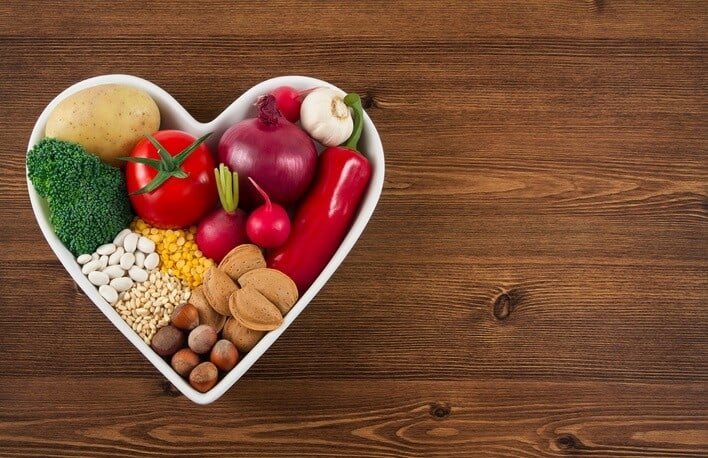
Foods high in fiber, protein, and healthy fat — and low in saturated fat — are regular staples of a well-built vegan vegetarian diet. Eating a variety of nutrient-dense foods at each meal helps ensure you’re covering all your nutritional bases.
The Bottom Line on a Vegan Vegetarian Diet
Following a vegan vegetarian diet without knowing which foods to prioritize can make long-term weight loss harder than it needs to be. Sticking mostly to plant-based foods can support weight loss and a longer, healthier life. “More and more people are aware of the health benefits of following a plant-based diet, especially thanks to films like Forks Over Knives and What the Health,” notes Aubry Walch of The Herbivorous Butcher. “Making the switch can feel overwhelming, though, so people look to us to provide textures and flavors they’re familiar with, without the effects of consuming animal meat.”
Whether you go fully vegan or ease in with a vegetarian approach, the biggest factor in long-term success is consistency. Start with a few plant-forward meals each week, build your pantry of go-to staples, and adjust the pace to whatever keeps the diet sustainable for you.
Explore more Health Articles reviews and guides on our site.